ECB seeks UK government help after PCB threatens Lord’s Test pullout over Imran Khan interview
Cricket in Crisis: Predictions of Disruption as ECB Seeks Government Intervention Amid Pakistan-Tensions
The world of cricket is currently embroiled in a high-stakes diplomatic and sporting crisis, as the England and Wales Cricket Board (ECB) has reportedly sought urgent assistance from the UK government amidst escalating tensions with the Pakistan Cricket Board (PCB). The situation has stirred concerns over the future of the ongoing Test series, with predictions pointing toward potential match disruptions or even a complete withdrawal by Pakistan from their tour of England.
Background: The Series and Rising Tensions
The controversy unfolded during the second Test of the three-match series between England and Pakistan, held at Lord’s Cricket Ground in London. England, captained by Joe Root, had already taken a commanding position in the match, and their performance on Day 2 solidified their dominance. The hosts bowled Pakistan out for a meager 110 runs in the first innings, with standout performances from bowlers like Ollie Robinson, who claimed four crucial wickets. By the end of Day 2, England had extended their lead to 261 runs, reaching 81/3 at stumps.
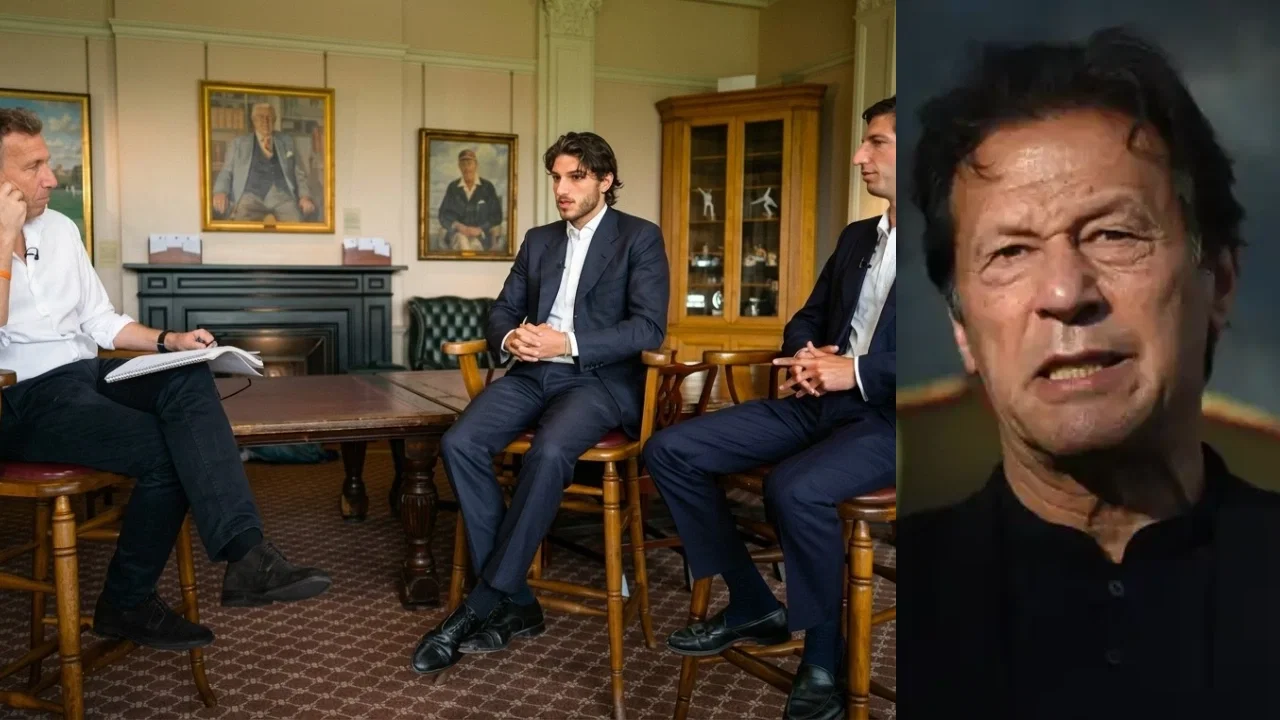
However, the on-field action was overshadowed by a political and diplomatic storm that erupted off the pitch. Central to this upheaval was an interview conducted during the Day 1 lunch break, featuring former Pakistani Prime Minister Imran Khan, which was broadcast via Sky Sports. The interview, which delved into Khan’s political and personal struggles, sparked a fierce reaction from Pakistani officials, leading the PCB to threaten to pull out of the tour and disrupt the remainder of the Test match.
ECB’s Emergency Response and Fears of a Repeat of History
According to reports from the Daily Mail, the ECB’s chief executive, Richard Gould, took the unprecedented step of contacting the UK Foreign Office in an urgent bid to prevent a diplomatic crisis from spilling over into the sporting arena. The ECB feared that Pakistan might refuse to resume play, citing political interference or other grievances, and potentially withdraw from the tour altogether. This situation echoes the infamous 2006 Oval Test, when Pakistan refused to return to the field following a dispute over a ball-tampering decision, resulting in England being awarded the match—a rare and controversial forfeiture in Test cricket history.
In the 2006 incident, tensions flared after Pakistan refused to continue play after tea, protesting a decision involving ball-tampering. The match was ultimately awarded to England, but the incident left a lasting scar on cricket diplomacy. The current scenario threatened to replicate this history, raising predictions of a possible forfeit or suspension, which could have lasting implications for international cricket relations.
The Broadcast Controversy and Political Undercurrents
Adding fuel to the fire, Pakistani broadcasters, including state-run PTV, which used Sky Sports’ international feed, replaced the controversial interview with advertisements for viewers in Pakistan. This move highlighted the sensitive nature of the interview and the political tensions involved. The interview itself featured Imran Khan’s sons, Suleiman and Kasim Khan, who expressed grave concerns about their father’s treatment in prison, raising questions about the intersection of politics, justice, and sports diplomacy.
Insights from Imran Khan’s Family and Political Ramifications
In an exclusive 18-minute interview, Suleiman and Kasim Khan voiced serious concerns about their father’s conditions under detention at Adiala Jail in Rawalpindi. They alleged that Imran Khan, a towering figure in Pakistan’s political landscape, is being kept in solitary confinement for over 23 hours a day and questioned the UK government’s response to his imprisonment.
Imran Khan, who remains a pivotal political figure despite his incarceration since August 2023, was convicted on corruption charges that he vehemently denies. His case has become a flashpoint in Pakistan’s ongoing political drama, with supporters viewing him as a martyr and opponents accusing him of misconduct. The family’s allegations added a new layer of complexity to the ongoing cricket series, transforming it from a purely sporting event into a geopolitical battleground.
Imran Khan’s Legacy: From Cricket Legend to Political Icon
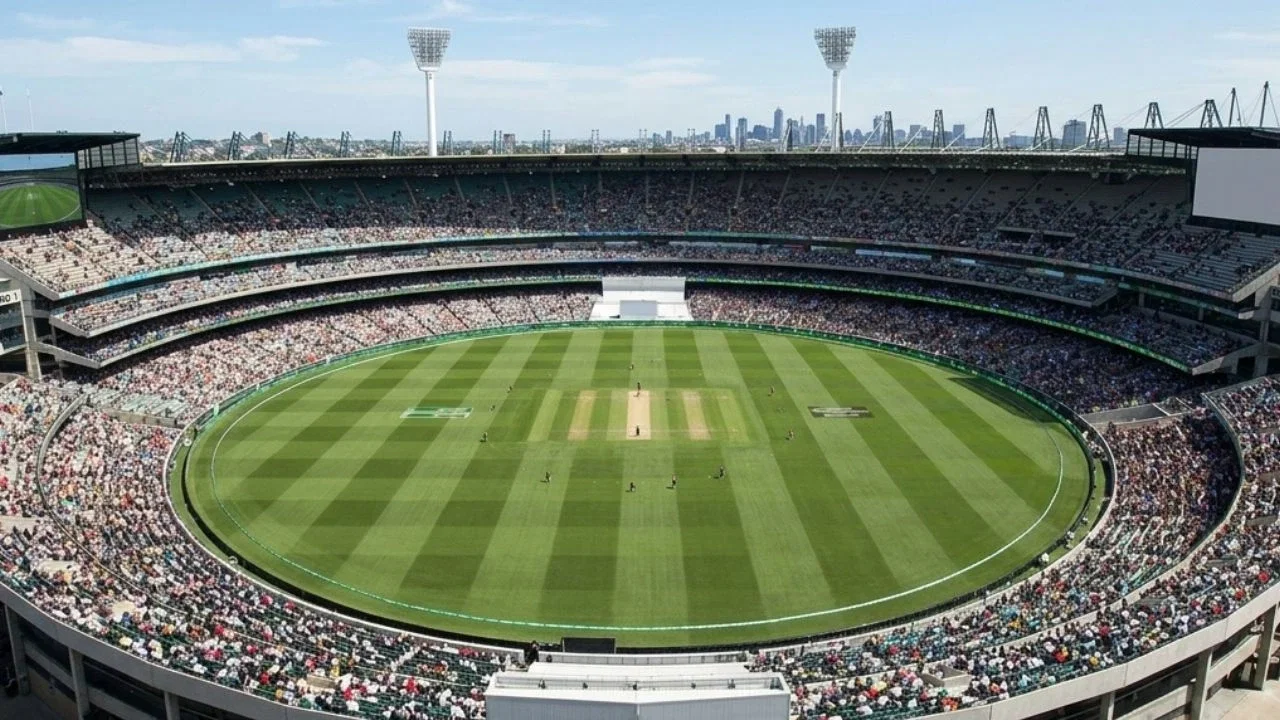
To understand the importance of this prediction and the wider implications, it’s crucial to reflect on Imran Khan’s extraordinary journey. Before his political career, Khan was a legendary cricketer, renowned for his all-round prowess and leadership qualities. Over a 21-year international career, he played 88 Tests and 175 ODIs for Pakistan, scoring over 3,800 runs and claiming 362 wickets. His crowning achievement came in 1992 when he captained Pakistan to their first-ever ODI World Cup victory at the Melbourne Cricket Ground.
During that iconic final, Pakistan faced a precarious position at 24/2. Imran’s resilience and tactical acumen saw him and Javed Miandad stitch a vital partnership, with Khan scoring 72 and Miandad adding 58. Their partnership not only secured the match but also cemented a legacy that transcended cricket—transforming Imran into a national hero and future political leader.
Prediction and Future Outlook: What’s Next for Cricket and Diplomacy?
As the situation continues to unfold, the prediction remains uncertain. The possibility of a complete withdrawal by Pakistan from the tour looms large, which would have significant repercussions for international cricket. Such a move could trigger a domino effect, impacting future bilateral series, sponsorship deals, and the broader cricket calendar.
Moreover, the involvement of political figures and allegations of mistreatment in Imran Khan’s imprisonment have added a geopolitical dimension to the sporting conflict. Experts suggest that the prediction of disruption is increasingly likely, given the escalating tensions and the recent history of cricket-related diplomatic crises.
In the coming days, all eyes will be on the UK Foreign Office and the ICC (International Cricket Council) to mediate and prevent a full-blown crisis. The prediction of how this situation resolves will depend heavily on diplomatic negotiations, the response of the Pakistani authorities, and the willingness of players and officials to de-escalate tensions.
Conclusion: A Turning Point for Cricket Diplomacy
This incident highlights the fragile intersection of sport and politics, where a prediction of disruption could redefine cricket diplomacy in South Asia and beyond. As the ECB seeks government assistance and predictions point toward possible match cancellations or withdrawals, the global cricket community watches with bated breath.
Ultimately, the current crisis underscores the importance of maintaining the spirit of cricket—promoting mutual respect, diplomacy, and understanding—especially amid geopolitical tensions. The prediction of continued unrest serves as a reminder that, in international sport, diplomacy and dialogue must always prevail over conflict and confrontation.
Stay tuned for further updates as this complex and evolving story continues to develop, shaping the future of cricket and international relations alike.
Latest News
BCCI clarifies stand on Sports Governance Act amid OCA poll row
Punjab Kings star recalls complaining to Virat Kohli over less IPL games under Shreyas Iyer
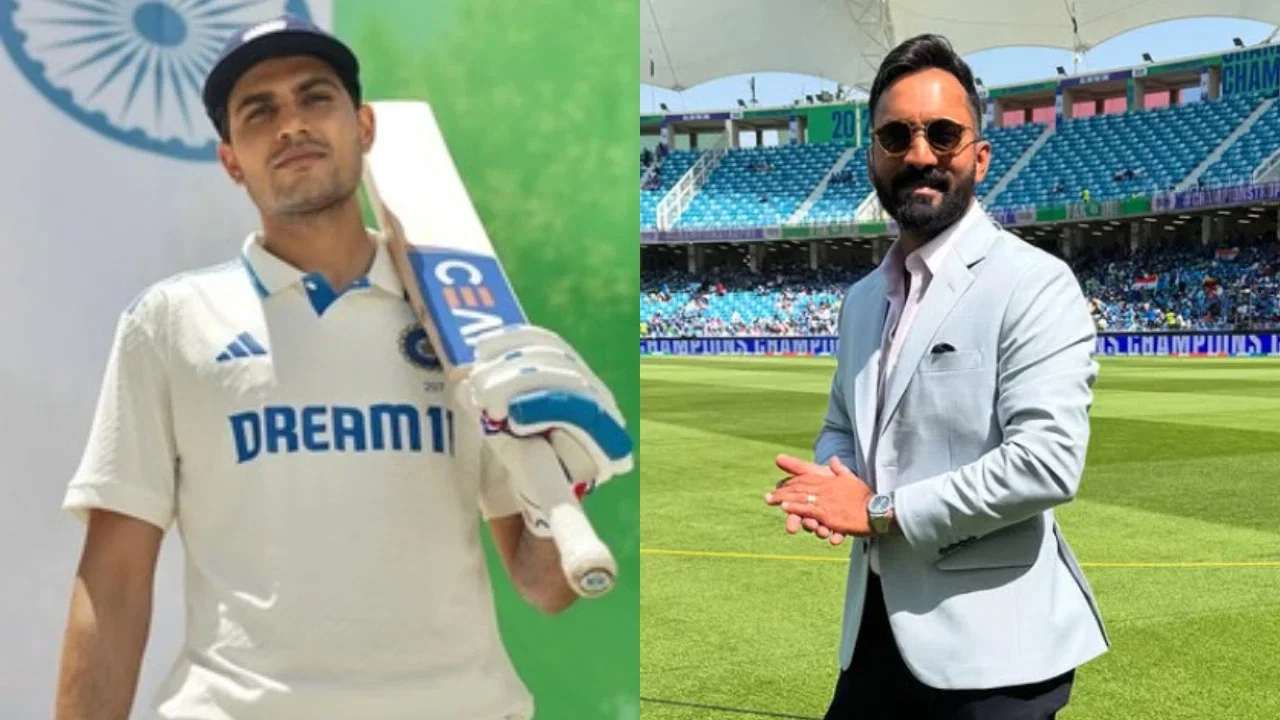
Dinesh Karthik names world’s best all-format cricketers, Shubman Gill IN
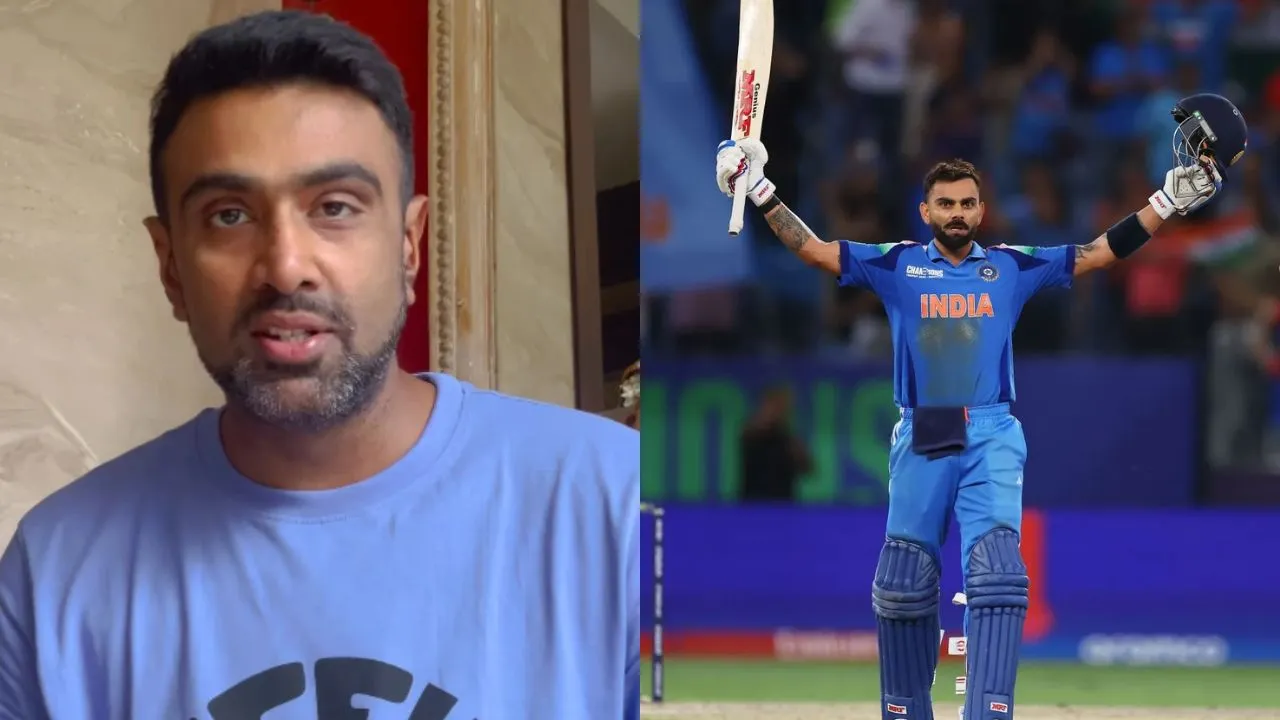
Ravichandran Ashwin picks Sachin Tendulkar as greatest Indian cricketer; snubs Virat Kohli, Jasprit Bumrah
ECB seeks UK government help after PCB threatens Lord’s Test pullout over Imran Khan interview
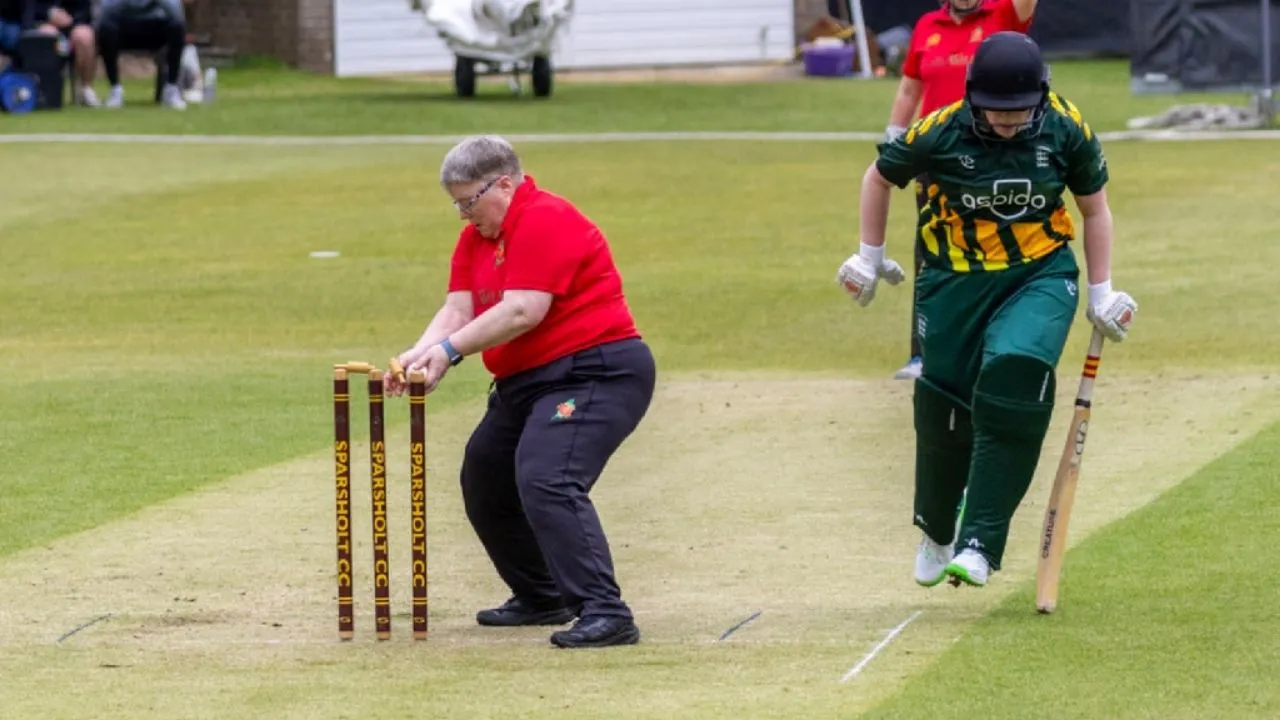
Isle of Man spinner Joanne Hicks becomes oldest bowler to claim international five-wicket haul
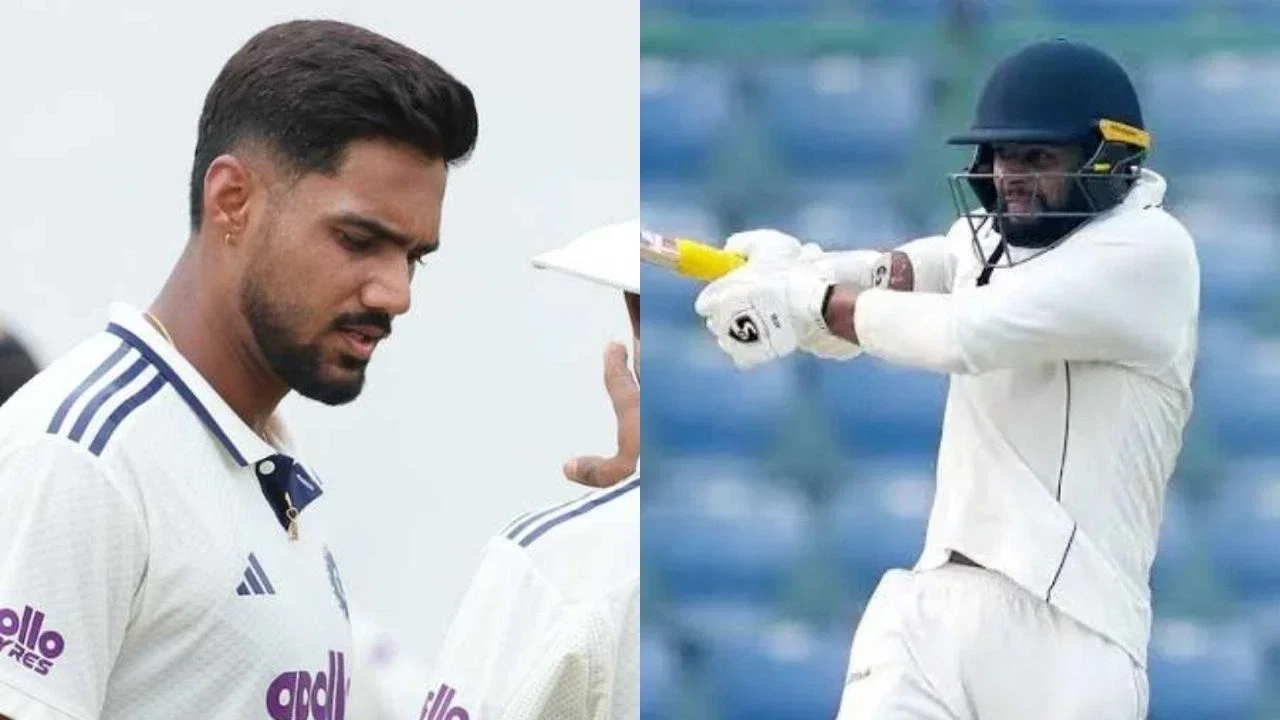
Gurnoor Brar to play Duleep Trophy semi-final, Sanat Sangwan IN, Yash Dhull retained
BCCI issues statement on sending ‘B team’ for Asian Games 2026
Shubman Gill’s declaration plan selfishly blocked by Gautam Gambhir in Colombo Test
Sarfaraz Ahmed addresses PCB’s Lord’s Test boycott threat
Joe Root equals embarrassing world record with seven LBW dismissals
Babar Azam joins elite bowlers’ list as Test century drought extends
RTD vs BWV Dream11 Prediction Today Match, Dream11 Team Today, Fantasy Cricket Tips, Playing XI, Pitch Report, Injury Update- European T20 Cup 2026, Match 6
Ravichandran Ashwin questions Kuldeep Yadav’s omission after Sri Lanka escape with draw