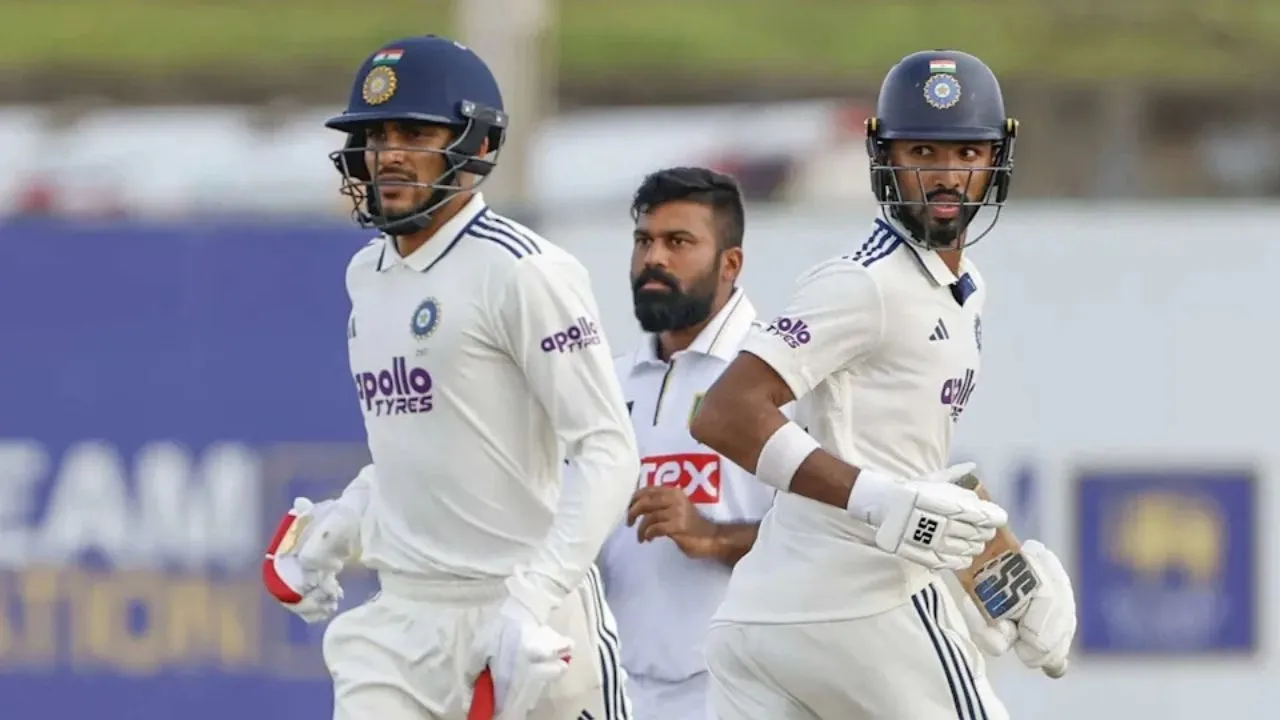
Dinesh Karthik names world’s best all-format cricketers, Shubman Gill IN
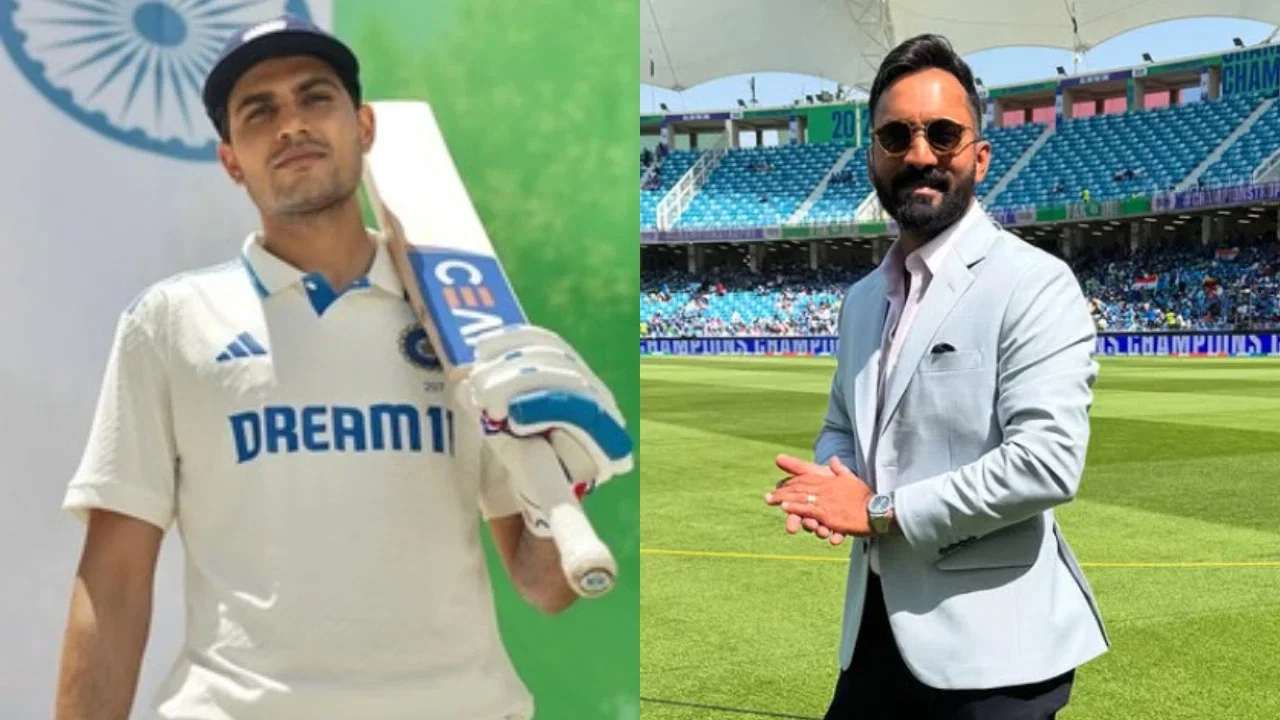
Prediction and Perspectives: Dinesh Karthik Names the Top All-Format Cricketers in Modern Cricket
In the ever-evolving landscape of international cricket, the quest for players who excel across all formats—Test, One Day International (ODI), and T20—is becoming increasingly challenging. Recent discussions among cricketing experts and former players shed light on the current state of multi-format excellence, with Indian wicketkeeper-batsman and cricket analyst Dinesh Karthik providing valuable insights into who the best all-format cricketers are today. His predictions highlight not only individual brilliance but also the shifting dynamics of modern cricket, especially in the context of format specialization and the reduced frequency of certain match types.
Understanding the Challenges of Playing Across Formats
Cricket has traditionally been viewed as a game of adaptability, with players often transitioning seamlessly between formats. However, recent analyses suggest that excelling consistently across all three forms is increasingly difficult. To illustrate this point, former England captain and cricket historian Michael Atherton created a detailed Venn diagram comparing the top 10 players in Test, ODI, and T20 cricket. His analysis reveals a striking pattern: while there is some overlap between Test and ODI specialists, the crossover with T20 cricket is minimal.
Insights from the Venn Diagram: The Format Divide
Atherton explained that his diagram aimed to showcase the inherent challenges of maintaining top-tier performance across different formats. The overlap between Test and ODI players includes notable names such as Joe Root, Shubman Gill, Daryl Mitchell, and Babar Azam—players who have demonstrated consistency in longer and limited-overs formats alike. Conversely, the only player featuring among the top 10 in both Test and T20 rankings is Harry Brook, highlighting the significant gap when it comes to excelling in T20 cricket compared to the other formats.
Most revealing, however, is the scarcity of players who rank among the top 10 in both ODI and T20 cricket. This limited crossover underscores how specialized and distinct each format has become, driven by differing strategic demands, skill sets, and the evolution of cricketing styles.
Expert Perspectives: Dinesh Karthik on the Format Divide
When Atherton posed the question to Dinesh Karthik about the limited crossover across formats, the former Indian cricketer and current cricket analyst responded with a nuanced view. Karthik acknowledged that the divergence between Test and T20 cricket has widened significantly over recent years. “The game is slowly drifting away from the traditional path where players would comfortably straddle formats,” he said. “The reduced amount of ODI cricket also makes it more challenging for players to establish themselves across all three formats.”
Karthik pointed out the unique case of Harry Brook, describing him as an anomaly. “Brook’s ability to adapt his batting tempo to suit both Test and T20 formats is quite remarkable. He almost maintains a consistent approach, which is rare in modern cricket,” he noted. This adaptability is increasingly valuable in a landscape where players are often pigeonholed into specialized roles, making multi-format excellence a rare commodity.
The Evolution of Multi-Format Players: Who Stands Out?
When asked to identify the best three or four all-format cricketers currently active, Dinesh Karthik confidently named Shubman Gill, Travis Head, and Harry Brook as his top choices. He then deliberated over the fourth spot, weighing the credentials of Rachin Ravindra and Yashasvi Jaiswal. Despite Jaiswal’s impressive performances in domestic T20 leagues, Karthik pointed out that his limited involvement in T20 internationals makes him a slightly less obvious choice for a multi-format star at this stage.
Comparing the Contenders: Rachin Ravindra, Jaiswal, Gill, Head, and Brook
Let’s delve deeper into the profiles and career statistics of these standout players to understand why Karthik favored these names:
Harry Brook
With an outstanding Test batting average of approximately 53.63, Brook has established himself as a formidable all-format player. His performances in England and abroad have demonstrated his ability to adapt swiftly to different conditions, making him a key figure in England’s batting lineup across formats.
Yashasvi Jaiswal
Although still early in his international career, Jaiswal has impressed with his aggressive batting style and consistency in domestic T20 leagues, notably the Indian Premier League (IPL). His strike rates and run totals in limited opportunities hint at a promising future, despite limited T20 international exposure.
Rachin Ravindra
This New Zealand all-rounder has shown versatility across formats, with a Test average exceeding 47 and significant contributions in ODIs. His ability to balance batting and bowling makes him a potential candidate for future multi-format success.
Shubman Gill
Gill’s record in ODIs is particularly striking, with over 3,300 runs in 66 innings and a sparkling average of 60.34. His technical prowess and consistency have made him a mainstay in India’s limited-overs setup, and he is increasingly being viewed as a future Test captaincy contender.
Travis Head
As a key figure in Australia’s batting lineup, Head has accumulated over 3,000 runs in ODIs with an average nearing 43. His aggressive approach and ability to anchor innings in Tests add to his reputation as a versatile cricketer.
Prediction: The Future of Multi-Format Cricket
The current landscape indicates a shift towards specialization, with players increasingly tailored to specific formats based on their skills and team strategies. The limited crossover among top-ranked players across formats suggests that cricket’s future may favor more niche specialists rather than universal players.
However, the emergence of adaptable talents like Harry Brook signals that some players can defy the trend, mastering the nuances of multiple formats. Prediction models and cricketing analyses now increasingly focus on identifying and nurturing such versatile players, as they hold the potential to redefine team compositions and strategies in the upcoming years.
What Does This Mean for Cricket Fans and Coaches?
For fans, the prediction is clear: watch out for players who can seamlessly transition between formats, as they are likely to shape the future of international cricket. Coaches and selectors are also adapting, emphasizing not only technical skill but also the mental agility required to succeed across different game styles.
As the game continues to evolve, the ability to excel in multiple formats may become the hallmark of cricketing greatness. The ongoing debate about the best all-format cricketers reflects this shift, with predictions leaning towards a new generation of players who can adapt, innovate, and excel regardless of the format.
Conclusion: A Changing Cricketing Paradigm
The prediction about the top all-format cricketers today underscores a broader trend—cricket is becoming more specialized, yet still values those rare talents capable of mastering every facet of the game. Dinesh Karthik’s insights and Atherton’s analysis highlight that while the path to multi-format excellence is narrower than ever, those who achieve it will be remembered as true cricketing legends.
As cricket continues to evolve, one thing remains certain: adaptability, resilience, and a relentless pursuit of excellence across all formats will define the next generation of cricketing stars. Fans and analysts alike will be watching closely to see who rises to this challenge in the years ahead.
Latest News
BCCI clarifies stand on Sports Governance Act amid OCA poll row
Punjab Kings star recalls complaining to Virat Kohli over less IPL games under Shreyas Iyer
Dinesh Karthik names world’s best all-format cricketers, Shubman Gill IN
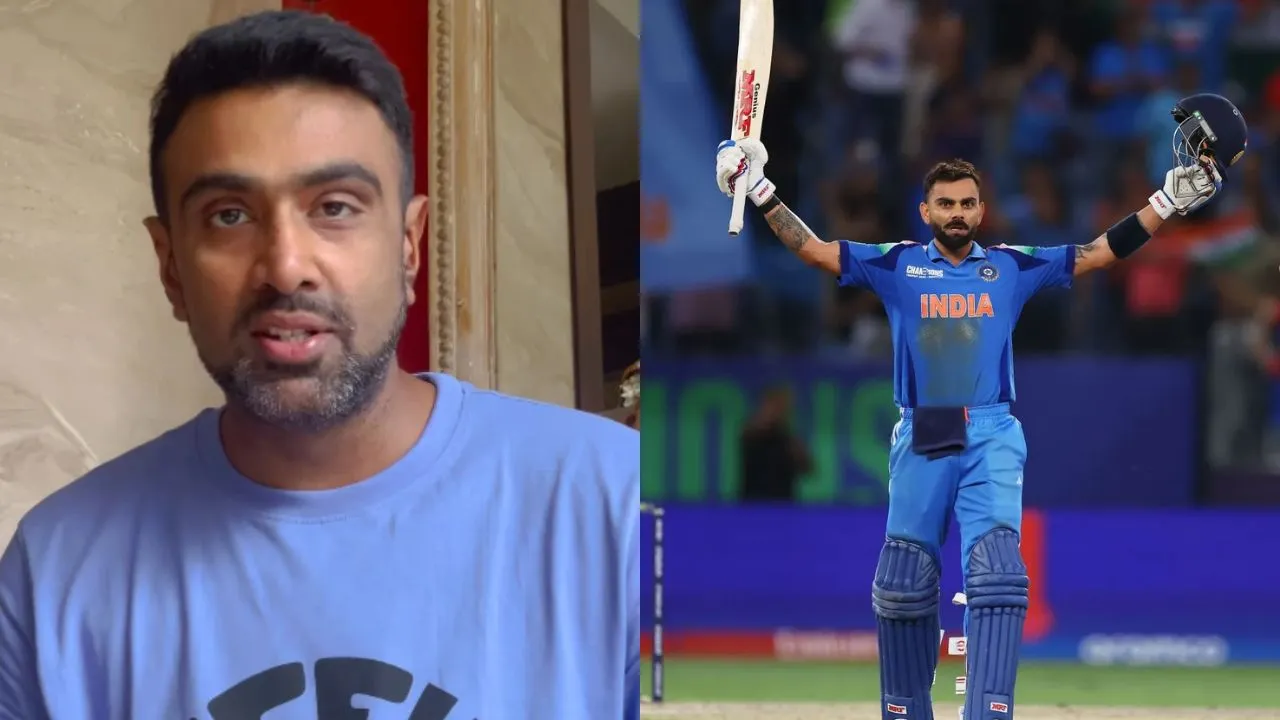
Ravichandran Ashwin picks Sachin Tendulkar as greatest Indian cricketer; snubs Virat Kohli, Jasprit Bumrah
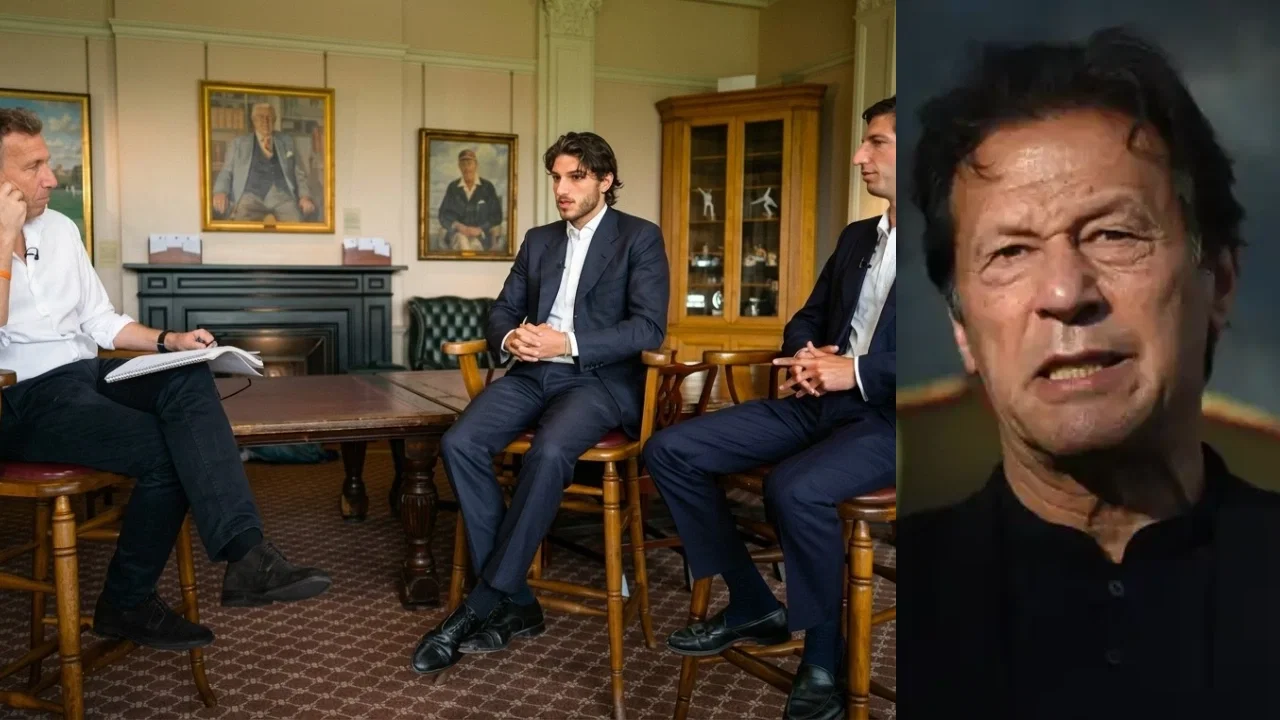
ECB seeks UK government help after PCB threatens Lord’s Test pullout over Imran Khan interview
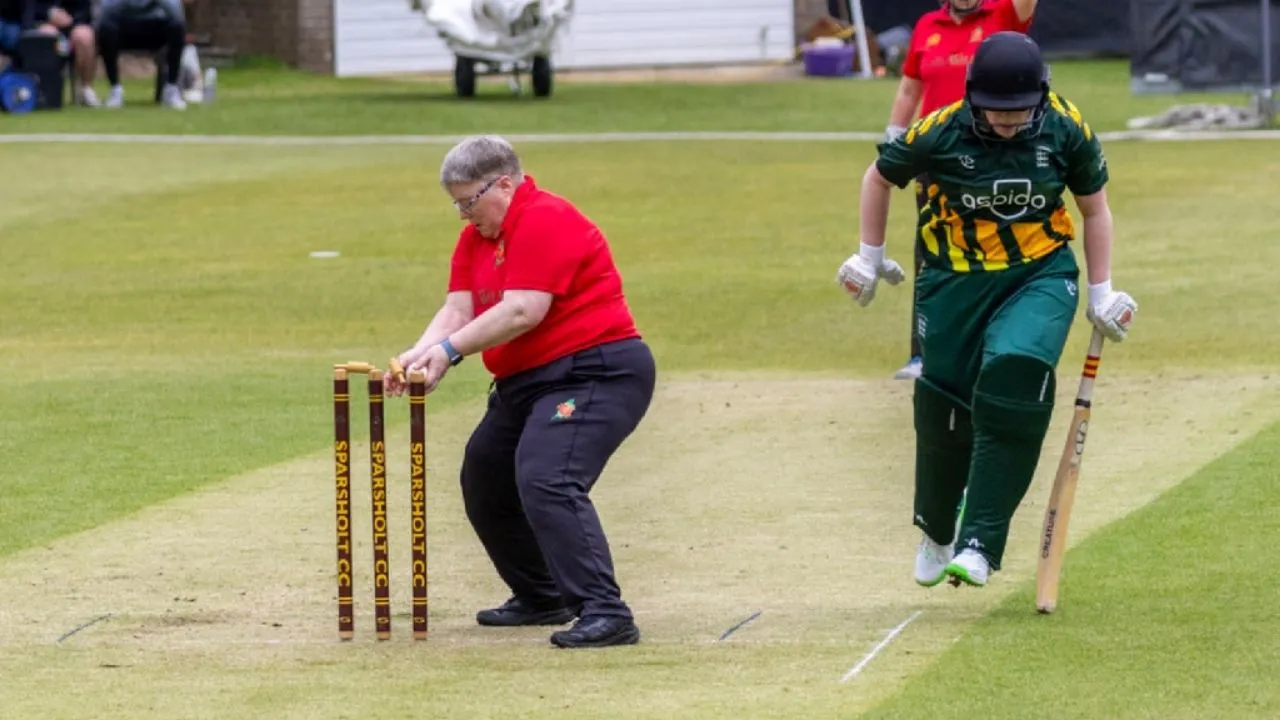
Isle of Man spinner Joanne Hicks becomes oldest bowler to claim international five-wicket haul
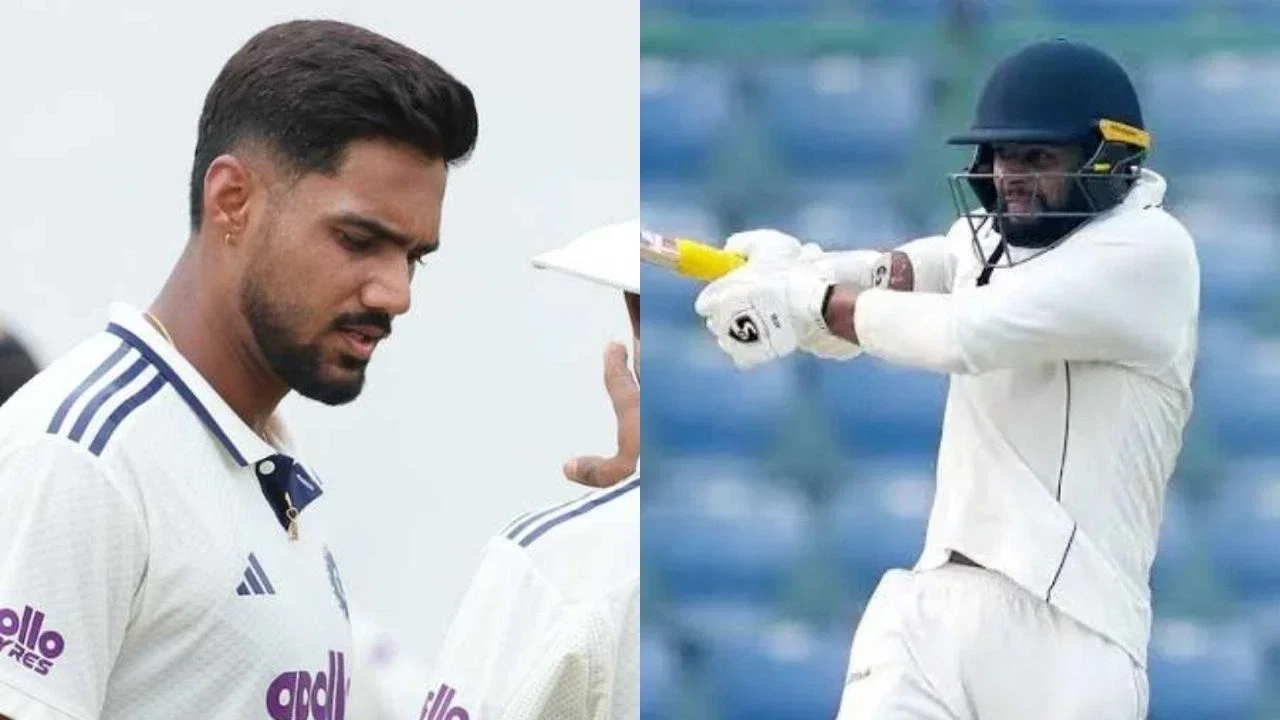
Gurnoor Brar to play Duleep Trophy semi-final, Sanat Sangwan IN, Yash Dhull retained
BCCI issues statement on sending ‘B team’ for Asian Games 2026
Shubman Gill’s declaration plan selfishly blocked by Gautam Gambhir in Colombo Test
Sarfaraz Ahmed addresses PCB’s Lord’s Test boycott threat
Joe Root equals embarrassing world record with seven LBW dismissals
Babar Azam joins elite bowlers’ list as Test century drought extends
RTD vs BWV Dream11 Prediction Today Match, Dream11 Team Today, Fantasy Cricket Tips, Playing XI, Pitch Report, Injury Update- European T20 Cup 2026, Match 6
Ravichandran Ashwin questions Kuldeep Yadav’s omission after Sri Lanka escape with draw