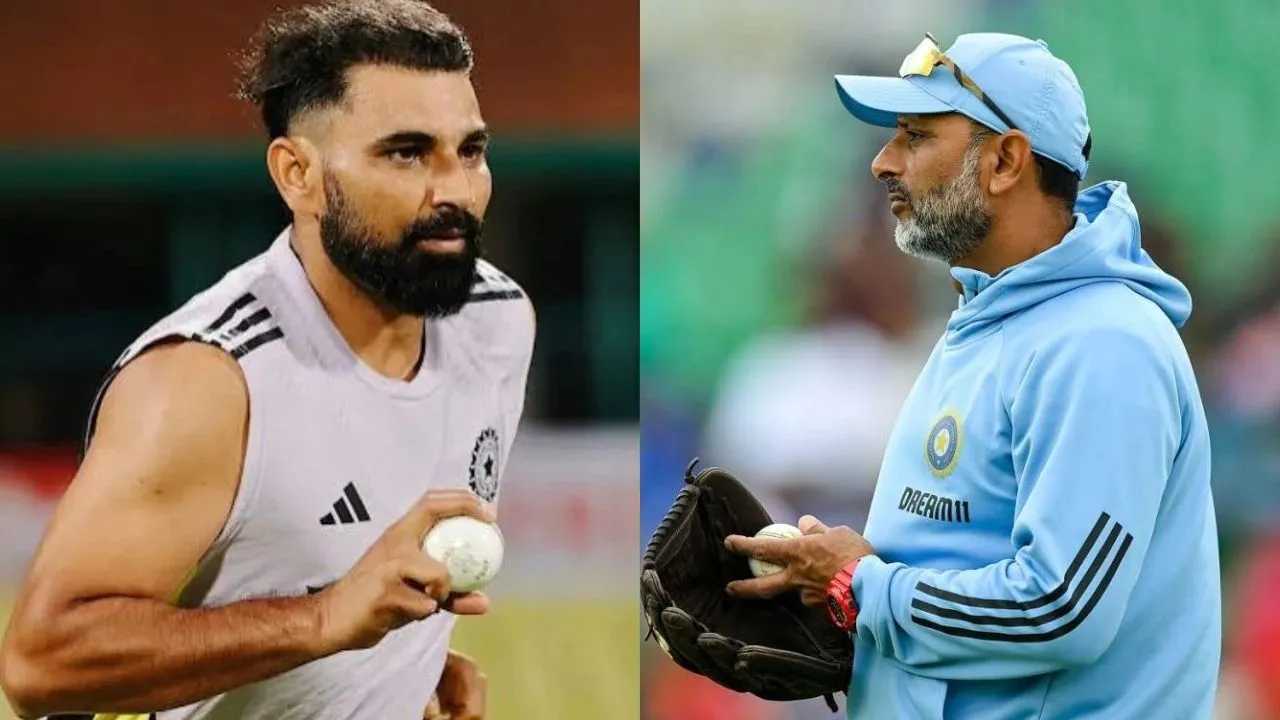
BCCI concerned over Sanju Samson’s weight gain: Report
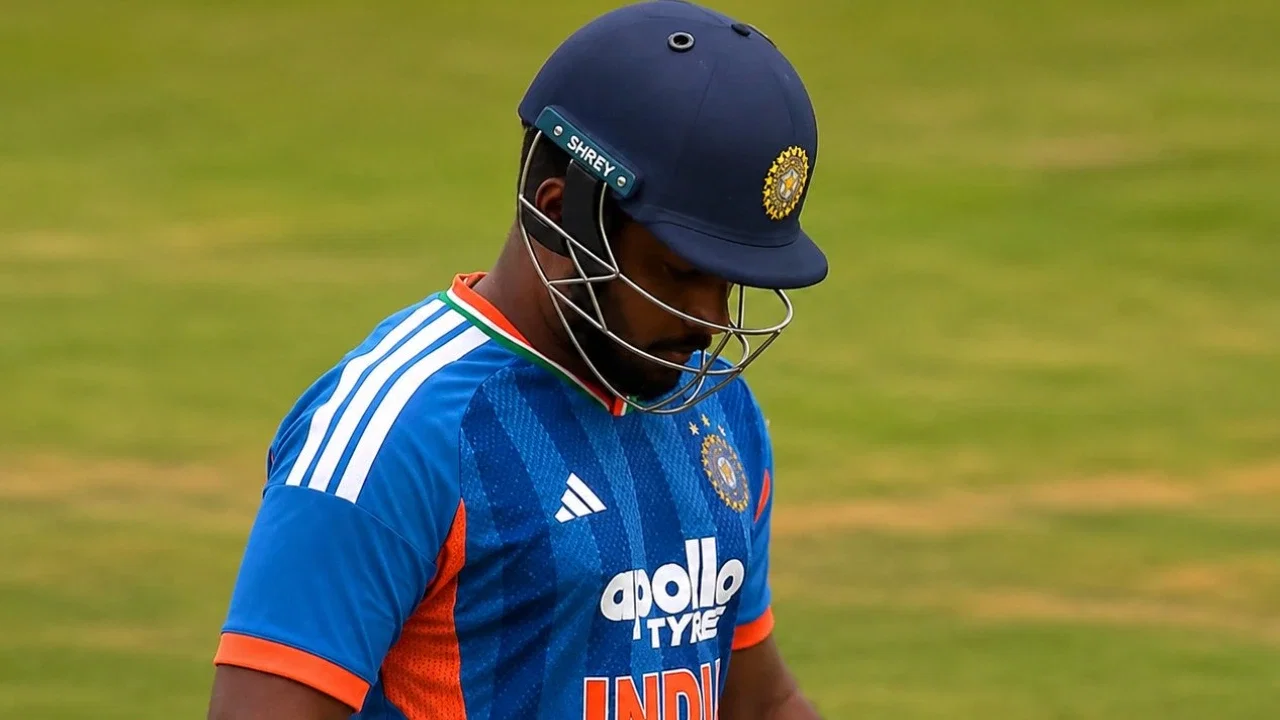
BCCI Expresses Concern Over Sanju Samson’s Fitness
The Board of Control for Cricket in India (BCCI) has raised concerns over the recent weight gain of wicketkeeper-batter Sanju Samson. This issue, along with a lack of communication between the national medical team and players during off-duty periods, has led to ongoing fitness problems within the squad.
Fitness Concerns Raised by BCCI
Following his stellar performance at the ICC Men’s T20 World Cup 2026, where he was awarded the Player of the Tournament, Sanju Samson’s form dipped during the bilateral series against Ireland and England. As a result, he has been rested for the upcoming three-match T20I series against Zimbabwe, scheduled to commence under the leadership of Shreyas Iyer.
According to a report by the Times of India, the Indian team management has expressed worries about the fitness levels of several players, including young talents like Washington Sundar, Harshit Rana, and Nitish Kumar Reddy. The report also highlighted the impact of the communication gap between the medical team and players during their off-duty periods, affecting overall fitness standards.
Concerns Regarding Player Fitness
An unnamed BCCI source stated, “Besides Washington, who has always had fitness issues, it is concerning to see Sanju Samson putting on weight so easily. It is a result of the gap in the system. The overall fielding standard has dropped because of these fitness issues.”
During the recent IPL season, it was reported that Rohit Sharma had to personally check the BCCI’s medical database to identify his hamstring injury after the Mumbai Indians’ medical staff struggled to diagnose the problem for almost a month.
The Need for Improved Communication and Support
The source emphasized the importance of a more hands-on and empathetic approach from the medical team towards players. They suggested that seasoned international cricketers often prefer to train independently rather than seek intervention from the Centers of Excellence (CoE), highlighting the need for improved communication and support mechanisms.
Sanju Samson’s Rollercoaster Performance
Sanju Samson’s form fluctuated following his heroics at the T20 World Cup, where he amassed 321 runs in five innings at an impressive average of 80.25. However, his performances dipped during the subsequent bilateral series, with scores of 0 and 5 against Ireland and just 1 run against England.
While Samson managed to make a comeback in the final T20I against England, scoring 27 off 14 balls, India fell short in the match. The team management has opted to provide opportunities to younger players while managing the workload of senior cricketers.
It is evident that the BCCI is actively addressing fitness concerns within the team and emphasizing the importance of effective communication and support systems to ensure the overall well-being and performance of the players.
The Impact of Fitness on Player Performance
Fitness plays a crucial role in an athlete’s performance on the field. It not only affects their physical abilities but also influences their mental and emotional well-being. In a high-pressure sport like cricket, where split-second decisions can determine the outcome of a match, being in peak physical condition is essential.
Sanju Samson’s recent struggles with fitness highlight the challenges faced by modern cricketers in maintaining their health and conditioning amidst a packed schedule. The demands of international cricket, combined with the rigors of franchise leagues like the IPL, can take a toll on players’ bodies and minds.
The Role of Nutrition and Training in Cricket
Proper nutrition and training are key components of an athlete’s fitness regimen. A well-balanced diet, tailored to meet an individual’s specific needs, can fuel performance and aid in recovery. Strength and conditioning programs designed to enhance agility, speed, and endurance are essential for cricket players to excel in all facets of the game.
In recent years, there has been a shift towards personalized training plans and dietary guidelines for cricketers to optimize their performance and prevent injuries. The emphasis on holistic wellness, including mental health support, has also gained prominence in the sporting world.
The Long-Term Impact of Fitness Mismanagement
If fitness concerns are not addressed promptly, they can have long-term consequences on a player’s career. Injuries, decreased performance, and burnout are common outcomes of neglecting physical and mental well-being. By prioritizing player fitness and well-being, cricket boards and teams can ensure the longevity of their talents and maintain a competitive edge in the sport.
Building a Culture of Wellness in Cricket
Creating a culture of wellness within cricket involves fostering open communication, providing adequate support systems, and promoting a proactive approach to health and fitness. Coaches, medical staff, and administrators play a vital role in educating players about the importance of maintaining their fitness levels and seeking help when needed.
By instilling a sense of responsibility towards their own well-being, cricketers can take ownership of their fitness journey and make informed decisions that benefit their overall performance. Collaboration between players, support staff, and management is essential in building a sustainable framework for player wellness in cricket.
Looking Ahead: The Future of Player Fitness in Cricket
As the landscape of cricket evolves, so too must the approach towards player fitness and well-being. With advancements in sports science, technology, and data analytics, teams have access to a wealth of information to tailor training programs and monitor player health effectively.
By leveraging these tools and resources, cricket boards like the BCCI can proactively address fitness concerns, optimize performance, and nurture the next generation of talent. Through a holistic approach that encompasses physical, mental, and emotional wellness, the future of player fitness in cricket looks promising.
In conclusion, the challenges faced by Sanju Samson and other cricketers underscore the importance of prioritizing player fitness in the sport. By addressing concerns, fostering a culture of wellness, and embracing innovation, cricket can continue to thrive as a physically demanding yet rewarding pursuit for athletes worldwide.
Latest News
Top 10 highest run-chases in T20 cricket history, ft. West Indies’ Ranchi win vs India
Aaryavir Sehwag and Anvay Dravid set to make headlines at U19 Asia Cup 2026

Longest ducks in Test cricket history ft. Nic Maddinson, Shoaib Akhtar
ECB to offer 39 central contracts to England players after Ben Stokes, Mark Wood’s retirement
Steve Smith surpasses Steve Waugh in all-time Test run-scorers’ list

Shane Watson identifies Gautam Gambhir’s biggest problem as India struggle for consistency
Is Bhuvneshwar Kumar in India’s 2027 World Cup plans? Ajinkya Rahane makes revelation

BCCI’s big ₹127 Crore move after injury crisis raises concerns over Team India
Parthiv Patel reveals RCB ignored his Jasprit Bumrah recommendation in IPL 2014 Auction
“Never spoke ill of any faith”: Irfan Pathan hits back at fake news using his name
Nic Maddinson bags 33-ball duck on Test comeback, disappoints George Bailey
Imran Tahir predicts 2027 ICC ODI World Cup Semi-Finalists, snubs India for title
Australia create unwanted history with first all-30-plus Test XI
Ravindra Jadeja returns to Ranji Trophy as Saurashtra announce squad