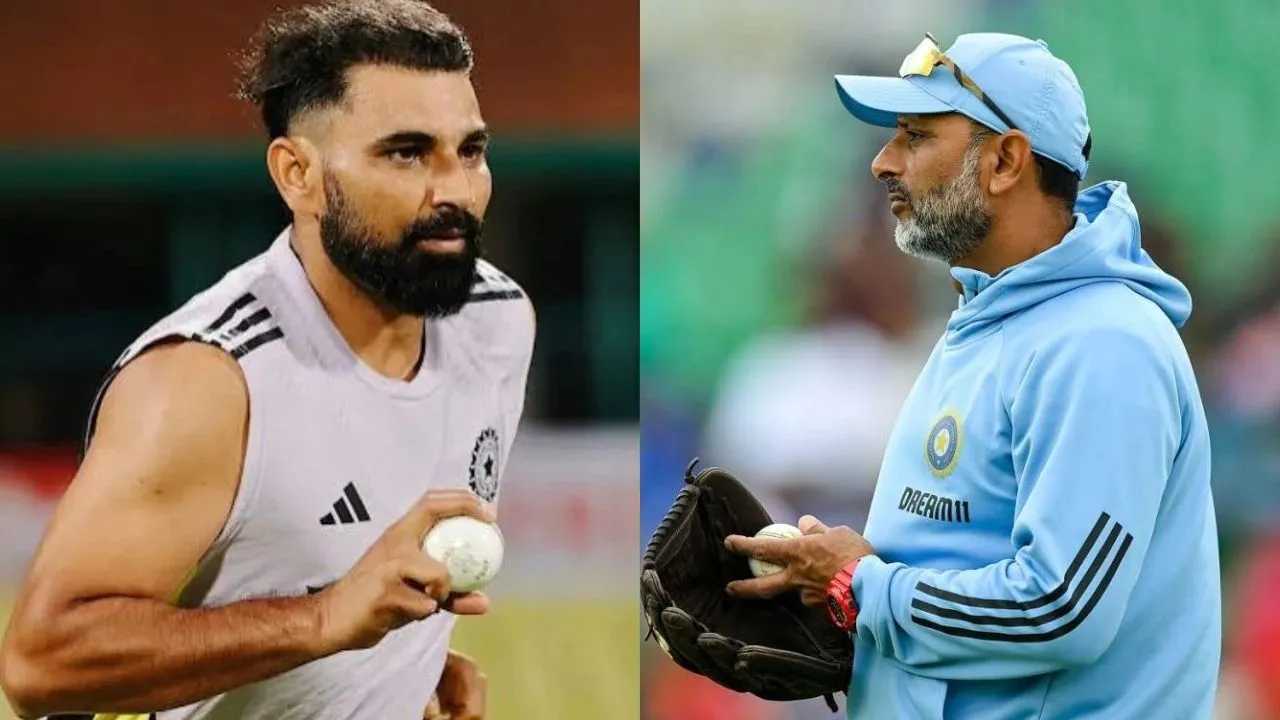
BCCI launches massive crackdown on age fraud; fake documents could lead to ban
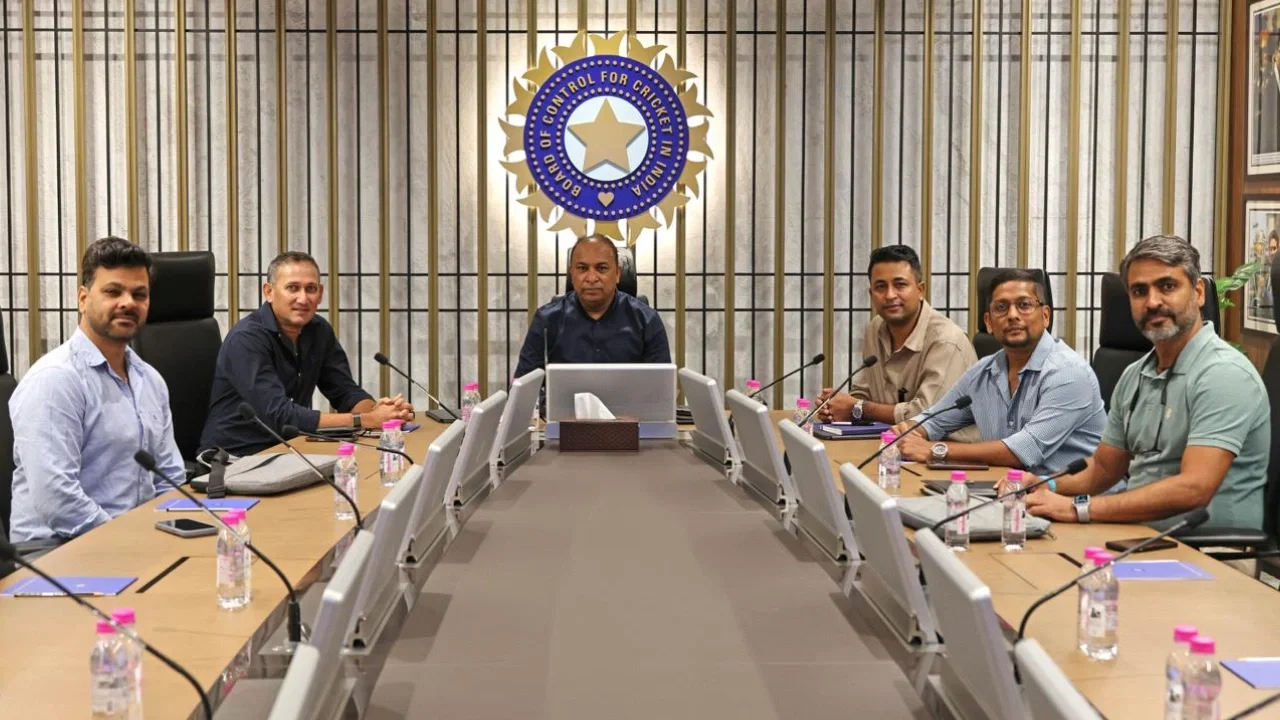
**BCCI Implements Stricter Measures to Combat Age Fraud in Indian Cricket**
The Board of Control for Cricket in India (BCCI) has recently taken bold steps to tackle the prevalent issue of age fraud in Indian cricket. In a bid to ensure the fairness and integrity of age-group tournaments, the board has introduced a comprehensive verification system to scrutinize the documents of young cricketers across the nation.
**Crackdown on Age Fraud**
According to reports by Cricblogger, the BCCI has enlisted the services of an independent agency to verify the records of players competing in various age categories including Under-16, Under-19, and Under-23. Unlike before, where players submitted their own documents, the agency will now independently verify crucial documents such as Aadhaar cards, birth certificates, and school records.
The verification process will involve thorough checks with schools and relevant authorities to validate the authenticity of the provided information. Any discrepancies or instances of falsified documents could lead to severe penalties, including a ban from BCCI tournaments. The board has also mandated biometric verification for all players participating in these age-group competitions to further enhance the verification process.
**Stringent Rules for State Association Transfers**
Additionally, the BCCI has implemented stringent rules for players looking to change their state associations ahead of the 2026-27 domestic season. Those seeking to update their address on their Aadhaar card to switch associations must complete the process before September 1 and serve a mandatory one-year waiting period before becoming eligible to represent their new state team.
**Eliminating Age Fraud**
These measures come in response to the increasing instances of age fraud in Indian cricket, with past cases involving players like Rasikh Salam, Prince Yadav, Manjot Kalra, and Nitish Rana facing repercussions from the board. The BCCI’s objective with these new protocols is to eradicate age fraud from junior cricket and maintain the integrity of the sport.
**Tributes to Retiring Players**
In other news, BCCI Secretary Devajit Saikia paid a heartfelt tribute to Ajinkya Rahane following the cricketer’s retirement from international cricket. Praising Rahane for his leadership and contributions to Indian cricket, Saikia expressed gratitude for the exemplary service the player had rendered to the game and his team.
**Conclusion**
With the implementation of these rigorous measures, the BCCI aims to create a level playing field for young cricketers and uphold the principles of fairness and honesty in the sport. By cracking down on age fraud and enforcing strict regulations, the board is committed to preserving the integrity and credibility of Indian cricket for future generations.
Challenges in Detecting Age Fraud
While the BCCI’s efforts to combat age fraud are commendable, the task of detecting such deceitful practices remains challenging. Many young cricketers, especially those from underprivileged backgrounds, may lack accurate documentation or face difficulties in obtaining authentic birth certificates. In such cases, the verification process becomes even more complex, requiring careful consideration and sensitivity to individual circumstances.
Moreover, age fraud is not just limited to players altering their birthdates. Some individuals may resort to using fake identities or manipulating official records to gain entry into age-group tournaments. These sophisticated tactics pose a significant challenge to cricket authorities tasked with maintaining the integrity of the sport. As technology advances, so do the methods of deception, necessitating continuous vigilance and adaptation on the part of governing bodies.
Educational Initiatives and Youth Development
In addition to verification measures, investing in educational initiatives and youth development programs can play a crucial role in preventing age fraud in Indian cricket. By empowering young cricketers with the necessary skills, resources, and opportunities, the emphasis shifts from falsifying documents to honing their talent and pursuing legitimate avenues for growth.
Creating a transparent and supportive environment for aspiring cricketers can also deter individuals from engaging in unethical practices. By fostering a culture of integrity and fair play from a young age, the cricketing community can instill values that prioritize honesty and sportsmanship above all else.
Collaboration with Stakeholders
Detecting and addressing age fraud requires a collective effort from various stakeholders, including coaches, parents, schools, and local cricket associations. By fostering collaboration and communication among these entities, the BCCI can strengthen its oversight mechanisms and ensure that all parties are aligned in upholding the rules and regulations governing age-group competitions.
Engaging with grassroots organizations and community leaders can also help identify potential instances of age fraud early on and address them proactively. By building a network of support and accountability, cricket authorities can create a more robust system for safeguarding the integrity of the sport and promoting fair play among young athletes.
Future Outlook
As the BCCI continues to refine its measures to combat age fraud in Indian cricket, the focus remains on creating a transparent and equitable playing field for all participants. By staying vigilant, adapting to new challenges, and embracing a culture of integrity, the board sets a strong precedent for the future of the sport.
Through a combination of stringent regulations, educational initiatives, and collaborative efforts, the BCCI is committed to upholding the values of cricket and nurturing a generation of honest and talented players. By eliminating age fraud and instilling a sense of fairness in the game, Indian cricket can continue to thrive and inspire future generations of cricketers.
Latest News
Top 10 highest run-chases in T20 cricket history, ft. West Indies’ Ranchi win vs India
Aaryavir Sehwag and Anvay Dravid set to make headlines at U19 Asia Cup 2026
Longest ducks in Test cricket history ft. Nic Maddinson, Shoaib Akhtar
ECB to offer 39 central contracts to England players after Ben Stokes, Mark Wood’s retirement
Steve Smith surpasses Steve Waugh in all-time Test run-scorers’ list

Shane Watson identifies Gautam Gambhir’s biggest problem as India struggle for consistency
Is Bhuvneshwar Kumar in India’s 2027 World Cup plans? Ajinkya Rahane makes revelation
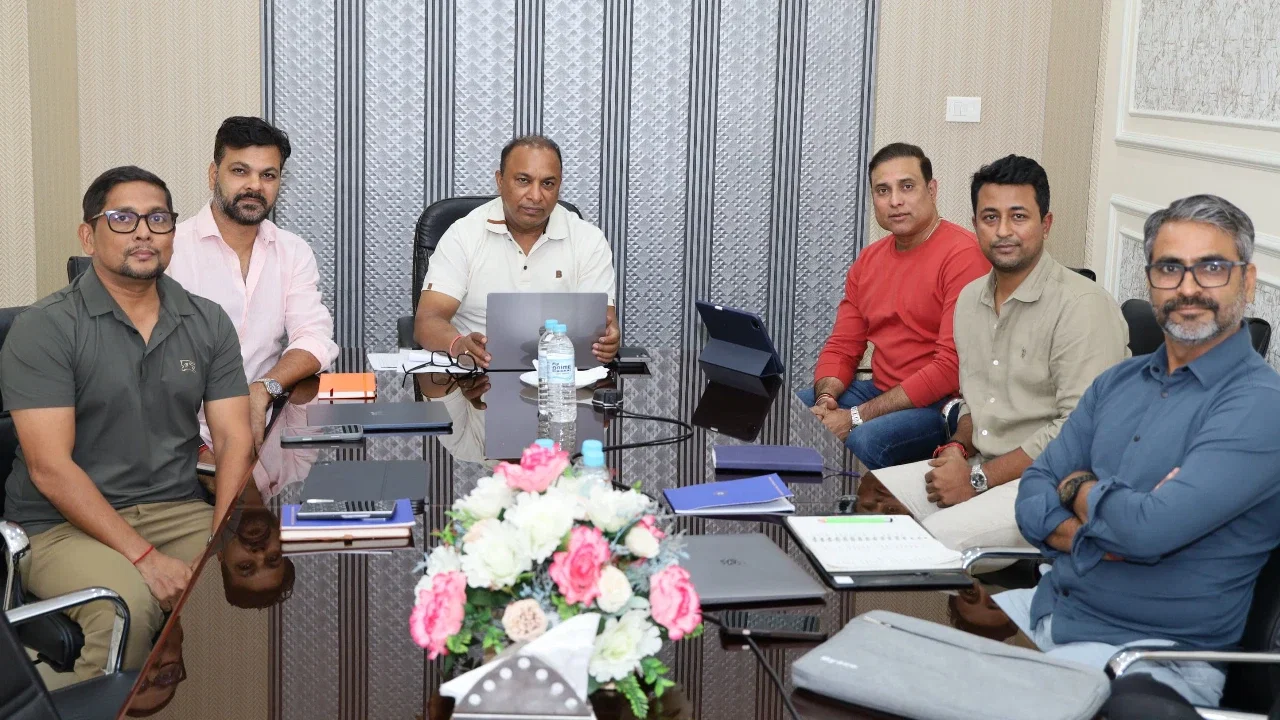
BCCI’s big ₹127 Crore move after injury crisis raises concerns over Team India
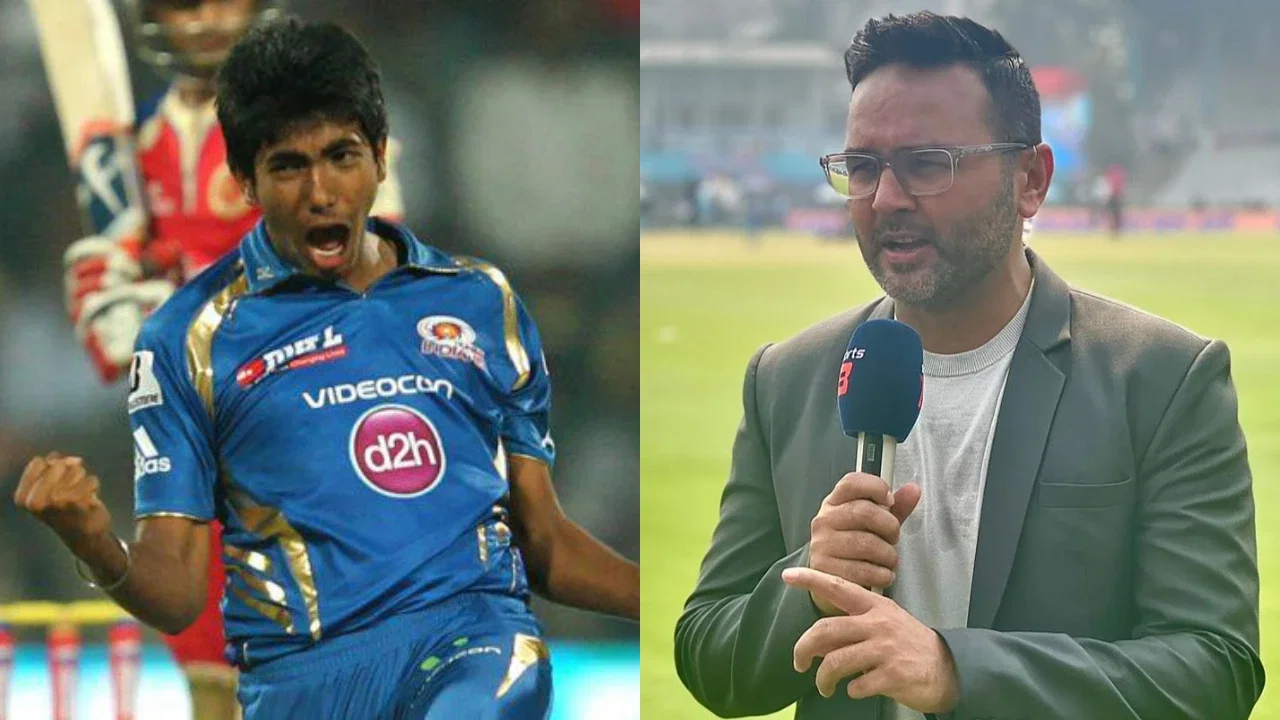
Parthiv Patel reveals RCB ignored his Jasprit Bumrah recommendation in IPL 2014 Auction
“Never spoke ill of any faith”: Irfan Pathan hits back at fake news using his name
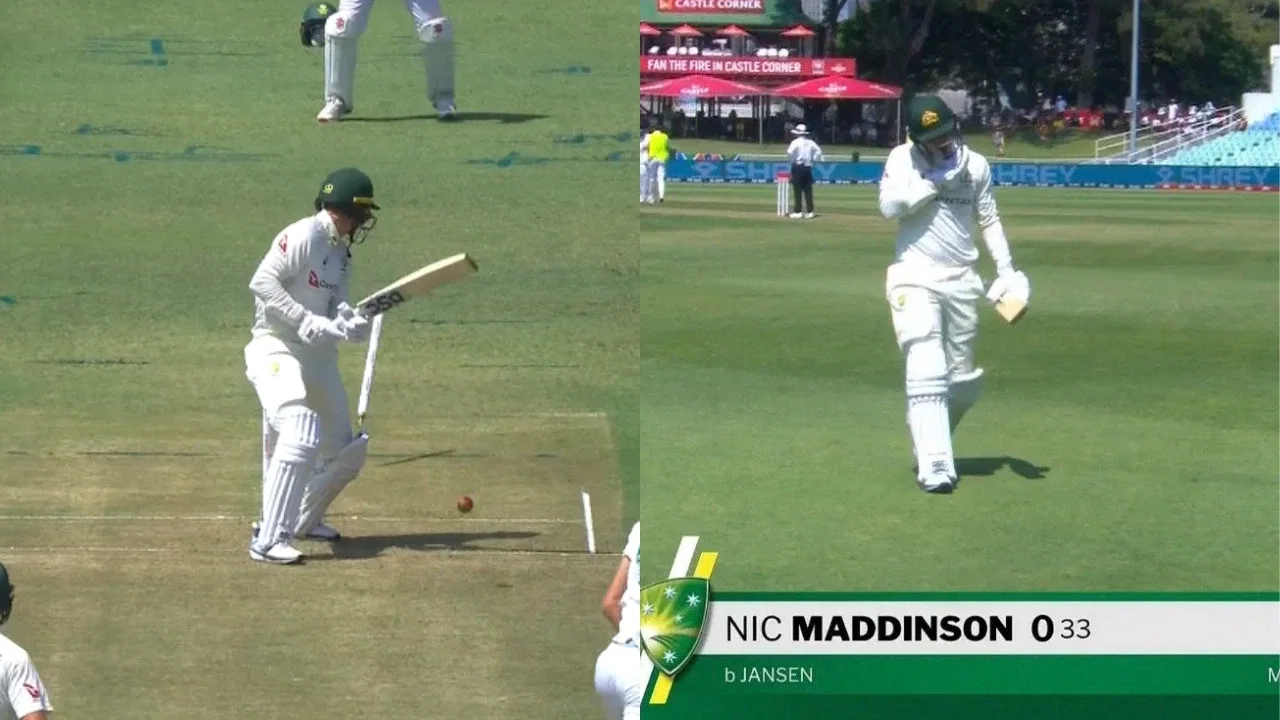
Nic Maddinson bags 33-ball duck on Test comeback, disappoints George Bailey

Imran Tahir predicts 2027 ICC ODI World Cup Semi-Finalists, snubs India for title
Australia create unwanted history with first all-30-plus Test XI
Ravindra Jadeja returns to Ranji Trophy as Saurashtra announce squad