BCCI reacts to Meghalaya Cricket Association sexual harassment case
**BCCI Acknowledges Lifetime Bans on Officials for Sexual Harassment**
The Board of Control for Cricket in India (BCCI) has recently acknowledged the Meghalaya Cricket Association’s (MCA) decision to impose lifetime bans on the head coach and assistant manager of its Under-23 women’s team due to allegations of sexual harassment. This move comes after the state commission found that the actions of head coach Hemant Roy and assistant manager Sanjay Mondal violated the Prevention of Sexual Harassment (POSH) Act, 2013.
**BCCI’s Response to the Allegations**
BCCI Secretary Devajit Saikia confirmed that the board has received an official email from MCA President James PK Sangma regarding the matter. Saikia emphasized the need to verify the facts before deciding on any further action at the national level. He stated, “BCCI doesn’t interfere in all their (MCA) internal matters. However, after proper investigation, if any action needs to be taken, BCCI will take stringent action for sure. BCCI shows zero tolerance (in these matters).”
**Addressing Administrative Failures**
MCA President James PK Sangma admitted to serious lapses in handling the allegations, pointing out that the current administration was not in office when the complaints were first made. Sangma pledged to establish an Internal Complaints Committee (ICC) to better protect women cricketers and prevent such incidents from occurring in the future.
**Allegations and Investigation**
Members of Meghalaya’s Under-23 women’s team initially filed complaints during a domestic tournament in Agartala back in December 2025. The Meghalaya State Commission for Women rejected Mondal’s claim of being heavily intoxicated during the incident, highlighting a lack of valid defense. The commission also criticized former MCA office-bearers for failing to take action despite being informed of the allegations.
**Termination of Officials**
Following the completion of the inquiry by the Meghalaya State Commission for Women, the MCA officially terminated head coach Hemant Roy and assistant manager Sanjay Mondal. Roy was found to have made inappropriate remarks to women players, while Mondal admitted to assaulting a woman cricketer in his hotel room in Agartala. The termination letter issued by the MCA emphasized that such conduct violates the dignity, safety, and fundamental rights of the women players under their care.
**Conclusion**
The decisive action taken by the MCA in banning the officials for life sends a strong message about the zero-tolerance policy for sexual harassment in cricket. The involvement of the BCCI in verifying the facts and potentially taking further action demonstrates the commitment to ensuring a safe and respectful environment for all individuals involved in the sport. The establishment of an Internal Complaints Committee by the MCA reflects a proactive approach towards preventing such incidents and protecting the well-being of women cricketers.
Impact of Lifetime Bans on Addressing Sexual Harassment in Sports
The imposition of lifetime bans on the officials of Meghalaya’s Under-23 women’s team by the MCA has far-reaching implications for the sports industry as a whole. This bold move sets a precedent for holding individuals in positions of power accountable for their actions and sends a clear message that sexual harassment will not be tolerated in any capacity.
By taking decisive action against the head coach and assistant manager, the MCA is not only seeking justice for the affected individuals but also signaling a commitment to creating a safe and inclusive environment for all athletes. This proactive stance aligns with global efforts to address issues of gender-based violence and discrimination in sports, emphasizing the importance of safeguarding the well-being and dignity of athletes at all levels.
Challenges in Addressing Sexual Harassment in Sports
While the actions taken by the MCA are commendable, it is important to recognize that addressing sexual harassment in sports requires a multifaceted approach. Apart from imposing sanctions on individuals found guilty of misconduct, there is a need for comprehensive training programs, robust reporting mechanisms, and a culture of transparency and accountability within sports organizations.
The case of Meghalaya’s Under-23 women’s team highlights the challenges faced by athletes in coming forward with complaints of harassment and the importance of having supportive structures in place to address such issues effectively. It also underscores the need for proactive measures to prevent harassment before it occurs, through education, awareness campaigns, and the establishment of clear codes of conduct.
Role of Governing Bodies in Ensuring Accountability
The involvement of the BCCI in overseeing the investigation and potential actions related to the allegations of sexual harassment is a crucial step towards ensuring accountability within the cricketing community. As the national governing body for cricket in India, the BCCI plays a pivotal role in upholding ethical standards and promoting a culture of respect and fairness in the sport.
By demonstrating zero tolerance for misconduct and emphasizing the importance of thorough investigations, the BCCI sets a precedent for other sports organizations to follow. This proactive approach not only protects the integrity of the sport but also safeguards the rights and well-being of athletes, coaches, and officials across the country.
Looking Ahead: Building Safer Environments for Athletes
As the sports industry continues to grapple with issues of harassment and misconduct, it is imperative for all stakeholders to work together to create safer and more inclusive environments for athletes. This involves not only holding perpetrators accountable but also implementing preventive measures, supporting survivors, and fostering a culture of respect and equality.
In the case of Meghalaya’s Under-23 women’s team, the actions taken by the MCA and the oversight of the BCCI serve as a model for how sports organizations can respond to allegations of sexual harassment effectively. By prioritizing the well-being and rights of athletes, we can ensure that sports remain a positive and empowering space for individuals to thrive and excel.
Latest News
Top 10 highest run-chases in T20 cricket history, ft. West Indies’ Ranchi win vs India
Aaryavir Sehwag and Anvay Dravid set to make headlines at U19 Asia Cup 2026
Longest ducks in Test cricket history ft. Nic Maddinson, Shoaib Akhtar
ECB to offer 39 central contracts to England players after Ben Stokes, Mark Wood’s retirement
Steve Smith surpasses Steve Waugh in all-time Test run-scorers’ list
Shane Watson identifies Gautam Gambhir’s biggest problem as India struggle for consistency
Is Bhuvneshwar Kumar in India’s 2027 World Cup plans? Ajinkya Rahane makes revelation
BCCI’s big ₹127 Crore move after injury crisis raises concerns over Team India
Parthiv Patel reveals RCB ignored his Jasprit Bumrah recommendation in IPL 2014 Auction
“Never spoke ill of any faith”: Irfan Pathan hits back at fake news using his name
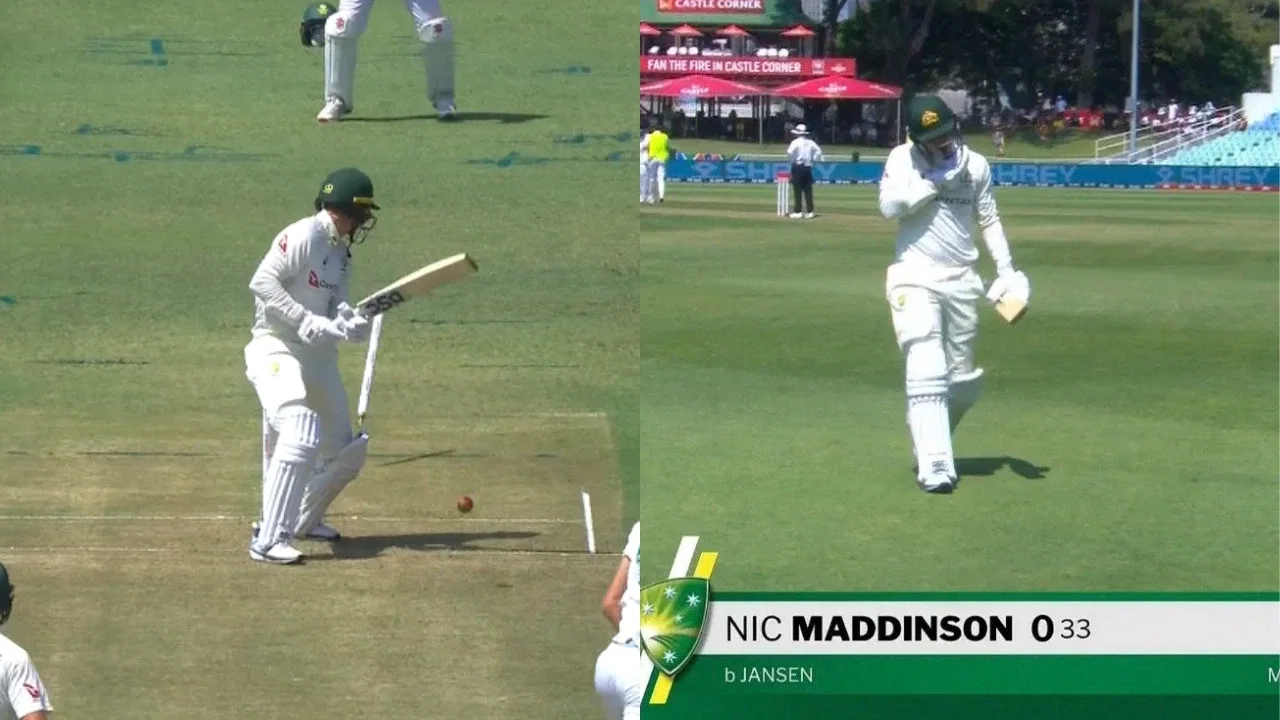
Nic Maddinson bags 33-ball duck on Test comeback, disappoints George Bailey
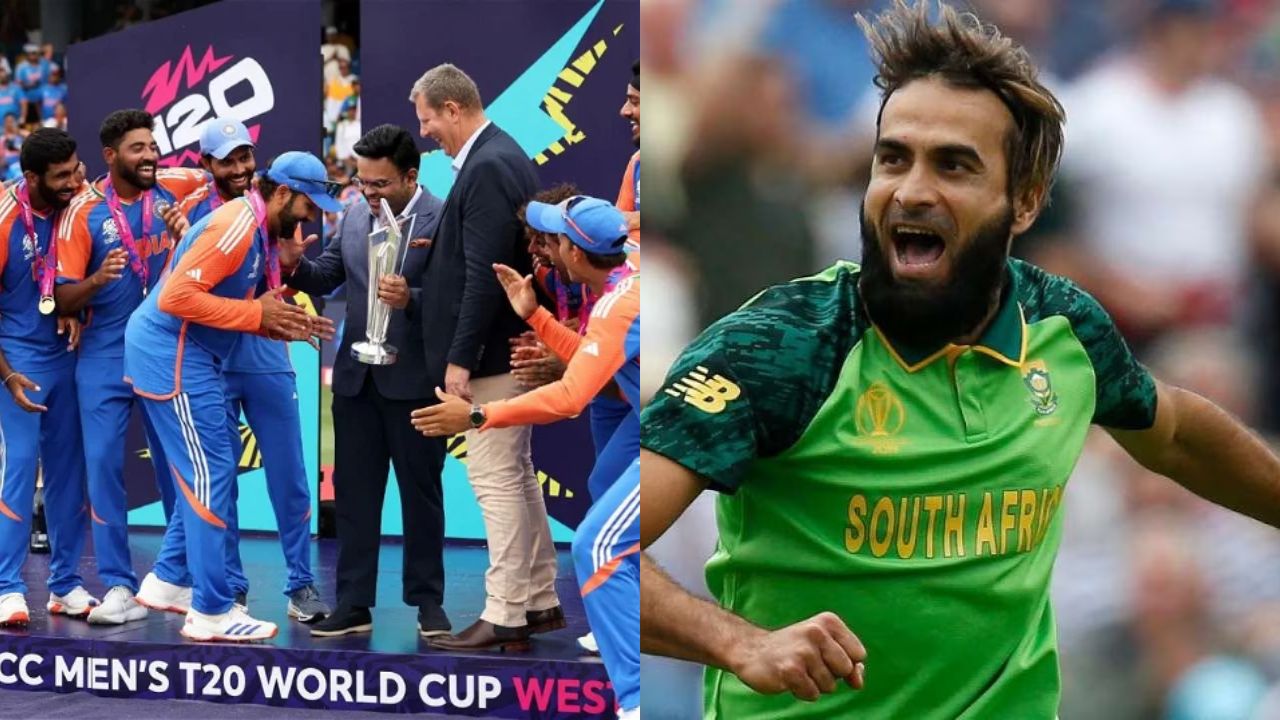
Imran Tahir predicts 2027 ICC ODI World Cup Semi-Finalists, snubs India for title
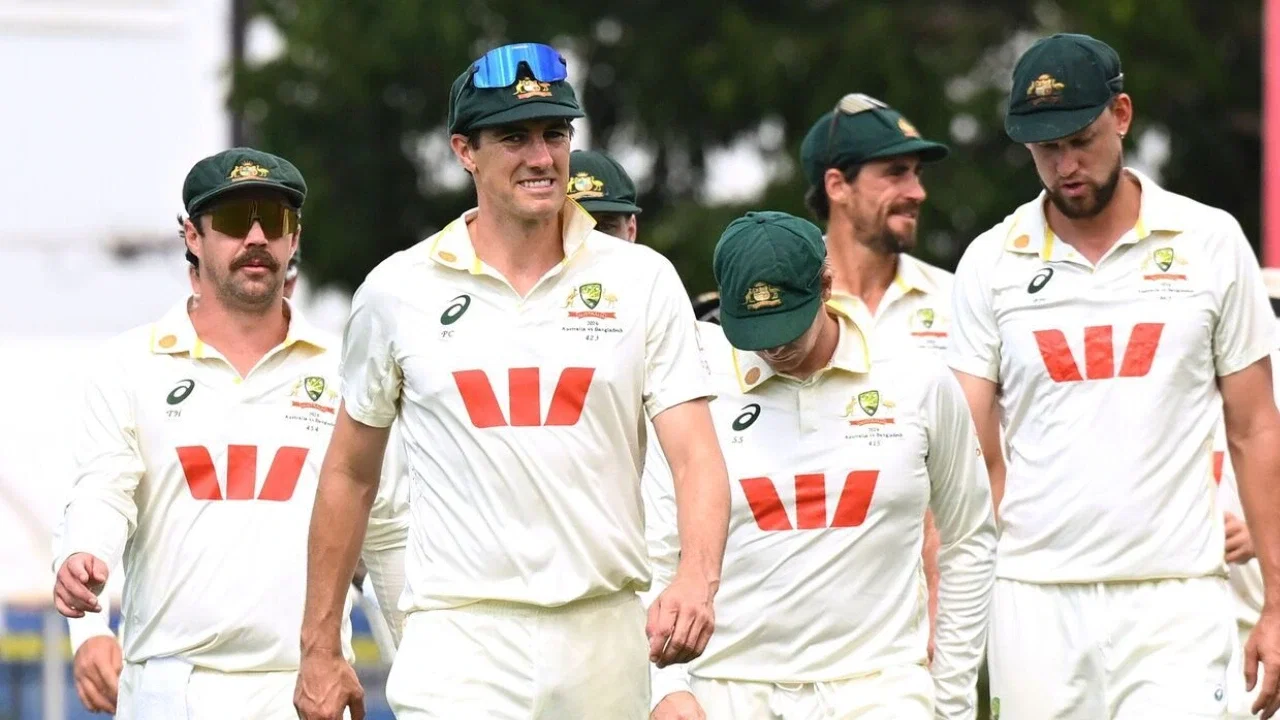
Australia create unwanted history with first all-30-plus Test XI
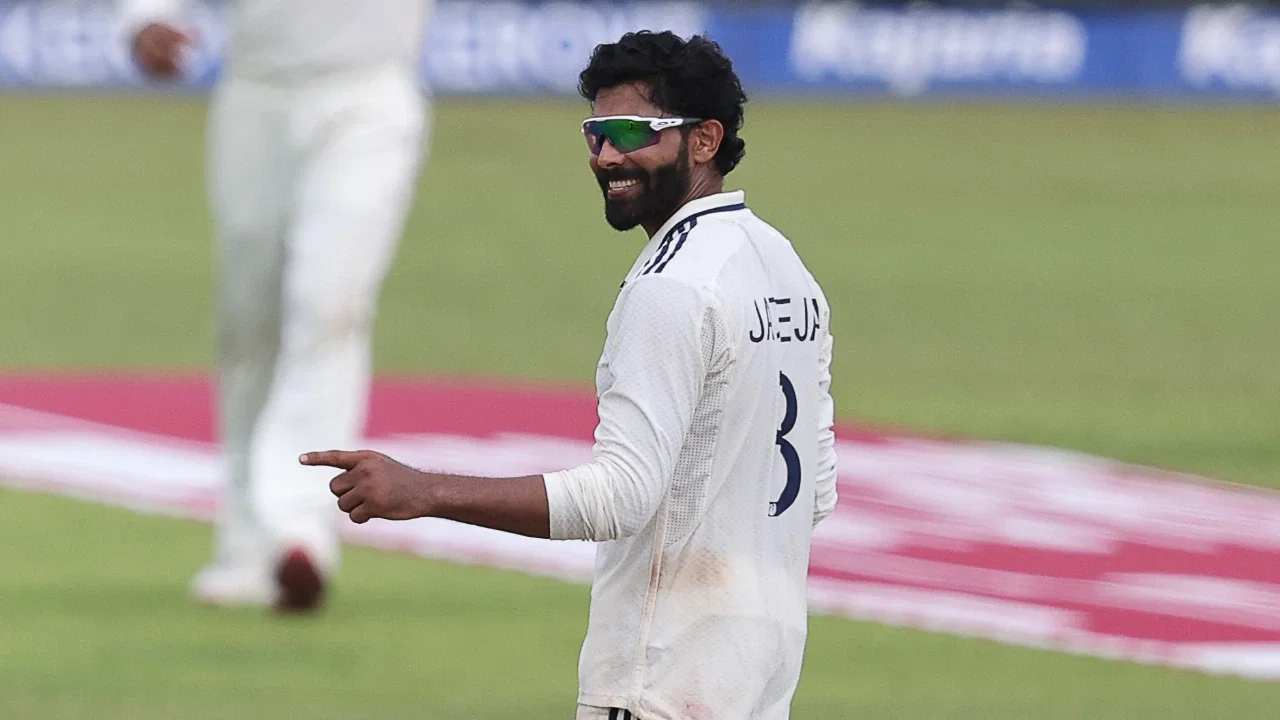
Ravindra Jadeja returns to Ranji Trophy as Saurashtra announce squad