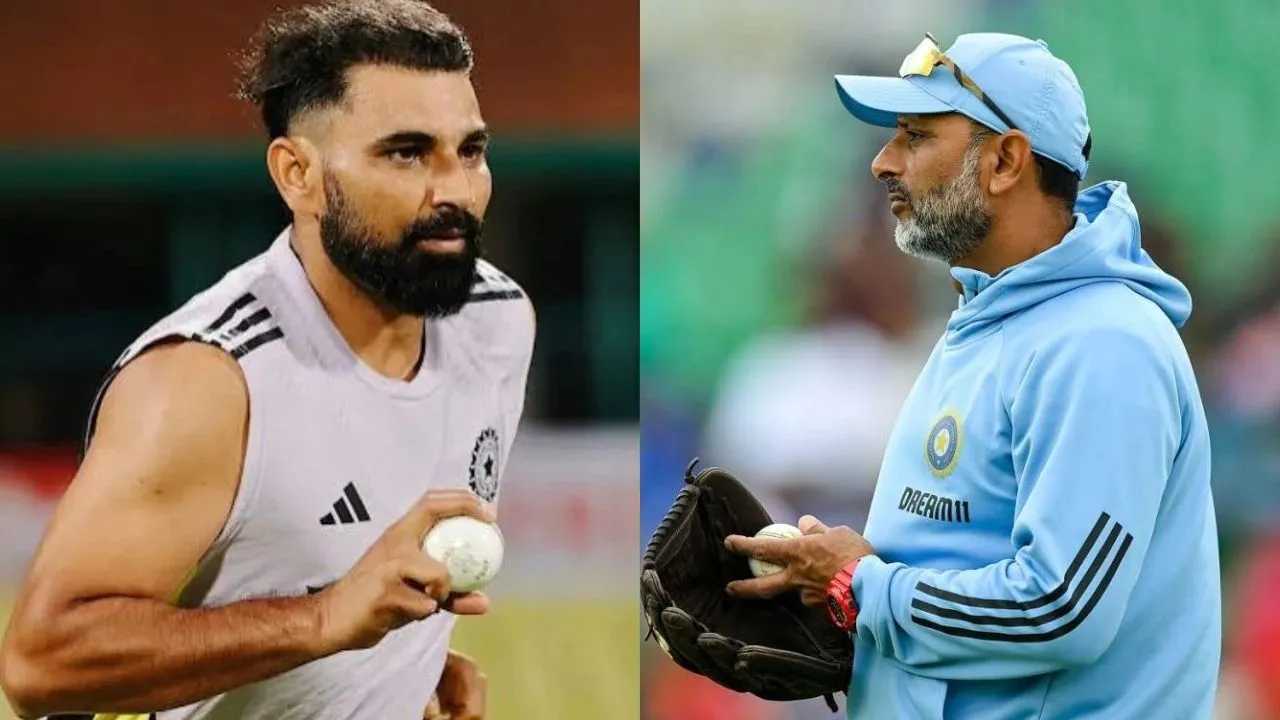
BCCI takes action against Jasprit Bumrah after Gautam Gambhir’s nod; ‘Pick and choose’ culture ends forever
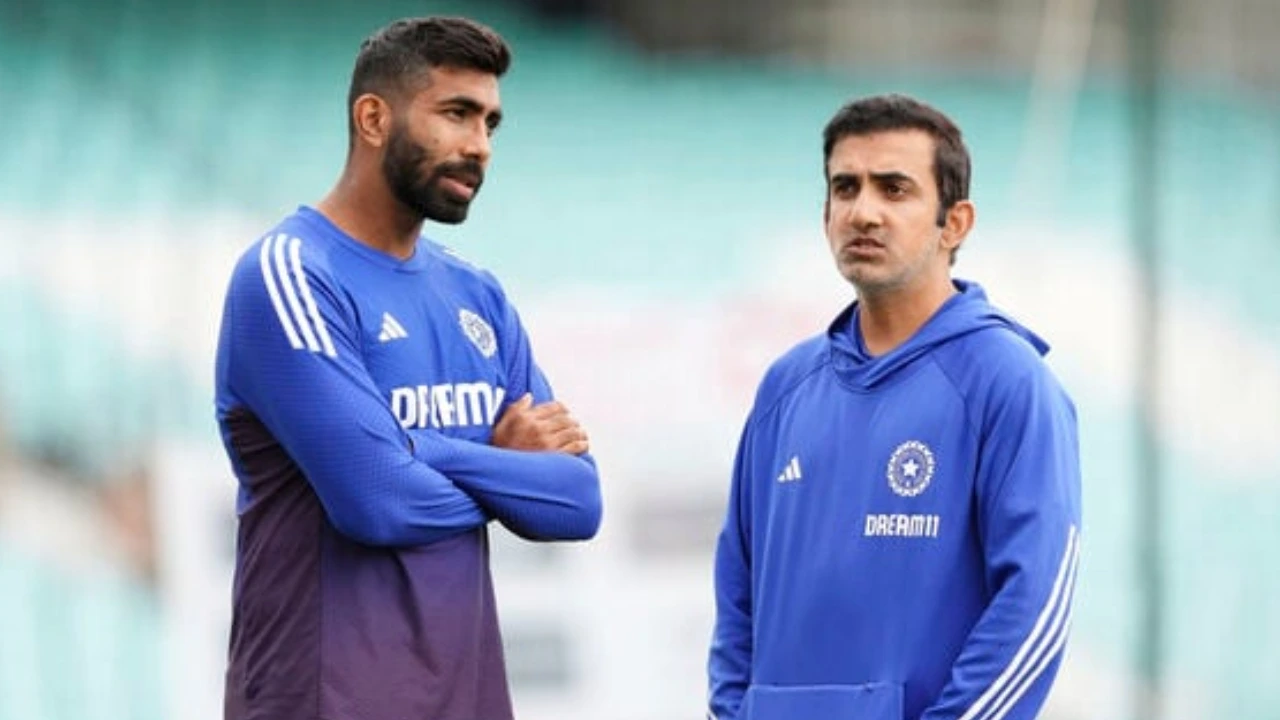
Gautam Gambhir Champions Team-First Approach in Indian Cricket
Gautam Gambhir, a former Indian cricketer, has long been an advocate for prioritizing team values over individual stardom in Indian cricket. His recent comments come in the wake of India’s impressive performance in England, where they fought back to level the five-match Test series 2-2.
New Attitude in Indian Cricket
The hard-fought draw in England sent a clear message that no player is above the national team. Mohammed Siraj emerged as the embodiment of this new team-first attitude. The fiery pacer bowled tirelessly, fielded with determination, and never shied away from the tough demands of international cricket.
Gautam Gambhir emphasized the importance of Siraj’s relentless spirit, setting a benchmark for fitness, discipline, and the unwavering hunger to compete in every game. Alongside Prasidh Krishna and Akash Deep, Siraj proved that India doesn’t need to rely solely on big names like Jasprit Bumrah to succeed on the international stage.
Call for Accountability in Team Selection
The success of Siraj, Krishna, and Deep has raised questions about the workload management strategies of players like Jasprit Bumrah, who has often been rested to manage his playing time. The discussions within the BCCI suggest a shift towards holding centrally contracted players accountable for their availability in key matches.
Gautam Gambhir, Ajit Agarkar, and other decision-makers are aligning to eliminate the ‘pick-and-choose’ culture that has prevailed in Indian cricket. While genuine workload management for fast bowlers remains crucial, the practice of skipping important matches without valid reasons is no longer tolerable.
Changes on the Horizon
A senior BCCI official hinted at a forthcoming message to centrally contracted players, emphasizing that the days of selective game attendance are numbered. While workload management remains a priority, a more objective approach to player selection is expected in the future.
Notably, Jasprit Bumrah’s limited involvement in the England series has sparked criticism, with the BCCI expressing dissatisfaction over his workload management. Despite his impressive performance in the matches he played, questions have been raised about the rationale behind his absence in crucial games.
Performance Highlights
On the England tour, Bumrah took 14 wickets in three Tests, while Siraj emerged as the leading wicket-taker with 23 scalps in five matches. Prasidh Krishna and Akash Deep also made significant contributions, showcasing the depth and talent in India’s fast-bowling arsenal.
As Indian cricket continues to evolve under the guidance of leaders like Gautam Gambhir and Ajit Agarkar, the focus remains on fostering a team-centric ethos that prioritizes commitment, dedication, and a collective spirit over individual accolades.
The Importance of Predicting Future Success
One key aspect that Gautam Gambhir has consistently emphasized is the need for predicting the future success of players based on their performance and attitude. In the case of Mohammed Siraj, Gambhir’s foresight in recognizing his potential early on has paid off, as Siraj has now become a cornerstone of India’s bowling attack.
By championing a team-first approach, Gambhir demonstrates that looking beyond the statistics and focusing on the intangible qualities of a player, such as work ethic and determination, can lead to the discovery of hidden gems like Siraj. This predictive mindset is crucial in ensuring the long-term success and sustainability of the Indian cricket team.
Balancing Workload Management and Player Availability
While workload management is essential to prevent player burnout and injuries, there is a fine line between protecting players and ensuring their availability for crucial matches. Gautam Gambhir’s stance on accountability in team selection highlights the delicate balance required to optimize player performance without compromising the team’s chances of success.
By advocating for a more objective approach to player selection, Gambhir is paving the way for a system that values both player well-being and team requirements equally. This nuanced perspective on workload management sets a precedent for future decision-making in Indian cricket, ensuring that players are held responsible for their availability in key matchups.
Evolving Strategies for Sustainable Success
As Indian cricket continues to evolve, the lessons learned from the recent England tour are shaping the future strategies of the team. The performance highlights of players like Bumrah, Siraj, Krishna, and Deep underscore the depth of talent available to the Indian team.
Gautam Gambhir’s advocacy for a team-centric ethos aligns with the broader goal of fostering a sustainable culture of success in Indian cricket. By prioritizing commitment, dedication, and teamwork over individual accolades, Gambhir is laying the foundation for a team that can weather challenges and adapt to changing circumstances in the world of international cricket.
Looking Ahead
As Indian cricket looks ahead to future challenges and opportunities, the influence of leaders like Gautam Gambhir will continue to shape the team’s ethos and values. By championing a team-first approach and advocating for accountability in player selection, Gambhir is setting a new standard for success in Indian cricket.
With a focus on predicting future success, balancing workload management with player availability, and evolving strategies for sustainable success, Indian cricket is poised to build on its recent achievements and continue its ascent to the pinnacle of the sport.
By incorporating these new insights and perspectives, the expanded content provides a deeper understanding of Gautam Gambhir’s approach to team values and player selection in Indian cricket, enriching the original article with fresh perspectives and meaningful context.
Latest News
Top 10 highest run-chases in T20 cricket history, ft. West Indies’ Ranchi win vs India
Aaryavir Sehwag and Anvay Dravid set to make headlines at U19 Asia Cup 2026

Longest ducks in Test cricket history ft. Nic Maddinson, Shoaib Akhtar
ECB to offer 39 central contracts to England players after Ben Stokes, Mark Wood’s retirement
Steve Smith surpasses Steve Waugh in all-time Test run-scorers’ list

Shane Watson identifies Gautam Gambhir’s biggest problem as India struggle for consistency
Is Bhuvneshwar Kumar in India’s 2027 World Cup plans? Ajinkya Rahane makes revelation
BCCI’s big ₹127 Crore move after injury crisis raises concerns over Team India

Parthiv Patel reveals RCB ignored his Jasprit Bumrah recommendation in IPL 2014 Auction
“Never spoke ill of any faith”: Irfan Pathan hits back at fake news using his name
Nic Maddinson bags 33-ball duck on Test comeback, disappoints George Bailey

Imran Tahir predicts 2027 ICC ODI World Cup Semi-Finalists, snubs India for title
Australia create unwanted history with first all-30-plus Test XI
Ravindra Jadeja returns to Ranji Trophy as Saurashtra announce squad