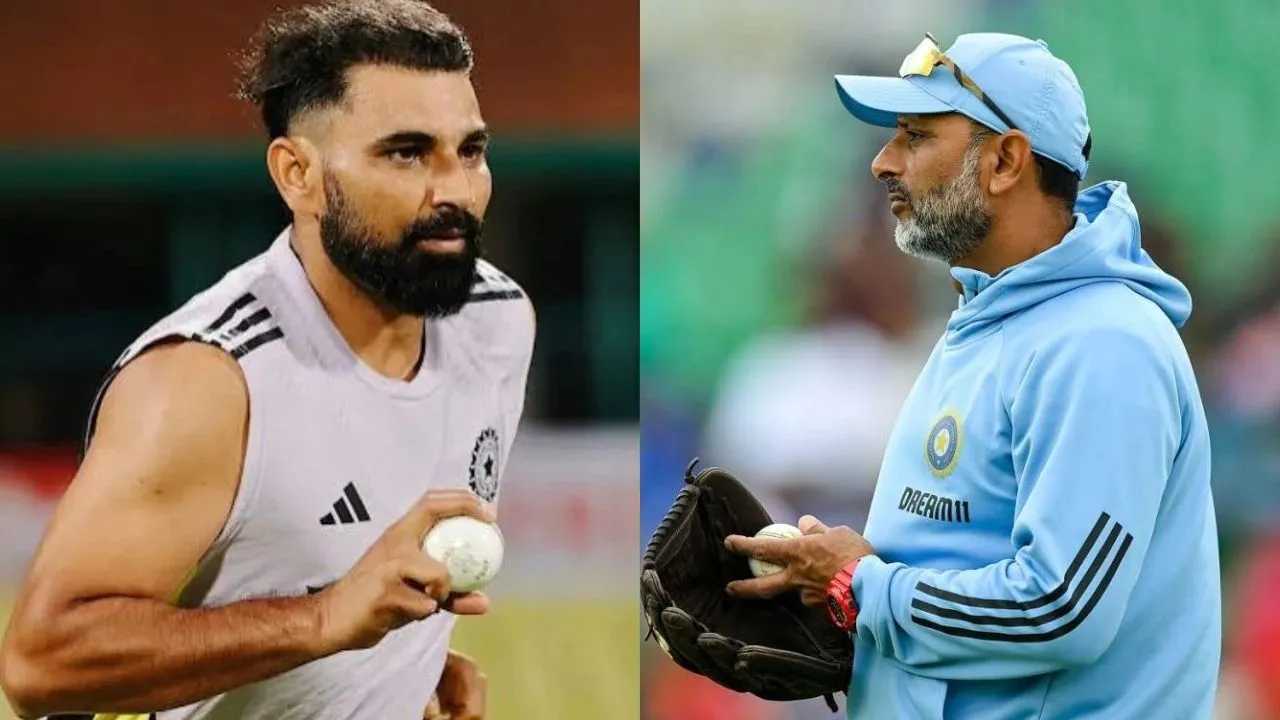
BCCI’s ‘girlfriend culture’ crackdown: Why new rules are being introduced in IPL 2026

BCCI to Introduce Stricter Rules Against “Girlfriend Culture” in Indian Cricket
The Board of Control for Cricket in India (BCCI) is gearing up to implement stricter regulations aimed at curbing the trend of players’ girlfriends accompanying them during tournaments, particularly during the Indian Premier League (IPL). The move comes in response to concerns over discipline, information leaks, and influencer activity within the cricketing community.
Players Under Scrutiny
Several high-profile cricketers, including names like Hardik Pandya, Arshdeep Singh, Yashasvi Jaiswal, and Ishan Kishan, have been in the spotlight for being seen with their girlfriends during recent tournaments. This has raised questions about the impact of personal relationships on players’ focus and professionalism.
While the BCCI previously allowed partners and family members to accompany players on tours, the board is now considering a more stringent approach when it comes to girlfriends staying in team hotels. This move aims to uphold a higher level of discipline and prevent potential information leaks that could compromise the integrity of the game.
ACU Directive Raises Eyebrows
Interestingly, a conversation between a BCCI official and an Anti-Corruption Unit (ACU) officer revealed that there were instructions to permit wives and “officially announced girlfriends” to stay together in team hotels. This revelation came as a surprise to the BCCI official, prompting discussions about the need for clearer guidelines regarding players’ companions during tournaments.
Previously, girlfriends were not allowed to stay in team hotels during the IPL, but recent changes in protocols have led to a shift in this policy. Concerns have also been raised about the potential influence of some companions who may be promoting betting platforms, raising further red flags about maintaining a professional and ethical environment within the cricketing community.
Challenges in Monitoring Players
One of the main challenges highlighted in the report is the difficulty in monitoring players, especially during the fast-paced and high-pressure environment of the Indian Premier League. While international tours are closely managed with robust supervision from the ACU, the privately run IPL franchises operate with limited central control, leading to potential lapses in discipline.
Instances where team buses reportedly wait for players’ girlfriends have been cited as examples of the relaxed environment that could undermine the professionalism of the squads. With social media influencers also accompanying players, there is a growing concern about the leakage of sensitive information that could result in serious controversies if not addressed promptly with stricter regulations.
In conclusion, the BCCI’s decision to crack down on the “girlfriend culture” in Indian cricket reflects a broader effort to maintain the integrity and professionalism of the sport. By implementing stricter rules and guidelines around players’ companions during tournaments, the board aims to mitigate risks associated with discipline, information leaks, and external influences that could potentially tarnish the reputation of the game.
Impact on Players and Team Dynamics
While the BCCI’s move to enforce stricter rules regarding players’ girlfriends may aim to enhance discipline and professionalism, it also raises questions about the impact on the players themselves. Personal relationships can provide much-needed support and stability to athletes, and separating them from their partners could potentially affect their mental well-being and performance on the field.
Moreover, the presence of girlfriends during tournaments can also contribute positively to team dynamics. A supportive partner can help players relieve stress, maintain a healthy work-life balance, and provide a sense of camaraderie within the squad. By completely restricting players from having their girlfriends around, the BCCI risks alienating individuals and potentially disrupting team cohesion.
Broader Societal Implications
The BCCI’s decision to crack down on the “girlfriend culture” in Indian cricket also sheds light on broader societal attitudes towards relationships and gender roles. By singling out girlfriends as potentially disruptive influences, the board inadvertently reinforces traditional stereotypes and expectations about women’s roles in sports and public spaces.
This move could inadvertently perpetuate the notion that women are distractions or obstacles to men’s success, rather than recognizing them as equal partners who play a supportive role in athletes’ lives. It is essential for sports organizations to promote inclusivity, respect, and understanding of diverse personal relationships, rather than imposing blanket restrictions based on outdated assumptions.
Evolving Relationship Dynamics in Professional Sports
As the landscape of professional sports continues to evolve, it is crucial for governing bodies like the BCCI to adapt their policies to reflect changing societal norms and values. With many athletes balancing demanding careers with personal relationships, finding a balance between professional responsibilities and personal lives is essential for their overall well-being and performance.
Rather than imposing strict rules that limit players’ autonomy and personal choices, sports organizations should focus on fostering a culture of mutual respect, trust, and accountability. By engaging in open dialogue with players, coaches, and other stakeholders, the BCCI can develop guidelines that promote a healthy balance between personal relationships and professional obligations, without compromising the integrity of the game.
Looking Ahead: Towards a More Inclusive and Supportive Environment
As the BCCI moves forward with its efforts to regulate players’ companions during tournaments, it is essential for the board to consider the broader implications of its policies on athletes’ well-being, team dynamics, and societal attitudes towards relationships. Embracing diversity, inclusivity, and respect for personal choices can help create a more supportive and empowering environment for players to thrive both on and off the field.
By striking a balance between upholding discipline and professionalism while also recognizing the importance of personal relationships, the BCCI can set a positive example for the cricketing community and contribute to a more inclusive and progressive sporting culture in India and beyond.
In summary, while the BCCI’s efforts to introduce stricter rules against the “girlfriend culture” in Indian cricket are aimed at improving discipline and preventing potential risks, it is crucial for the board to consider the broader implications of its policies and ensure that they promote a supportive and inclusive environment for players to excel.
Latest News

Top 10 highest run-chases in T20 cricket history, ft. West Indies’ Ranchi win vs India
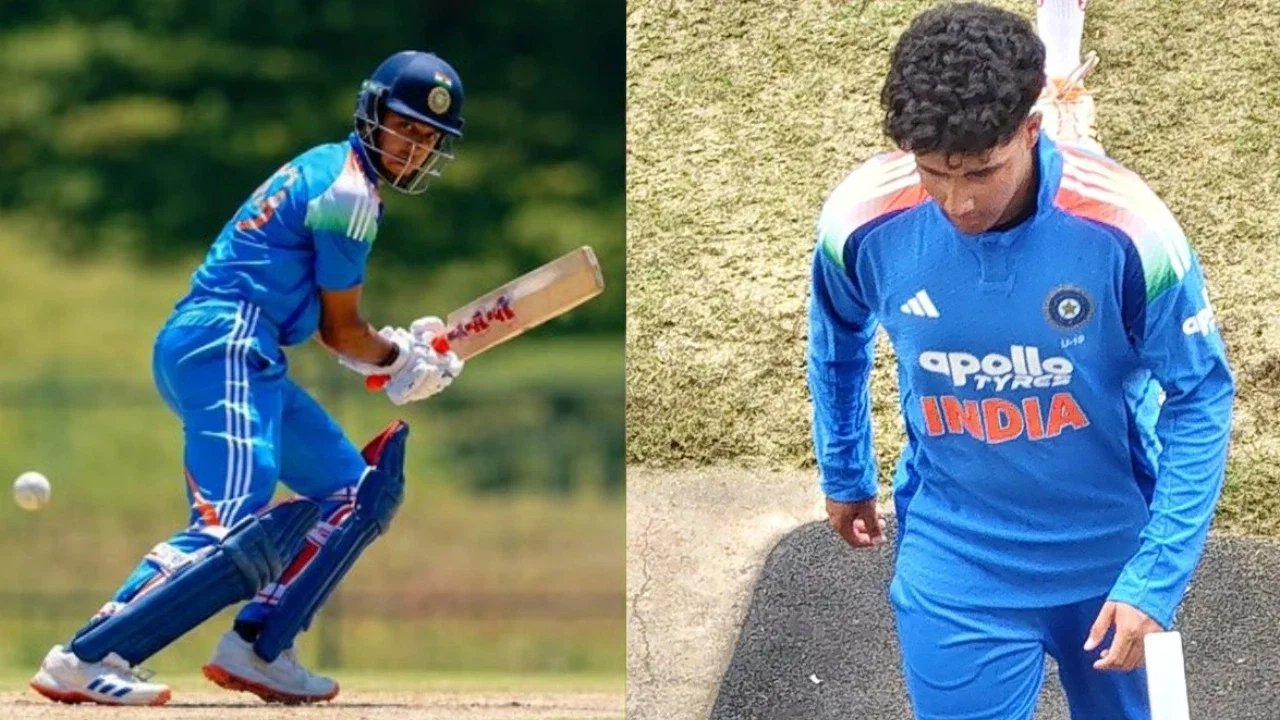
Aaryavir Sehwag and Anvay Dravid set to make headlines at U19 Asia Cup 2026

Longest ducks in Test cricket history ft. Nic Maddinson, Shoaib Akhtar

ECB to offer 39 central contracts to England players after Ben Stokes, Mark Wood’s retirement

Steve Smith surpasses Steve Waugh in all-time Test run-scorers’ list

Shane Watson identifies Gautam Gambhir’s biggest problem as India struggle for consistency

Is Bhuvneshwar Kumar in India’s 2027 World Cup plans? Ajinkya Rahane makes revelation

BCCI’s big ₹127 Crore move after injury crisis raises concerns over Team India

Parthiv Patel reveals RCB ignored his Jasprit Bumrah recommendation in IPL 2014 Auction

“Never spoke ill of any faith”: Irfan Pathan hits back at fake news using his name
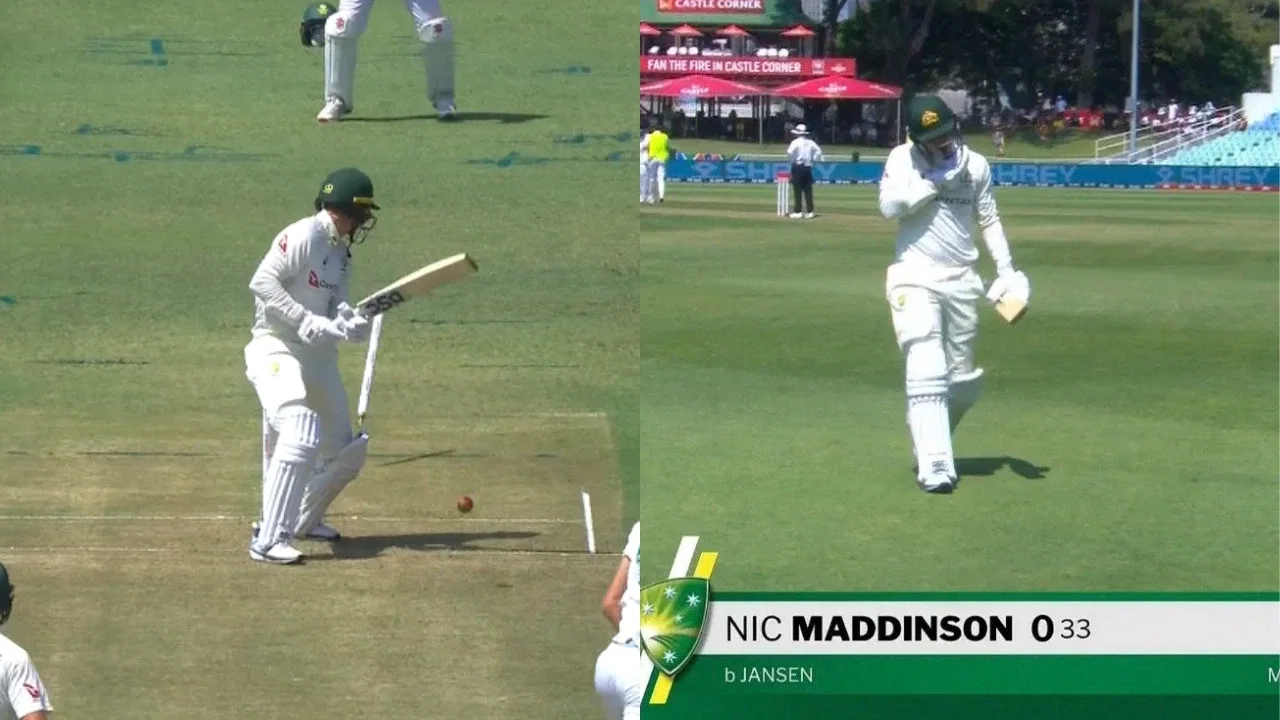
Nic Maddinson bags 33-ball duck on Test comeback, disappoints George Bailey

Imran Tahir predicts 2027 ICC ODI World Cup Semi-Finalists, snubs India for title
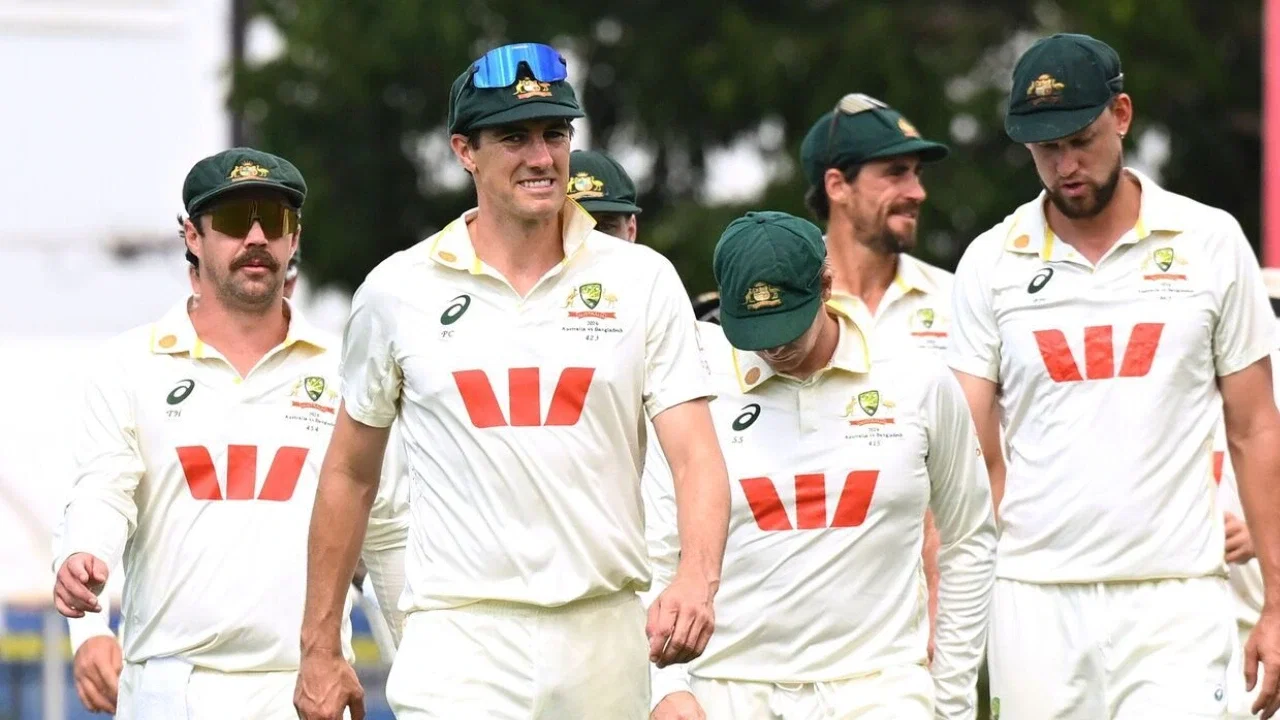
Australia create unwanted history with first all-30-plus Test XI
Ravindra Jadeja returns to Ranji Trophy as Saurashtra announce squad