Ben Stokes mocks Shubman Gill’s decision to settle for draw against New Zealand
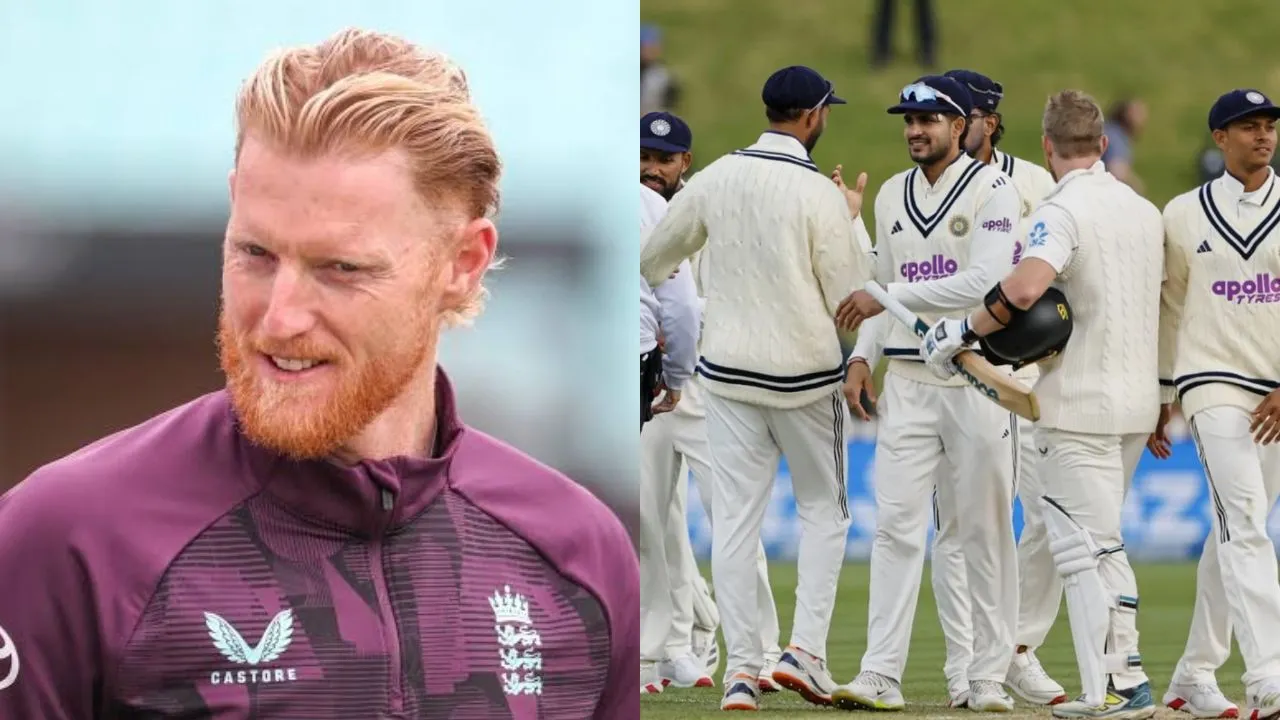
Ben Stokes Takes Aim at Shubman Gill After India-New Zealand Test Ends in a Draw
India and New Zealand’s first Test at Wellington’s Basin Reserve finished in a stalemate, but the result was followed by a debate over how—and when—the match ended. With 15 overs still available on the final day, India captain Shubman Gill agreed to shake hands with New Zealand, bringing the contest to a close. Former England captain Ben Stokes appeared to criticise the decision in a post on social media, reviving memories of a similar moment involving the two teams in 2025.
The early finish has drawn attention not only because of the remaining time, but also because of what the result means for India’s campaign in the ICC World Test Championship (WTC) 2025–27. India now face a difficult path to the final, with six Tests remaining in their schedule and victories essential if they are to keep their qualification hopes alive.
Stokes’ Social Media Post Reopens an Old Debate
Stokes did not directly name Gill or explain his criticism. Instead, he shared an image on his official account that appeared to refer to the circumstances of the Wellington finish. The post quickly attracted attention from cricket fans, many of whom connected it to the earlier disagreement between Stokes and India’s batters at Old Trafford.
British broadcaster Piers Morgan also criticised Gill’s call to end the match, describing it as “absolutely pathetic.” The reaction has divided opinion. Some observers argue that India had little realistic chance of forcing a result with only 15 overs remaining, while others believe teams should continue playing as long as time remains—particularly in a Test match with championship points at stake.
Gill’s decision also came with a practical consideration: India’s bowlers had spent long periods in the field, and the second Test was scheduled to begin soon after the Wellington match. Managing player workload can be important in a demanding series, especially when a team has little recovery time between fixtures. Still, the timing of the handshake gave the decision an added edge because of the history between the sides.
The Old Trafford Incident Behind the Reaction
The comparison dates to the fourth Test between India and England at Old Trafford in 2025. With 15 overs left in the match, Stokes sought to bring the game to an early conclusion. India’s Ravindra Jadeja and Washington Sundar, however, were approaching personal milestones and wanted to continue batting.
India were 386 for four at the time, with Jadeja on 89 and Sundar on 80. Both went on to reach centuries, and India finished on 425 for four before the match was declared a draw. The exchange between Jadeja and Stokes attracted considerable attention, with the England captain’s request seen by some as an attempt to end the contest before the Indian batters could reach their hundreds.
India coach Gautam Gambhir later offered context about the batters’ desire to continue. Stokes, meanwhile, had also pointed to the condition of his bowlers, who were tired but had not suffered injuries. Those details make the Wellington comparison particularly striking: both captains faced a late-match decision involving exhausted players, limited time and little prospect of a decisive result.
That history helps explain why Stokes’ post resonated, even without a written accusation. It also highlights the double standards that can emerge in sport: a decision viewed as reasonable when made by one side may be criticised when the opposing team makes a similar call.
How India and New Zealand Reached the Draw
The match began with India gaining the upper hand after choosing to bowl. New Zealand were reduced to 70 for five, putting the hosts under severe pressure early in their first innings. Henry Nicholls and Glenn Phillips then produced a crucial recovery, combining resistance with attacking strokeplay to shift the momentum.
Nicholls remained unbeaten on 175, while Phillips scored 118, helping New Zealand reach 368. Jasprit Bumrah led India’s bowling effort with four wickets, but the lower-order recovery ensured the visitors faced a substantial first-innings total rather than a quick collapse.
India responded with a remarkable batting display. KL Rahul made 136 and Rishabh Pant added 128, while the rest of the top order also contributed heavily. For the first time in Test history, each of India’s top seven batters passed 50 in the same innings. India declared at 720 for nine, establishing a commanding lead and putting New Zealand under pressure to survive.
New Zealand’s second innings, however, proved difficult to finish off. India took five wickets by the fifth day, but the remaining batters resisted long enough to make a result increasingly unlikely. With the match running out of time, the captains agreed to end proceedings with 15 overs still on the schedule.
WTC Qualification Picture and Second-Test Prediction
The draw leaves India with less room for error in the WTC 2025–27 standings. With six Tests remaining, the team needs to win all six to keep its final qualification prospects firmly in its own hands, according to the scenario described after the Wellington result. That makes the upcoming second Test against New Zealand especially important, followed by a five-match series against Australia.
For India, the immediate challenge is to turn the batting dominance shown in the first Test into a complete performance. The 720-run innings demonstrated the depth of the lineup, but taking the final wickets and managing the match’s closing stages will also matter. New Zealand, meanwhile, can take confidence from the way Nicholls and Phillips rescued their first innings and from their ability to hold on under pressure.
Any prediction for the second Test will depend on conditions, team selection and how quickly both sides recover. India may begin as favourites if their top order carries its form forward, but New Zealand have shown they can disrupt that advantage with disciplined resistance. The short turnaround could also influence bowling workloads and tactical choices.
A Draw That Has Added More Than One Talking Point
The Wellington Test will be remembered for its extraordinary Indian batting effort, New Zealand’s recovery from 70 for five and the late handshake that ended the contest. Stokes’ apparent swipe has shifted attention from the scorecard to the broader question of sportsmanship, consistency and match management.
Whether Gill’s decision was sensible or premature may remain a matter of perspective. What is clear is that the second Test now carries added significance: India must respond to the WTC pressure, while both teams will be aware that every late-match decision is likely to be judged against the history of their previous encounters.
Latest News
WATCH: Beau Webster pulls off sensational caught-and-bowled to dismiss Cameron Bancroft
IPL 2027: MS Dhoni unlikely to sit at CSK’s auction table, says Irfan Pathan
Ben Stokes mocks Shubman Gill’s decision to settle for draw against New Zealand
“Ravindra Jadeja could have been the difference”: S Badrinath slams India’s team selection in 1st Test vs NZ
Aakash Chopra predicts costliest player of IPL 2027 auction, names 3 Indian pacers
Wasim Jaffer backs Rishabh Pant’s ODI comeback after impressive performance in 1st Test
IPL 2027: Yuvraj Samra and Brandon McMullen register for mini-auction
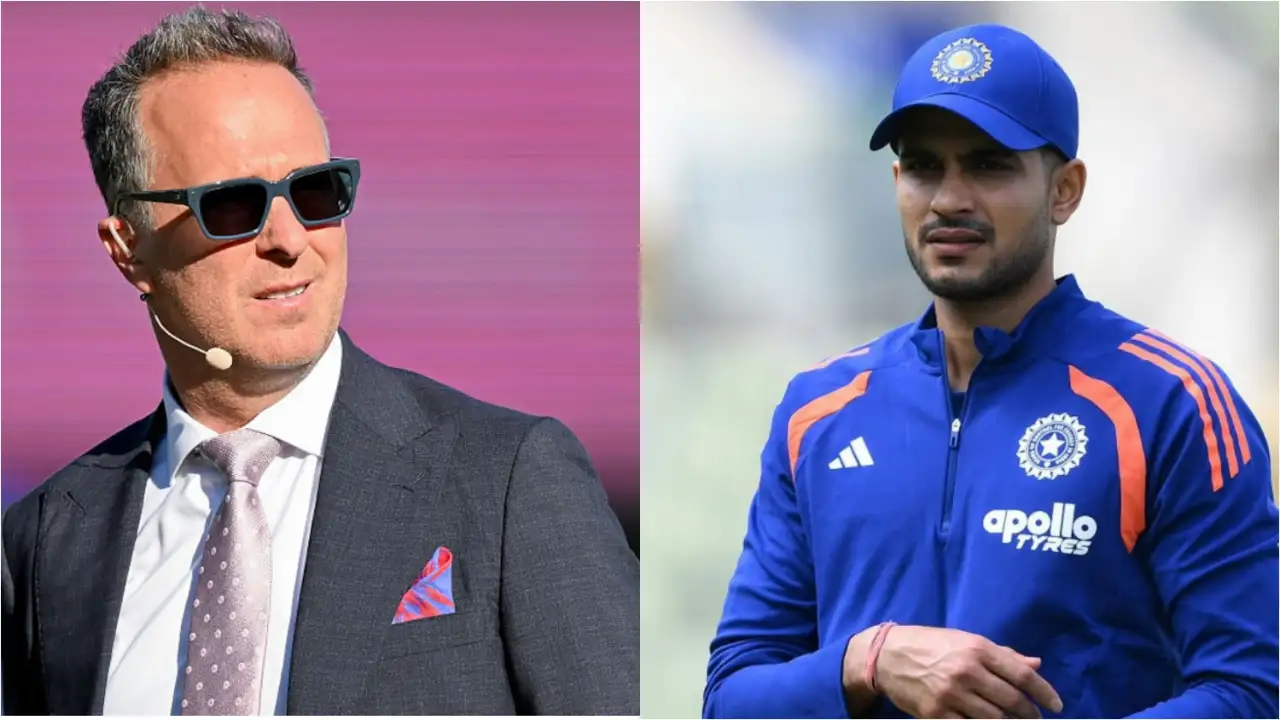
Michael Vaughan questions Shubman Gill’s decision to settle for draw against New Zealand
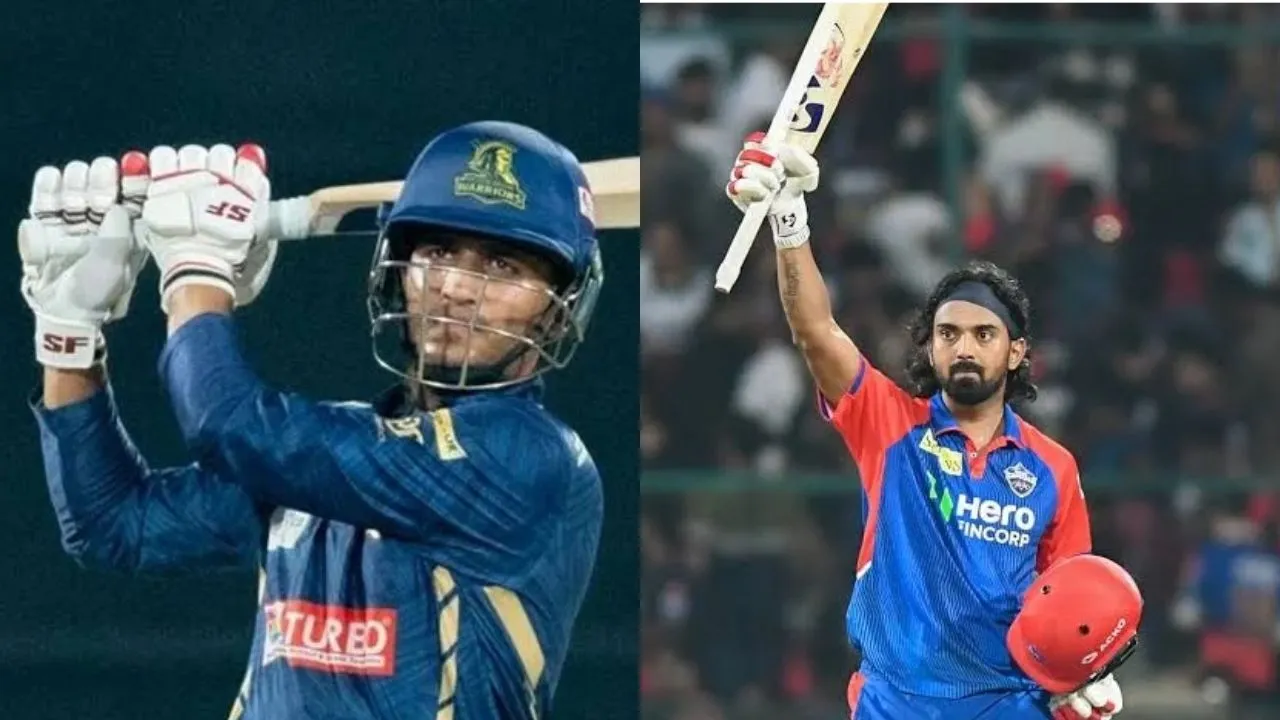
Priyansh Arya smashes world record, surpasses KL Rahul’s highest T20 score by an Indian
ICC rejects England’s request to change WTC slow over-rate penalties
IPL 2027: LSG, PBKS set to battle for England pacer Sonny Baker in mini-auction
“Don’t understand why”: Madan Lal questions Rishabh Pant’s absence in ODIs and T20Is
Aakash Chopra points out why Ravindra Jadeja is a better bowler than Washington Sundar
PSL 2027: Peshawar gets historic first match as PCB confirms six host cities