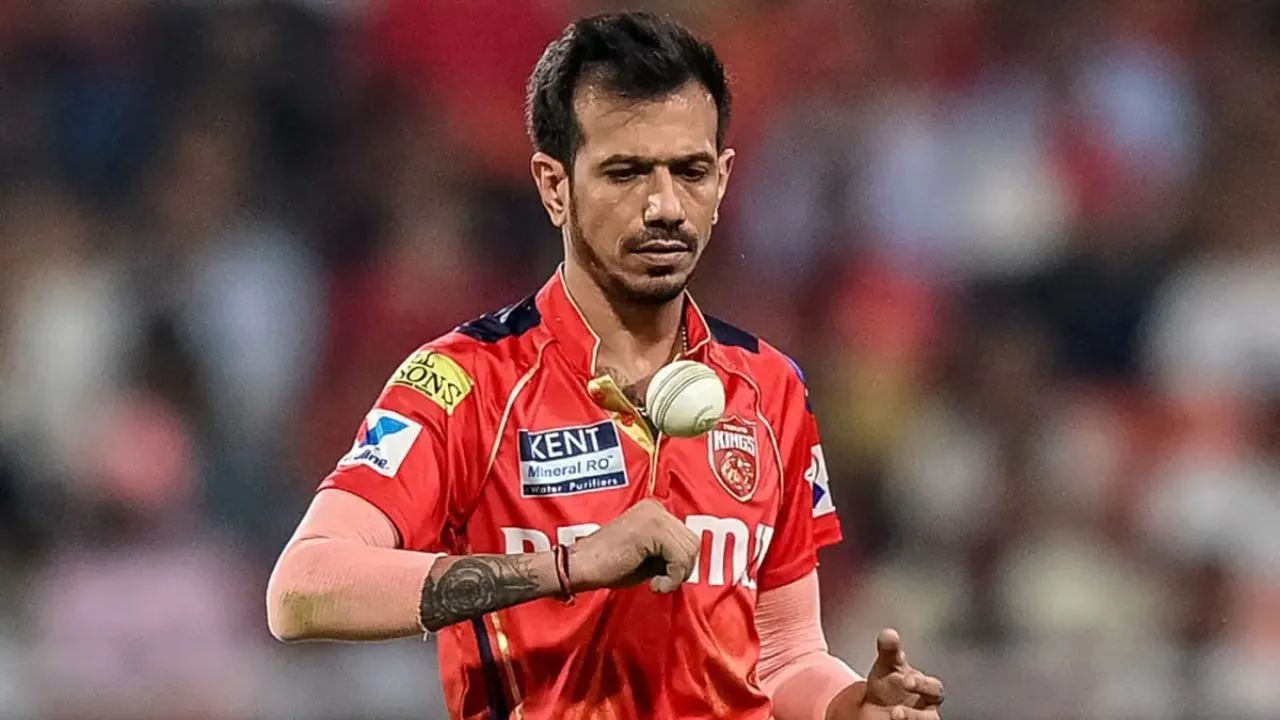
Bhuvneshwar Kumar at M Chinnaswamy Stadium: Wickets, average and bowling record
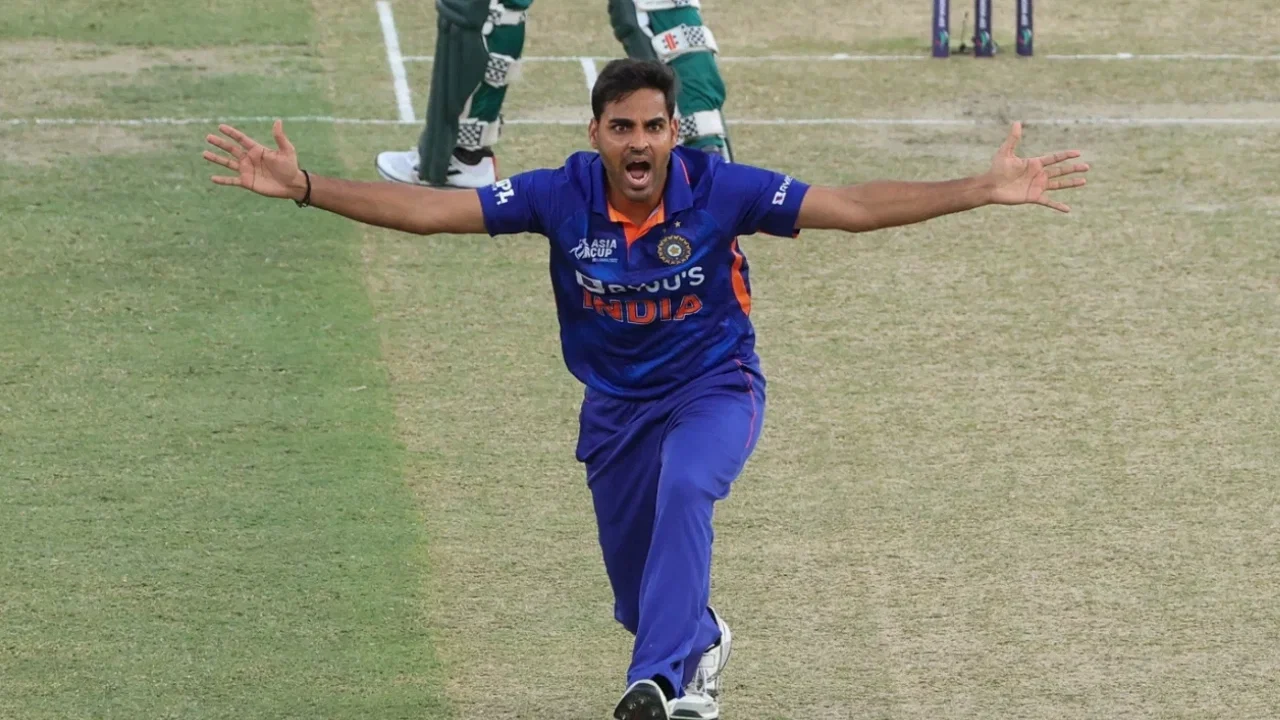
Bhuvneshwar Kumar Could Strengthen India’s Attack for T20I Series Decider
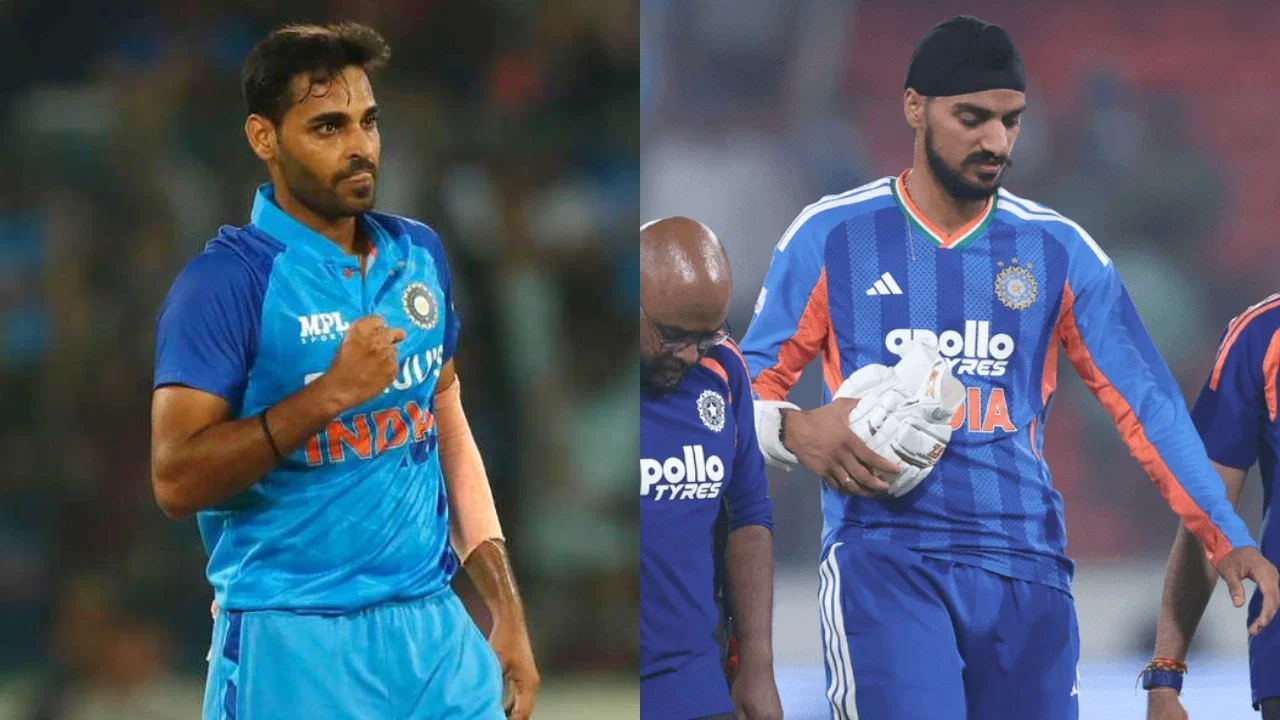
India may turn to veteran fast bowler Bhuvneshwar Kumar for the fifth and final T20I against the West Indies after Arshdeep Singh suffered a shoulder injury in Hyderabad. With the five-match series tied 2-2, the decider promises a high-stakes finish—and India will be keen to find greater control with the ball after struggling to contain the visitors’ aggressive batting.
Bhuvneshwar’s possible return would add experience to a bowling group that has faced a difficult assignment on batting-friendly pitches. Short boundaries and a wet ball have made it challenging to defend totals, particularly through the middle overs and at the death. His ability to vary his approach across different phases could give India another option as they look to improve their execution under pressure.
Why Bhuvneshwar’s Experience Could Matter
The series has tested India’s depth, with Jasprit Bumrah, Hardik Pandya and Varun Chakravarthy unavailable. In their absence, the attack has had fewer established options to manage the West Indies’ power-hitters. Bhuvneshwar, who has spent years bowling in international cricket and the IPL, could bring composure as well as a range of skills to the decisive match.
His most distinctive weapon remains his ability to move the new ball. Early swing could offer India a chance to disrupt the West Indies’ opening plans and put pressure on Shai Hope, who has been among the visitors’ notable performers on tour. A timely breakthrough in the powerplay would be especially valuable in a match where the batting side may otherwise look to establish a rapid scoring rate from the outset.
Bhuvneshwar also has experience changing pace and targeting the stumps late in an innings. Accurate yorkers and well-disguised slower deliveries can be useful against finishers looking to exploit Bengaluru’s short boundaries. While no bowler can eliminate the challenges of defending on a high-scoring ground, disciplined lengths and smart changes of pace could help India limit the damage.
A Familiar Challenge at M. Chinnaswamy Stadium
The M. Chinnaswamy Stadium in Bengaluru could provide a fitting venue for Bhuvneshwar’s international comeback. The ground is widely associated with big totals: its compact dimensions reward clean hitting, and batters can quickly turn a good over into a costly one. Yet Bhuvneshwar’s record there suggests he has found ways to remain effective in conditions that often favour the batting side.
Across 22 T20 matches at the stadium, he has taken 28 wickets at an average of 25.1 and an economy rate of 8.11. Those figures point to an ability to contribute both through breakthroughs and by limiting the scoring rate. He has also taken 3/24 in a T20 international against Pakistan at the venue in 2012, while his only ODI appearance there brought four wickets.
Numbers from different formats and competitions do not guarantee what will happen in a series decider, but they offer useful context. Bhuvneshwar has experience reading the conditions at Chinnaswamy and adjusting his plans accordingly. For India, familiarity with the ground could be valuable when deciding whether to attack with swing, protect the boundary or use variations to disrupt a batter’s timing.
Strong Recent IPL Form for RCB
Bhuvneshwar’s recent performances at the stadium have also reinforced his reputation as a reliable bowler in Bengaluru. Across his last 10 appearances there for Royal Challengers Bengaluru, he has gone wicketless only once, collecting 17 wickets at an average of 19.76 and an economy rate of 8.62.
He also reached a major IPL landmark at the venue by dismissing Chennai Super Kings batter Ayush Mhatre to become the second bowler—and the first fast bowler—to take 200 wickets in the competition. The milestone underlines his longevity and consistency in a tournament where bowlers are regularly challenged by attacking batting and changing match conditions.
For India, that recent experience may be particularly relevant. The pressure of bowling at Chinnaswamy is not limited to the match situation; the ground’s dimensions can make even a well-executed delivery appear vulnerable if it misses its mark. Bhuvneshwar’s familiarity with the venue, along with his record of taking wickets there, could offer the team a useful combination of knowledge and control.
India’s Prediction and Selection Questions
Bhuvneshwar had already been named in India’s T20I squad for the New Zealand tour, marking a potential return to international cricket after a four-year absence. His inclusion in the squad signals that selectors continue to value his experience, although his selection for the West Indies decider will depend on the team’s assessment of Arshdeep’s fitness and the balance of the bowling attack.
If Arshdeep is unavailable, India may need a bowler capable of handling both the new ball and the closing overs. Bhuvneshwar’s skill set fits that requirement, but the team will also have to consider workload, match readiness and the conditions on the day. The West Indies have shown they can score quickly, so India’s plans will need to be precise rather than relying on reputation alone.
The series prediction remains difficult with the teams level at 2-2. The result could hinge on powerplay wickets, the ability to contain runs in the middle overs and how effectively each side handles the final overs. If selected, Bhuvneshwar could give India an experienced option in all three areas—and an opportunity to turn his record at Bengaluru into a timely contribution in the series decider.
Latest News
Bhuvneshwar Kumar at M Chinnaswamy Stadium: Wickets, average and bowling record
IND vs WI Playing 11 Today, Live Streaming, Pitch & Weather: India vs West Indies 5th T20I, 2026
MS Dhoni to become CSK mentor, confirms Ravichandran Ashwin
Ajinkya Rahane snubs Vaibhav Sooryavanshi as he names top 5 T20 batters
Aneurin Donald set for BBL debut after white-ball series in Australia
Big Bash League targets global expansion as Chennai opener draws strong ticket demand
Brad Wheal announces retirement at just 30, reveals heartbreaking reason
Vaibhav Sooryavanshi’s reaction goes viral when PM Narendra Modi says ‘whose age was only 15 to 17…’
Dinesh Karthik names top 5 T20 batters, Virat Kohli at top, Abhishek Sharma snubbed
“There’s scope to make pitches flatter”: Sanjay Manjrekar takes a dig at Indian tracks
Bhuvneshwar Kumar gets surprise India selection vs WI after Arshdeep Singh’s shoulder injury

Suryakumar Yadav reveals biggest attraction of his Dubai property with Shah Rukh Khan connection
Ben Stokes’ Ashes 2027 comeback on the cards, feels Chris Woakes
![Mohammed Shami IN: India ODI squads for New Zealand tour 2026 [Predicted]](https://111.90.158.165/wp-content/uploads/2026/10/Untitled-design-9-1--1.webp)
Mohammed Shami IN: India ODI squads for New Zealand tour 2026 [Predicted]