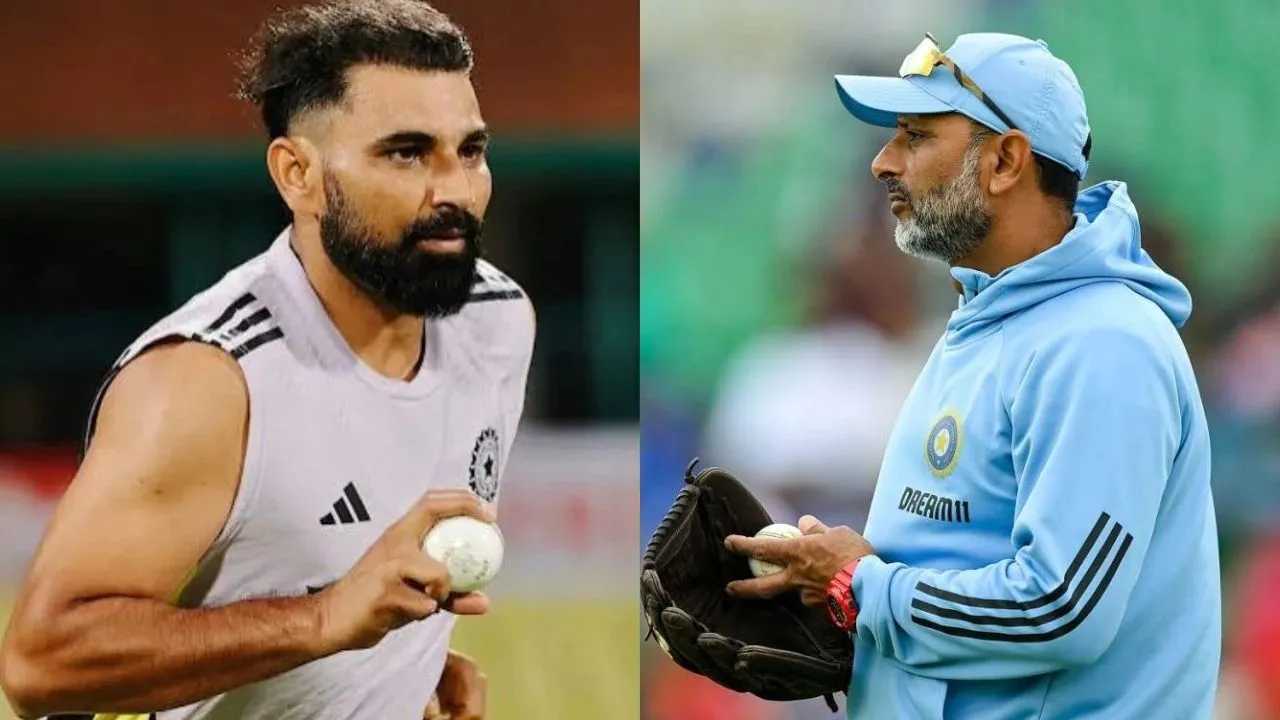
Big allegation! Ravichandran Ashwin claims Riyan Parag doesn’t trust Ravindra Jadeja
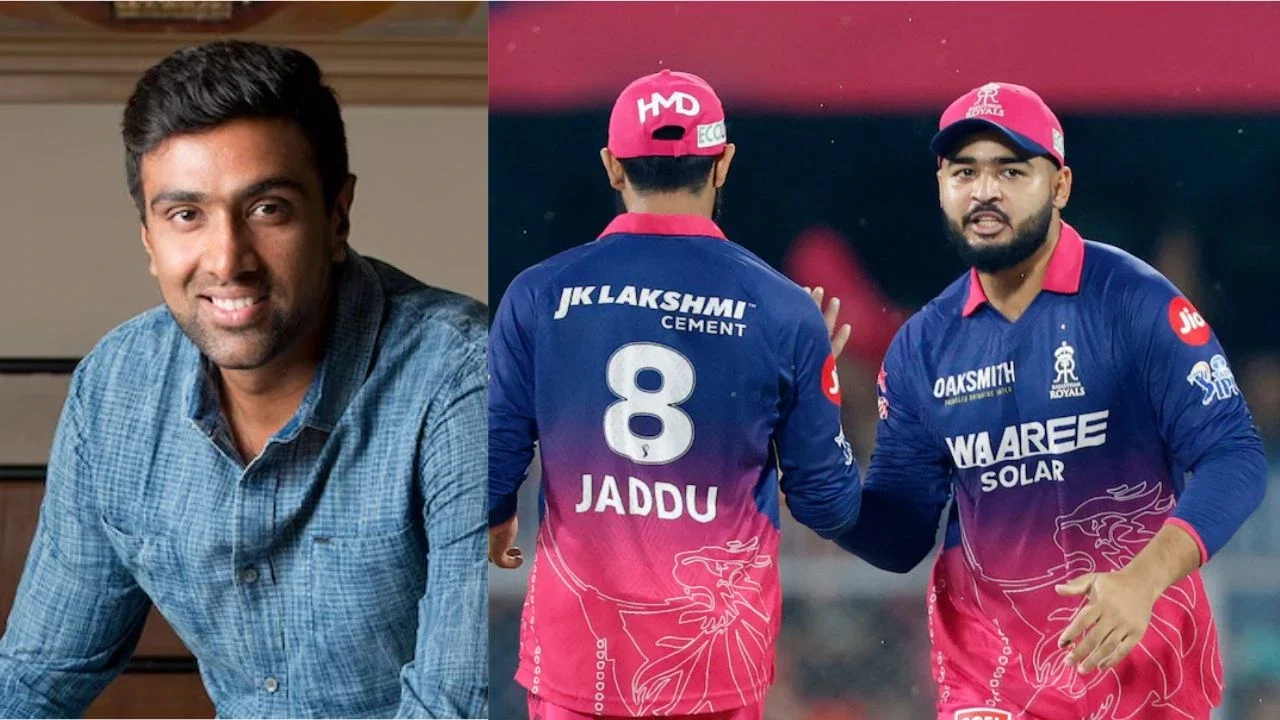
Ravichandran Ashwin Criticizes Riyan Parag’s Captaincy Decisions
Former Indian spinner Ravichandran Ashwin expressed his bewilderment over Riyan Parag’s decision not to utilize Ravindra Jadeja’s full bowling quota in a recent match. Ashwin accused Parag of poor captaincy, stating that the young skipper relied more on statistics than on his players’ abilities.
Rajasthan Royals’ Unbeaten Streak Comes to an End
Rajasthan Royals had a promising start to the season with an unbeaten streak; however, their fortunes took a downturn with two consecutive defeats. The common factor in these losses was Parag’s mishandling of veteran all-rounder Ravindra Jadeja, limiting his role with the ball.
In the last two games, Jadeja was not given the ball against left-handers, a decision that left Ashwin puzzled. Despite Jadeja’s impressive performance with the ball, Parag chose to overlook him, much to Ashwin’s dismay.
Ashwin Questions Parag’s Decision-Making
Ravichandran Ashwin did not mince his words when critiquing Parag’s choices as captain. He highlighted the importance of having faith in experienced bowlers like Jadeja and criticized Parag for not utilizing Jadeja’s skills to their full potential.
Ashwin emphasized that overlooking Jadeja’s abilities not only affected the team’s performance in the short term but also had a detrimental impact on the morale of the bowling unit in the long run. He stressed the significance of backing seasoned players in crucial moments of the game.
Support for Jadeja and Call for Strategic Captaincy
Throughout his analysis, Ashwin extended his support to Jadeja, pointing out the all-rounder’s track record of delivering under pressure. He urged Parag to reconsider his decision-making process and prioritize strategic captaincy over blindly following statistical trends.
Additionally, Ashwin criticized Parag’s choice of opting for inexperienced players over seasoned veterans like Jadeja in critical situations. He highlighted the need for balanced team selection and strategic thinking to steer the team towards success.
Lessons in Leadership and Team Management
As Ashwin dissected Parag’s captaincy decisions, he underscored the importance of trust, experience, and strategic planning in leading a team to victory. He called on Parag to learn from these mistakes and adopt a more balanced approach to team management in future matches.
In conclusion, Ashwin’s critique of Parag’s captaincy decisions serves as a valuable lesson in leadership and strategic thinking for aspiring young captains in the cricketing world. By prioritizing player skills over statistical trends and backing experienced players in crucial moments, teams can enhance their performance and achieve success on the field.
Strategic Insights into Captaincy in Cricket
When analyzing the dynamics of captaincy in cricket, it becomes evident that the role extends far beyond just on-field decision-making. A captain’s ability to understand the strengths and weaknesses of each player, make strategic choices, and maintain team morale is crucial for the team’s success.
Ravichandran Ashwin’s criticism of Riyan Parag’s captaincy decisions sheds light on the importance of balancing statistical analysis with a deep understanding of player abilities. While statistics can provide valuable insights, they should not dictate every decision a captain makes. It is essential for captains to trust their instincts, rely on their experience, and nurture a strong bond with their team members.
The Significance of Experience in Cricket Leadership
One of the key takeaways from Ashwin’s critique is the emphasis on the value of experience in leadership roles within a cricket team. Seasoned players like Ravindra Jadeja bring a wealth of knowledge and skill to the field, making them invaluable assets in high-pressure situations. Captains must recognize and leverage this experience to steer their team towards success.
By overlooking experienced players in favor of statistical trends or inexperienced talent, captains risk compromising the team’s performance and morale. Finding the right balance between youth and experience, statistics and intuition, is a delicate art that can make a significant difference in the outcome of a match.
The Role of Mentorship and Team Building
Another aspect that Ashwin’s critique highlights is the importance of mentorship and team building in cricket. Captains are not just leaders on the field but also mentors who guide and support their team members through challenges. Building a cohesive team culture, fostering trust and respect among players, and creating a supportive environment are essential elements of effective team management.
By nurturing a sense of camaraderie and unity within the team, captains can inspire their players to perform at their best and overcome obstacles together. This sense of unity and shared purpose is often the hallmark of successful teams in cricket and other team sports.
Continued Growth and Learning in Cricket Leadership
As the cricketing landscape evolves and new challenges emerge, the role of captains continues to adapt and expand. Learning from critiques, like the one provided by Ravichandran Ashwin, is essential for captains to continue growing and improving in their leadership roles.
By reflecting on past decisions, seeking feedback from peers and mentors, and staying open to new ideas, captains can enhance their leadership skills and contribute to their team’s success. Ultimately, effective captaincy in cricket requires a blend of tactical acumen, emotional intelligence, and a deep understanding of the game and its players.
In conclusion, Ravichandran Ashwin’s critique of Riyan Parag’s captaincy decisions serves as a valuable lesson in the nuances of leadership and strategic thinking in cricket. By prioritizing experience, intuition, and team unity, captains can elevate their performance and guide their teams to victory on the field.
Latest News

Top 10 highest run-chases in T20 cricket history, ft. West Indies’ Ranchi win vs India

Aaryavir Sehwag and Anvay Dravid set to make headlines at U19 Asia Cup 2026

Longest ducks in Test cricket history ft. Nic Maddinson, Shoaib Akhtar

ECB to offer 39 central contracts to England players after Ben Stokes, Mark Wood’s retirement

Steve Smith surpasses Steve Waugh in all-time Test run-scorers’ list

Shane Watson identifies Gautam Gambhir’s biggest problem as India struggle for consistency

Is Bhuvneshwar Kumar in India’s 2027 World Cup plans? Ajinkya Rahane makes revelation

BCCI’s big ₹127 Crore move after injury crisis raises concerns over Team India

Parthiv Patel reveals RCB ignored his Jasprit Bumrah recommendation in IPL 2014 Auction

“Never spoke ill of any faith”: Irfan Pathan hits back at fake news using his name

Nic Maddinson bags 33-ball duck on Test comeback, disappoints George Bailey

Imran Tahir predicts 2027 ICC ODI World Cup Semi-Finalists, snubs India for title

Australia create unwanted history with first all-30-plus Test XI

Ravindra Jadeja returns to Ranji Trophy as Saurashtra announce squad