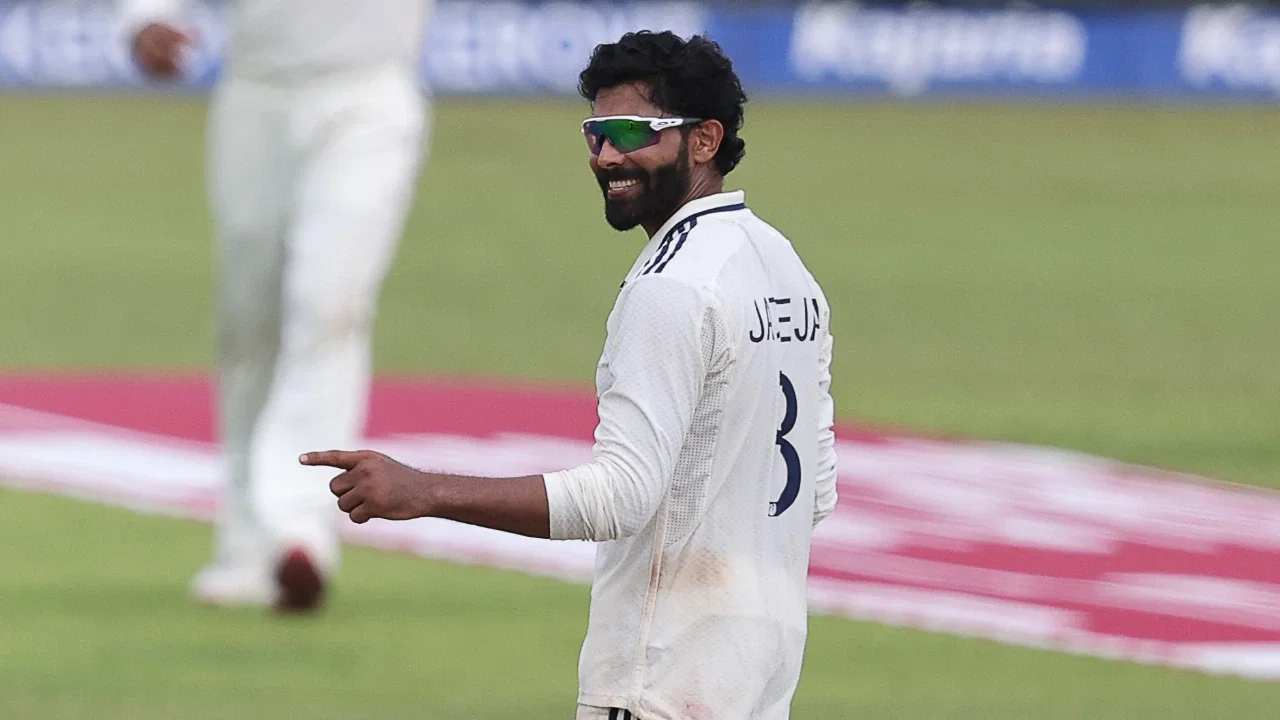
‘Can’t protect one player’: BCB brutally mocks BCCI over Mustafizur Rahman IPL row
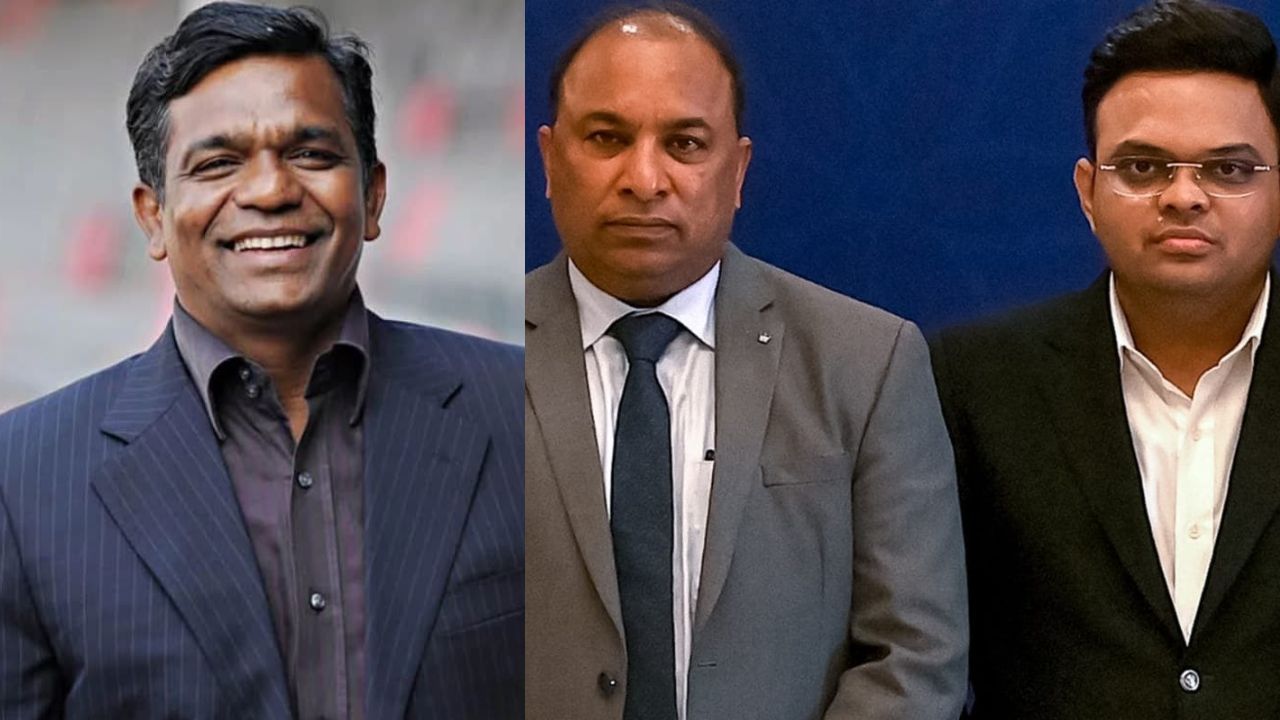
BCB Takes a Stand Against BCCI’s Snub of Mustafizur Rahman
The Bangladesh Cricket Board (BCB) has fired back at the Board of Control for Cricket in India (BCCI) after the controversial decision to exclude Mustafizur Rahman from the upcoming tournament. This move has further strained the already tense relationship between the two cricketing boards, sparking a fierce battle of words and egos.
Controversy Erupts Over Mustafizur Rahman’s Exclusion
Mustafizur Rahman, a seasoned Bangladeshi pacer with extensive experience in the IPL, found himself left out of the Kolkata Knight Riders’ squad despite being purchased in the mini-auction. The BCCI remained tight-lipped about the reasons behind this decision but hinted that it was influenced by the current political climate.
The snub of Rahman led to an emergency meeting of the BCB directors, where concerns were raised about the safety and security of the Bangladesh team during matches in India. The BCB expressed deep reservations about sending their players to a country where they felt their safety could not be guaranteed.
BCB’s Response to BCCI’s Security Concerns
Following the emergency meeting, the BCB director, Khaled Mashud Pilot, openly questioned India’s ability to provide adequate security for the Bangladesh team, citing Rahman’s exclusion as a prime example. The BCB mocked the BCCI for failing to ensure the safety of just one player, let alone an entire team, leading to their decision not to participate in the tournament under the current conditions.
Request to ICC for Venue Change
In light of their concerns about security in India, the BCB has formally requested the International Cricket Council (ICC) to relocate all of Bangladesh’s matches to a venue outside of India, suggesting Sri Lanka as a possible alternative. The BCB emphasized that their primary goal is to safeguard the well-being of their players and all individuals associated with the events.
“The Bangladesh Cricket Board looks forward to the ICC’s understanding of the situation and an urgent response on this matter,” the statement concluded.
Final Thoughts
The escalating tensions between the BCB and the BCCI reflect the broader political and security challenges that continue to impact cricketing events. The decision to boycott the tournament in India underscores the BCB’s commitment to prioritizing the safety and well-being of their players, even at the cost of missing out on key competitions.
As the cricketing world watches the developments between these two boards, the focus remains on finding a resolution that ensures fair play, sportsmanship, and above all, the protection of all individuals involved in the game.
Impact of Mustafizur Rahman’s Exclusion on Kolkata Knight Riders
Mustafizur Rahman’s exclusion from the Kolkata Knight Riders’ squad has raised concerns among fans and cricket analysts alike. With his skillful bowling and ability to take crucial wickets, Rahman was considered a key player for the team. His absence could potentially weaken the team’s bowling attack and strategic plans for the upcoming tournament. The decision to leave him out has left many questioning the priorities and decision-making processes of the team management.
Furthermore, Rahman’s exclusion could also have financial implications for the Kolkata Knight Riders. Given his popularity and fan following, his presence in the team could have boosted ticket sales, merchandise revenue, and overall viewership of the matches. The team may now have to navigate how to mitigate these potential losses and maintain fan engagement without one of their star players.
The Complexities of Politics in Cricket
The exclusion of Mustafizur Rahman has shed light on the intricate relationship between sports and politics, especially in the context of cricket. The decision to leave out a player based on political considerations raises questions about the extent to which external factors influence team selections and tournament participation. As cricket continues to be a significant source of national pride and identity for many countries, the intersection of politics and sports becomes increasingly pronounced.
The clash between the BCB and the BCCI underscores the challenges that cricket boards face in navigating political sensitivities while prioritizing the integrity and spirit of the game. Finding a delicate balance between national interests, security concerns, and the principles of fair play remains a complex and ongoing endeavor for cricket administrators worldwide.
Broader Implications for International Cricket
The standoff between the BCB and the BCCI and the subsequent request to the ICC for a venue change could have far-reaching implications for international cricket. If the ICC decides to relocate Bangladesh’s matches to a different venue, it could set a precedent for future tournaments and team preferences. The decision could also impact the scheduling, logistics, and overall dynamics of the tournament, requiring all stakeholders to adapt to unforeseen changes.
Additionally, the controversy surrounding Mustafizur Rahman’s exclusion highlights the importance of open communication, transparency, and mutual respect between cricket boards. Building and maintaining positive relationships among cricket-playing nations is essential for the growth and sustainability of the sport on a global scale. Resolving conflicts diplomatically and collaboratively is key to ensuring the smooth conduct of tournaments and fostering a spirit of camaraderie among nations.
Looking Ahead: Resolving Differences and Moving Forward
As the cricketing community awaits the response from the ICC regarding the venue change request, there is hope for a constructive dialogue and a mutually beneficial solution that addresses the concerns of all parties involved. Finding common ground, respecting each other’s perspectives, and prioritizing the safety and well-being of players should be central to any resolution moving forward.
Ultimately, the episode involving Mustafizur Rahman’s exclusion serves as a reminder of the complexities and challenges inherent in international cricket, requiring a nuanced approach that balances sporting excellence with political realities. By navigating these complexities with sensitivity, diplomacy, and a commitment to fair play, cricket boards can uphold the values and spirit of the game while ensuring the continued success and growth of cricket worldwide.
Latest News

New Zealand suffer blow as William O’Rourke misses India ODIs and Tests
Top 10 highest run-chases in T20 cricket history, ft. West Indies’ Ranchi win vs India
Aaryavir Sehwag and Anvay Dravid set to make headlines at U19 Asia Cup 2026

Longest ducks in Test cricket history ft. Nic Maddinson, Shoaib Akhtar

ECB to offer 39 central contracts to England players after Ben Stokes, Mark Wood’s retirement

Steve Smith surpasses Steve Waugh in all-time Test run-scorers’ list

Shane Watson identifies Gautam Gambhir’s biggest problem as India struggle for consistency
Is Bhuvneshwar Kumar in India’s 2027 World Cup plans? Ajinkya Rahane makes revelation

BCCI’s big ₹127 Crore move after injury crisis raises concerns over Team India

Parthiv Patel reveals RCB ignored his Jasprit Bumrah recommendation in IPL 2014 Auction

“Never spoke ill of any faith”: Irfan Pathan hits back at fake news using his name
Nic Maddinson bags 33-ball duck on Test comeback, disappoints George Bailey

Imran Tahir predicts 2027 ICC ODI World Cup Semi-Finalists, snubs India for title
Australia create unwanted history with first all-30-plus Test XI