Chris Woakes reveals how Rob Key hurt him before retirement
Chris Woakes Says Rob Key’s Public Ashes Comments Left Him Hurt
Chris Woakes has revealed that the way England communicated the end of his international career left him feeling disappointed and undervalued. In his autobiography, The Wizard, the former fast bowler describes how he learned that he was no longer part of England’s plans through a public statement by managing director Rob Key—rather than a private conversation.
Woakes, who represented England for more than a decade, accepts that selectors and team management must plan for the future. But he believes that after years of service, he deserved to hear the news directly before it was discussed with the media. The episode has added a personal dimension to the story of his retirement, which followed a courageous final appearance in Test cricket.
“A Bit Cold”: Woakes Reflects on the End of His England Career
Key’s comments came while he was explaining why Woakes had not been selected for England’s Ashes plans. The announcement was made about a week before Woakes confirmed his retirement from international cricket, leaving the fast bowler to confront the reality of his England career ending in public.
Writing in The Wizard, Woakes said the announcement felt abrupt. “That final bit felt a bit cold. A bit shabby, really,” he wrote, reflecting on the way the decision was communicated.
Woakes also suggested that Key might not have intended his words to cause offence. However, he felt that a brief conversation beforehand could have made a significant difference. “I wondered if the words slipped out, not necessarily how he meant them. He could have easily had that conversation first with me, rather than the press,” he added.
His account highlights a familiar tension in professional sport: teams must make difficult selection decisions, but the manner in which those decisions are delivered can shape how a player remembers the end of a career. For a senior international who had repeatedly contributed across formats, the absence of a personal discussion was especially difficult to accept.
Woakes and Key Have Barely Spoken Since Retirement
Woakes said he had previously enjoyed a good relationship with Key. Since his retirement, however, the two have barely spoken. He acknowledged that senior administrators are busy and that professional cricket moves quickly, with attention soon turning to the next series and the next group of players.
“He’s a busy man and moved on to different things. I’m sure at some point we’ll discuss it,” Woakes said. He also recognised the realities of elite sport, where selection is shaped by form, fitness, age and future planning—not simply by past achievements.
That perspective does not erase his disappointment. Instead, it shows that Woakes can understand the professional logic behind England’s decision while still questioning the way it was handled. His comments are not a rejection of the need for change; they are a reminder that communication and respect matter when a long-serving player’s international journey is coming to a close.
A Courageous Final Test Appearance at The Oval
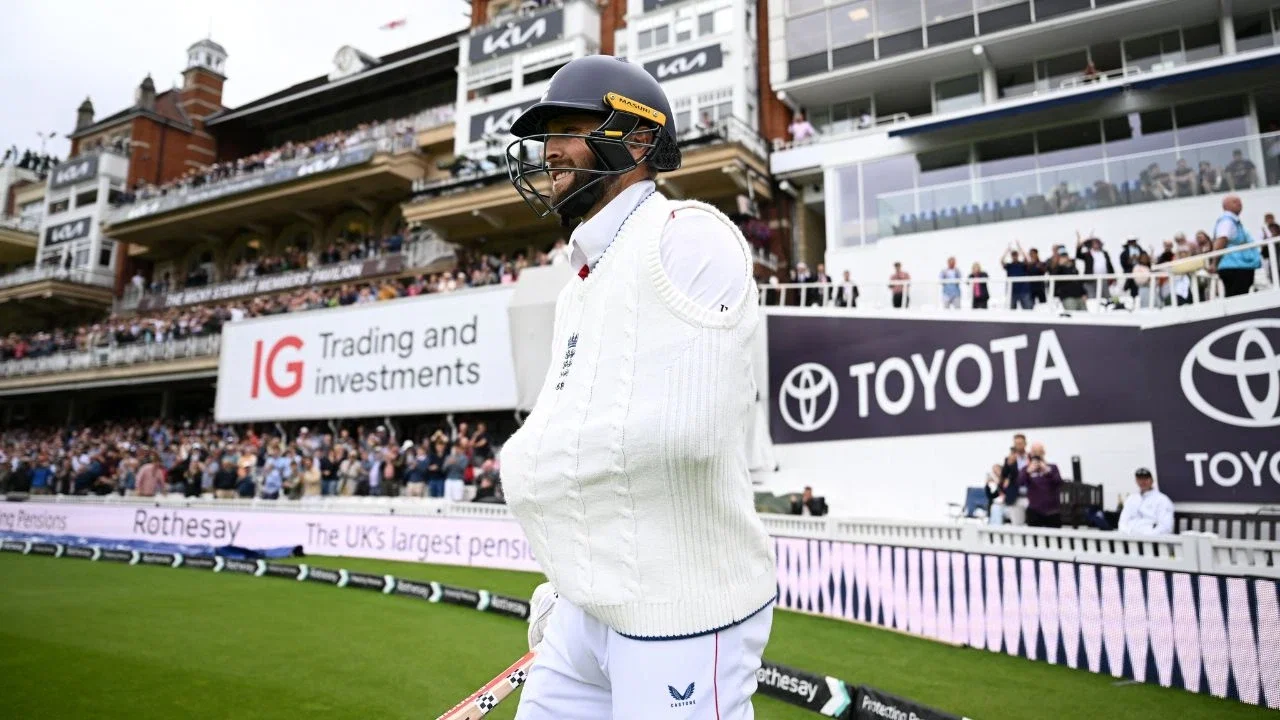
Woakes’ final appearance for England came during the fifth Test against India at The Oval. He dislocated his shoulder while fielding on the opening day, an injury that appeared to rule him out of any further involvement. Yet, with England still chasing a series victory, he returned to the middle on the final day as the No. 11 batter.
England needed 17 runs to secure a 3-1 series win. Woakes came out with his left arm in a sling and was unable to face a delivery, but he still ran four singles. His effort helped keep the chase alive before Gus Atkinson was bowled, leaving England six runs short.
The moment became a fitting, if painful, image of Woakes’ commitment: an injured player putting himself forward when his team still had a chance. It also gave his England career an unusually dramatic ending. The result did not deliver the victory England wanted, but Woakes’ willingness to take the field earned admiration from supporters and teammates alike.
Chris Woakes’ England Career: Key Numbers and Achievements
Across all formats, Woakes played 217 matches for England, scoring 3,705 runs and taking 396 wickets. His record reflected the value of a genuine all-rounder: he could contribute with the ball, offer useful runs down the order and provide dependable work in the field.
In Test cricket, he played 62 matches, claiming 192 wickets and scoring 2,034 runs. He also took 173 wickets in one-day internationals and 31 in T20 internationals. Those figures only tell part of the story, however. Woakes’ impact often came through his ability to adapt to different conditions, support England’s attack and deliver important contributions when the team needed them.
His career also spanned a period of change in English cricket, as the national side balanced established players with emerging talent and managed an increasingly demanding international schedule. For selectors, looking ahead to younger options may have been part of a broader Ashes strategy. For Woakes, the issue was not simply that the door had closed, but that he learned about it in a way he felt did not reflect his service.
What Woakes’ Story Says About Player Transitions
Woakes’ reflections offer insight into the human side of selection decisions. An experienced player can recognise that a team must move on while still feeling hurt by the process. The prediction of a player’s future role—whether by selectors, management or the media—can quickly become public, but the conversation behind that prediction is often deeply personal.
His story also underscores how a final match can shape a player’s legacy. Woakes’ last Test was defined not by a farewell ceremony or a winning score, but by an injured shoulder, a sling and four runs taken while England fought to complete a chase. That final act sits alongside his substantial career record as a lasting reminder of his commitment to the national side.
Whether Woakes and Key eventually discuss the episode remains to be seen. For now, the autobiography provides Woakes’ account of a difficult ending: one in which he accepts the realities of professional cricket but wishes the news had been delivered with greater consideration. His England career may be over, but his candid reflections have renewed discussion about how teams honour long-serving players when their time at the top comes to an end.
Latest News
Chris Woakes reveals how Rob Key hurt him before retirement
Mohammad Rizwan gets PCB clearance to return to domestic cricket amid betting probe
Mohammed Shami suffers injury amid India comeback talks, misses Ranji match
Shoaib Akhtar warns Babar Azam could be dropped from Pakistan’s ODI team

Keemo Paul out, Shamar Springer in as West Indies announce change for Bangladesh Tests
Michael Atherton, Nasser Hussain left out of Pakistan’s ODI tri-series commentary panel
Mohammad Kaif spots Virat Kohli-like quality in Ishan Kishan after Bengaluru T20I
Shubman Gill bamboozled for 1 off 5 balls on Ranji Trophy comeback before NZ tour
Ravichandran Ashwin names franchise leading race to sign Hardik Pandya
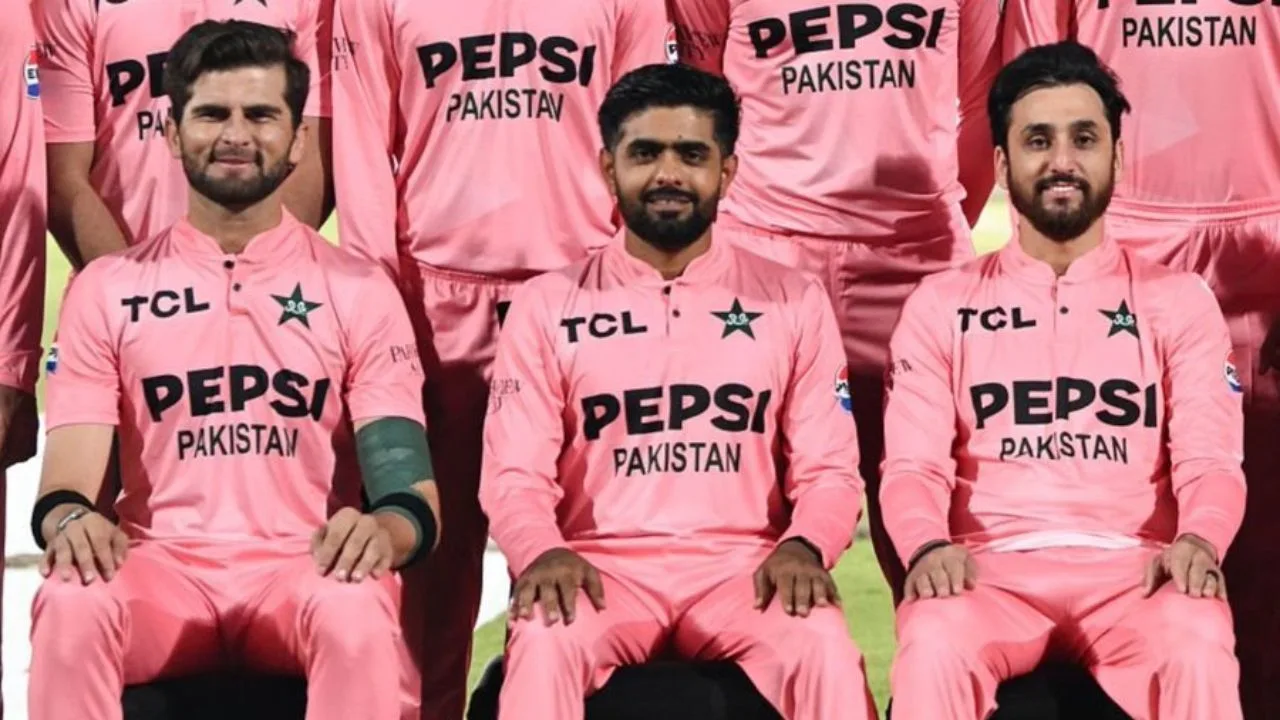
Pakistan to wear pink kits against England in ODI tri-series for breast cancer awareness day
Sunil Gavaskar backs Krunal Pandya for Bhuvneshwar Kumar-like India comeback
Gautam Gambhir vs VVS Laxman: Why Vaibhav Sooryavanshi keeps getting benched
Shreyas Iyer sends blunt message to Vaibhav Sooryavanshi after repeatedly benching him
Here’s why Mohammed Shami was snubbed again despite Bhuvneshwar Kumar’s comeback