Shubman Gill bamboozled for 1 off 5 balls on Ranji Trophy comeback before NZ tour
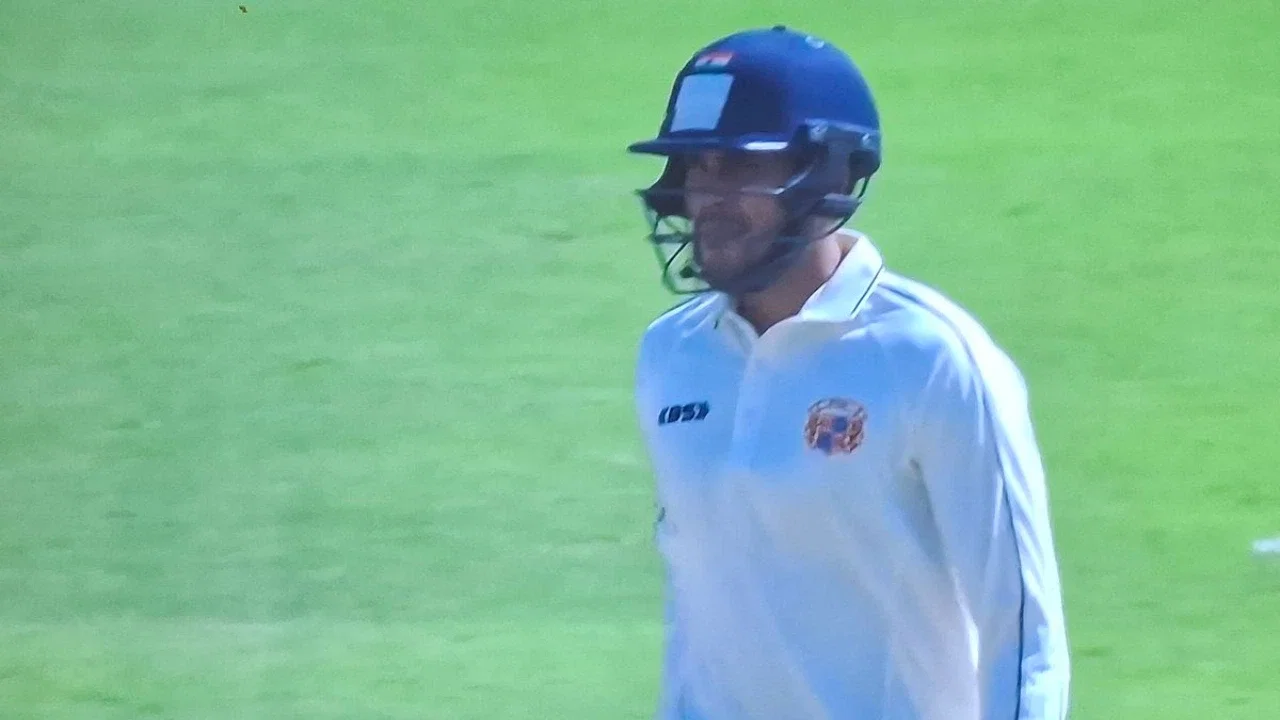
Shubman Gill’s Ranji Trophy Return Ends in Early Dismissal Against Chhattisgarh
India captain Shubman Gill endured a frustrating return to the Ranji Trophy, scoring just one run for Punjab against Chhattisgarh at the PCA Cricket Stadium in New Chandigarh on Sunday, October 18. The high-profile batter lasted only five deliveries before left-arm spinner Ajay Mandal bowled him, ending what had been an important opportunity to gain red-ball practice ahead of India’s upcoming Test series against New Zealand.
Gill’s brief innings became one of the early talking points on the opening day of the 2026-27 fixture. Punjab had hoped their captain’s return would strengthen the top order, but his dismissal left the side needing to regroup while Chhattisgarh gained momentum.
Ajay Mandal Removes Gill with a Sharp Delivery
The key moment came in the 27th over. Mandal beat Gill’s defence with a sharply delivered ball that passed the bat and struck the stumps. Gill had faced only five balls and managed one run before making his way back to the dressing room.
At the time of the dismissal, Punjab were 68 for three, giving Chhattisgarh an opportunity to press their advantage. For Gill, the early exit was particularly disappointing because the Ranji Trophy match offered valuable time in the middle before the demands of international Test cricket return.
A video showing Gill after his dismissal circulated on social media. He appeared visibly frustrated as he watched the innings from the Punjab dressing-room balcony. His reaction reflected the disappointment of being beaten by Mandal, though the dismissal also highlighted the challenge left-arm spin can pose to right-handed batters, particularly on a surface offering assistance.
A Missed Chance to Build Red-Ball Rhythm
Gill’s return to domestic cricket followed his absence from Punjab’s Ranji Trophy season opener against Assam, a match that ended in a draw. His appearance against Chhattisgarh was therefore his first opportunity of the campaign to spend time at the crease in a first-class setting.
Domestic matches can be especially useful for international players preparing for a Test series. They provide a chance to adjust to longer spells at the crease, face varied bowling attacks and sharpen decision-making without the compressed pace of limited-overs cricket. Gill’s innings was too short to offer those benefits, making his dismissal a missed opportunity rather than a major verdict on his form.
The result will also be viewed in context. Even accomplished batters can be dismissed early, and one innings does not erase a strong record. Still, Gill will likely be keen to respond in his next opportunity, particularly with India’s New Zealand tour approaching.
Gill’s Test Record Offers a Broader Perspective
Gill made his Test debut against Australia in Melbourne on December 26, 2020. Since then, he has played 43 Tests for India and scored 3,043 runs, establishing himself as a central figure in the team’s batting plans. He is also among India’s leading run-scorers in the ICC World Test Championship and has passed 1,000 runs as Test captain.
His 2026 Test returns have included a standout performance against Afghanistan in June, when he scored 126 in a one-off match. In India’s recent series against Sri Lanka, he recorded scores of 16, eight and 50 across three innings. Those results underline the mixed nature of a batter’s form across a demanding international calendar—and why match practice remains important.
Gill has also recently captained India to a 2-1 ODI series victory over West Indies at home. The switch from one-day cricket back to the longer format requires a different approach: patience, careful shot selection and the ability to leave the ball effectively. A Ranji Trophy appearance was expected to help with that transition, but Mandal’s delivery cut the exercise short.
New Zealand Tests Next on India’s Schedule
Gill’s next major assignment is expected to be the three-match Test series against New Zealand, with the opening match scheduled to begin in Wellington on November 19. The series forms part of the 2025-27 World Test Championship cycle, adding further significance to every result for both teams.
New Zealand are likely to test India with disciplined seam bowling and sustained pressure, conditions that make preparation and time at the crease especially valuable. Gill’s Ranji dismissal may prompt additional scrutiny, but the more useful measure will be how he responds in subsequent innings and how effectively he settles into Test-match conditions.
Strong First-Class Numbers Remain in Gill’s Favour
Despite the one-run score against Chhattisgarh, Gill’s domestic record points to his ability to produce substantial innings. Since making his Punjab debut in November 2017, he has scored 2,708 runs in 30 first-class matches and 50 innings at an average of 59.51. His highest score is 268 against Tamil Nadu, and his record includes nine centuries and 12 half-centuries.
Those figures provide important context for assessing his latest outing. Gill has repeatedly shown that he can convert starts into major scores in first-class cricket, even if this particular return ended almost as soon as it began. The immediate prediction is that his next innings will attract close attention, but one early dismissal alone should not define his preparation or his wider form.
For Punjab, the priority will be to recover from the loss of their captain’s wicket and build a competitive total. For Gill, the focus is simpler: learn from Mandal’s delivery, regain rhythm and make the most of the next chance to bat before India’s Test campaign against New Zealand begins.
Latest News
Chris Woakes reveals how Rob Key hurt him before retirement
Mohammad Rizwan gets PCB clearance to return to domestic cricket amid betting probe
Mohammed Shami suffers injury amid India comeback talks, misses Ranji match
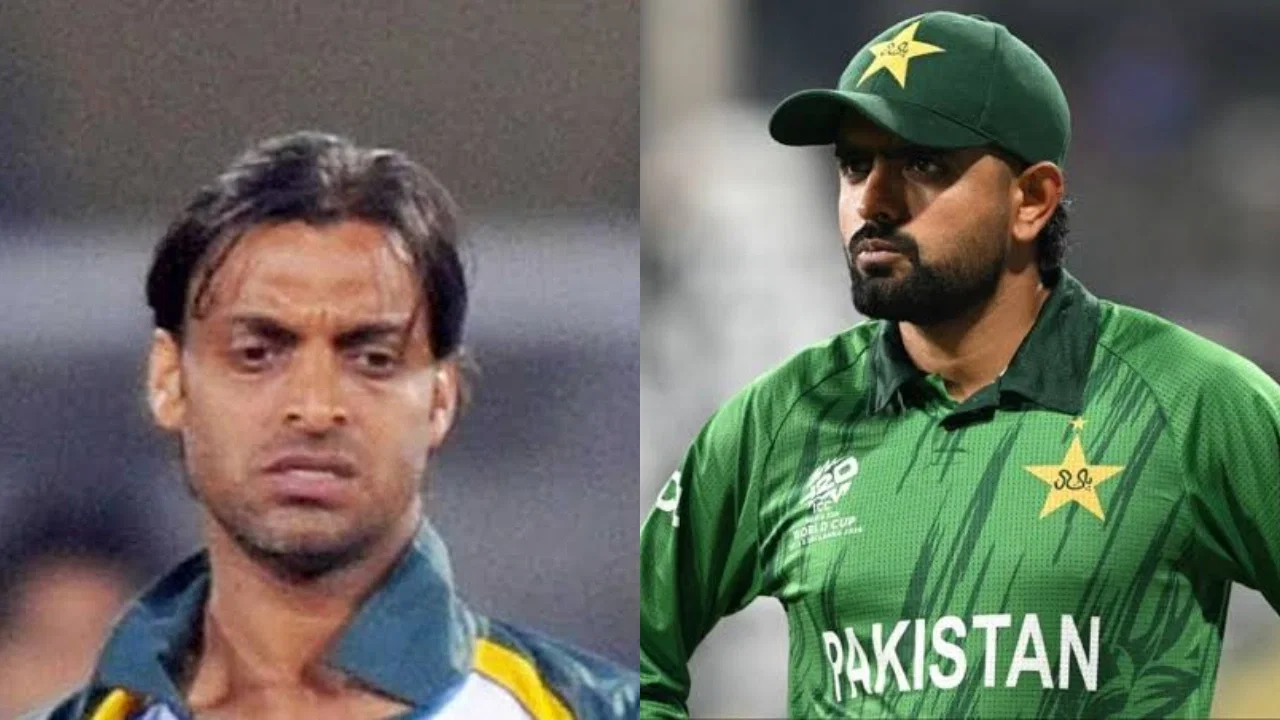
Shoaib Akhtar warns Babar Azam could be dropped from Pakistan’s ODI team

Keemo Paul out, Shamar Springer in as West Indies announce change for Bangladesh Tests
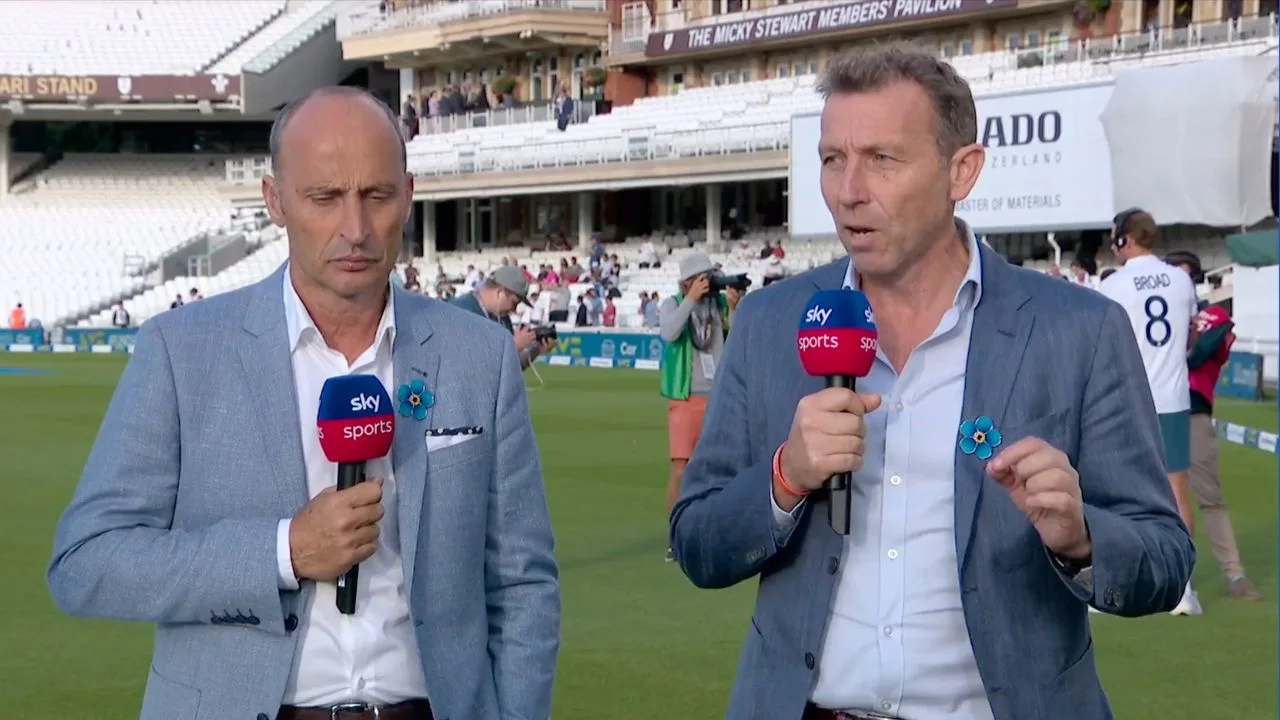
Michael Atherton, Nasser Hussain left out of Pakistan’s ODI tri-series commentary panel
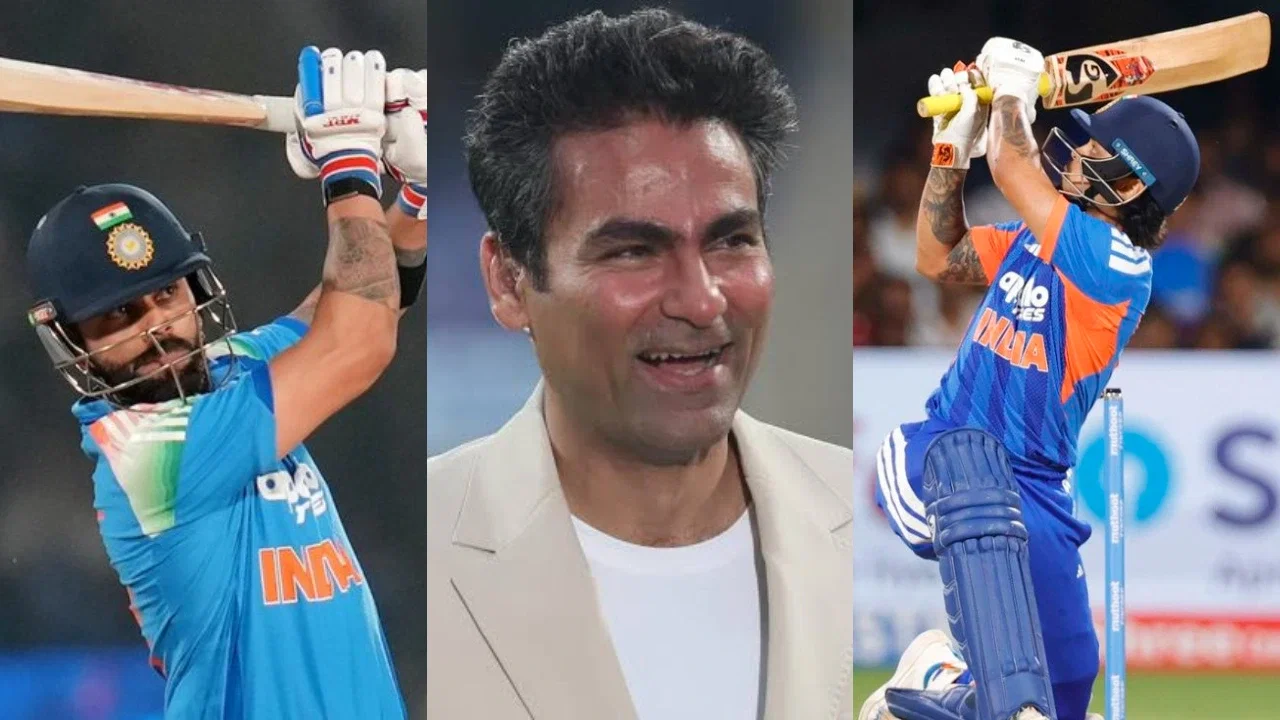
Mohammad Kaif spots Virat Kohli-like quality in Ishan Kishan after Bengaluru T20I
Shubman Gill bamboozled for 1 off 5 balls on Ranji Trophy comeback before NZ tour
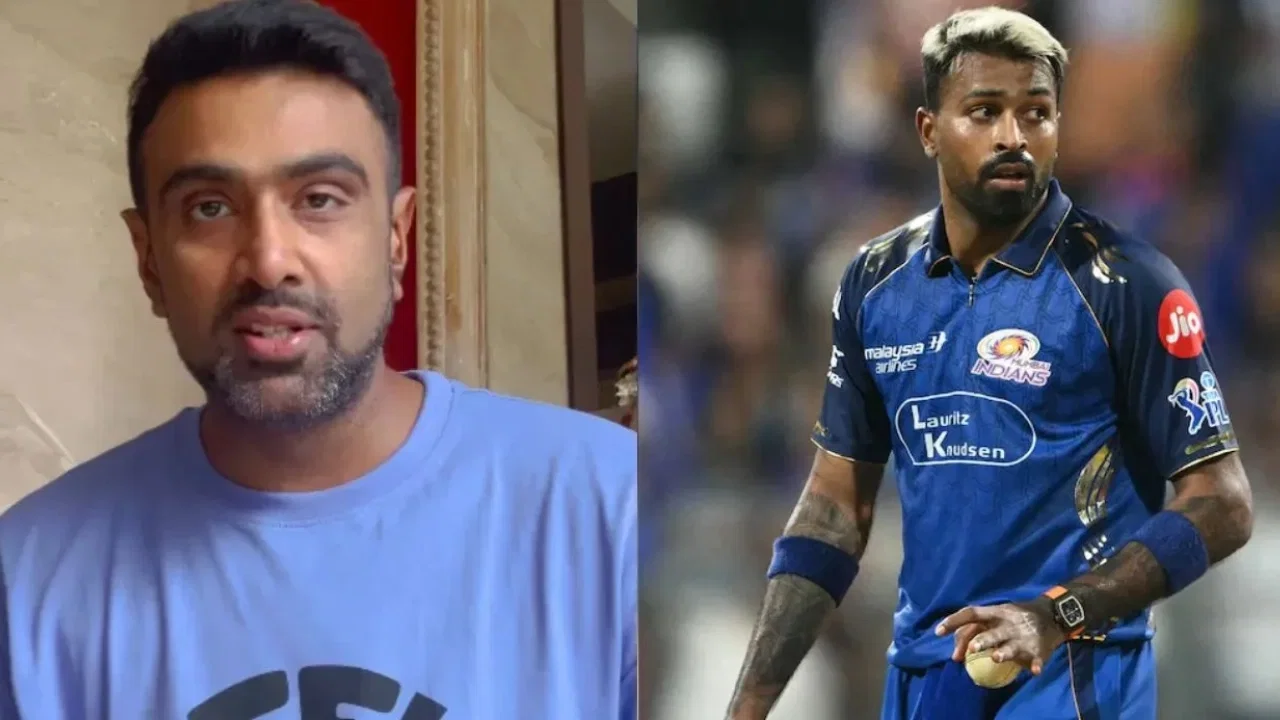
Ravichandran Ashwin names franchise leading race to sign Hardik Pandya
Pakistan to wear pink kits against England in ODI tri-series for breast cancer awareness day
Sunil Gavaskar backs Krunal Pandya for Bhuvneshwar Kumar-like India comeback
Gautam Gambhir vs VVS Laxman: Why Vaibhav Sooryavanshi keeps getting benched
Shreyas Iyer sends blunt message to Vaibhav Sooryavanshi after repeatedly benching him
Here’s why Mohammed Shami was snubbed again despite Bhuvneshwar Kumar’s comeback