Shoaib Akhtar warns Babar Azam could be dropped from Pakistan’s ODI team
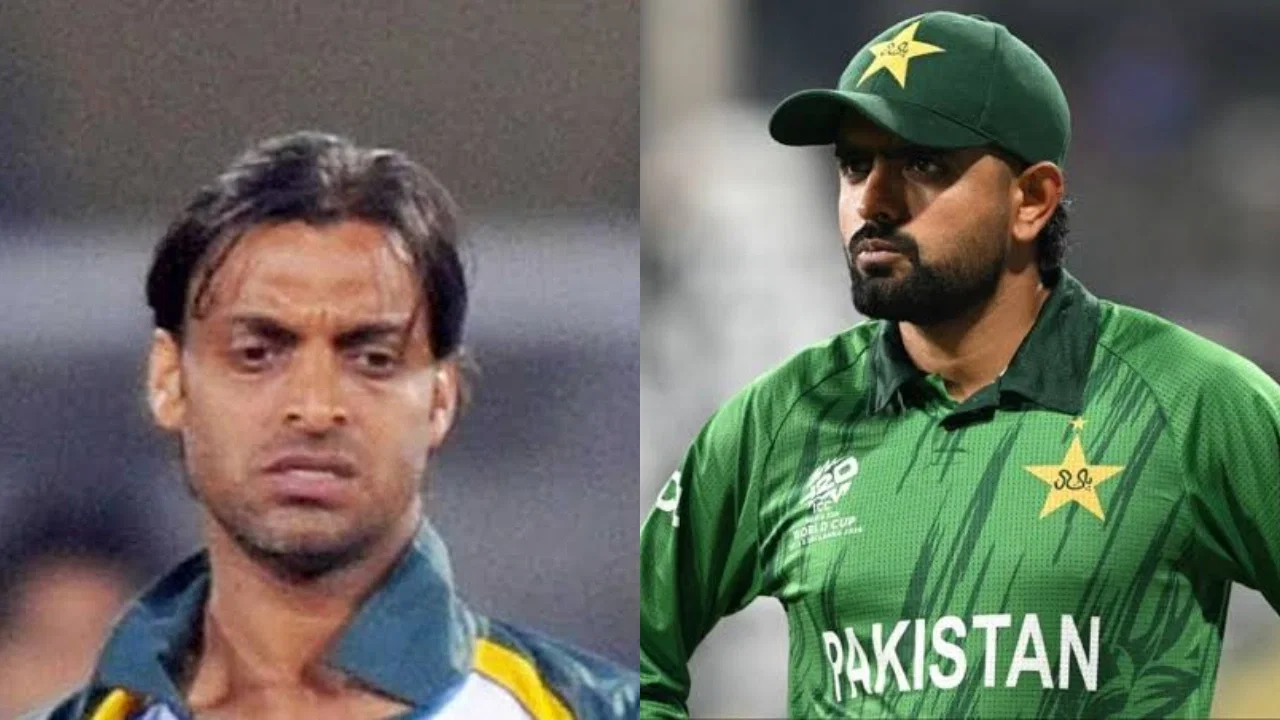
Shoaib Akhtar Warns Babar Azam and Pakistan’s Senior Players Ahead of ODI Tri-Series
Former Pakistan fast bowler Shoaib Akhtar has urged the Pakistan Cricket Board (PCB) and team management to handle the national side’s senior players carefully ahead of a home ODI tri-series featuring Sri Lanka and England. While Akhtar believes that Babar Azam and other established names deserve their places, he warned that the tournament could bring intense scrutiny—and potentially raise difficult questions about their roles if results fall short.
Akhtar’s comments arrive at a demanding point for Pakistan cricket. A home series offers the team a valuable chance to build momentum, test combinations and satisfy supporters eager to see consistent performances. But when expectations are high, experienced players can find themselves under pressure to deliver immediately. Akhtar’s central message was that accountability matters, but players should not be made to feel that one unsuccessful series will end their international careers.
Akhtar Questions Babar Azam’s ODI Future
Speaking on the Outside Edge show, Akhtar discussed Babar’s place in Pakistan’s one-day international plans. He said Babar should be selected, pointing to his ability and record, but added that the batter must show the PCB why he remains an important part of the ODI side.
Akhtar also raised a broader selection question: if Babar and other senior players do not meet expectations, should the management consider dropping them? He stopped short of calling for Babar’s removal, instead suggesting that the issue is already being discussed within Pakistan cricket circles.
“I think the big question mark is there,” Akhtar said, while stressing that he was not trying to create controversy around the former captain. His view was that Babar should play and be used in a way that makes the most of his strengths—but that the batter also needs to demonstrate his value in the format.
That distinction is important. Selection debates are often framed as a simple choice between backing a star and replacing him. In practice, teams must weigh recent form, role clarity, opposition match-ups and the needs of the batting order. For Babar, the tri-series could therefore become a significant opportunity to provide a timely response through runs and influential contributions.
Recent Numbers Add to the Scrutiny
Babar has played only three ODIs in 2026, scoring 125 runs and recording one half-century. In the previous year, he averaged 34.00 across 17 innings. Those figures offer context for the discussion, but they do not by themselves determine a player’s future. A small number of matches can produce an incomplete picture, and performance also depends on batting position, conditions and the quality of the opposition.
Even so, a high-profile player is likely to face close attention whenever the team enters a major series. Pakistan supporters will be looking not only at Babar’s total runs, but also at how he builds an innings, responds to pressure and helps set a platform for the middle order. A strong prediction about his long-term ODI future would be premature, but the series could shape the conversation around his form and role.
Pressure Extends Beyond Babar
Akhtar said the pressure is not limited to the former captain. He specifically mentioned fast bowlers Naseem Shah, Shaheen Shah Afridi and Haris Rauf, along with all-rounder Shadab Khan. Each is an established international player, and each could face questions if Pakistan’s performances do not match expectations.
For the bowlers, the demands of an ODI series can be particularly varied. Pakistan’s quicks may be expected to strike early, contain scoring during the middle overs and execute plans at the death. Shadab, meanwhile, can be judged on his contribution with both bat and ball, as well as the balance he provides to the side. When several senior players are under examination at once, the atmosphere around a team can become tense even before the first match begins.
Akhtar warned against allowing that uncertainty to weigh on players. He said senior cricketers should not enter the series thinking that it might be their last opportunity to represent Pakistan. In his view, telling a player to perform immediately or risk being discarded would create an unfair burden rather than encourage confident cricket.
Why Team Management’s Approach Matters
Akhtar’s comments point to a familiar challenge for international teams: how to balance performance standards with support for experienced players. Selection decisions must be based on results and the team’s long-term plans, but communication can influence how players respond. Clear expectations, defined roles and constructive feedback can help senior cricketers focus on the job at hand instead of worrying about speculation over their futures.
The tri-series also gives Pakistan’s management an opportunity to assess the squad under competitive conditions. Rather than treating each match as a final verdict on an individual, selectors can consider patterns across the tournament: consistency, adaptability and contribution to team outcomes. That approach may provide a more useful basis for future decisions than reacting to one innings or one difficult spell.
For Babar, the immediate task is straightforward: make the most of his opportunity and help Pakistan win. For the management, the challenge is to select on merit while avoiding unnecessary pressure that could undermine performance. And for supporters, the series will offer a chance to judge how the senior core responds to scrutiny on home soil.
A Defining Opportunity, Not a Final Verdict
Akhtar’s warning is ultimately less a prediction of an imminent shake-up than a reminder of the expectations surrounding Pakistan’s senior players. Babar, Naseem, Shaheen, Haris and Shadab remain important figures, but their standing will naturally be discussed if the team struggles to produce results.
The coming matches could influence selection debates and provide valuable evidence about Pakistan’s ODI direction. Yet one series should not automatically be treated as the final word on any player’s career. If the team management can combine fair evaluation with clear support, Pakistan may give its senior stars the best chance to perform—and give the side a stronger foundation for the challenges ahead.
Latest News
Chris Woakes reveals how Rob Key hurt him before retirement
Mohammad Rizwan gets PCB clearance to return to domestic cricket amid betting probe
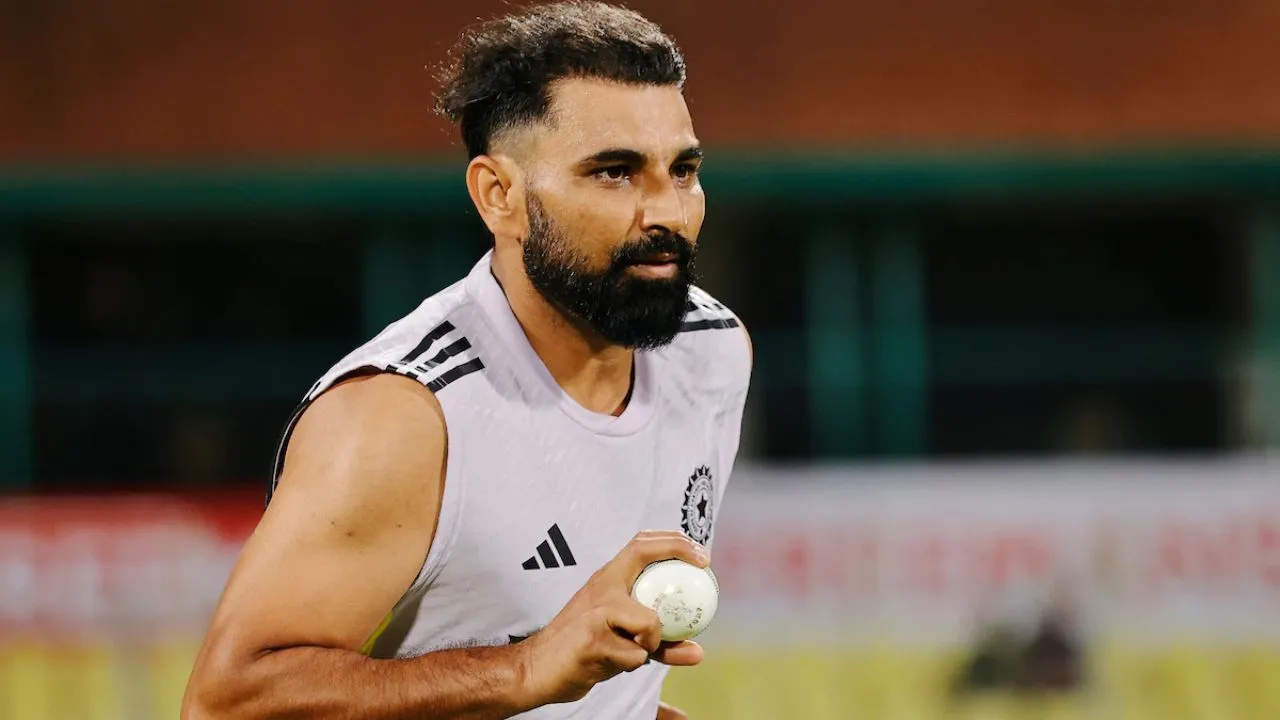
Mohammed Shami suffers injury amid India comeback talks, misses Ranji match
Shoaib Akhtar warns Babar Azam could be dropped from Pakistan’s ODI team

Keemo Paul out, Shamar Springer in as West Indies announce change for Bangladesh Tests
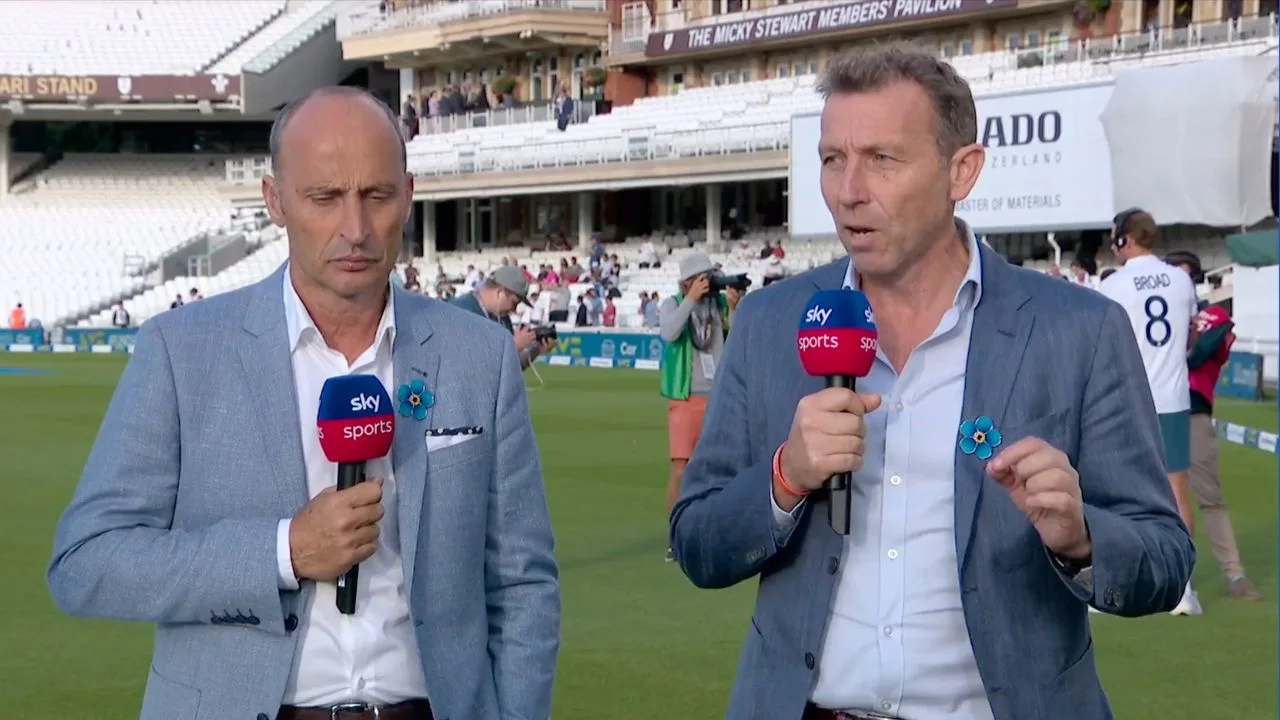
Michael Atherton, Nasser Hussain left out of Pakistan’s ODI tri-series commentary panel
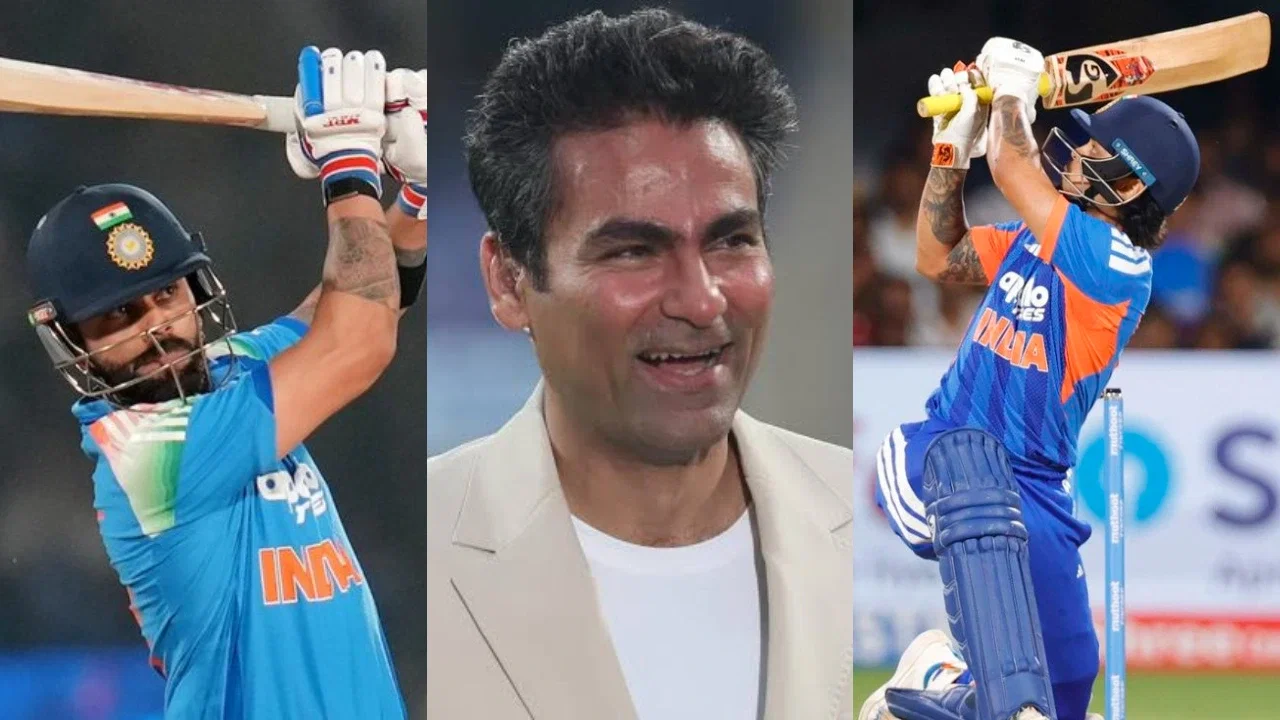
Mohammad Kaif spots Virat Kohli-like quality in Ishan Kishan after Bengaluru T20I
Shubman Gill bamboozled for 1 off 5 balls on Ranji Trophy comeback before NZ tour
Ravichandran Ashwin names franchise leading race to sign Hardik Pandya
Pakistan to wear pink kits against England in ODI tri-series for breast cancer awareness day
Sunil Gavaskar backs Krunal Pandya for Bhuvneshwar Kumar-like India comeback
Gautam Gambhir vs VVS Laxman: Why Vaibhav Sooryavanshi keeps getting benched
Shreyas Iyer sends blunt message to Vaibhav Sooryavanshi after repeatedly benching him
Here’s why Mohammed Shami was snubbed again despite Bhuvneshwar Kumar’s comeback