Gautam Gambhir vs VVS Laxman: Why Vaibhav Sooryavanshi keeps getting benched
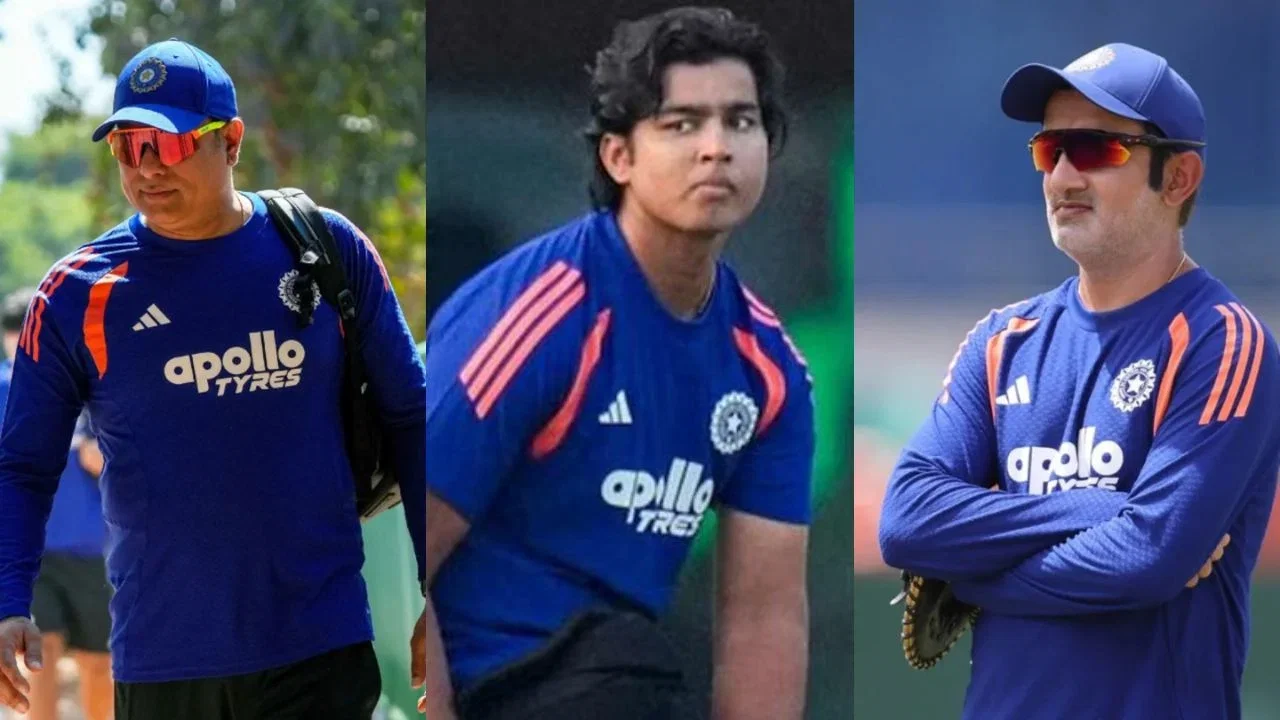
Vaibhav Sooryavanshi’s India Opportunity: Why the Young Opener Missed the West Indies T20I Series
Vaibhav Sooryavanshi’s absence from India’s playing XI throughout the five-match T20I series against the West Indies has prompted fresh discussion about how the team plans to develop its young talent. The 15-year-old opener remained on the bench for every match, despite supporters calling for the left-hander to be given a chance at the top of the order.
The decision does not necessarily signal a loss of confidence in Sooryavanshi. Rather, it reflects the difficult balance India’s selectors and coaching staff face: rewarding a promising youngster while also preserving a settled opening combination in a demanding international schedule. His next selection—and the team’s plans for its top order—will be closely watched as India prepares for its tour of New Zealand.
Strong T20I Numbers, but Limited Chances Under Gautam Gambhir
Sooryavanshi has scored 246 runs in eight T20Is, averaging 30.75 and striking at an impressive 186.36. Those figures point to an attacking batter who can change the pace of an innings quickly. At the same time, eight appearances remain a small sample, and the team may want to assess him in different conditions before settling on a long-term role.
His opportunities have also varied depending on who was overseeing the side. Sooryavanshi played all five matches during the 2026 Zimbabwe tour under VVS Laxman, but appeared in only three of the 15 T20Is played during Gautam Gambhir’s tenure. All three of his outings under Gambhir came on India’s tour of England. He did not feature in the bilateral series against Ireland, Afghanistan or the West Indies.
That contrast has fuelled debate among fans, but the figures alone do not explain the difference. India’s combinations, the strength of the opposition and the purpose of each tour can all influence selection. A player’s place in one squad does not guarantee an automatic spot in another, particularly when the management is prioritising continuity.
What Sooryavanshi Showed Under VVS Laxman
Sooryavanshi made the most of his extended run in Zimbabwe, scoring 151 runs at a strike rate of 196.10 and earning the Player of the Series award. The performance strengthened his case as an explosive option in the powerplay, where his ability to score rapidly can put pressure on bowlers and fielding teams.
He also contributed during the 2026 Asian Games. Sooryavanshi struck 38 from 21 balls against Sri Lanka and added 15 from nine deliveries in the gold-medal match against Pakistan. India won the final by 19 runs to secure the gold. While those innings came in a different competitive setting from a full-strength bilateral series, they offered further evidence of his attacking approach under pressure.
Despite those performances, Sooryavanshi has yet to make his international debut on home soil. That milestone could be particularly meaningful for a player still at the beginning of his career, although selection will ultimately depend on team requirements rather than the occasion alone.
Why India Kept Its Opening Pair Together
One of the clearest reasons Sooryavanshi did not play against the West Indies was India’s preference for continuity at the top. Sanju Samson and Abhishek Sharma opened in all five matches, giving the management a consistent partnership to assess. Changing that combination could have interrupted its development, especially if the team wanted to give the same pair a sustained run.
Laxman’s teams, by contrast, often included younger or second-string players when senior international commitments overlapped. The Asian Games squad also had room for an additional batter, creating a more direct route into the XI for Sooryavanshi. Different squad objectives can therefore produce very different opportunities, even for the same player.
There is also a broader selection principle at work. India’s management appears to expect young players to remain patient and earn their opportunities through performance, preparation and readiness. That approach can be frustrating for supporters eager to see an exciting prospect in action, but it also protects a developing player from being rushed into a role before the team has identified the best conditions for him to succeed.
New Zealand Tour Could Provide Another Selection Opportunity
India’s next assignment is a tour of New Zealand, beginning with a five-match T20I series on October 22. The schedule then continues with five ODIs and two Test matches against the Black Caps. The first T20I is scheduled for Hagley Oval in Christchurch, with the second match also set to take place at the venue on October 24. The teams will then move to Wellington, Auckland and Hamilton for the remaining fixtures.
The tour could give Sooryavanshi another chance to enter India’s playing XI, but his selection is not guaranteed. India may choose to retain its established opening pair, or it could use one of the matches to test an alternative combination. Any decision is likely to depend on the squad balance, player workload and the management’s assessment of conditions.
New Zealand presents a different challenge from the West Indies. Its pitches can offer pace and bounce, while conditions may also shift between venues. For a young opener, adapting to those variations would be an important test of technique and decision-making. It could also help the selectors judge whether his aggressive style translates effectively beyond the conditions in which he has already impressed.
Prediction: What Could Happen Next for Sooryavanshi?
A realistic prediction is that Sooryavanshi will remain in contention without being guaranteed a place in the first-choice XI. His strike rate, Zimbabwe series award and Asian Games contributions give him a strong case for consideration. However, India’s preference for a settled opening partnership means he may need to wait until the team sees a tactical reason to make a change—or until an opportunity arises through rotation or workload management.
For now, the West Indies series should be viewed as a selection decision rather than a definitive verdict on the teenager’s future. Sooryavanshi has already shown that he can score quickly and make an impact when given a sustained opportunity. The next step is to build on that record while remaining ready for the demands of international cricket.
Whether he features in New Zealand or has to wait longer, the central question is not simply how soon India selects him. It is how the team can introduce him in a role that supports his development and benefits the side. With his early T20I numbers attracting attention, every squad announcement—and every opening combination—will keep the spotlight on Vaibhav Sooryavanshi.
Latest News
Chris Woakes reveals how Rob Key hurt him before retirement
Mohammad Rizwan gets PCB clearance to return to domestic cricket amid betting probe
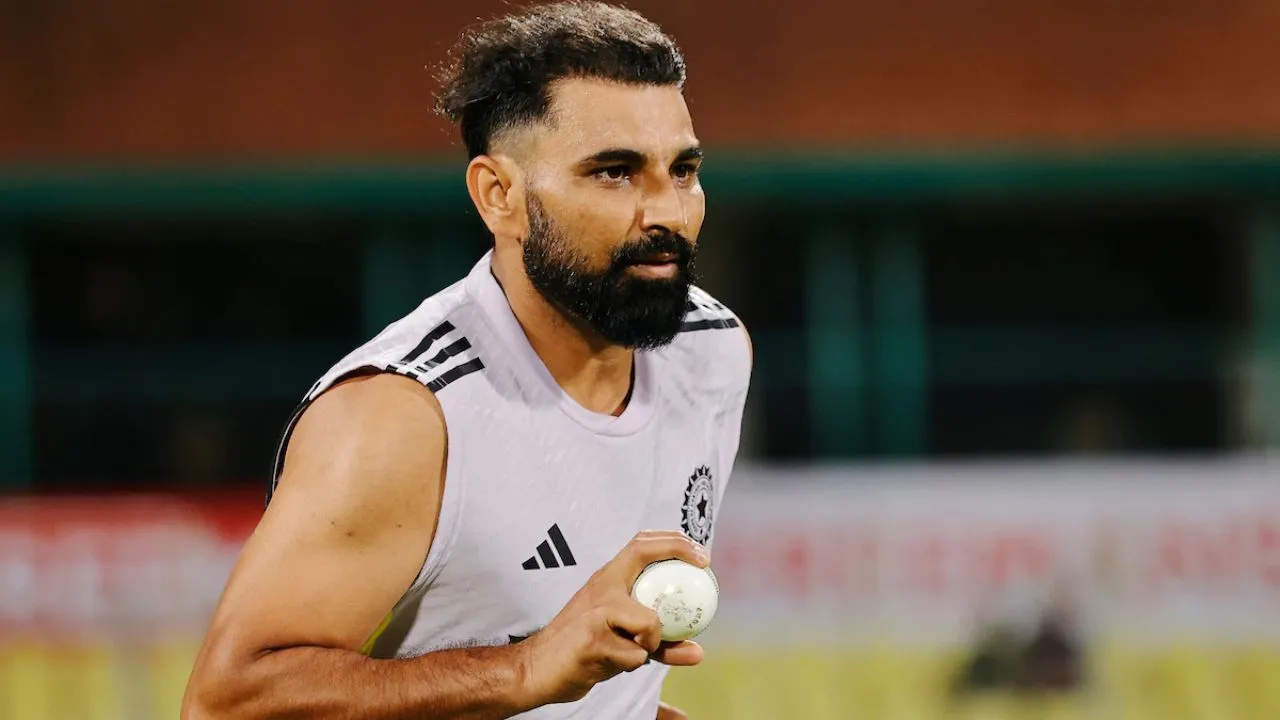
Mohammed Shami suffers injury amid India comeback talks, misses Ranji match
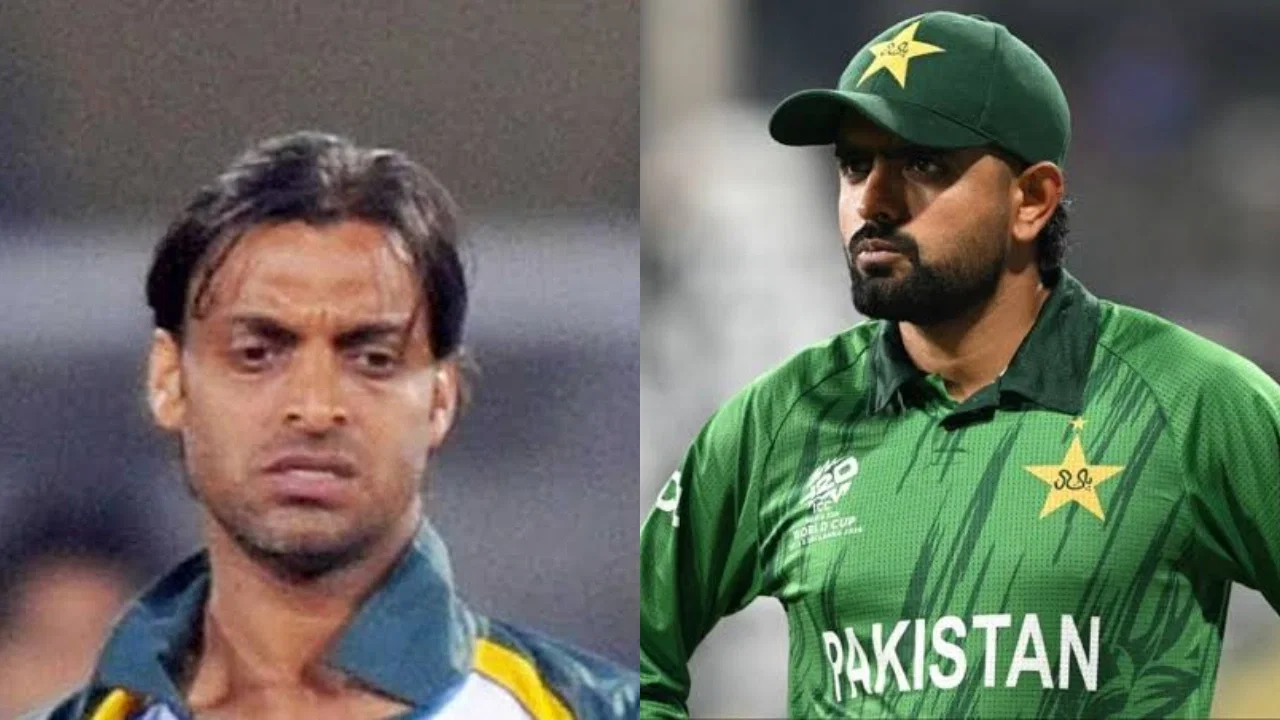
Shoaib Akhtar warns Babar Azam could be dropped from Pakistan’s ODI team
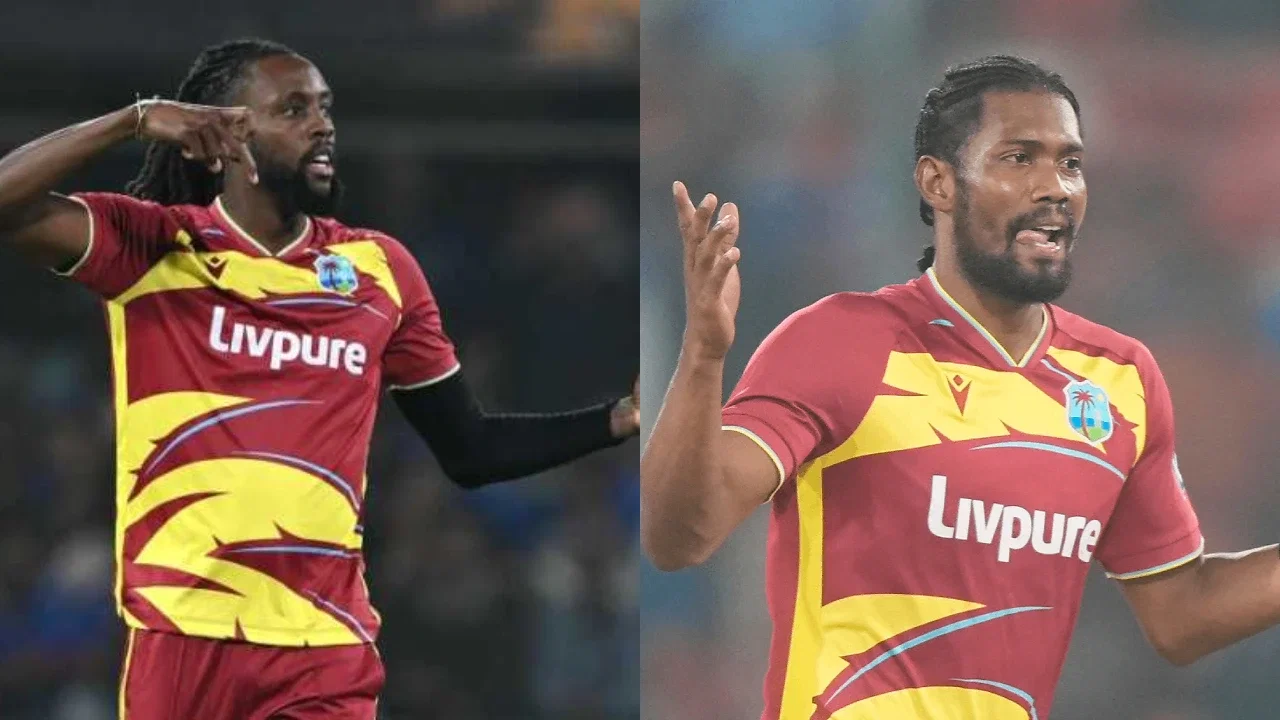
Keemo Paul out, Shamar Springer in as West Indies announce change for Bangladesh Tests
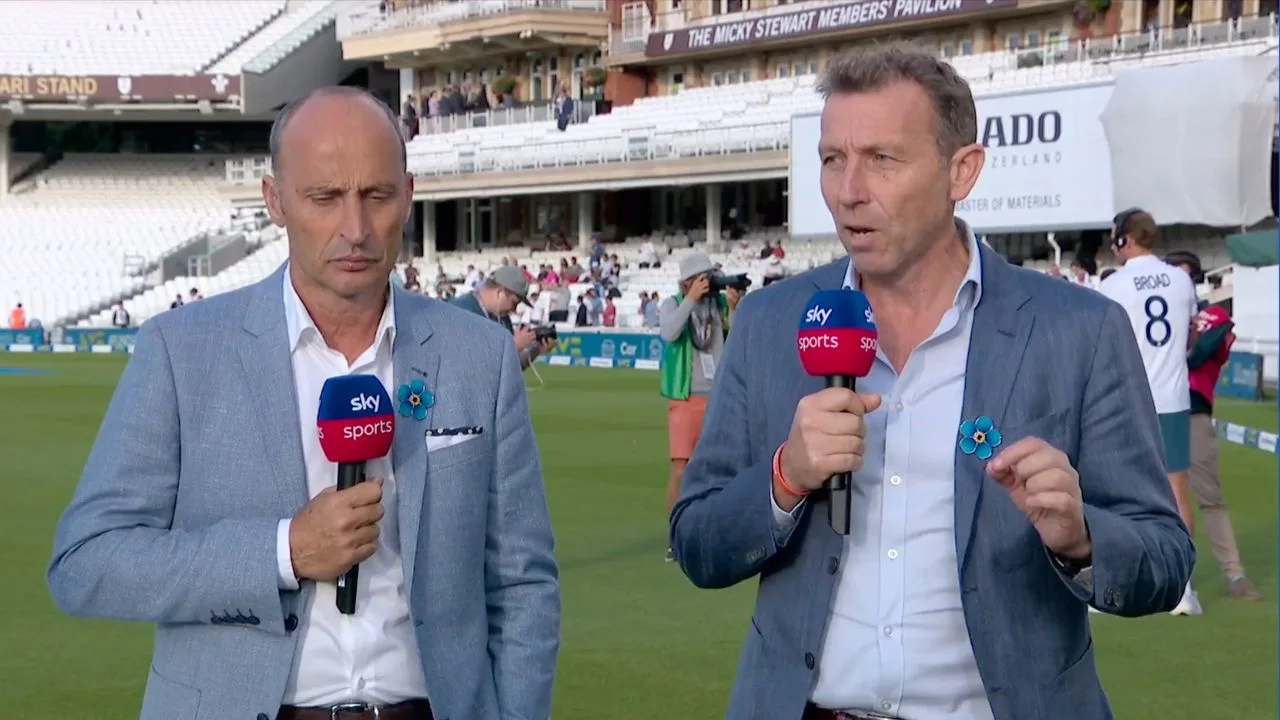
Michael Atherton, Nasser Hussain left out of Pakistan’s ODI tri-series commentary panel
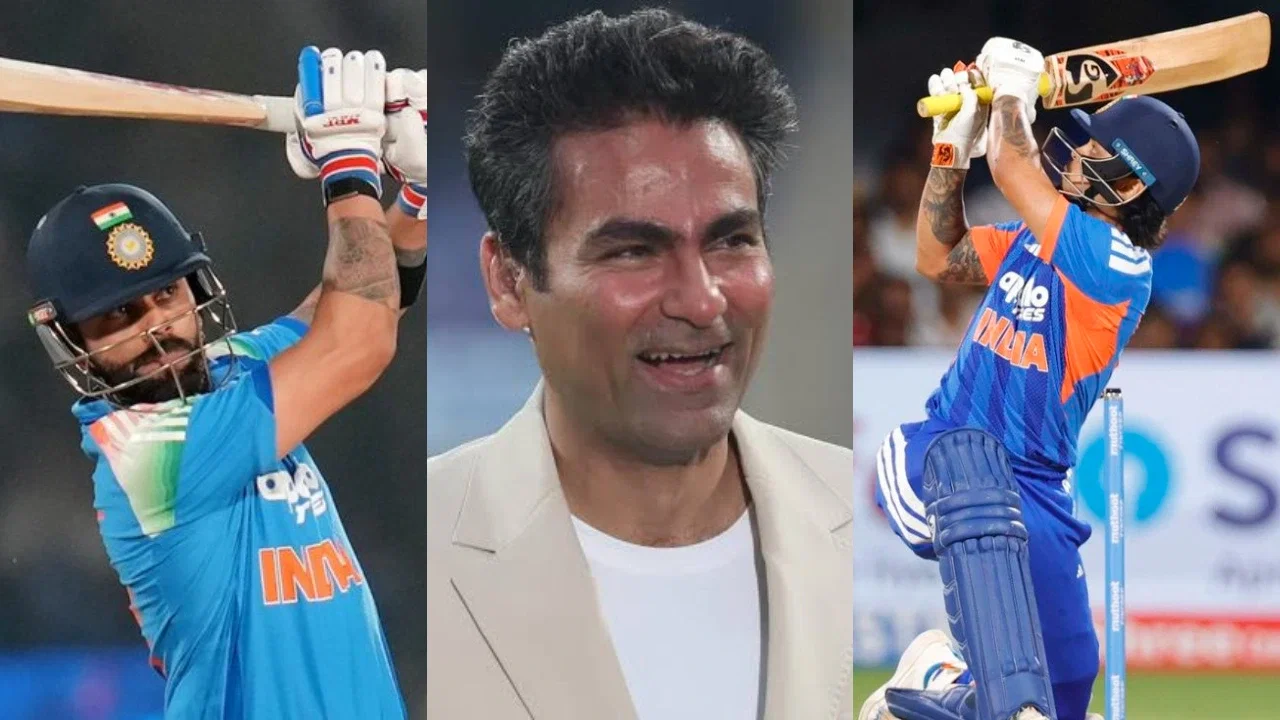
Mohammad Kaif spots Virat Kohli-like quality in Ishan Kishan after Bengaluru T20I
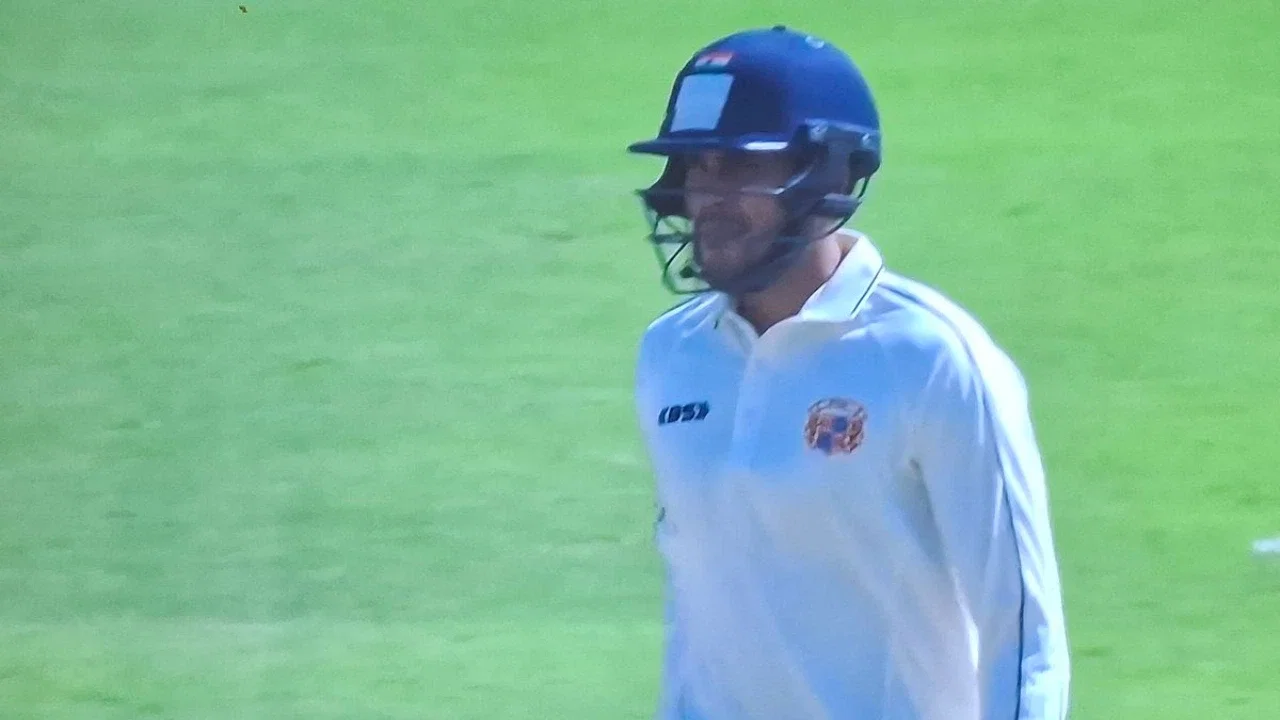
Shubman Gill bamboozled for 1 off 5 balls on Ranji Trophy comeback before NZ tour
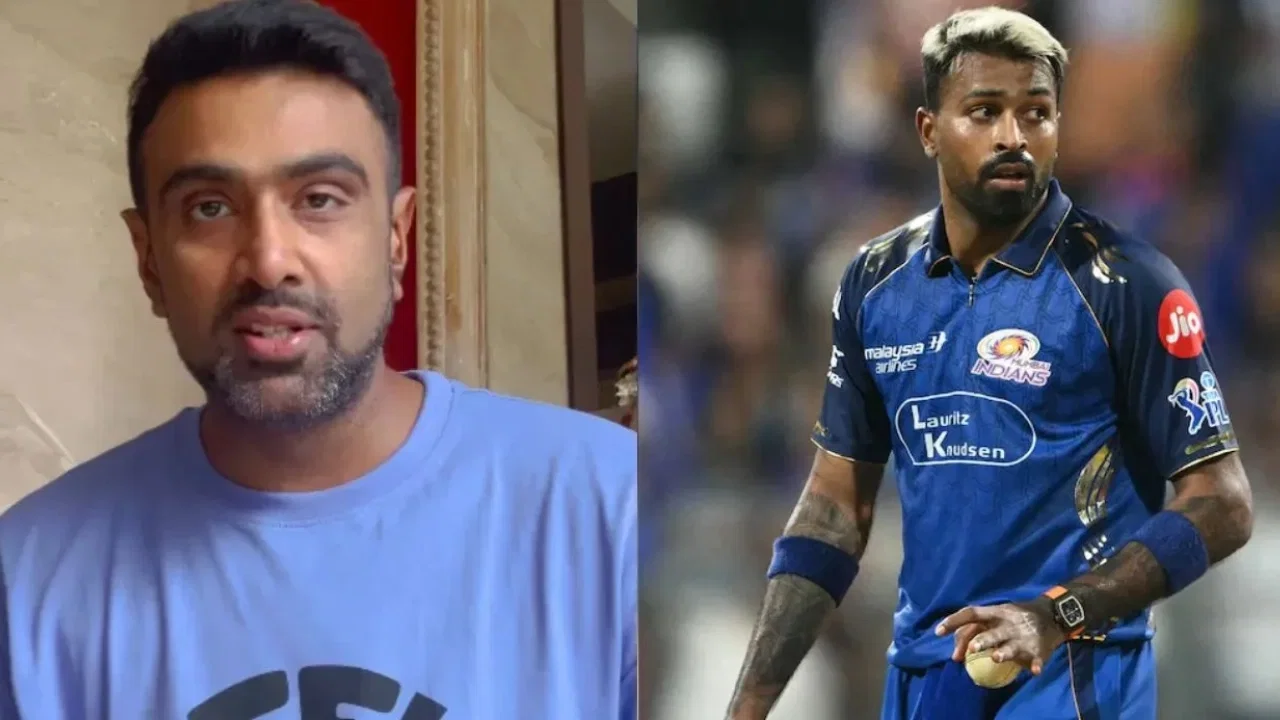
Ravichandran Ashwin names franchise leading race to sign Hardik Pandya
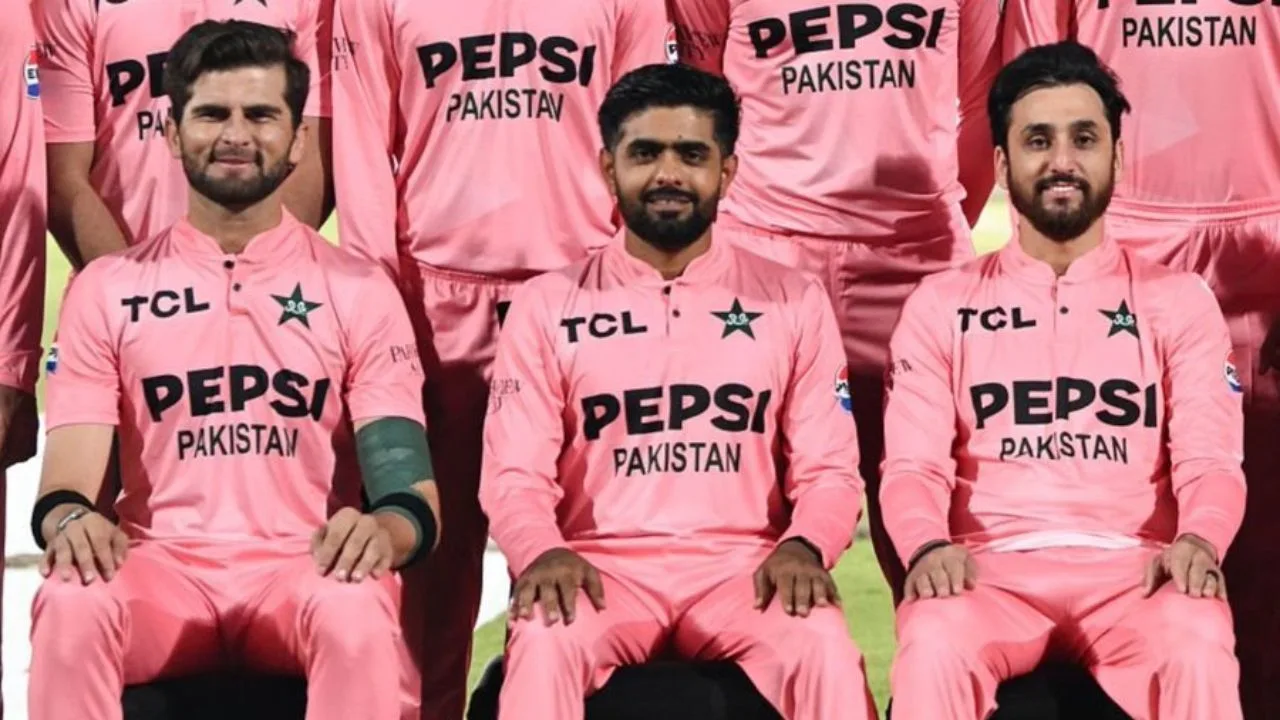
Pakistan to wear pink kits against England in ODI tri-series for breast cancer awareness day
Sunil Gavaskar backs Krunal Pandya for Bhuvneshwar Kumar-like India comeback
Gautam Gambhir vs VVS Laxman: Why Vaibhav Sooryavanshi keeps getting benched
Shreyas Iyer sends blunt message to Vaibhav Sooryavanshi after repeatedly benching him
Here’s why Mohammed Shami was snubbed again despite Bhuvneshwar Kumar’s comeback