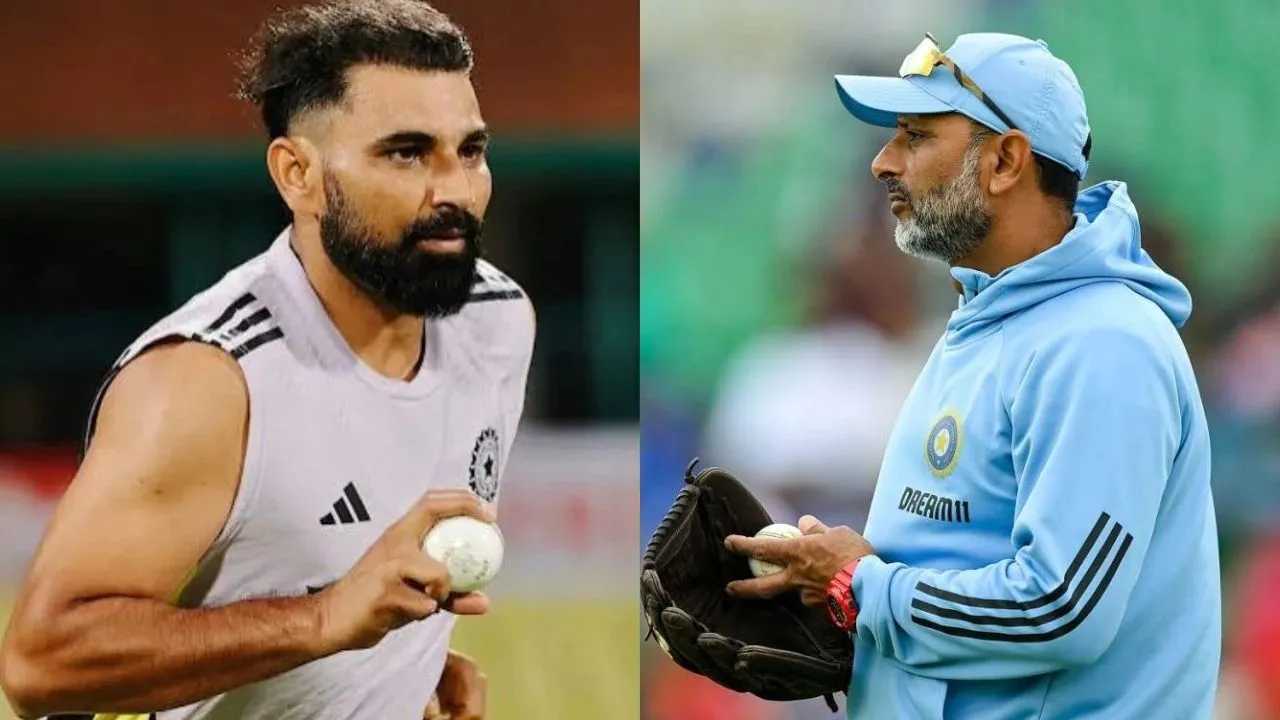
Congress leader warns BCCI against India vs Pakistan match at Asia Cup 2025
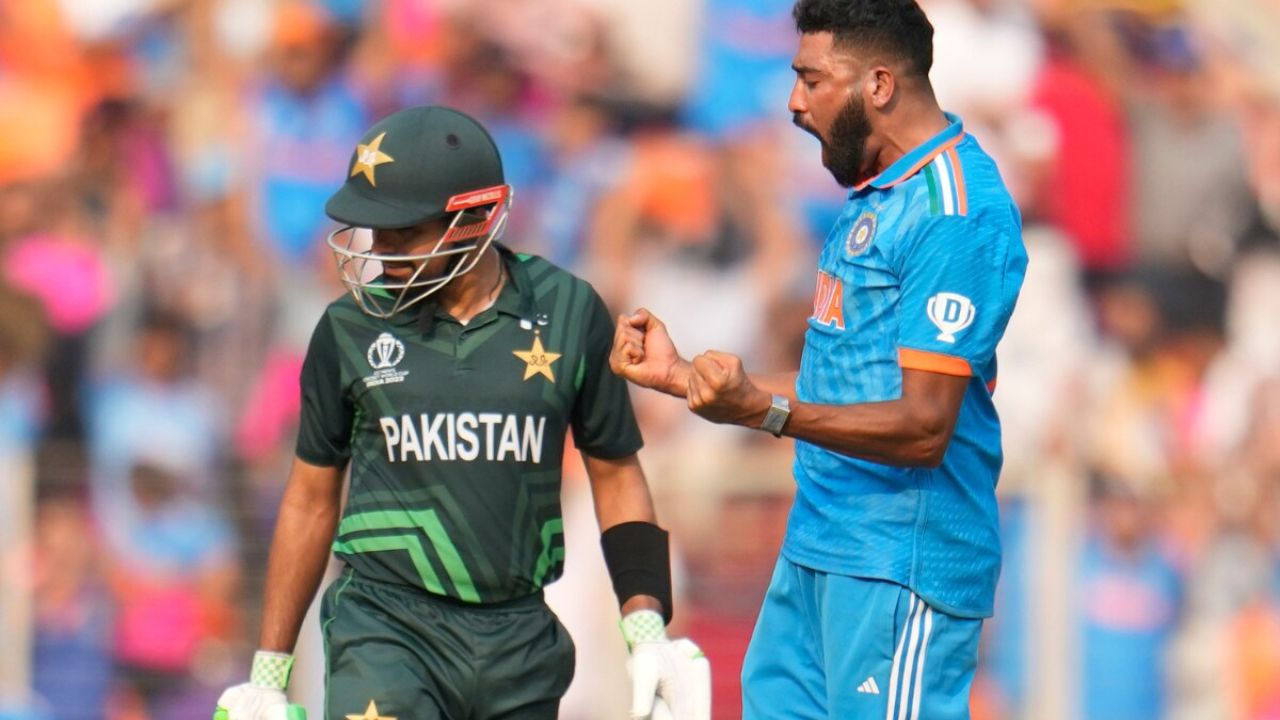
Congress Leader Urges BCCI to Reconsider India vs Pakistan Match at Asia Cup 2025
The upcoming Asia Cup 2025 is generating intense controversy even before it begins, as the highly anticipated India vs Pakistan clash scheduled for September 14 in Dubai has come under scrutiny. The Board of Control for Cricket in India (BCCI) has faced criticism from various politicians, with Congress’ deputy leader in the Lok Sabha, Gaurav Gogoi, being the latest to voice concerns.
Political Firestorm
Gogoi has urged the BCCI to reconsider the India vs Pakistan game in light of recent events, including the tragic terrorist attack in Pahalgam and ongoing military operations. He highlighted that playing cricket with Pakistan at such a sensitive time could be detrimental to India’s interests, especially when Indian soldiers are making sacrifices at the borders.
In a letter addressed to BCCI secretary Devajit Saikia, Gogoi emphasized the need to prioritize national security over sporting engagements. He stated, “While cricket is a source of joy for many, given the current state of India-Pakistan relations, such matches should not take precedence over the country’s interests.”
Emotional Impact
Gogoi underscored the emotional impact of the India vs Pakistan rivalry, noting the historical political tensions that accompany every match between the two nations. He argued that sporting events cannot be divorced from the reality of cross-border hostilities, particularly in the aftermath of the Pahalgam terror attack.
Referring to Prime Minister Narendra Modi’s acknowledgment of ongoing cross-border tensions, Gogoi reiterated the need to prioritize national security above all else. He questioned why India should engage in a cricket match with Pakistan when the latter chose to skip the Hockey Asia Cup 2025 in India due to security concerns.
Call for Action
Gogoi concluded by urging the BCCI to refrain from cricketing engagements with Pakistan until circumstances are more conducive to the nation’s interests. He emphasized the importance of diplomacy and national security in shaping India’s approach to sporting relationships with neighboring countries.
Despite the controversy surrounding the India vs Pakistan match, the current schedule for the Asia Cup 2025 includes the potential for multiple encounters between the two arch-rivals in the group stage, Super Four stage, and potentially the final. The PCB chief and ACC President Mohsin Naqvi has asserted that there will be no ‘begging’ from India for a bilateral series, indicating Pakistan’s stance on the matter.
As the debate rages on, the decision whether to proceed with the India vs Pakistan match in the Asia Cup 2025 remains a contentious issue, reflecting the complex interplay between sports, politics, and national security in the region.
Impact on Cricketing Diplomacy
The ongoing debate surrounding the India vs Pakistan match at the Asia Cup 2025 highlights the intricate relationship between sports and diplomacy in the Indian subcontinent. Cricket has long been used as a tool for diplomacy and peacebuilding between the two neighboring nations, with matches often seen as opportunities for cultural exchange and communication.
However, in recent years, the political tensions between India and Pakistan have spilled over into the realm of sports, leading to frequent disruptions in cricketing engagements. The decision to play or cancel matches between the two teams is not merely a sporting one but carries significant political and diplomatic implications.
Historical Context
The India vs Pakistan cricket rivalry is deeply rooted in the historical and political relationship between the two countries. The Partition of India in 1947 created a deep-seated animosity that has manifested in various forms, including conflicts over territory, sovereignty, and identity. Cricket matches between India and Pakistan have often been viewed through this historical lens, with victories and defeats carrying symbolic weight beyond the cricket field.
Given this historical context, the decision to play or boycott matches between India and Pakistan is fraught with meaning and symbolism, reflecting the broader geopolitical dynamics at play in the region.
Regional Implications
The India vs Pakistan match at the Asia Cup 2025 also has broader regional implications, as other South Asian countries closely monitor developments between the two cricketing giants. The outcome of the match and the subsequent reactions from both sides could have ripple effects on regional stability and diplomatic relations.
Countries like Sri Lanka, Bangladesh, and Afghanistan, which also participate in regional cricket tournaments, often find themselves caught between the competing interests of India and Pakistan. The decision-making process surrounding the India vs Pakistan match underscores the complexities of regional diplomacy and the delicate balance that neighboring nations must maintain.
The Role of Sports in Conflict Resolution
While the India vs Pakistan match at the Asia Cup 2025 has sparked controversy, it also presents an opportunity for both countries to use sports as a platform for dialogue and conflict resolution. Cricket has the power to transcend political differences and bring people together in a shared passion for the game.
By engaging in sporting exchanges, India and Pakistan have the chance to build bridges, foster understanding, and promote peace in the region. While the decision to play the match may be contentious, it also opens the door for constructive engagement and dialogue between the two nations.
Conclusion
As the debate over the India vs Pakistan match at the Asia Cup 2025 continues, it is clear that the intersection of sports, politics, and diplomacy in the region is complex and multifaceted. The decision-making process surrounding cricketing engagements between India and Pakistan carries significant weight and requires careful consideration of national interests, security concerns, and diplomatic implications.
Ultimately, the outcome of the India vs Pakistan match will not only impact the teams on the field but also have far-reaching consequences for regional relations and the broader landscape of South Asian geopolitics. Finding a balance between sporting competition and diplomatic engagement is essential to navigating the intricacies of the India-Pakistan relationship and fostering peace and stability in the region.
Latest News
Top 10 highest run-chases in T20 cricket history, ft. West Indies’ Ranchi win vs India
Aaryavir Sehwag and Anvay Dravid set to make headlines at U19 Asia Cup 2026

Longest ducks in Test cricket history ft. Nic Maddinson, Shoaib Akhtar

ECB to offer 39 central contracts to England players after Ben Stokes, Mark Wood’s retirement

Steve Smith surpasses Steve Waugh in all-time Test run-scorers’ list

Shane Watson identifies Gautam Gambhir’s biggest problem as India struggle for consistency

Is Bhuvneshwar Kumar in India’s 2027 World Cup plans? Ajinkya Rahane makes revelation

BCCI’s big ₹127 Crore move after injury crisis raises concerns over Team India

Parthiv Patel reveals RCB ignored his Jasprit Bumrah recommendation in IPL 2014 Auction
“Never spoke ill of any faith”: Irfan Pathan hits back at fake news using his name
Nic Maddinson bags 33-ball duck on Test comeback, disappoints George Bailey
Imran Tahir predicts 2027 ICC ODI World Cup Semi-Finalists, snubs India for title
Australia create unwanted history with first all-30-plus Test XI
Ravindra Jadeja returns to Ranji Trophy as Saurashtra announce squad