“Cricket has drinking culture”: Ben Stokes responds to England drinking problem claims
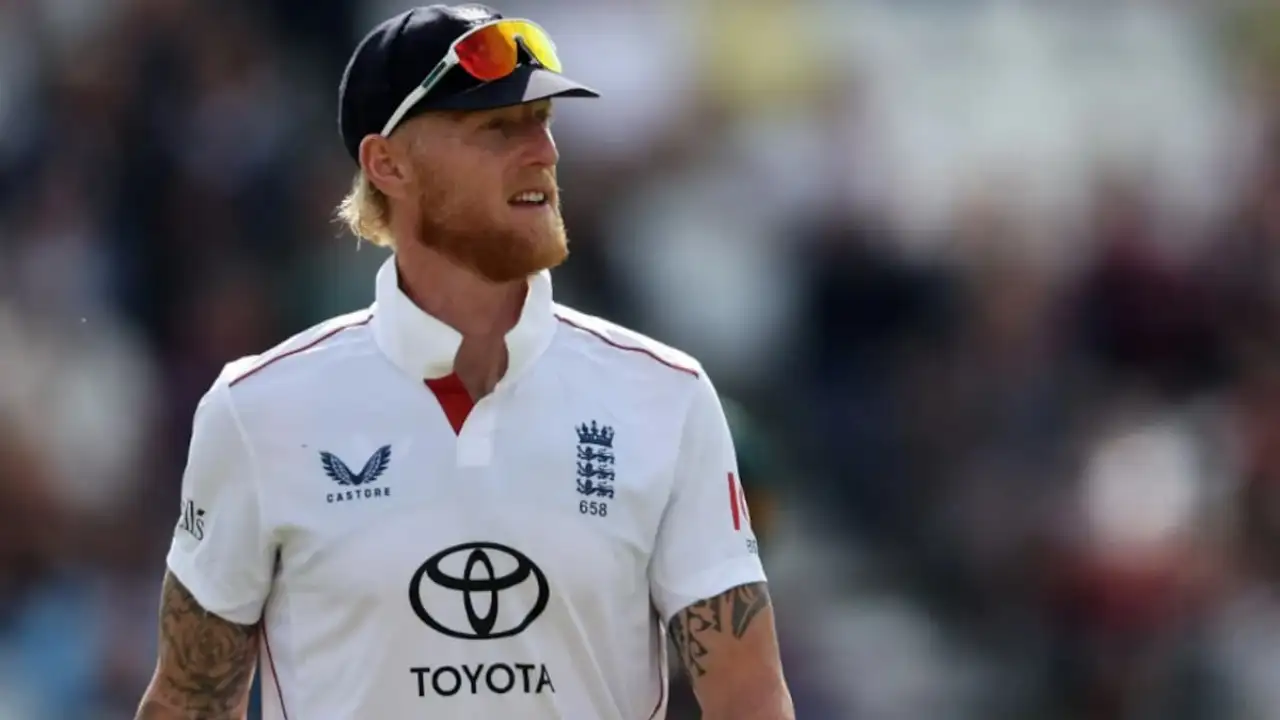
Former England Cricket Captain Ben Stokes Opens Up About Alcohol Culture in Cricket
After retiring from international cricket in June, former England National Cricket Team captain Ben Stokes has spoken out about the alcohol culture within the sport. Stokes made headlines when he abruptly retired following a nightclub controversy that erupted after the first Test match against New Zealand.
The Nightclub Controversy
Stokes, along with cricketer Gus Atkinson, found themselves in hot water after breaching the team’s curfew to attend a party following a win over New Zealand in the first Test match. The night took a turn for the worse when the two players were involved in a physical altercation with a Rugby player at a nightclub. As a result, they were suspended from the second Test match.
Speaking Out
Recently, Stokes joined former teammates Jos Buttler and Stuart Broad on the ‘For The Love Of Cricket’ podcast to discuss the prevalent issue of alcohol within cricket. Stokes addressed the notion of whether the England team has a drinking problem, stating, “I think cricket has a drinking culture, and it really hasn’t changed.”
He elaborated, “From club cricket onwards, it has always been there, and it’s become embedded within the sport. While the game has evolved with more science, better medicine, improved nutrition, and greater professionalism, the one constant has been its relationship with alcohol.”
Stokes’ Personal Experience
Stokes also shared his personal struggles with alcohol, admitting, “I’ve had periods in my career where my relationship with alcohol was potentially dangerous.” He emphasized that while the game of cricket has seen advancements and changes over the years, the association with alcohol has remained consistent since the 1980s.
He expressed his concern, saying, “I honestly don’t know what you do to change it. It’s just one of those things. But I still believe that cricket’s relationship with alcohol has remained the same since the 1980s.”
Past Incidents
This is not the first time Ben Stokes has been embroiled in a physical altercation. In 2017, he made headlines for a street fight outside a nightclub in Bristol, resulting in his arrest and subsequent charge of affray. However, he was acquitted by a jury at Bristol Crown Court in August 2018.
Stokes’ candid discussion on the podcast sheds light on the prevalent issue of alcohol culture within cricket and raises questions about how the sport can address and potentially change this long-standing tradition.
As the cricket world grapples with these revelations, it remains to be seen how governing bodies and players will work together to navigate the complexities of alcohol culture within the sport.
Alcohol Culture in Cricket: A Historical Perspective
The issue of alcohol consumption within cricket is not a new phenomenon. In fact, the sport has a long and storied history with alcohol dating back to its early days. Traditionally, cricket matches were followed by social gatherings where players and spectators would partake in drinking as a way to unwind and socialize.
During the 19th and early 20th centuries, alcohol was a common feature in cricket culture, with many players indulging in post-match celebrations and bonding over a few drinks. This tradition continued through the decades and became ingrained in the fabric of the sport.
The Impact on Performance and Behavior
While alcohol consumption may have been more socially acceptable in the past, its effects on player performance and behavior cannot be ignored. Excessive drinking can impair judgment, coordination, and physical abilities, potentially affecting a player’s on-field performance and decision-making.
Moreover, the association between alcohol and aggressive behavior, as seen in incidents involving Ben Stokes, raises concerns about the influence of alcohol culture on player conduct both on and off the field. Addressing these issues is crucial to safeguarding the integrity and professionalism of the sport.
Changing Dynamics and Modern Challenges
In recent years, there has been a shift in attitudes towards alcohol in cricket, with a growing emphasis on health, fitness, and professionalism. Players are now expected to maintain high levels of physical and mental fitness, requiring them to make conscious choices about their lifestyle habits, including alcohol consumption.
However, as Ben Stokes highlighted, the traditional association between cricket and alcohol remains deeply rooted in the sport’s culture. Breaking away from this long-standing tradition presents challenges that require a collective effort from players, coaches, administrators, and governing bodies.
Addressing Alcohol Culture in Cricket
To combat the pervasive alcohol culture in cricket, proactive measures need to be implemented at various levels of the sport. This includes promoting awareness about the risks and consequences of excessive drinking, providing support and resources for players struggling with alcohol-related issues, and fostering a culture of responsibility and accountability.
Training programs on alcohol awareness and responsible drinking can be integrated into player education initiatives to equip them with the knowledge and tools to make informed decisions about their alcohol consumption. Creating a supportive environment where players feel comfortable seeking help and guidance is essential for addressing alcohol-related challenges within the cricket community.
The Road Ahead
As cricket continues to evolve and adapt to modern expectations and standards, the issue of alcohol culture remains a significant topic of discussion and debate. By acknowledging the challenges associated with alcohol consumption in the sport and taking proactive steps to address them, cricket can uphold its reputation as a professional and respected sporting community.
Players like Ben Stokes, who have openly shared their experiences and perspectives on alcohol culture, play a vital role in raising awareness and initiating conversations about the need for change. It is through collaborative efforts and a commitment to promoting a healthy and responsible sporting environment that cricket can effectively navigate the complexities of alcohol culture and pave the way for a brighter future.
Latest News
Top 10 highest run-chases in T20 cricket history, ft. West Indies’ Ranchi win vs India
Aaryavir Sehwag and Anvay Dravid set to make headlines at U19 Asia Cup 2026
Longest ducks in Test cricket history ft. Nic Maddinson, Shoaib Akhtar
ECB to offer 39 central contracts to England players after Ben Stokes, Mark Wood’s retirement
Steve Smith surpasses Steve Waugh in all-time Test run-scorers’ list
Shane Watson identifies Gautam Gambhir’s biggest problem as India struggle for consistency
Is Bhuvneshwar Kumar in India’s 2027 World Cup plans? Ajinkya Rahane makes revelation

BCCI’s big ₹127 Crore move after injury crisis raises concerns over Team India
Parthiv Patel reveals RCB ignored his Jasprit Bumrah recommendation in IPL 2014 Auction
“Never spoke ill of any faith”: Irfan Pathan hits back at fake news using his name
Nic Maddinson bags 33-ball duck on Test comeback, disappoints George Bailey

Imran Tahir predicts 2027 ICC ODI World Cup Semi-Finalists, snubs India for title
Australia create unwanted history with first all-30-plus Test XI
Ravindra Jadeja returns to Ranji Trophy as Saurashtra announce squad