Dale Steyn blasts ECB amid Ben Stokes controversy, questions control over players’ private lives

Cricket Controversy: Should Boards Interfere in Players’ Personal Lives?
The recent Ben Stokes incident has stirred up a storm of controversy in the cricket world, raising questions about the extent to which cricket boards should interfere in players’ personal lives. Following a nightclub incident, the England and Wales Cricket Board (ECB) took the decision to drop both Ben Stokes and Gus Atkinson from the team, leading to mixed reactions from fans and experts alike.
Dale Steyn’s Perspective
Former South Africa pacer Dale Steyn weighed in on the debate during an online interaction with his former teammate, AB de Villiers. Steyn emphasized the importance of allowing cricketers personal space, highlighting that they too are normal human beings who need time to unwind and socialize outside of their professional commitments.
In the conversation, Steyn expressed his view that cricket boards should consider granting players the freedom to engage in activities that help them relax and refresh their minds. He argued that taking away this freedom from grown adult men could potentially lead to rebellion and defiance, ultimately affecting their performance on the field.
ECB’s Measures and Player Behavior
English cricket has been marred by a series of controversies involving players’ off-field conduct in recent times. The ECB has implemented various measures, including discussions with head coach Brendon McCullum and team captains Ben Stokes and Harry Brook, in an effort to maintain focus on performance. However, these efforts have not been entirely successful, as incidents like Stokes’ involvement in the nightclub altercation continue to make headlines.
The debate surrounding whether cricket boards should allow players to move freely and indulge in social activities outside their professional commitments remains a contentious issue. While some argue for players’ freedom, others stress the need for professional athletes to uphold certain standards of behavior and responsibility.
Dale Steyn’s Cautionary Words
Steyn also cautioned professional cricketers, particularly senior players like Ben Stokes, to exercise discretion and make wise decisions when it comes to their off-field conduct. He highlighted the challenges of being constantly in the spotlight and the importance of maintaining a positive public image as a representative of the sport.
Reflecting on his own experiences, Steyn shared incidents where his actions were misinterpreted or led to undesirable outcomes due to his public profile as a cricketer. He stressed the need for players to be mindful of their surroundings and avoid situations that may compromise their reputation or invite unwanted attention.
In Conclusion
The debate sparked by the Ben Stokes incident raises important questions about the balance between personal freedom and professional responsibility for cricketers. While players deserve time off and the right to socialize like any other individual, they must also recognize the expectations that come with being public figures in the sporting world.
As the cricket community continues to grapple with these complex issues, it remains crucial for both players and cricket boards to find a common ground that allows athletes to enjoy personal time while upholding the integrity and values of the sport.
The Impact of Social Media on Player Behavior
In today’s digital age, the presence of social media has added a new layer of scrutiny to the personal lives of professional athletes. Every move a player makes off the field can be captured, shared, and dissected on various online platforms, amplifying the consequences of their actions. This heightened visibility has forced players to be more cautious and mindful of their behavior, as even minor slip-ups can quickly escalate into major controversies.
Players like Ben Stokes are constantly under the microscope, with their every move being scrutinized by fans, media, and sponsors alike. The pressure to maintain a pristine image both on and off the field can be overwhelming, leading to increased stress and anxiety for players who are constantly in the public eye.
Balancing Personal Freedom with Professional Obligations
While the debate rages on about the extent to which cricket boards should intervene in players’ personal lives, it is essential to find a balance between personal freedom and professional obligations. Allowing players the space to relax and unwind is crucial for their mental well-being and overall performance on the field.
At the same time, players must also understand the responsibilities that come with representing their country and the sport of cricket. Upholding certain standards of behavior, both on and off the field, is part and parcel of being a professional athlete. Cricket boards play a vital role in setting guidelines and expectations for players, ensuring that they conduct themselves with dignity and respect at all times.
Educating Players on Off-Field Conduct
One way to address the issue of player behavior off the field is through education and awareness programs. Cricket boards can provide players with training and workshops on how to navigate social situations, make responsible choices, and handle the pressures of being in the spotlight.
By equipping players with the knowledge and tools to make informed decisions, cricket boards can empower them to take control of their off-field conduct and avoid potential pitfalls. Encouraging open communication and a supportive environment can also help players feel more comfortable seeking guidance and assistance when faced with challenging situations.
The Role of Leadership in Setting Examples
Leadership within cricket teams also plays a crucial role in shaping player behavior and setting examples for the rest of the squad. Captains, coaches, and senior players have a responsibility to lead by example, demonstrating professionalism, integrity, and respect both on and off the field.
By fostering a culture of responsibility and accountability within the team, leaders can instill positive values and behaviors that trickle down to the rest of the players. This collective approach to upholding standards can help create a cohesive and ethical team environment where everyone is committed to representing the sport with honor and dignity.
Embracing Change and Growth
As the cricket world continues to evolve and adapt to the challenges of the modern era, it is essential for players, cricket boards, and fans to embrace change and foster a culture of growth and development. By navigating the complexities of personal freedom, professional responsibility, and public scrutiny, the sport can continue to thrive and inspire future generations of cricketers.
Ultimately, finding a harmonious balance between personal lives and professional obligations is key to ensuring that players can excel both on and off the field while upholding the values and integrity of cricket as a sport.
Latest News

Top 10 highest run-chases in T20 cricket history, ft. West Indies’ Ranchi win vs India

Aaryavir Sehwag and Anvay Dravid set to make headlines at U19 Asia Cup 2026

Longest ducks in Test cricket history ft. Nic Maddinson, Shoaib Akhtar

ECB to offer 39 central contracts to England players after Ben Stokes, Mark Wood’s retirement

Steve Smith surpasses Steve Waugh in all-time Test run-scorers’ list

Shane Watson identifies Gautam Gambhir’s biggest problem as India struggle for consistency

Is Bhuvneshwar Kumar in India’s 2027 World Cup plans? Ajinkya Rahane makes revelation

BCCI’s big ₹127 Crore move after injury crisis raises concerns over Team India

Parthiv Patel reveals RCB ignored his Jasprit Bumrah recommendation in IPL 2014 Auction

“Never spoke ill of any faith”: Irfan Pathan hits back at fake news using his name
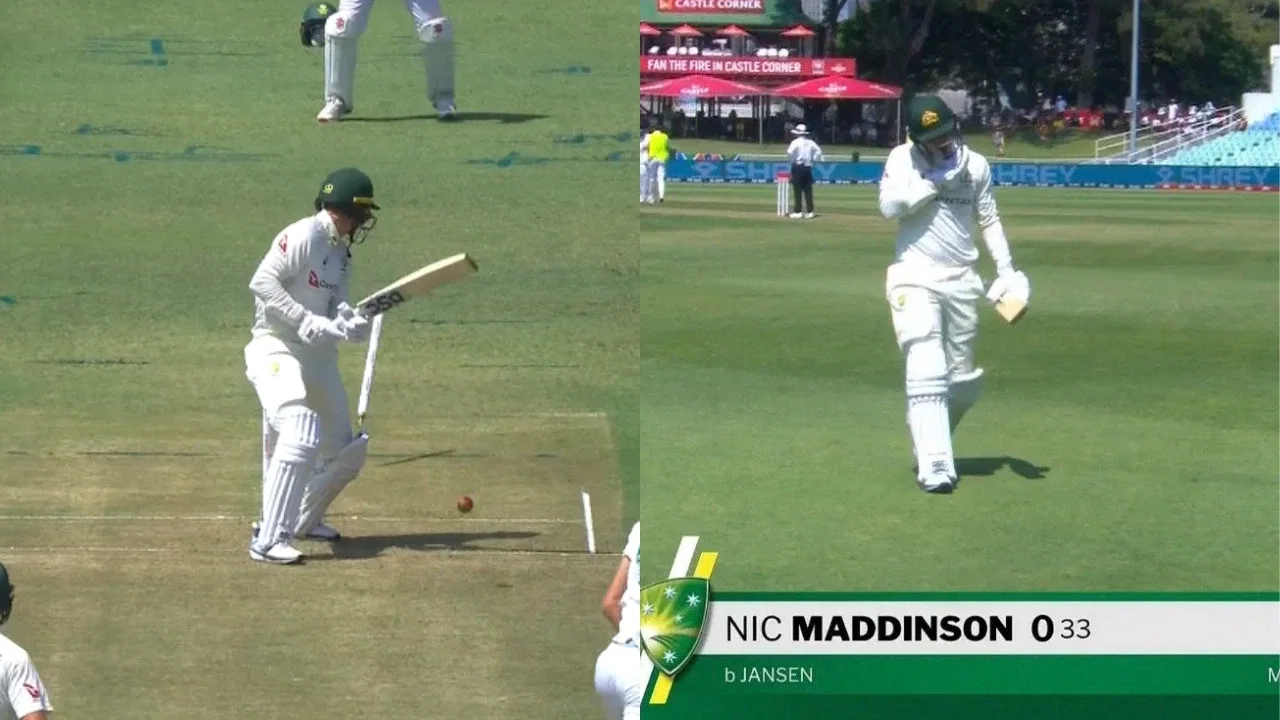
Nic Maddinson bags 33-ball duck on Test comeback, disappoints George Bailey

Imran Tahir predicts 2027 ICC ODI World Cup Semi-Finalists, snubs India for title
Australia create unwanted history with first all-30-plus Test XI
Ravindra Jadeja returns to Ranji Trophy as Saurashtra announce squad