ECB approves new alcohol rules for England players after Ben Stokes’ exit: Report

England Cricket Board Implements Stricter Rules Post Ben Stokes Retirement
England has recently implemented strict new rules for its players following the retirement of Ben Stokes. The England and Wales Cricket Board (ECB) has updated its alcohol policy, making it much tougher than before. This decision comes after a series of off-field incidents involving the England team in recent months. The ECB aims to ensure that players stay disciplined, avoid unnecessary controversies, and remain focused on the game during every series.
Late-night Controversies Lead to Tougher Regulations
The ECB believes that it is crucial to tighten discipline and prevent such situations from occurring again. After England’s disappointing 4-1 Ashes series defeat, reports emerged of players going out late at night and engaging in drinking, which brought criticism upon the team. A significant controversy also arose when former captain Ben Stokes and fast bowler Gus Atkinson stayed out past midnight at a club in West London, resulting in an incident involving a young rugby player. This incident led to injuries to English security officer James Shaw.
Following these events, the ECB decided it was time to introduce stricter rules to avoid similar situations in the future. The board engaged in discussions with stakeholders, considering a complete alcohol ban but ultimately opting to enhance the existing policy.
New Alcohol Policy Details
The updated policy prohibits players from appearing in public when under the influence of alcohol and from posting alcohol-related content on social media during England duties. Players must inform team management or security staff if planning to stay outside the team hotel after 10 pm, with any changes to these plans requiring reporting.
On match days, players are advised against consuming alcohol from one day before a match until the day after it concludes. Special permission from the managing director or head coach is necessary for any alcohol consumption in public areas, including the team hotel. The ECB strongly advises against alcohol consumption even in private during this period.
One significant change involves players refraining from drinking even after a match. Previously, it was customary for England players to celebrate victories with a drink, but the ECB now emphasizes professionalism throughout the entire series. The board ensures that these rules remain in place for an extra day after a Test match lasting five days to optimize player performance and uphold the reputation of cricket in England and Wales.
Final Thoughts
The ECB’s decision to introduce tougher rules reflects its commitment to safeguarding players, maintaining the sport’s reputation, and enhancing player performance. By implementing these regulations, the board aims to create a disciplined and focused environment for the England cricket team.
Overall, these new policies seek to protect players from off-field distractions, ensuring they remain fully dedicated to their on-field performance and the team’s success.
Impact of Ben Stokes’ Retirement on England Cricket
Ben Stokes’ retirement has left a significant void in the England cricket team. As one of the key players known for his all-round abilities, Stokes’ absence has forced the team to reevaluate its strategies and player roles. His retirement has placed a heavier burden on other team members to step up and fill the void left by his departure. This has also highlighted the importance of having strong leadership within the team to guide and inspire the players in Stokes’ absence.
Focus on Player Well-being
With the implementation of stricter rules regarding alcohol consumption, the ECB is also signaling a shift towards prioritizing player well-being. By setting clear boundaries and expectations for player behavior, the board is ensuring that players are supported both on and off the field. This focus on player welfare is crucial in maintaining a healthy team environment and fostering long-term success.
Building Team Culture
Enhanced policies around alcohol consumption also serve to build a stronger team culture within the England cricket team. By promoting professionalism and discipline, the ECB is fostering an environment where players are accountable to each other and committed to the team’s success. This emphasis on team culture can have a positive impact on player camaraderie, morale, and overall performance on the field.
Preventing Off-field Distractions
One of the key reasons for the stricter regulations is to prevent off-field distractions that can impact player performance. By setting clear guidelines on alcohol consumption and behavior, the ECB is aiming to create a focused and disciplined team environment where players can fully concentrate on their cricket. Eliminating unnecessary controversies off the field can lead to better results on the field, ultimately benefiting the team as a whole.
Adaptation to Changing Times
The evolution of the ECB’s alcohol policy also reflects a broader trend in professional sports towards stricter regulations and increased accountability for athletes. In an era where athletes are under constant scrutiny, organizations like the ECB are adapting to ensure that their players uphold the highest standards of professionalism and conduct. These changes are necessary to align with the expectations of fans, sponsors, and the broader cricketing community.
Looking Towards the Future
As the England cricket team navigates the post-Ben Stokes era and adjusts to the new regulations, the focus remains on building a strong, competitive team that can achieve success on the international stage. By instilling a culture of discipline, professionalism, and unity, the ECB is laying the foundation for a team that can overcome challenges and strive for excellence in the years to come.
In conclusion, the implementation of stricter rules by the ECB post-Ben Stokes’ retirement represents a proactive approach to safeguarding player well-being, enhancing team culture, and improving on-field performance. These changes signal a new chapter for the England cricket team as they adapt to a changing landscape and work towards achieving their goals in the world of cricket.
Latest News
Top 10 highest run-chases in T20 cricket history, ft. West Indies’ Ranchi win vs India

Aaryavir Sehwag and Anvay Dravid set to make headlines at U19 Asia Cup 2026
Longest ducks in Test cricket history ft. Nic Maddinson, Shoaib Akhtar
ECB to offer 39 central contracts to England players after Ben Stokes, Mark Wood’s retirement
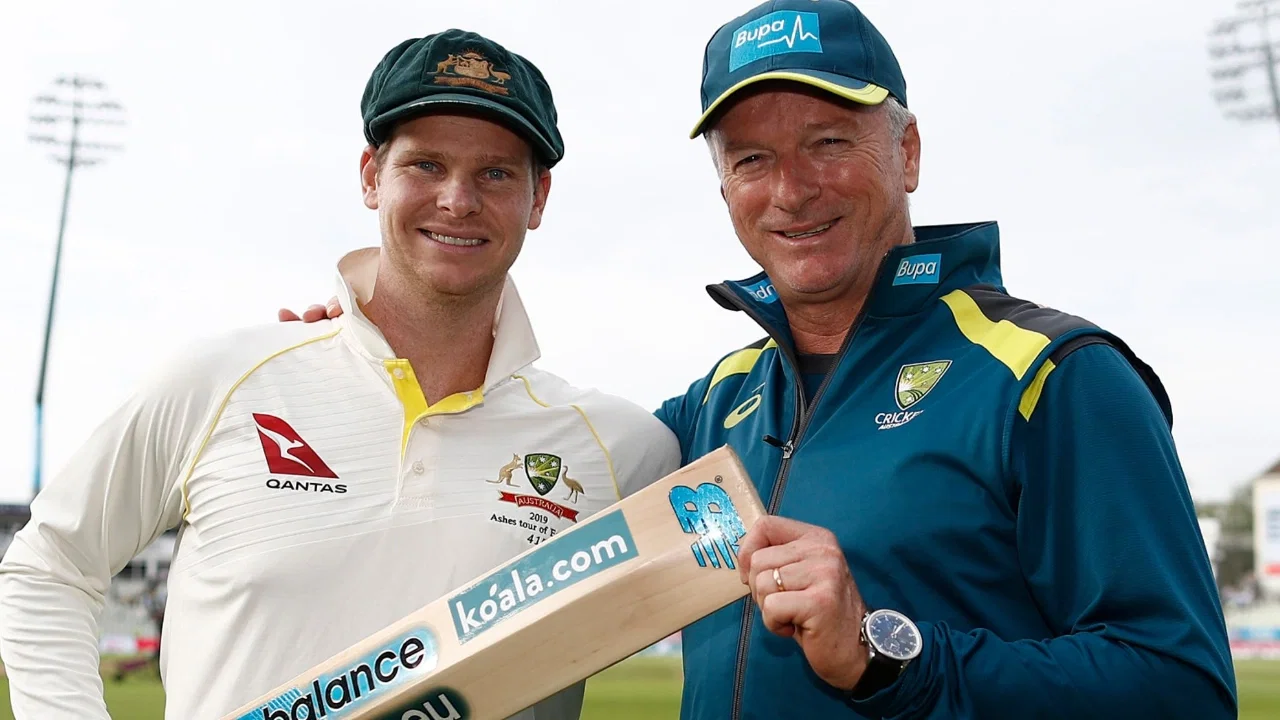
Steve Smith surpasses Steve Waugh in all-time Test run-scorers’ list

Shane Watson identifies Gautam Gambhir’s biggest problem as India struggle for consistency

Is Bhuvneshwar Kumar in India’s 2027 World Cup plans? Ajinkya Rahane makes revelation

BCCI’s big ₹127 Crore move after injury crisis raises concerns over Team India

Parthiv Patel reveals RCB ignored his Jasprit Bumrah recommendation in IPL 2014 Auction

“Never spoke ill of any faith”: Irfan Pathan hits back at fake news using his name
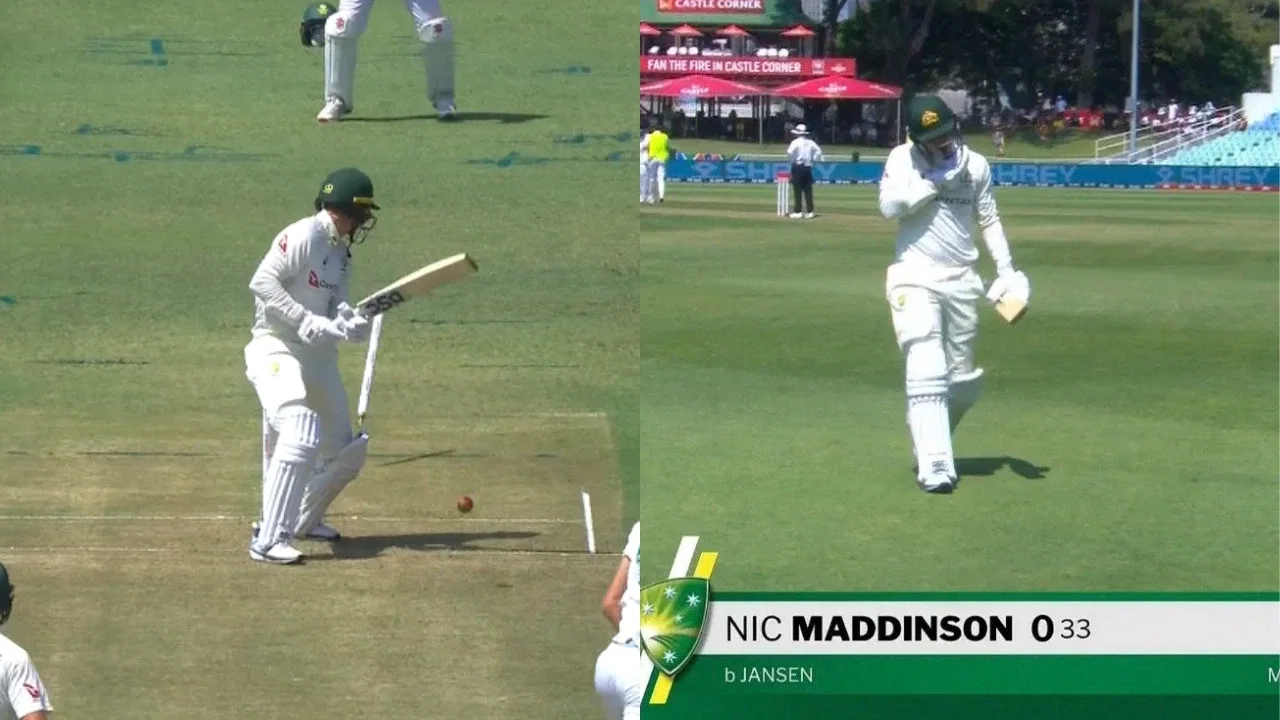
Nic Maddinson bags 33-ball duck on Test comeback, disappoints George Bailey

Imran Tahir predicts 2027 ICC ODI World Cup Semi-Finalists, snubs India for title
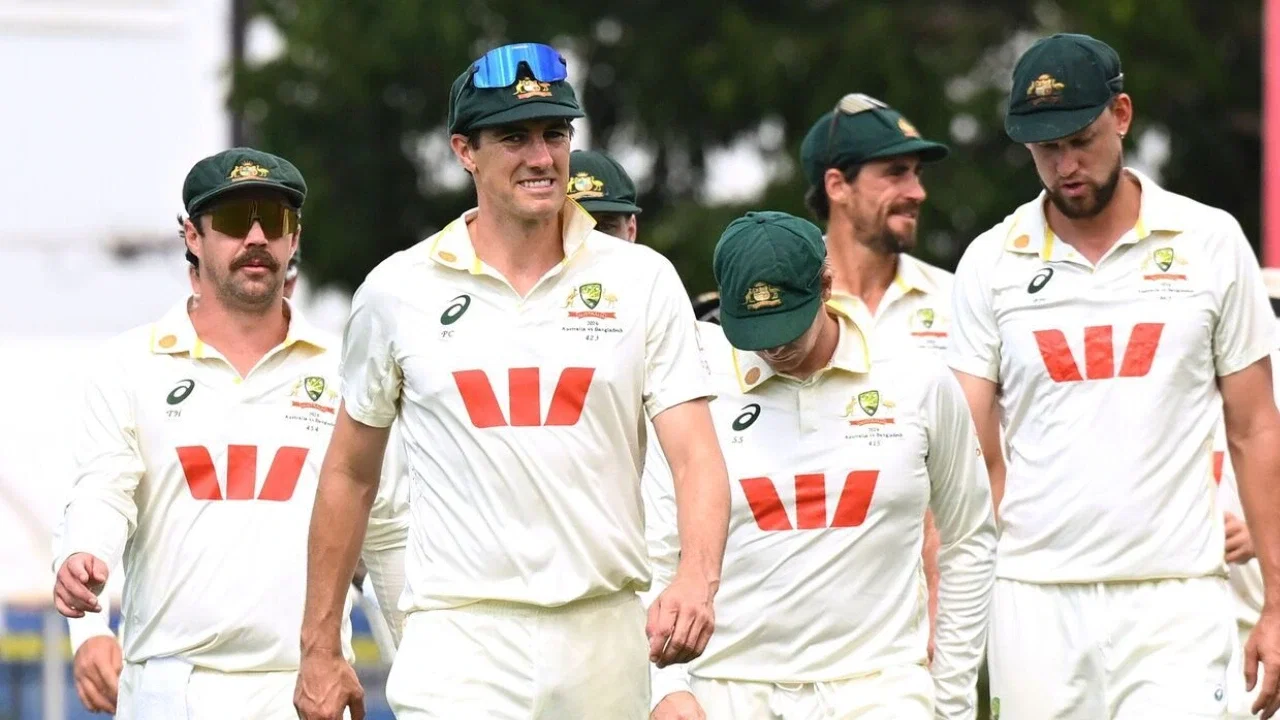
Australia create unwanted history with first all-30-plus Test XI
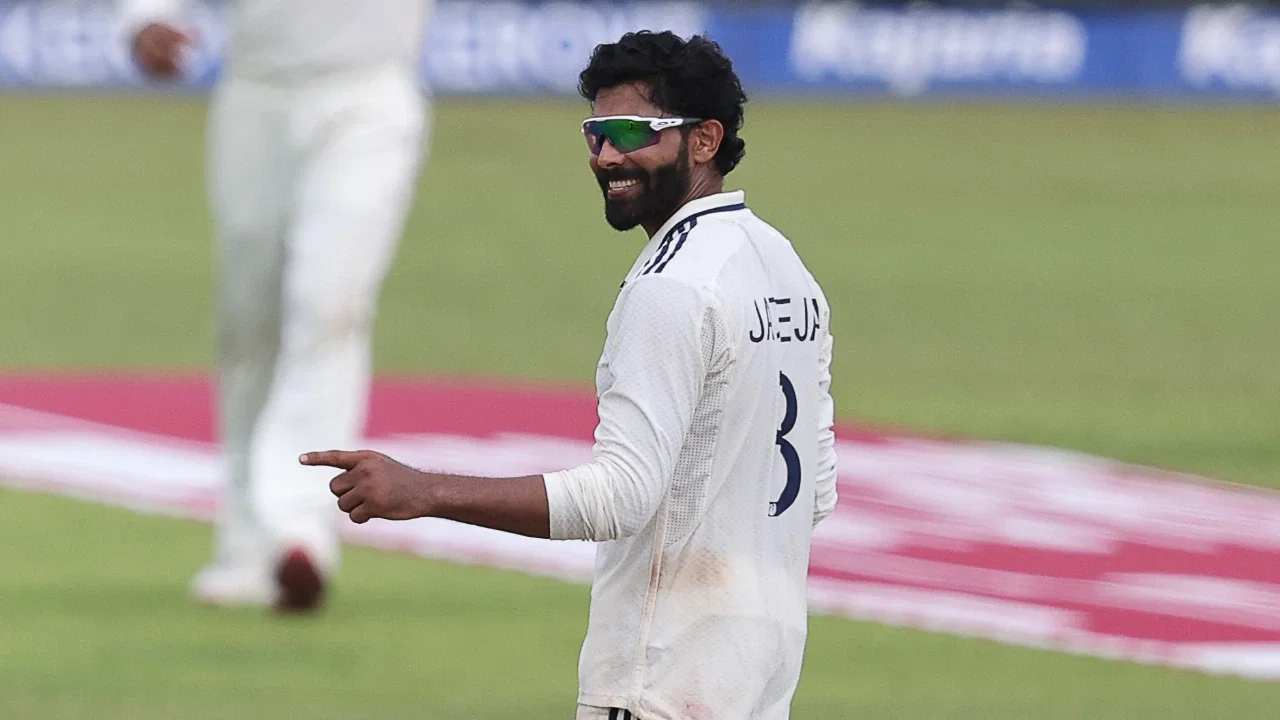
Ravindra Jadeja returns to Ranji Trophy as Saurashtra announce squad