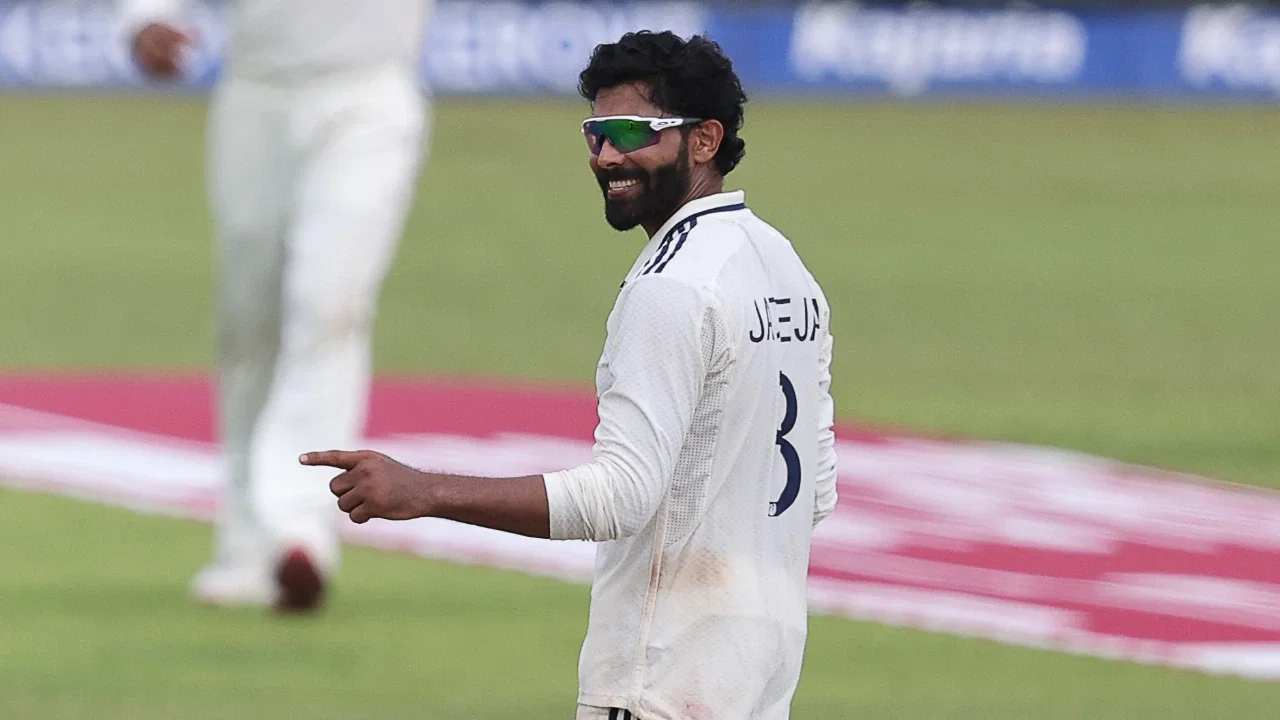
End of Rohit Sharma-Virat Kohli era!! Gambhir, Agarkar launch Aussie-style revolution, 2027 World Cup plans leaked
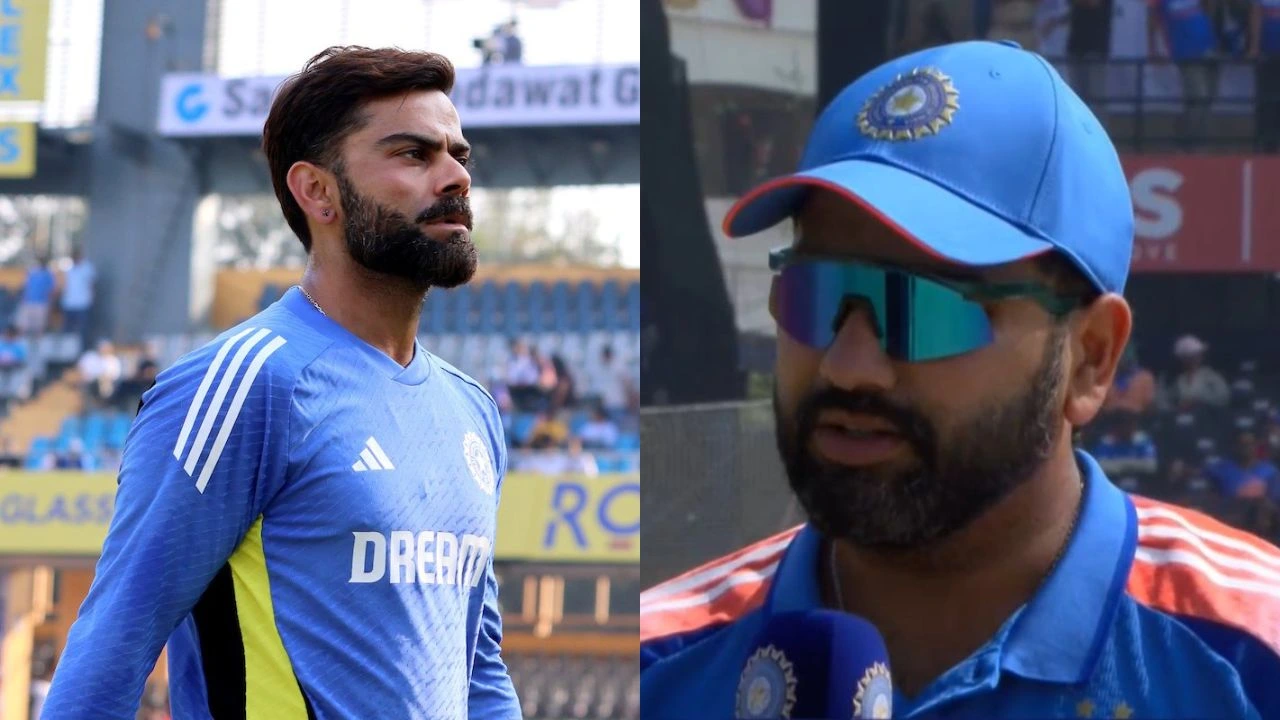
Gautam Gambhir and Ajit Agarkar to Revolutionize Indian Cricket with Aussie-Style Culture
India National Cricket Team head coach Gautam Gambhir and Chairman of Selectors for the Board of Control for Cricket in India (BCCI), Ajit Agarkar, are gearing up to bring about a revolutionary change in Indian cricket by introducing an Aussie-style culture. This shift in culture could spell bad news for modern-day batting greats Virat Kohli and Rohit Sharma, who may find themselves sidelined for the upcoming ICC Men’s Cricket World Cup 2027.
What is the Aussie-Style Culture?
The latest report from PTI highlights that Gautam Gambhir and Ajit Agarkar are at the forefront of this transformation within Indian cricket. The Aussie-style culture they aim to instill focuses on merit-based selection without any bias towards star players. Performance will be the primary criterion for player selection, emphasizing the importance of teamwork over individual stardom.
Gautam Gambhir and Ajit Agarkar firmly believe that successful teams are built on collective effort rather than relying solely on star power. They have garnered significant support within the Indian cricket ecosystem to implement these changes.
Shift in Leadership and World Cup Plans
Following India’s disappointing performances in Test matches against New Zealand and Australia, significant changes have been witnessed. Rohit Sharma was removed as Test captain, while Virat Kohli voluntarily stepped away from the format. This paved the way for new faces to enter the team, with Shubman Gill taking on the Test captaincy.
Looking ahead, Rohit Sharma has been stripped of the ODI captaincy, with Shubman Gill assuming the leadership role. While both Rohit and Kohli are part of the ODI squad for the upcoming matches against Australia, it seems that their long-term prospects for the 2027 World Cup are uncertain.
Ajit Agarkar and Gautam Gambhir are of the opinion that maintaining top-level ODI form until 2027 will be challenging for Rohit and Kohli, especially considering their limited game time in the format and the IPL. They are inclined towards grooming Shubman Gill as an all-format captain, setting the tone for Indian cricket in the coming years.
Rohit Sharma and Virat Kohli’s Future
With the changing dynamics in Indian cricket, it appears that Rohit Sharma’s international career may be nearing its conclusion. As for Virat Kohli, while his prospects for the 2027 World Cup are uncertain, there is still a glimmer of hope for the seasoned cricketer.
Ajit Agarkar’s recent comments regarding Rohit Sharma’s sacking hint at possible discontent within the former captain. Agarkar emphasized the importance of making decisions in the best interest of the team’s future, indicating that tough choices must be made for the team’s success.
Conclusion
As Indian cricket embraces a new culture inspired by the Australian ethos, the focus shifts towards building a cohesive and performance-driven team. While this transformation may spell changes for established stars like Rohit Sharma and Virat Kohli, it sets the stage for a promising future led by emerging talents like Shubman Gill.
Building a Strong Team Foundation
The introduction of an Aussie-style culture in Indian cricket marks a significant shift towards building a team based on meritocracy and performance. This approach emphasizes the value of teamwork and collective effort over individual brilliance, setting the stage for a more cohesive and united squad. By focusing on merit-based selection, Gambhir and Agarkar are aiming to create a competitive environment where players are selected based on their current form and contributions to the team’s success.
The emphasis on teamwork and meritocracy also aligns with the broader trend in modern cricket, where successful teams are characterized by a balance of experienced players and emerging talents who work together towards a common goal. By prioritizing performance over reputation, Indian cricket could see a resurgence in competitiveness and success on the international stage.
Grooming Future Leaders
With the leadership mantle shifting from established stars like Rohit Sharma and Virat Kohli to younger players like Shubman Gill, Indian cricket is entering a transitional phase where a new generation of leaders is being groomed. This transition is crucial for the long-term sustainability and success of the team, as it allows for the development of leadership skills and strategic thinking among emerging talents.
Gambhir and Agarkar’s decision to groom Shubman Gill as an all-format captain reflects their confidence in his abilities and potential to lead the team in the future. By investing in the leadership development of young players, Indian cricket is laying the groundwork for a strong and dynamic team that can adapt to the challenges of modern-day cricket.
Adapting to Changing Times
The changes in Indian cricket, spearheaded by Gambhir and Agarkar, highlight the necessity for adaptability and evolution in the sport. As cricket continues to evolve with new formats, technologies, and playing styles, teams must be willing to embrace change and innovation to stay competitive.
By adopting an Aussie-style culture and focusing on performance-driven selection, Indian cricket is positioning itself for success in the ever-evolving landscape of the sport. This proactive approach to change not only benefits the team in the short term but also ensures a sustainable and competitive future for Indian cricket on the global stage.
Looking Ahead
As Indian cricket embarks on this transformative journey under the leadership of Gambhir and Agarkar, the future looks promising for the team. By embracing a culture that values teamwork, meritocracy, and performance, Indian cricket is poised to build a strong foundation for success in the years to come.
While the road ahead may pose challenges and uncertainties, the willingness to adapt, evolve, and groom new leaders bodes well for Indian cricket’s future. With a renewed focus on building a cohesive and competitive team, the possibilities are endless for Indian cricket as they gear up for the ICC Men’s Cricket World Cup 2027 and beyond.
Latest News
New Zealand suffer blow as William O’Rourke misses India ODIs and Tests
Top 10 highest run-chases in T20 cricket history, ft. West Indies’ Ranchi win vs India
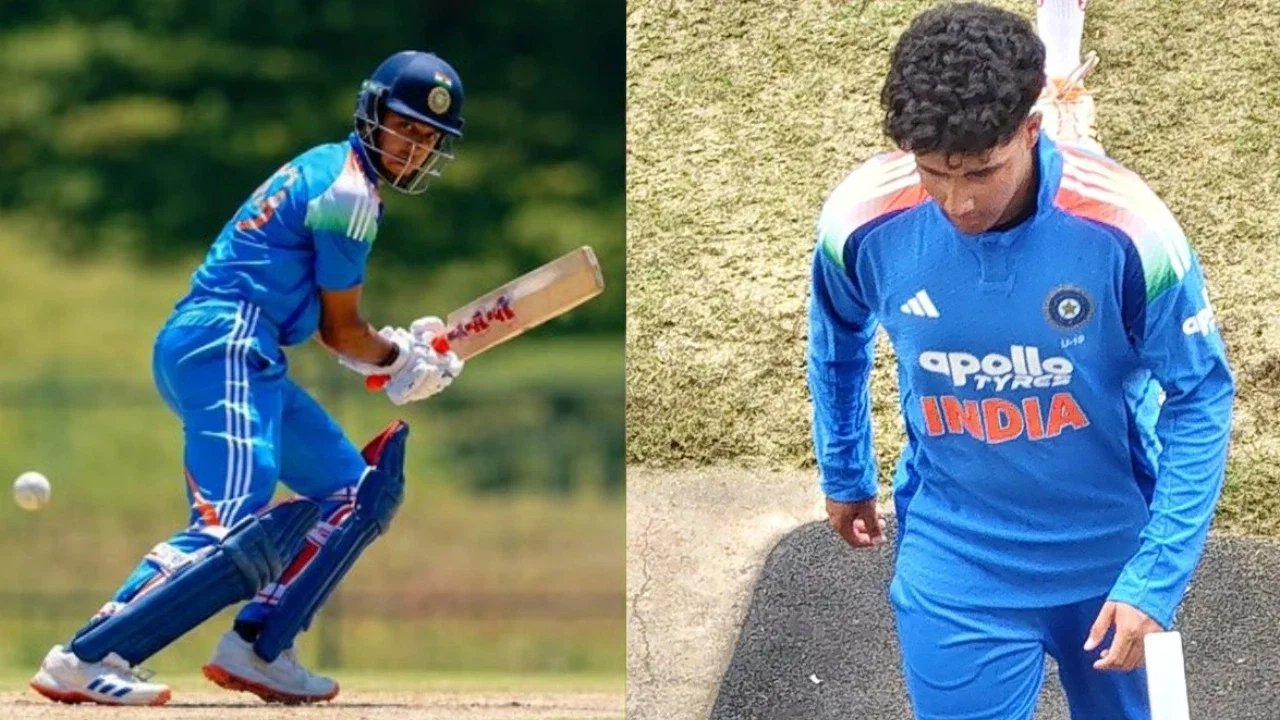
Aaryavir Sehwag and Anvay Dravid set to make headlines at U19 Asia Cup 2026
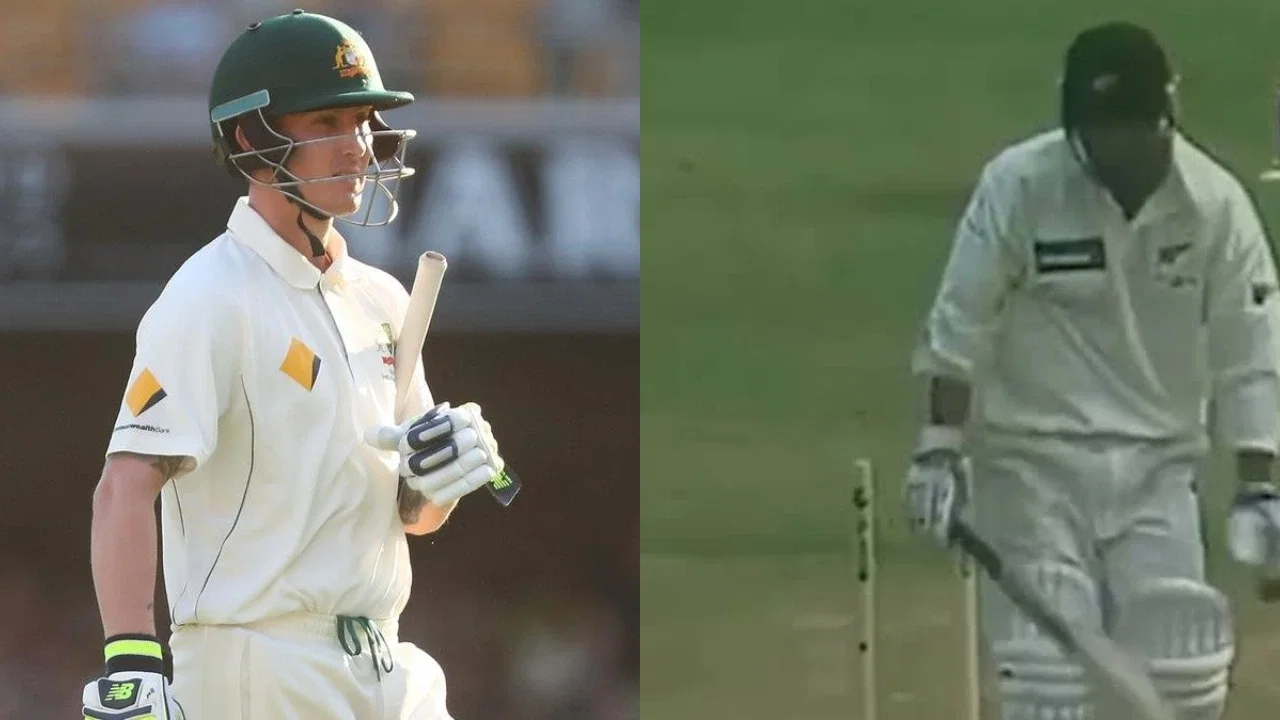
Longest ducks in Test cricket history ft. Nic Maddinson, Shoaib Akhtar
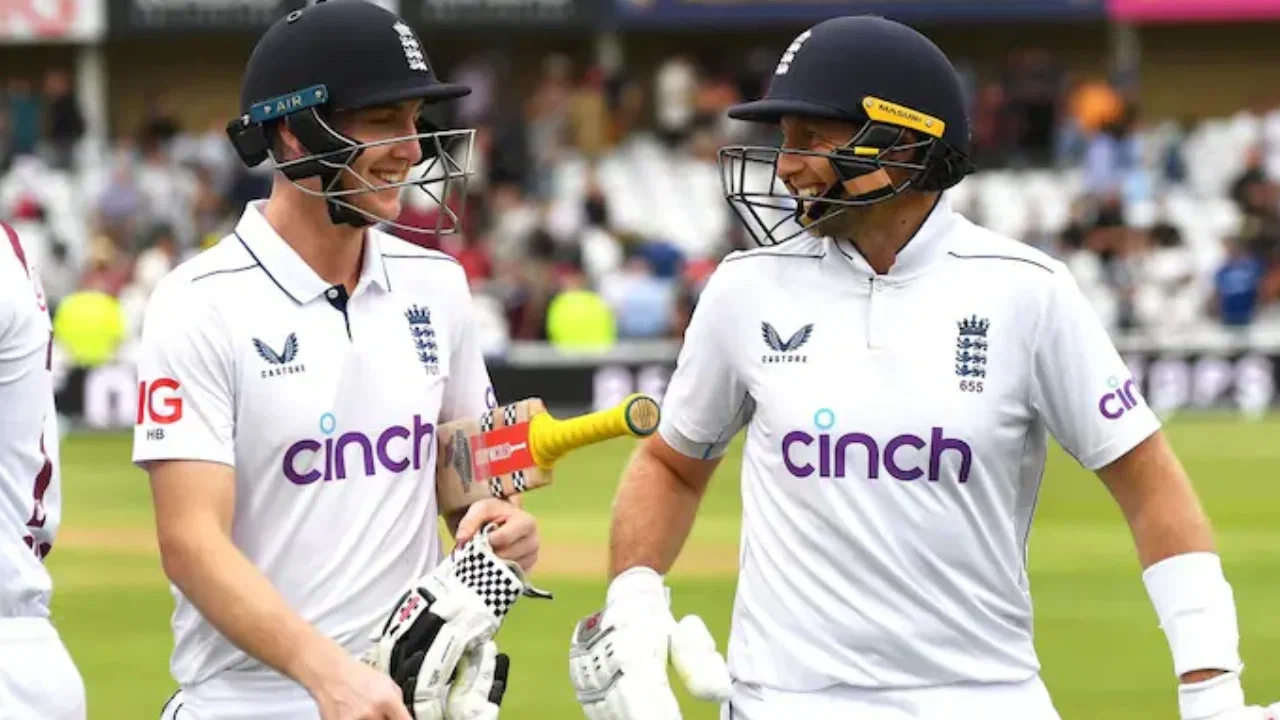
ECB to offer 39 central contracts to England players after Ben Stokes, Mark Wood’s retirement
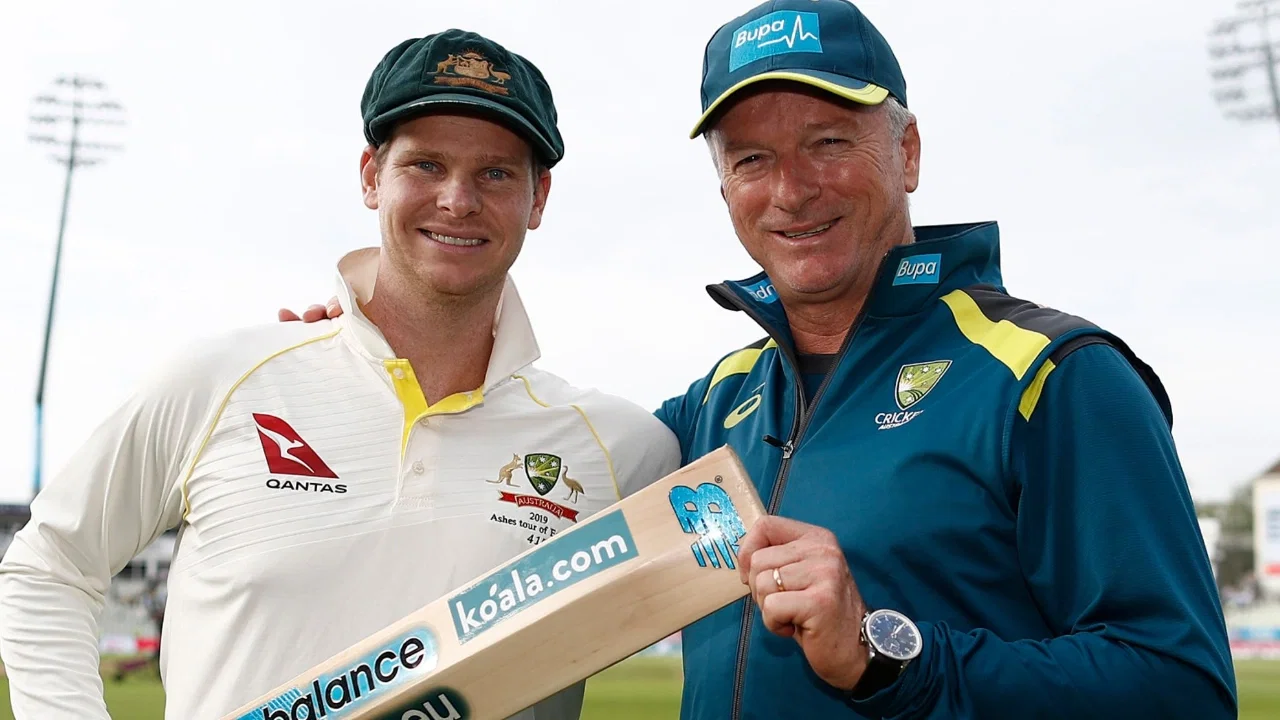
Steve Smith surpasses Steve Waugh in all-time Test run-scorers’ list
Shane Watson identifies Gautam Gambhir’s biggest problem as India struggle for consistency
Is Bhuvneshwar Kumar in India’s 2027 World Cup plans? Ajinkya Rahane makes revelation
BCCI’s big ₹127 Crore move after injury crisis raises concerns over Team India
Parthiv Patel reveals RCB ignored his Jasprit Bumrah recommendation in IPL 2014 Auction
“Never spoke ill of any faith”: Irfan Pathan hits back at fake news using his name
Nic Maddinson bags 33-ball duck on Test comeback, disappoints George Bailey
Imran Tahir predicts 2027 ICC ODI World Cup Semi-Finalists, snubs India for title
Australia create unwanted history with first all-30-plus Test XI