England players receive death threats after questioning Jay Shah’s decision
England Women’s Cricketers Face Backlash and Abuse Over ICC’s Semi-Final Conditions
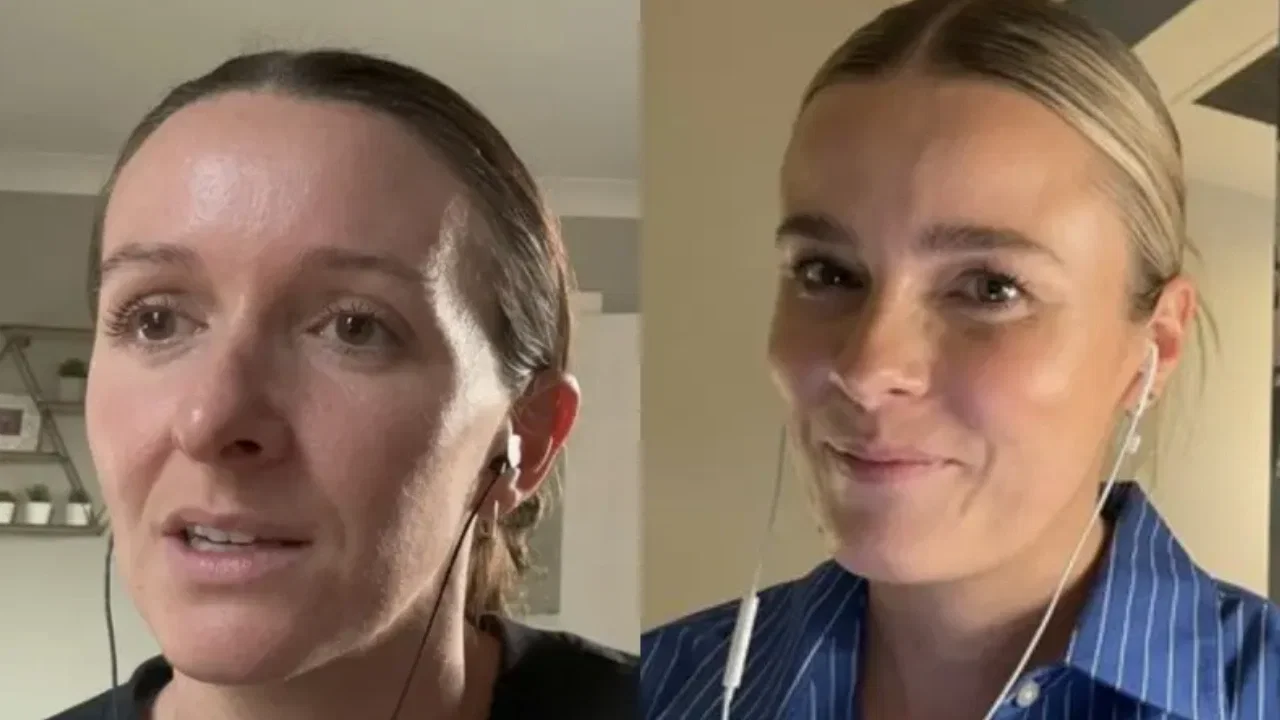
England Women’s team cricketers, Kate Cross and Alex Hartley, have recently been at the receiving end of abusive messages, including death threats, after questioning the International Cricket Council’s (ICC) conditions for the semi-finals of the ongoing 2026 Women’s T20 World Cup. The controversy began when Kate Cross raised concerns on social media about the ICC’s decision to prioritize a particular team in a multi-format tournament like the T20 World Cup.
Controversy Surrounding ICC’s Playing Conditions
According to Kate Cross, the playing conditions set by the ICC for the 2026 Women’s T20 World Cup semi-finals seem to favor a specific team. The schedule dictates that the first-ranked team from Group A will face the second-ranked team from Group B, and the top-ranked team from Group B will play against the second-placed team from Group A. However, there was a special provision made for the Indian Women’s cricket team. If India had qualified for the semi-finals, they would have been placed in the first semi-final, irrespective of their group ranking.
Unfortunately, India’s hopes were dashed when they were defeated by the Australia Women’s cricket team in the group stage, leading to Australia and South Africa qualifying for the semi-finals from Group A.
England Cricketers Speak Out
England cricketer Kate Cross criticized the ICC’s decision, labeling it as ‘ridiculous’ for seemingly showing favoritism towards a particular team. The controversy escalated when Alex Hartley, another player from the England Women’s team, revealed that they had been facing a significant backlash on social media, including death threats and abusive messages.
In a podcast episode, Hartley expressed her dismay at the online abuse, highlighting a massive increase in negative comments on their social media posts. She emphasized that their criticism of the ICC’s decision did not warrant such extreme reactions.
Clarifications from the ICC
Seeking clarification on the semi-final playing conditions, Alex Hartley reached out to an ICC official, who explained that the scheduling was not influenced by India but was intended to optimize viewership in the UK and globally. The 6:30 PM start time for the semi-final matches was specifically tailored for the UK audience, according to the official statement provided to Hartley.
Despite the clarification, the England Women’s cricketers continue to face backlash and abuse online for questioning the ICC’s decisions regarding the semi-finals of the Women’s T20 World Cup. The incident sheds light on the intense scrutiny and pressures faced by athletes, both on and off the field.
Gender Disparities in Cricket
The backlash faced by England Women’s cricketers over the ICC’s semi-final conditions highlights the ongoing gender disparities in the world of cricket. Women’s cricket has historically received less attention, funding, and support compared to men’s cricket, leading to unequal opportunities and treatment for female players. The controversy surrounding the semi-final conditions is just one example of how women in cricket often have to fight against systemic biases and inequalities.
Despite the increasing popularity and success of women’s cricket, female players still face challenges in gaining equal footing with their male counterparts. Issues such as unequal pay, limited media coverage, and disparities in facilities and resources continue to persist in the sport. The criticism faced by Kate Cross and Alex Hartley for speaking out against perceived injustice in the ICC’s decisions is a reminder of the hurdles that women in cricket have to overcome both on and off the field.
Mental Health and Online Abuse
The online abuse and death threats directed at the England Women’s cricketers also bring to light the issue of mental health in professional sports. Athletes, especially women, are often subjected to intense scrutiny and harassment on social media platforms, impacting their mental well-being. The prevalence of cyberbullying and hateful messages can take a toll on athletes’ confidence, performance, and overall mental health.
It is essential for sports organizations, fans, and the media to recognize the mental health challenges faced by athletes and take steps to ensure their well-being and safety. Creating a supportive environment, promoting positive interactions online, and offering mental health resources can help athletes navigate the pressures of professional sports and cope with online abuse.
Impact of Social Media on Athletes
Social media has become a powerful tool for athletes to connect with fans, share their experiences, and build their personal brands. However, the darker side of social media, including online abuse and harassment, can have detrimental effects on athletes’ mental health and well-being. The incident involving the England Women’s cricketers underscores the need for athletes to strike a balance between engaging with fans and protecting themselves from toxic behavior online.
Athletes must prioritize their mental health and set boundaries when it comes to interacting on social media. Establishing a support system, practicing self-care, and seeking professional help when needed are essential strategies for navigating the challenges of fame and public scrutiny in the digital age.
Advocacy for Fair Play and Transparency
The controversy surrounding the ICC’s semi-final conditions serves as a call to action for advocating fair play, transparency, and equality in sports. It is crucial for sports organizations to uphold integrity, fairness, and inclusivity in their decision-making processes to maintain the trust and respect of players, fans, and stakeholders. Addressing concerns raised by athletes and ensuring that rules and regulations are applied consistently can help prevent controversies and promote a level playing field for all competitors.
By speaking out against perceived injustices and standing up for what is right, athletes like Kate Cross and Alex Hartley play a vital role in promoting accountability and ethical conduct in sports. Their courage in challenging the status quo contributes to a more equitable and respectful sporting environment for future generations of athletes.
In conclusion, the backlash faced by the England Women’s cricketers sheds light on broader issues of gender disparities, mental health challenges, the impact of social media, and the importance of advocating for fair play in sports. As the world of cricket continues to evolve, it is essential to address these underlying issues and work towards creating a more inclusive and supportive environment for all athletes.
Latest News
Top 10 highest run-chases in T20 cricket history, ft. West Indies’ Ranchi win vs India
Aaryavir Sehwag and Anvay Dravid set to make headlines at U19 Asia Cup 2026
Longest ducks in Test cricket history ft. Nic Maddinson, Shoaib Akhtar
ECB to offer 39 central contracts to England players after Ben Stokes, Mark Wood’s retirement
Steve Smith surpasses Steve Waugh in all-time Test run-scorers’ list
Shane Watson identifies Gautam Gambhir’s biggest problem as India struggle for consistency
Is Bhuvneshwar Kumar in India’s 2027 World Cup plans? Ajinkya Rahane makes revelation
BCCI’s big ₹127 Crore move after injury crisis raises concerns over Team India
Parthiv Patel reveals RCB ignored his Jasprit Bumrah recommendation in IPL 2014 Auction
“Never spoke ill of any faith”: Irfan Pathan hits back at fake news using his name
Nic Maddinson bags 33-ball duck on Test comeback, disappoints George Bailey
Imran Tahir predicts 2027 ICC ODI World Cup Semi-Finalists, snubs India for title
Australia create unwanted history with first all-30-plus Test XI
Ravindra Jadeja returns to Ranji Trophy as Saurashtra announce squad