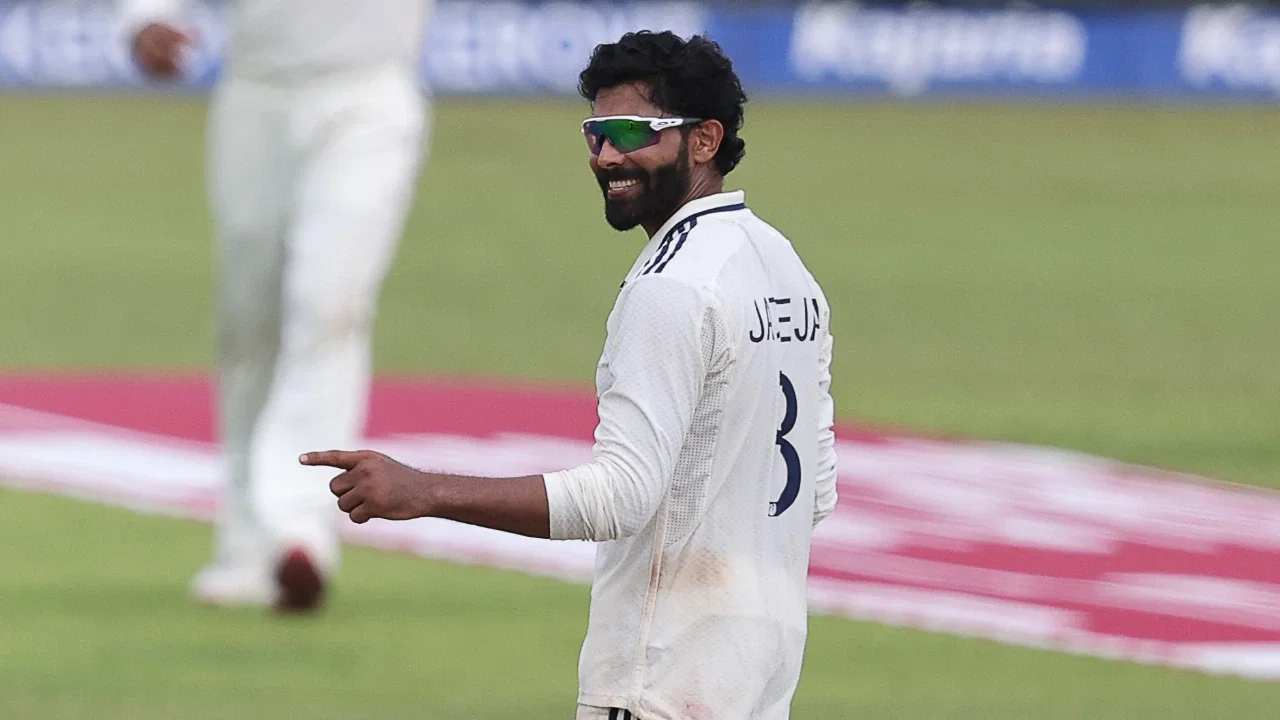
Ex-India star tells Suryakumar Yadav & Co. to ‘insult and ignore’ Pakistan after no-handshake controversy
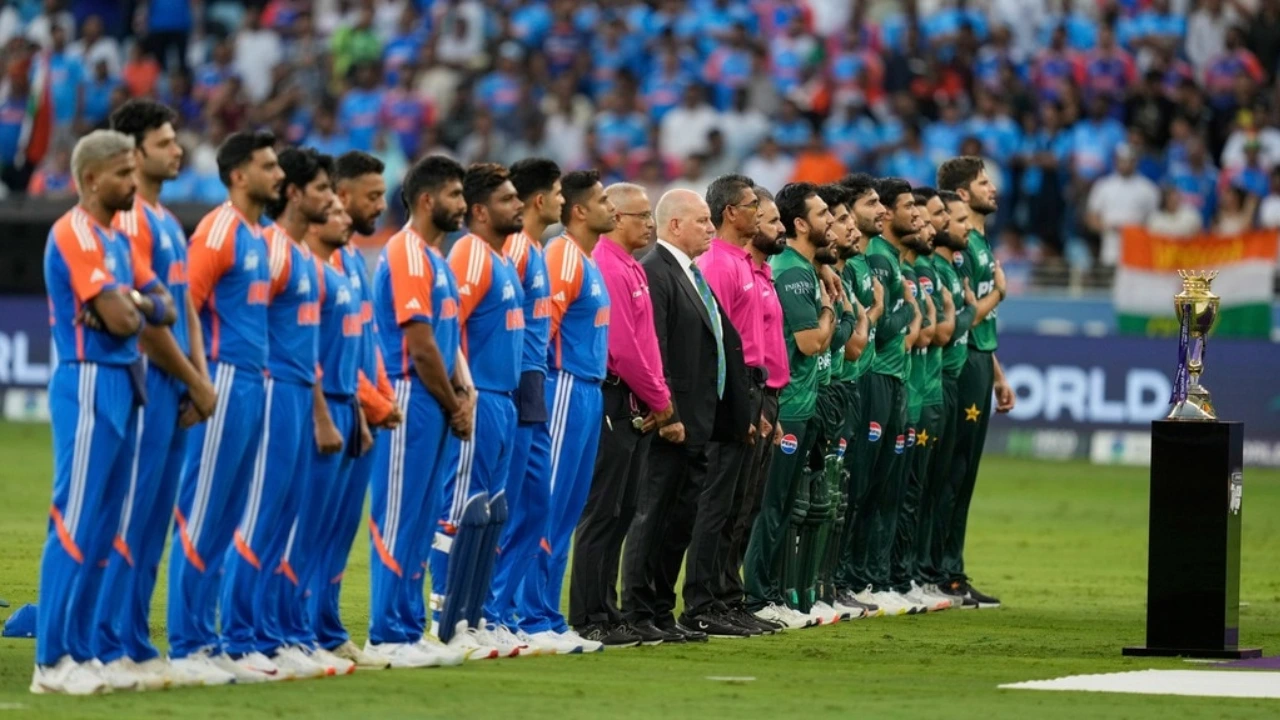
Former Indian Cricketer Atul Wassan Speaks Out on India-Pakistan Cricket Controversy
As tensions between India and Pakistan continue to dominate headlines, former Indian cricketer Atul Wassan has shed light on the ongoing controversy surrounding the Asia Cup 2025 clash. Wassan revealed that Indian players intentionally avoided acknowledging Pakistan after their seven-wicket victory in the Asia Cup 2025 clash on September 14 in Dubai.
According to Wassan, the no-handshake gesture from the Indian team was a reflection of the deep-seated anger and frustration within the Indian camp stemming from the Pahalgam terror attack and prevailing political tensions. He emphasized that Indian players consciously chose to ignore or even openly insult Pakistan on the field.
Atul Wassan Supports India’s Stance Against Pakistan
Wassan expressed his support for the Indian cricket team’s firm stance against Pakistan. He acknowledged feeling displeased when he witnessed Suryakumar Yadav exchanging pleasantries with PCB and ACC head Mohsin Naqvi during the captains’ meet. Wassan even recounted a personal experience of ignoring some of his Pakistani friends in England following the Pahalgam attack, highlighting the deep-rooted emotions involved.
The former cricketer lauded Suryakumar Yadav and the Indian team for standing their ground without compromising on the game itself. He emphasized that continuing this stance is crucial for maintaining a strong position against Pakistan.
India-Pakistan Cricket Drama to Persist, Says Atul Wassan
Wassan predicted that the tension between India and Pakistan is unlikely to ease anytime soon. With the ICC T20 World Cup 2026 looming on the horizon, he stressed the importance of India remaining resolute on the field while navigating interactions with Pakistan cautiously and showing respect for national sentiments and security concerns.
He also asserted that the India vs. Pakistan cricket rivalry is here to stay, stating, “It’s not about the point. It doesn’t matter. Next year is the T20 World Cup. If you start it once, you can’t stop it. There is no way to back out. Because this situation is not going to improve.”
Cricket Must Go On Despite Political Rivalries, Says Atul Wassan
Comparing the situation to athletes like Neeraj Chopra competing in global events despite political tensions, Wassan emphasized that cricket should transcend political differences. He defended the BCCI’s decision to allow India to face Pakistan in the ongoing Asia Cup 2025, attributing it to a decision made by the Indian government.
Wassan concluded by emphasizing that cricket should not be overshadowed by political rivalries, urging Indians to focus on the game and ignore Pakistan’s presence on the field.
As the Men in Blue have already secured a spot in the Super Fours of the Asia Cup 2025, their final group match against Oman on September 19 in Dubai is eagerly anticipated by fans.
Analysis of India-Pakistan Cricket Controversy
Atul Wassan’s comments shed light on the deep-rooted geopolitical tensions that often spill over into the sporting arena, particularly in cricket. The longstanding rivalry between India and Pakistan is fueled by historical conflicts, border disputes, and ongoing political tensions. These factors create a charged atmosphere whenever the two teams face off on the cricket field.
Wassan’s support for the Indian team’s stance against Pakistan underscores the sentiment of many Indian fans who view matches against Pakistan as more than just a game. For them, it is a statement of national pride and solidarity in the face of perceived threats and provocations from across the border.
The Role of Sports in Diplomacy
While sports have the power to unite people and bridge divides, they can also serve as a battleground for political posturing and nationalist fervor. The India-Pakistan cricket rivalry is a prime example of how sports can reflect and amplify broader geopolitical tensions.
However, some argue that sports should remain separate from politics and that athletes should be allowed to compete without being burdened by the weight of historical animosities. Atul Wassan’s comparison to Neeraj Chopra competing in global events despite political tensions highlights the potential for sports to transcend national differences and bring people together through shared passion and competition.
The Future of India-Pakistan Cricket Relations
Given Wassan’s prediction that the tension between India and Pakistan is unlikely to ease in the near future, it raises questions about the future of cricket relations between the two nations. The ICC T20 World Cup 2026 will provide another platform for the teams to face each other, potentially reigniting old rivalries and animosities.
As the cricketing world watches closely, the actions and statements of players, officials, and fans will continue to shape the narrative of India-Pakistan cricket relations. It remains to be seen whether gestures of goodwill and sportsmanship can prevail over the specter of political conflict and historical grievances.
Looking Ahead
As cricket fans eagerly await the outcome of the Asia Cup 2025 and look ahead to future matches between India and Pakistan, the underlying dynamics of this historic rivalry will continue to play out on and off the field. Atul Wassan’s insights provide a glimpse into the complex web of emotions, politics, and national pride that define the India-Pakistan cricket saga.
Ultimately, the future of India-Pakistan cricket relations will depend on a delicate balance of sportsmanship, diplomacy, and respect for the deep-seated sentiments of both nations. As the cricketing world navigates these challenges, the spirit of the game will be tested against the backdrop of larger geopolitical forces at play.
Latest News
New Zealand suffer blow as William O’Rourke misses India ODIs and Tests
Top 10 highest run-chases in T20 cricket history, ft. West Indies’ Ranchi win vs India
Aaryavir Sehwag and Anvay Dravid set to make headlines at U19 Asia Cup 2026
Longest ducks in Test cricket history ft. Nic Maddinson, Shoaib Akhtar
ECB to offer 39 central contracts to England players after Ben Stokes, Mark Wood’s retirement
Steve Smith surpasses Steve Waugh in all-time Test run-scorers’ list
Shane Watson identifies Gautam Gambhir’s biggest problem as India struggle for consistency
Is Bhuvneshwar Kumar in India’s 2027 World Cup plans? Ajinkya Rahane makes revelation
BCCI’s big ₹127 Crore move after injury crisis raises concerns over Team India
Parthiv Patel reveals RCB ignored his Jasprit Bumrah recommendation in IPL 2014 Auction
“Never spoke ill of any faith”: Irfan Pathan hits back at fake news using his name
Nic Maddinson bags 33-ball duck on Test comeback, disappoints George Bailey
Imran Tahir predicts 2027 ICC ODI World Cup Semi-Finalists, snubs India for title
Australia create unwanted history with first all-30-plus Test XI