Explosive claim! Lalit Modi alleges black magic by IPL team owner

The Mysterious “Lemon Trick” Controversy in the IPL 2026
The ongoing IPL 2026 season has been filled with excitement and unexpected moments, but nothing has captured the attention of fans quite like the bizarre incident that occurred during the recent match between Sunrisers Hyderabad (SRH) and Chennai Super Kings (CSK) at the Rajiv Gandhi International Stadium in Hyderabad.
The Lemon Trick Mystery Unfolds
It all started when an SRH fan was caught on camera performing a “lemon trick” in the stands just moments before Shivam Dube was dismissed. Initially dismissed as a random act, the incident soon sparked a heated debate around the involvement of supernatural practices in the game of cricket.
At the time of the incident, CSK was in a tough position, chasing 195 runs set by Sunrisers Hyderabad. Dube was batting well, scoring 21 runs off 16 balls, with the team needing 41 runs from 20 balls. However, everything changed when Dube was bowled by a sharp yorker from Sakib Hussain, leading to CSK’s downfall. SRH eventually secured the victory by 10 runs.
Rumors and Allegations
Following Dube’s dismissal, fans speculated about the connection between the “lemon trick” in the stands and the wicket that followed. Rumors surfaced that CSK had filed a complaint with the Board of Control for Cricket in India (BCCI) regarding the unusual activity witnessed in the crowd. The complaint raised concerns about potential supernatural influences affecting the outcome of the match.
However, reports later confirmed that the letter alleging CSK’s complaint was fake, with both the IPL Governing Council and CSK yet to provide any official statements on the matter.
Lalit Modi’s Revelation
Adding further intrigue to the situation, former IPL chairman Lalit Modi weighed in on the controversy. While debunking the viral letter as fake, Modi hinted at past instances of similar activities in the IPL. He claimed that during the 2011 season, an IPL franchise owner engaged in similar acts to influence matches against other teams.
Modi revealed that he had received concrete proof of such activities during his tenure and had even alerted opposing teams about the attempts to manipulate matches. The former chairman hinted that these hidden incidents could potentially be exposed in a future movie or TV series planned by his team.
The Curiosity Intensifies
As fans speculate about the identity of the team involved in the alleged supernatural practices, memories of the 2011 IPL season, which featured teams like Deccan Chargers, Kochi Tuskers Kerala, and Pune Warriors India, have resurfaced. The revelation has left fans intrigued and eager to learn more about the mysterious events surrounding the league.
With CSK facing challenges this season, both on and off the field, the ongoing controversy adds another layer of complexity to their current struggles. As the IPL 2026 season unfolds, the “lemon trick” incident remains a topic of discussion among fans and experts alike, highlighting the unpredictable nature of the sport and the intriguing narratives that unfold both on and off the field.
Unveiling the Subtle Art of Cricket Prediction
While the “lemon trick” incident may have raised eyebrows and sparked controversy in the IPL 2026 season, it also shed light on the age-old practice of cricket prediction. In India, where cricket is nothing short of a religion, fans have been known to resort to various superstitions and rituals to influence the outcome of matches.
From wearing lucky jerseys to performing elaborate rituals at home or in the stands, cricket fans often believe that their actions can sway the fate of their favorite teams. The “lemon trick” incident, although unusual, is just one example of the lengths to which fans will go to show their support and potentially alter the course of a game.
The Influence of Superstitions in Cricket
Superstitions have long been intertwined with the game of cricket, with players and fans alike harboring beliefs in lucky charms, rituals, and omens. Whether it’s carrying a talisman in their kit bag or following a strict pre-match routine, cricketers often rely on superstitions to feel more confident and in control on the field.
Similarly, fans engage in various superstitions to feel connected to the game and contribute to their team’s success. Whether it’s chanting slogans, wearing specific colors, or performing rituals like the “lemon trick,” these acts serve as a form of emotional investment in the sport and create a sense of unity among supporters.
The Fine Line Between Faith and Reality
While superstitions and rituals play a significant role in cricket culture, they also raise questions about the fine line between faith and reality. While some dismiss these practices as mere coincidences or psychological crutches, others believe in the power of positive energy and intention to influence outcomes.
The “lemon trick” incident, whether orchestrated or coincidental, highlights the mysterious and often inexplicable nature of sports and the human psyche. It challenges traditional notions of cause and effect, inviting us to consider the mystical and unpredictable elements that can shape our experiences and beliefs.
The Evolution of Cricket Culture
As cricket continues to evolve as a global phenomenon, so too do the rituals and superstitions associated with the game. In a digital age where fans can connect instantly and engage with their favorite teams online, new forms of superstition and prediction have emerged.
From online polls and social media trends to fantasy cricket leagues and predictive analytics, fans now have more ways than ever to interact with the sport and make their voices heard. While the essence of cricket superstitions remains rooted in tradition and folklore, the medium through which they are expressed continues to evolve with the times.
Embracing the Unpredictable Nature of Sport
Ultimately, the “lemon trick” controversy in the IPL 2026 season serves as a reminder of the unpredictable and enchanting nature of sports. While we may never fully understand the mysteries that surround the game of cricket, we can appreciate the passion, dedication, and creativity that fans bring to the table.
As the IPL season unfolds and new stories emerge, the “lemon trick” incident will undoubtedly remain a topic of discussion and speculation. Whether dismissed as a mere coincidence or hailed as a stroke of supernatural genius, it adds another layer of intrigue to the rich tapestry of cricket culture and fan engagement.
By exploring the intersection of superstition, prediction, and the human experience in sports, we gain a deeper appreciation for the complexities and nuances that make cricket such a beloved and enduring pastime.
Latest News

Top 10 highest run-chases in T20 cricket history, ft. West Indies’ Ranchi win vs India

Aaryavir Sehwag and Anvay Dravid set to make headlines at U19 Asia Cup 2026

Longest ducks in Test cricket history ft. Nic Maddinson, Shoaib Akhtar

ECB to offer 39 central contracts to England players after Ben Stokes, Mark Wood’s retirement

Steve Smith surpasses Steve Waugh in all-time Test run-scorers’ list

Shane Watson identifies Gautam Gambhir’s biggest problem as India struggle for consistency

Is Bhuvneshwar Kumar in India’s 2027 World Cup plans? Ajinkya Rahane makes revelation

BCCI’s big ₹127 Crore move after injury crisis raises concerns over Team India

Parthiv Patel reveals RCB ignored his Jasprit Bumrah recommendation in IPL 2014 Auction

“Never spoke ill of any faith”: Irfan Pathan hits back at fake news using his name
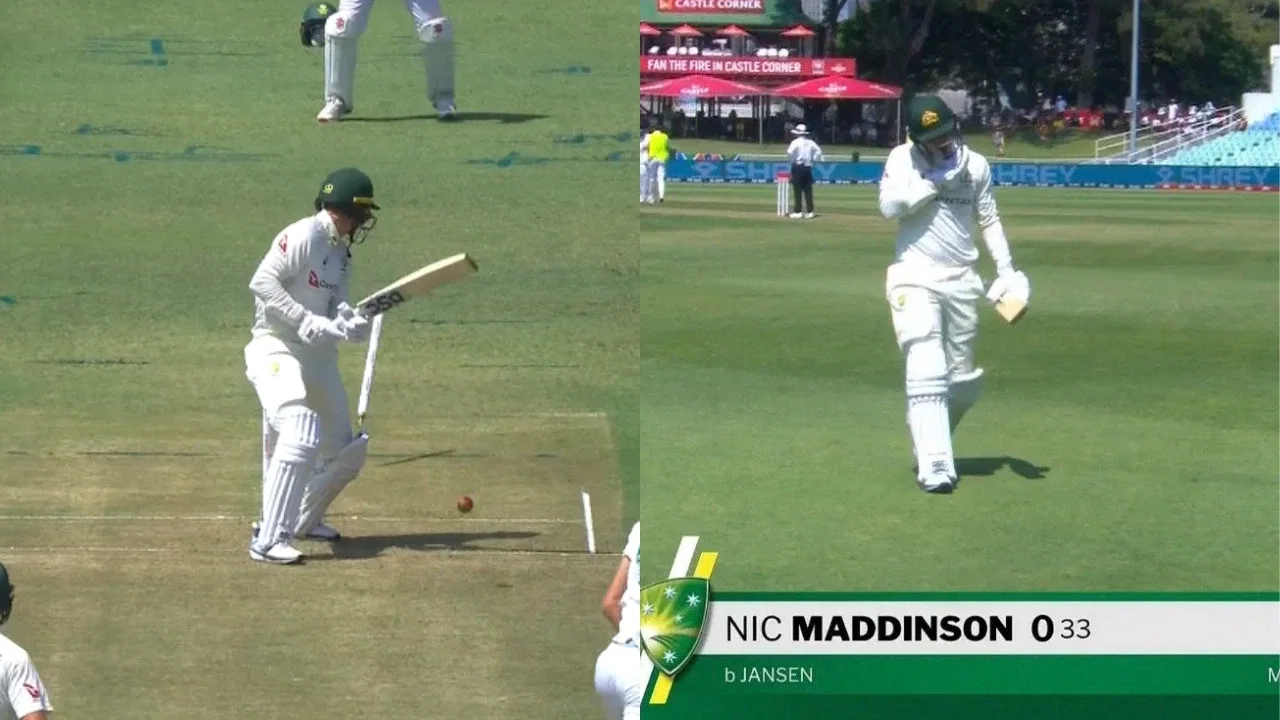
Nic Maddinson bags 33-ball duck on Test comeback, disappoints George Bailey

Imran Tahir predicts 2027 ICC ODI World Cup Semi-Finalists, snubs India for title
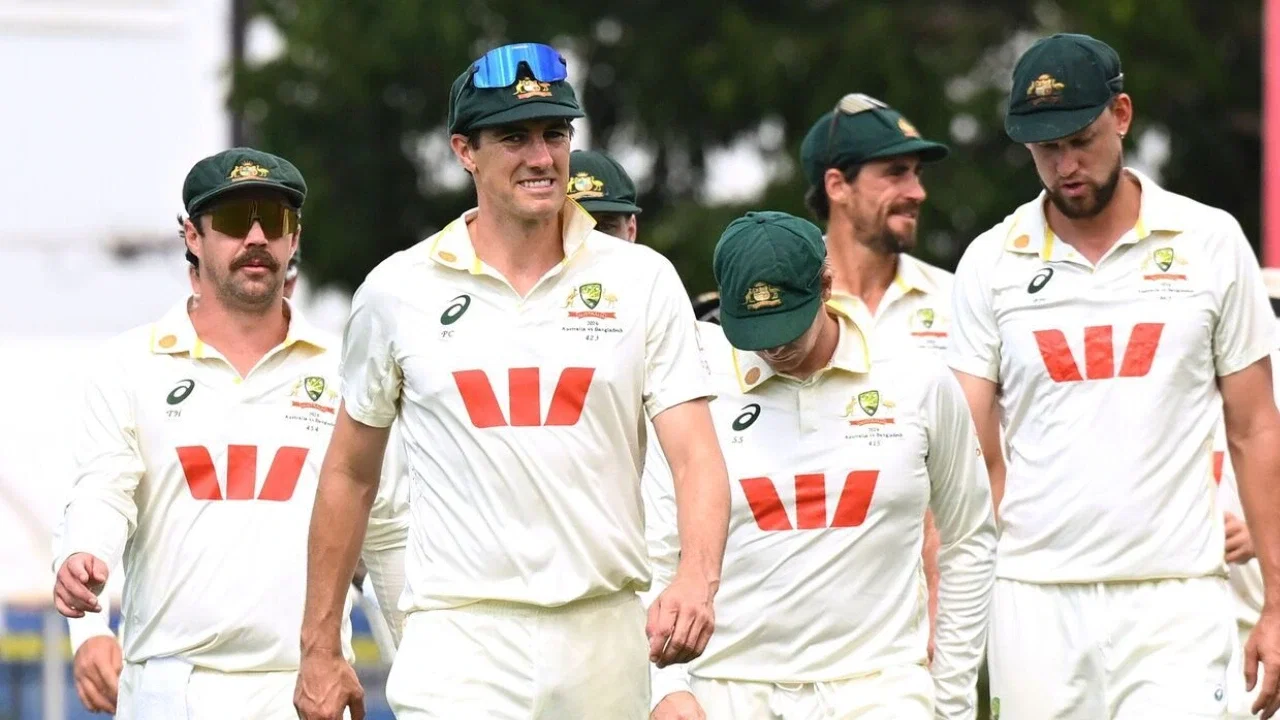
Australia create unwanted history with first all-30-plus Test XI
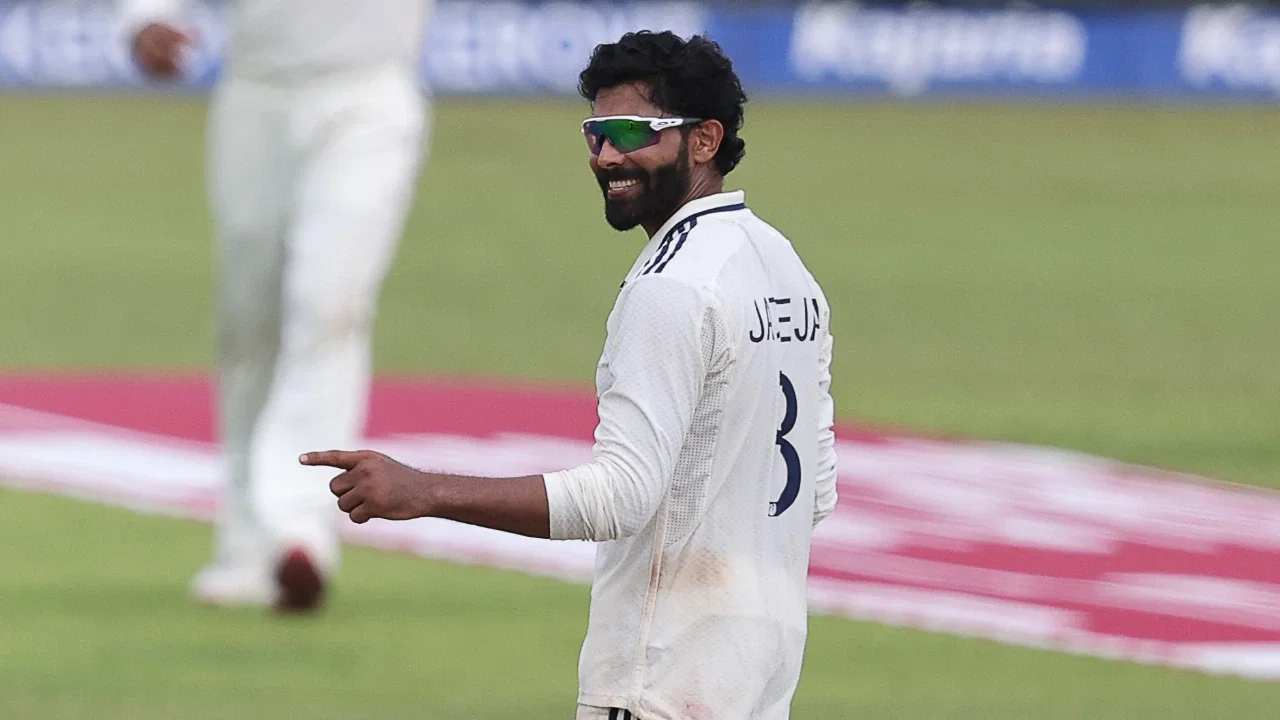
Ravindra Jadeja returns to Ranji Trophy as Saurashtra announce squad