Faf du Plessis puts Cricket South Africa administration under scrutiny after Durban Test loss vs AUS
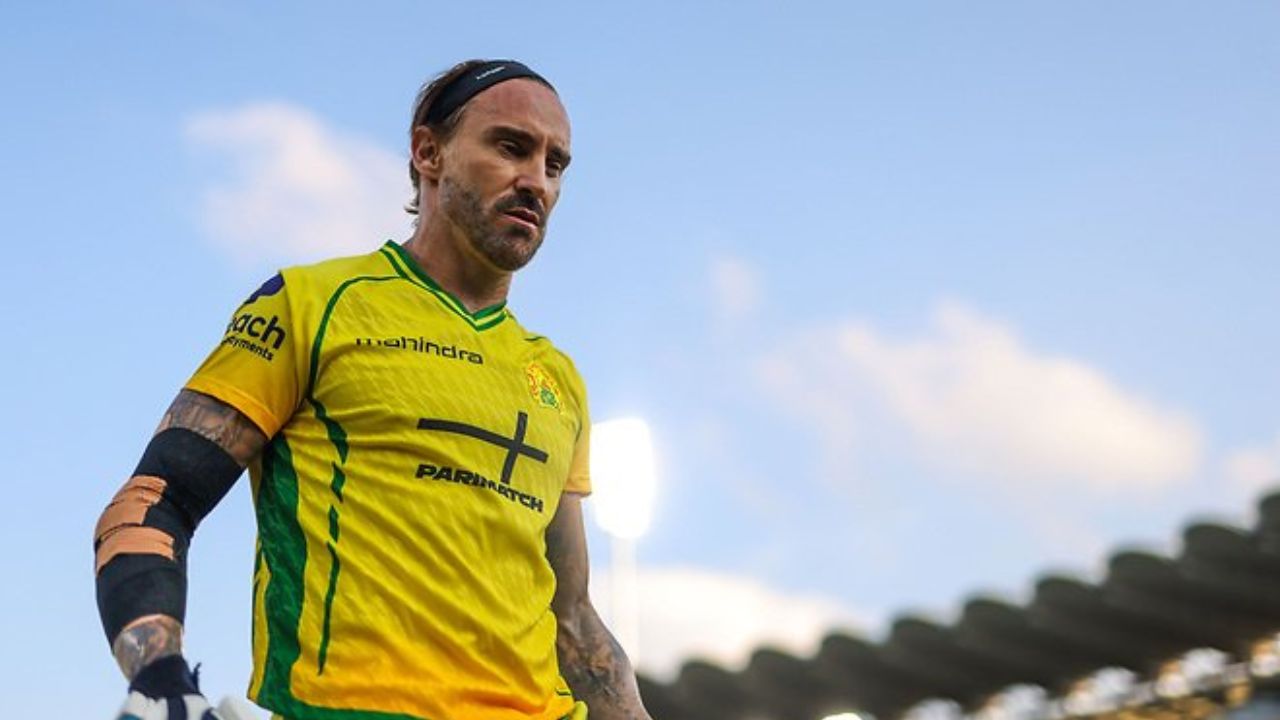
Faf du Plessis questions Durban venue choice after Australia’s dominant Test win
Former South Africa captain Faf du Plessis has challenged Cricket South Africa’s decision to stage the opening Test against Australia at Kingsmead, arguing that the venue’s history and modest crowds made it a questionable choice for the start of a major series.
His comments came after Australia beat the Proteas by 214 runs in Durban to take a 1-0 lead in the three-match contest. Du Plessis said South Africa could have opened at a ground where the home side has traditionally enjoyed greater success, rather than at a venue where Australia has repeatedly performed well.
The result has also sharpened attention on the series’ next match. While the opening defeat was shaped by Australia’s strong batting and Josh Hazlewood’s decisive bowling, Du Plessis’ criticism raises a broader question for South African cricket: how should administrators balance venue history, fan attendance and the competitive demands of a high-profile Test?
Australia seize control at Kingsmead
After winning the toss and choosing to bat, Australia recovered from early setbacks to post 390 in their first innings. Matt Renshaw was central to that recovery, producing a patient 190 from 397 balls. His innings included 21 fours and a six, giving the visitors a substantial total and earning him the Player of the Match award.
South Africa replied with 284, leaving them 106 runs behind. David Bedingham made 49 and Aiden Markram added 37, while Marco Jansen claimed three wickets for the hosts. But Australia’s first-innings advantage meant South Africa had little room for error as the match progressed.
The visitors then accelerated in their second innings, declaring at 314 for six after 58 overs. Renshaw contributed another 82, while Nic Maddinson struck 48 from 38 deliveries and captain Pat Cummins finished unbeaten on 32. The declaration left South Africa facing a challenging target of 421.
Markram led the home side’s resistance with 75, and Bedingham scored 46, but Australia kept taking wickets. Hazlewood claimed six in the innings, breaking through the lower order and helping bowl South Africa out for 206. The 214-run margin gave Australia a commanding series lead and underlined the value of the runs built by Renshaw and his teammates.
Why Du Plessis believes Kingsmead deserved scrutiny
Du Plessis said Cricket South Africa should have weighed the teams’ records at Kingsmead before selecting it for the series opener. In comments reported by ESPNcricinfo, he noted that Australia had won its previous four Tests against South Africa at the Durban ground.
“When you have such a poor record at Kingsmead in Durban, while Australia have an excellent record there — I think they’ve won their last four consecutive Test matches against us at the venue — why would you start the series there?” Du Plessis said.
He argued that South Africa’s record at other major grounds, including Cape Town, Gqeberha, Pretoria and the Wanderers in Johannesburg, offered a stronger case for opening the series elsewhere. In his view, starting at a venue that has suited Australia could give the visitors an early psychological advantage in a short series, where every match carries significant weight.
Venue records are not guarantees of future results: conditions, team selection and form can all change the balance. Still, they can inform planning, particularly when a home side is choosing where to begin a contest. A pitch’s pace, bounce and tendency to assist particular bowling styles may also influence how teams prepare and how quickly a match develops.
Attendance adds to the debate
Du Plessis also questioned the crowd turnout at Kingsmead. He said Durban typically draws fewer spectators than other South African Test venues and argued that the attendance did not match the scale of an Australia tour, especially given that the visitors were playing their first Test series in South Africa since 2018.
“There’s all this hype and talk ahead of the first Test between South Africa and Australia, an iconic series,” he said, adding that a sparse crowd did not create the atmosphere he would expect for such an occasion.
Attendance matters beyond the look of television coverage. A lively stadium can strengthen the sense of occasion for players and supporters, while ticket sales and local interest contribute to the commercial value of hosting international cricket. But crowd numbers can also reflect practical factors such as ticket pricing, travel, scheduling and the availability of public transport. A low turnout, therefore, may prompt questions not only about the choice of venue but also about how the event was promoted and made accessible.
What the debate means for South Africa’s series outlook
For South Africa, the immediate priority is to respond on the field. Trailing 1-0 leaves little margin for error in a three-Test series, and the team will need to address both its batting resistance and its ability to contain Australia’s scoring when the visitors build partnerships.
The result also provides a useful reminder that home advantage is not simply a matter of playing in familiar surroundings. It depends on how well a team adapts to local conditions and whether the chosen ground supports its strengths. For administrators, the challenge is to select venues that combine sporting considerations with strong public engagement.
Du Plessis’ remarks are ultimately a call for Cricket South Africa to explain the thinking behind its scheduling decisions. Whether Kingsmead was the right venue cannot be judged by one result alone, but Australia’s victory and the attendance concerns have intensified scrutiny. As the series continues, the focus will be on whether South Africa can recover—and on how the debate over venue selection shapes future Test planning.
Latest News
Faf du Plessis puts Cricket South Africa administration under scrutiny after Durban Test loss vs AUS

Abhishek Sharma breaks Suryakumar Yadav’s record with 69 sixes in 2026

“Not in the spirit of the game” – Shreevats Goswami slams Shamar Joseph’s bowling against Arshdeep Singh

Smriti Mandhana targets historic T20I record in first series as India captain

Sunil Gavaskar defends India’s flat pitches, blames bowlers instead

Cameron Green injury update: All-rounder doubtful for 2nd Test vs South Africa
Nic Maddinson responds to criticism from Australia legends over Test recall

Kevin Pietersen vs England 2.0! Betting deal raises concerns over ECB mentorship role

BCCI ready to increase salaries, yet 2 former India stars reject West Zone selector’s job

South Africa squad for 2nd Test vs Australia named, Tristan Stubbs dropped, Matthew Breetzke IN
Prithvi Shaw opens up on isolating himself and playing PlayStation games
Yashasvi Jaiswal OUT of Mumbai’s Ranji squad, Suryansh Shedge, Angkrish Raghuvanshi added

‘Rohit Sharma, Virat Kohli not getting any younger’: Mitchell Santner warns India

Jasprit Bumrah OUT of New Zealand ODIs as BCCI plans Test preparations