“Not in the spirit of the game” – Shreevats Goswami slams Shamar Joseph’s bowling against Arshdeep Singh
Shreevats Goswami Questions Shamar Joseph’s Approach to Arshdeep Singh in Fourth T20I
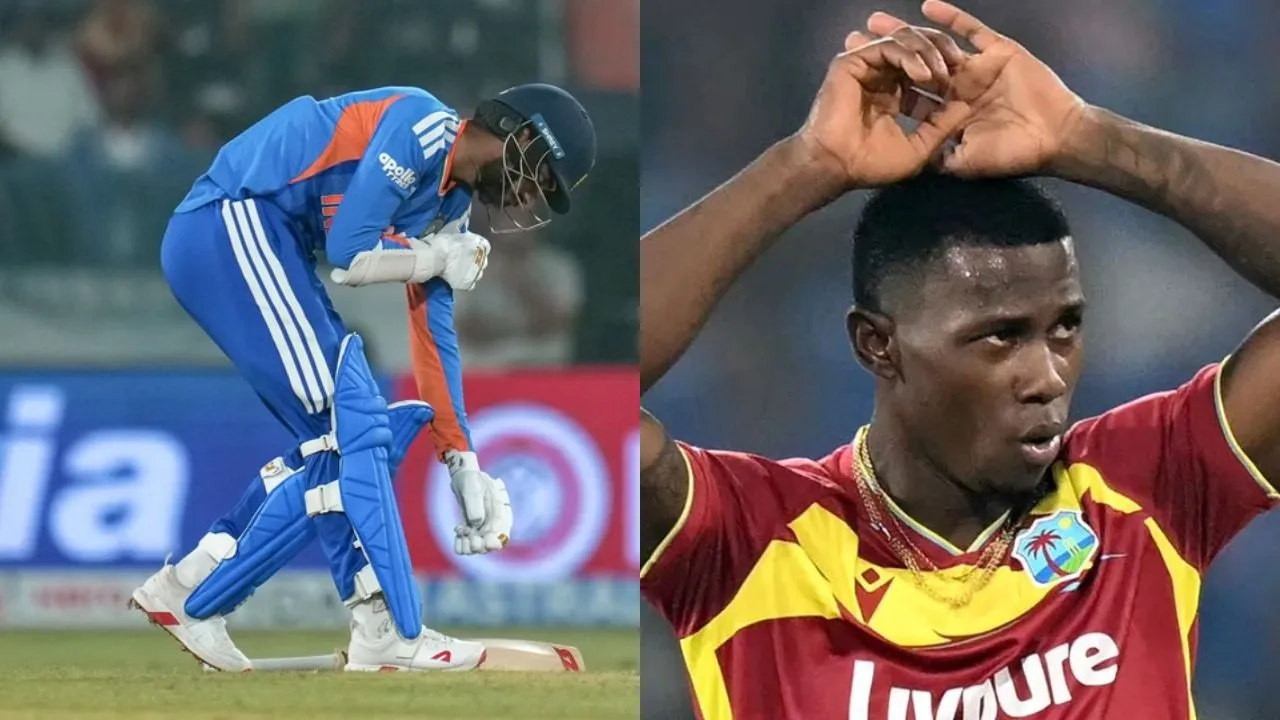
Former Royal Challengers Bengaluru batter Shreevats Goswami has criticised West Indies fast bowler Shamar Joseph over his repeated short-pitched deliveries to Arshdeep Singh during the final over of the fourth T20I. Goswami said the bowling appeared unnecessarily aggressive given the match situation and questioned whether it reflected the spirit of the game.
The incident occurred as India chased a challenging target of 248 in Hyderabad on Wednesday, October 14. The hosts needed 35 runs from the final over and were already nine wickets down. Joseph’s short-ball plan made the closing moments tense, particularly after one delivery struck Arshdeep on the arm. The Indian left-armer left the field injured a ball later.
West Indies, captained by Shai Hope, ultimately won the match and levelled the five-game series at 2-2. India, led by Shreyas Iyer, finished on 213/9 after 19 overs. The result sets up a decisive fifth T20I in Bengaluru on October 17, where both teams will be aiming to claim the series.
Goswami says a different line was called for
Goswami shared his reaction on X, arguing that India’s slim chances of completing the chase should have influenced Joseph’s approach. He said the bowler could have targeted the stumps rather than repeatedly directing short deliveries towards Arshdeep.
“What Shamar Joseph did in the last three balls against Arshdeep is not in the spirit of the game for me,” Goswami wrote. He added that Arshdeep was unlikely to win the match from that position and said it looked as though Joseph was trying to hit the batter.
The exchange has renewed discussion around the balance between competitive intent and player safety in fast bowling. Short-pitched deliveries are a legitimate part of cricket, particularly in T20 matches where bowlers often use pace and bounce to restrict scoring. But the context matters: the batter, the match situation, the delivery pattern and the risk of injury can all shape how an incident is viewed by players and spectators.
Goswami’s comments represent his personal assessment, rather than an official finding about Joseph’s intentions. The episode nevertheless became a talking point after the match, with Arshdeep’s injury and the repeated short balls drawing attention to the final over as well as the result.
A difficult white-ball tour for Shamar Joseph
Joseph’s fourth T20I was challenging on the scoreboard, even though West Indies secured the victory. He conceded 47 runs in 2.3 overs, as India’s batters attacked in pursuit of the steep target. His wider white-ball tour has also been difficult, with the fast bowler struggling to find consistent control and economy.
In his only appearance during the ODI leg, Joseph gave up 52 runs in six overs as India chased down 407. Across the T20I series, he had taken two wickets in four matches while conceding runs at an economy rate above 14. His figures included 23 runs from two overs in the opening game and 39 from three overs in the second. He claimed two wickets in the third T20I but was expensive again, allowing 54 runs in four overs.
Those numbers underline the challenge Joseph faces in the series decider. West Indies will want him to make an impact with the new ball and at the death, but tighter lengths and better control could be just as important as raw pace. A disciplined performance in Bengaluru would help the visitors turn their series-levelling win into a series triumph.
Arshdeep remains central to India’s pace plans
Arshdeep also had an expensive outing in Hyderabad, conceding 52 runs and taking one wicket in four overs. However, his recent performances have shown why he remains a key part of India’s bowling plans, especially with Jasprit Bumrah absent from the attack.
In the third T20I, Arshdeep helped India defend 223, taking 3/44 as West Indies were restricted to 209/7. Among his important dismissals were in-form batters Shai Hope and Sherfane Rutherford. That performance followed a quieter start to the series: he took one wicket in the first match and went wicketless in the second.
Arshdeep’s role extends beyond taking wickets. As a left-arm seamer, he offers India a different angle, while his experience in the closing overs makes him a valuable option when opponents are looking to accelerate. With the series on the line, India will need him to combine attacking intent with accuracy and manage his workload carefully after the injury scare.
Series prediction: Bengaluru decider promises a close contest
The 2-2 scoreline leaves little separating the teams ahead of the final T20I. West Indies will take confidence from their Hyderabad win, while India can draw on their ability to defend a large total in the previous match. The deciding contest may come down to how effectively each side handles the powerplay and the final overs, where small differences in execution can quickly change the outcome.
For India, a strong start from the top order would ease pressure on the middle and lower order. The bowlers, meanwhile, will need to contain West Indies’ aggressive hitters without offering too many scoring opportunities. West Indies will be looking for Joseph and the rest of the attack to deliver a more controlled performance, while their batters will aim to build on the momentum of the fourth match.
Any prediction for the Bengaluru decider remains uncertain: both teams have shown they can win under pressure, and the series has already swung between them. The final match will not only decide the trophy but also provide a chance for key players—including Arshdeep and Joseph—to respond to scrutiny with their performances on the field.
Latest News
Faf du Plessis puts Cricket South Africa administration under scrutiny after Durban Test loss vs AUS
Abhishek Sharma breaks Suryakumar Yadav’s record with 69 sixes in 2026
“Not in the spirit of the game” – Shreevats Goswami slams Shamar Joseph’s bowling against Arshdeep Singh
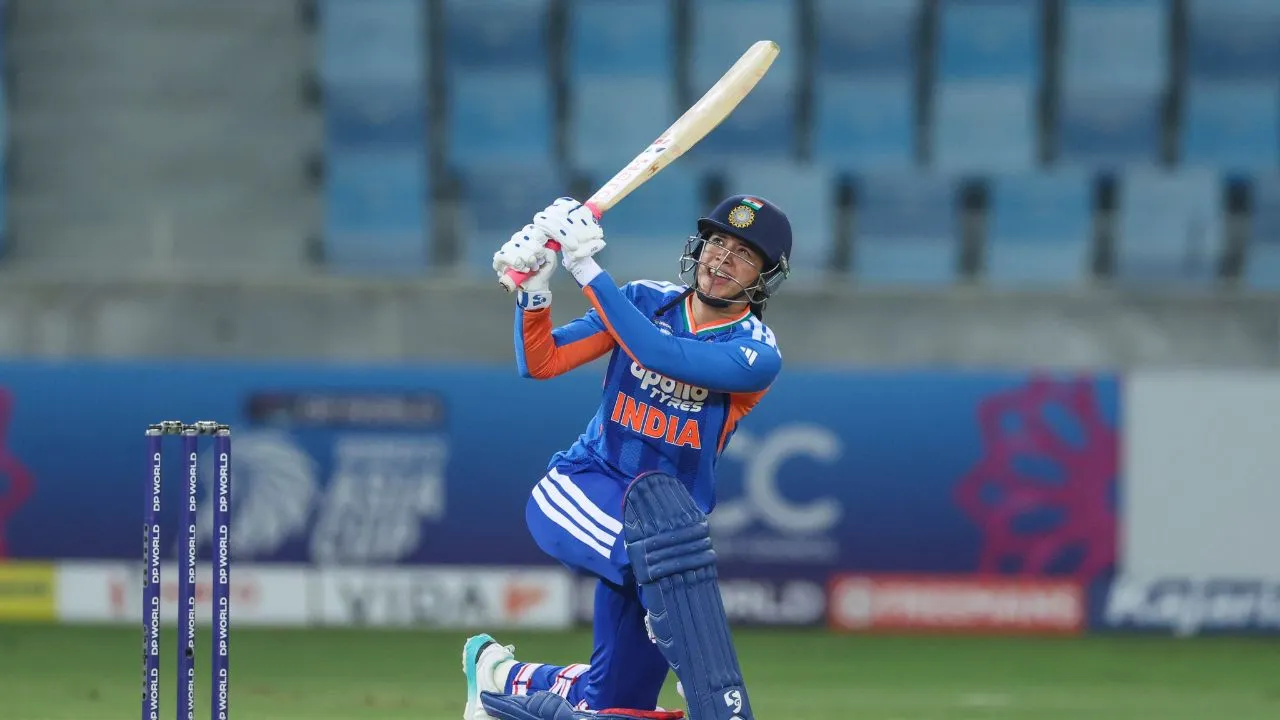
Smriti Mandhana targets historic T20I record in first series as India captain
Sunil Gavaskar defends India’s flat pitches, blames bowlers instead

Cameron Green injury update: All-rounder doubtful for 2nd Test vs South Africa
Nic Maddinson responds to criticism from Australia legends over Test recall
Kevin Pietersen vs England 2.0! Betting deal raises concerns over ECB mentorship role
BCCI ready to increase salaries, yet 2 former India stars reject West Zone selector’s job
South Africa squad for 2nd Test vs Australia named, Tristan Stubbs dropped, Matthew Breetzke IN
Prithvi Shaw opens up on isolating himself and playing PlayStation games
Yashasvi Jaiswal OUT of Mumbai’s Ranji squad, Suryansh Shedge, Angkrish Raghuvanshi added
‘Rohit Sharma, Virat Kohli not getting any younger’: Mitchell Santner warns India
Jasprit Bumrah OUT of New Zealand ODIs as BCCI plans Test preparations