Gautam Gambhir accused of orchestrating Rishabh Pant’s bizarre dismissal for 134 in 1st Test vs England
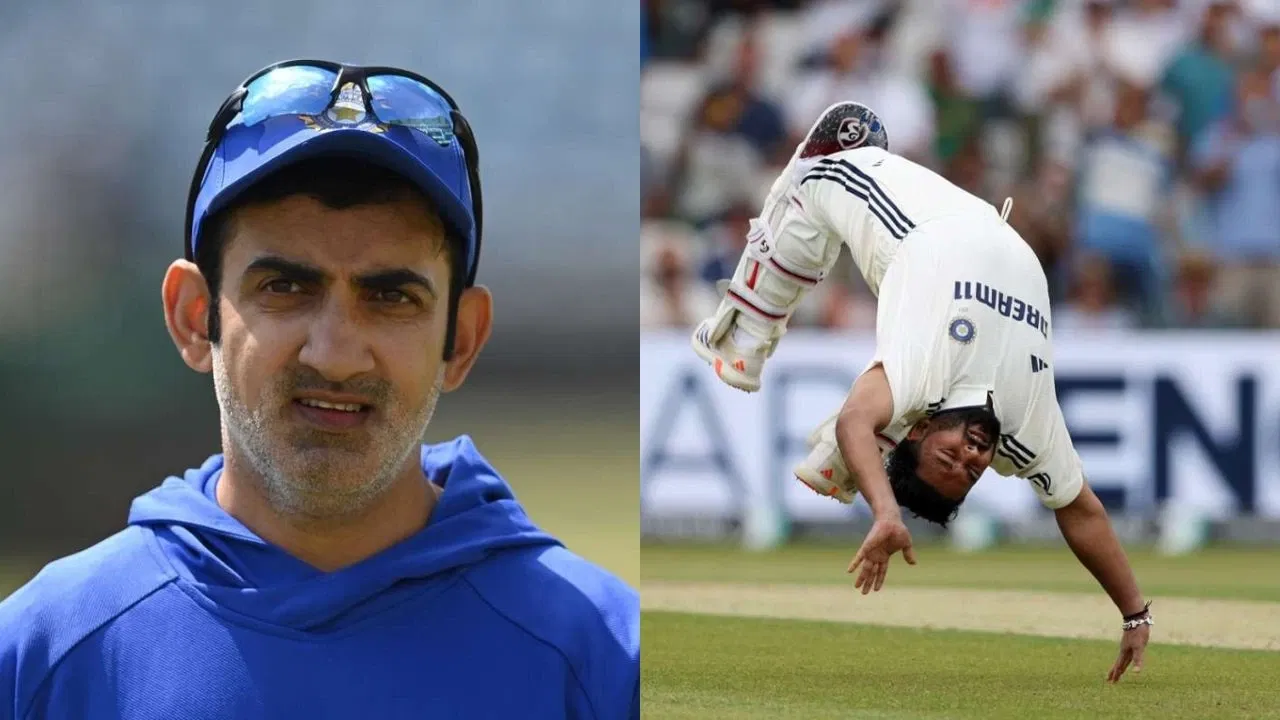
Former India Wicketkeeper-Batsman Dinesh Karthik Blames Head Coach for Rishabh Pant’s Dismissal
Former Indian national cricket team wicketkeeper-batsman, Dinesh Karthik, has raised eyebrows by alleging that head coach Gautam Gambhir played a crucial role in the dismissal of star player Rishabh Pant during the first Test against England. Karthik claimed that a message from Gambhir instructing Pant to “calm down” ultimately led to his bizarre dismissal at Headingley in Leeds on Saturday, June 21.
Rishabh Pant’s Stellar Innings
Pant had been in exceptional form during the match, showcasing his batting prowess by scoring his seventh century in Test cricket against the England team. With this century, Pant surpassed the legendary MS Dhoni to become the Indian wicketkeeper-batsman with the most centuries in the longest format of the game. Having already scored centuries in Australia, England, and South Africa, Pant’s talent and potential were on full display during the game.
The Bizarre Dismissal
However, Pant’s innings came to an unexpected end in the 108th over when a delivery from pacer Josh Tongue caught him off guard. Misjudging the ball’s trajectory, Pant opted to shoulder arms, only to realize too late that the ball was heading straight for the stumps. Despite using the Decision Review System (DRS), the replays confirmed that the delivery would have hit the stumps, leading to Pant’s dismissal with 134 runs off 178 balls to his name.
Karthik’s Allegations
During his commentary for Sky Sports, Dinesh Karthik pointed fingers at head coach Gautam Gambhir for Pant’s dismissal, suggesting that the message to “calm down” altered Pant’s natural style of play and contributed to his downfall. Karthik emphasized the importance of understanding different players’ personalities and styles to effectively communicate with them and bring out their best performance.
Karthik further emphasized the need for Gambhir to adapt his coaching techniques when dealing with players like Pant, who may require a different approach to reach their full potential. The former cricketer stressed the significance of the tone and language used when conveying messages to players, highlighting the importance of finding the right balance for each individual.
Pant’s Prediction
In an interesting turn of events, a video circulating on social media showed Pant seemingly predicting his own dismissal moments before it happened. Pant was heard telling his batting partner, Ravindra Jadeja, about his discomfort and the bowler’s strategy, foreshadowing his eventual wicket on the next ball. This incident added an intriguing twist to Pant’s dismissal and raised questions about the dynamics between players and coaches in high-pressure situations.
In conclusion, Dinesh Karthik’s allegations have sparked a debate within the cricketing community, shedding light on the complexities of player-coach relationships and the impact of communication on performance outcomes. As the cricketing world awaits responses from the concerned parties, the incident serves as a reminder of the fine line between coaching guidance and interference in a player’s natural game.
Impact of Coaching on Player Performance
The controversy surrounding Rishabh Pant’s dismissal and Dinesh Karthik’s allegations highlight the delicate balance that coaches must maintain when guiding players. While coaching is essential for honing skills and strategizing, it is crucial for coaches to understand each player’s unique personality and playing style to provide effective guidance. Pant’s case underscores the importance of communication strategies in coaching, with the need to tailor messages to individual players for optimal results.
Psychological Factors in Cricket
Cricket is not just a physical game but also a mental one, where players’ mindset and confidence play a significant role in their performance. The incident involving Pant’s dismissal and his premonition of it raises questions about the psychological aspect of the sport. Coaches must be attuned to players’ mental states and ensure that their coaching methods support players’ mental well-being and confidence on the field.
Player Autonomy vs. Coach Intervention
The debate sparked by Karthik’s allegations delves into the fine line between providing guidance as a coach and potentially interfering with a player’s natural instincts. Players, especially those with flair and aggression like Pant, may thrive on autonomy and freedom to express themselves on the field. Coaches must find a balance between offering advice and allowing players the space to play their game, respecting their individual styles while providing valuable insights.
Evolving Coaching Techniques
In the rapidly changing landscape of cricket, coaching techniques are also evolving to adapt to the diverse needs of players. Coaches are increasingly focusing on building strong relationships with players, understanding their motivations, and creating a supportive environment for growth. The incident with Pant serves as a reminder for coaches to continually reassess and refine their strategies to maximize player potential.
Lessons for the Future
As the cricketing world navigates the aftermath of Pant’s dismissal and Karthik’s allegations, there are valuable lessons to be learned. Communication, empathy, and adaptability are key skills for coaches to cultivate when working with a diverse range of players. By fostering open and constructive relationships with players, coaches can empower them to perform at their best while respecting their individuality.
In conclusion, the controversy surrounding Rishabh Pant’s dismissal sheds light on the multifaceted nature of player-coach dynamics in cricket. It underscores the importance of effective communication, psychological understanding, and adaptive coaching techniques in nurturing players’ talents and fostering success on the field. As the sport continues to evolve, the lessons drawn from this incident can serve as a catalyst for positive change in coaching practices and player development.
Latest News
Top 10 highest run-chases in T20 cricket history, ft. West Indies’ Ranchi win vs India
Aaryavir Sehwag and Anvay Dravid set to make headlines at U19 Asia Cup 2026
Longest ducks in Test cricket history ft. Nic Maddinson, Shoaib Akhtar
ECB to offer 39 central contracts to England players after Ben Stokes, Mark Wood’s retirement
Steve Smith surpasses Steve Waugh in all-time Test run-scorers’ list

Shane Watson identifies Gautam Gambhir’s biggest problem as India struggle for consistency

Is Bhuvneshwar Kumar in India’s 2027 World Cup plans? Ajinkya Rahane makes revelation

BCCI’s big ₹127 Crore move after injury crisis raises concerns over Team India

Parthiv Patel reveals RCB ignored his Jasprit Bumrah recommendation in IPL 2014 Auction
“Never spoke ill of any faith”: Irfan Pathan hits back at fake news using his name
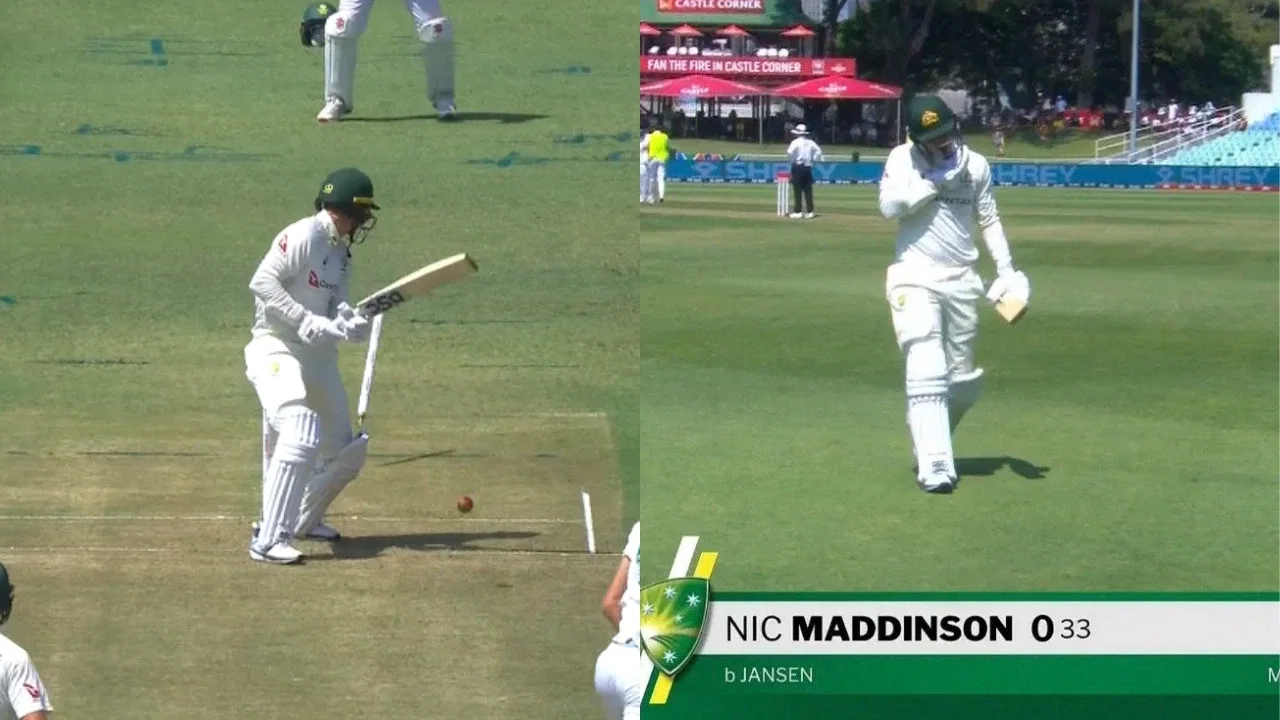
Nic Maddinson bags 33-ball duck on Test comeback, disappoints George Bailey

Imran Tahir predicts 2027 ICC ODI World Cup Semi-Finalists, snubs India for title
Australia create unwanted history with first all-30-plus Test XI
Ravindra Jadeja returns to Ranji Trophy as Saurashtra announce squad