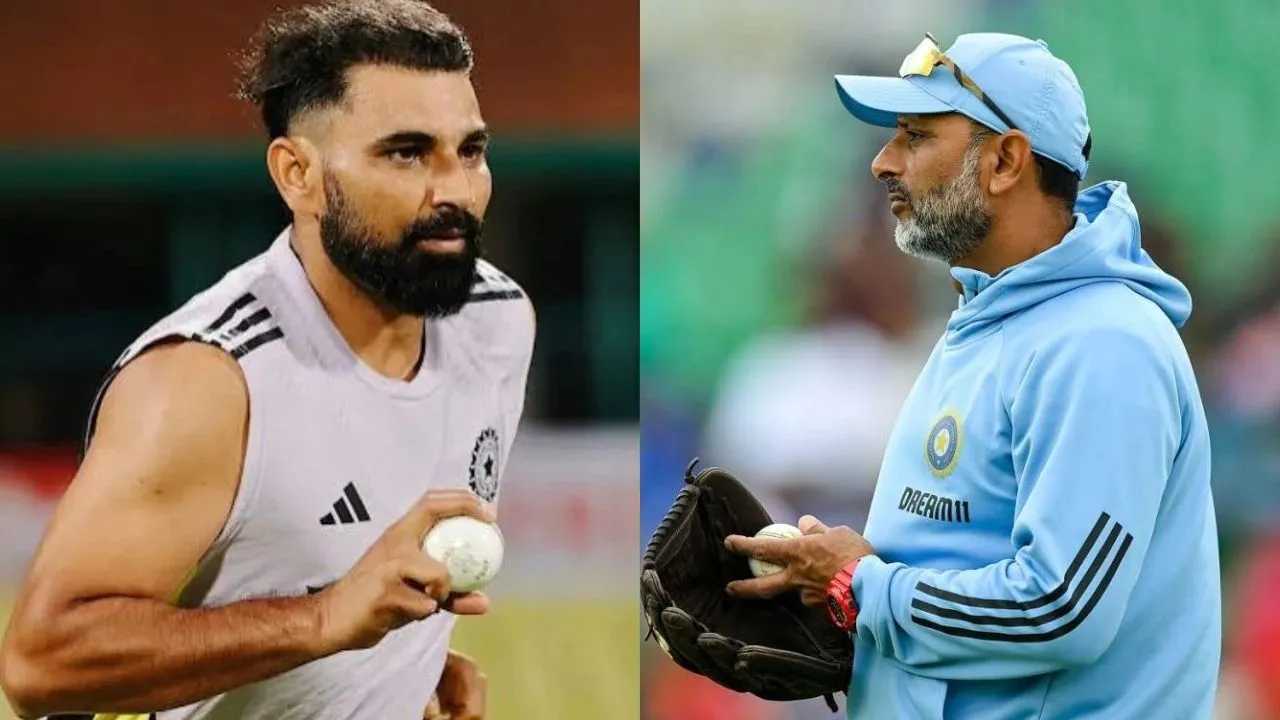
Gautam Gambhir removed from India’s Test team ownership
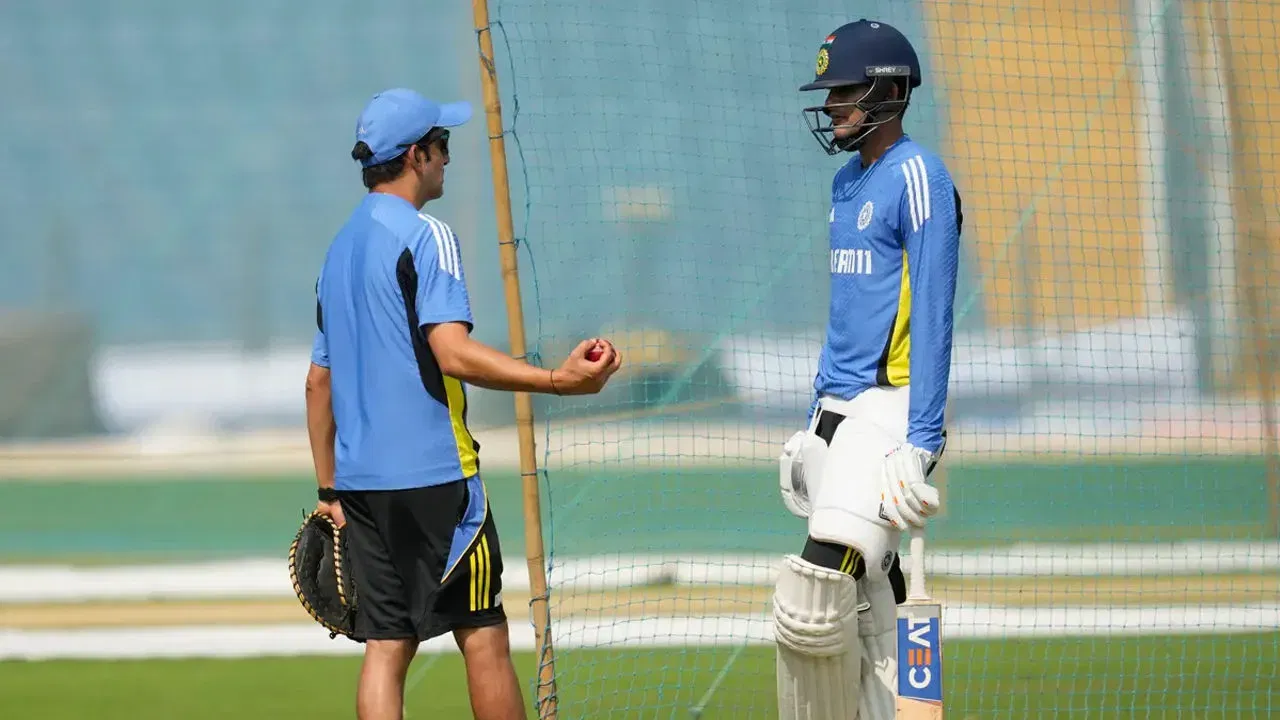
Sunil Gavaskar Speaks Out on India’s Selection Issues Ahead of Fourth Test Against England
Former Indian cricketer Sunil Gavaskar recently shared his insights on the selection challenges faced by the Indian squad for the upcoming fourth Test against England at Old Trafford in Manchester. Gavaskar emphasized the crucial role of the captain in team selection, highlighting the responsibility that falls on the shoulders of young talent, Shubman Gill.
India’s Selection Controversy
India’s selection for the fourth Test has sparked controversy as the team opted for batting depth over bolstering the bowling attack. The decision to exclude Kuldeep Yadav once again raised eyebrows, with Shardul Thakur chosen as a replacement for the injured Nitish Kumar Reddy. Additionally, debutant Anshul Kamboj was brought in for the injured Akash Deep.
Gavaskar’s Take on Team Ownership
During a recent interview on Day 4 of the ongoing Test match, Gavaskar was asked whether the current Indian team belongs to Shubman Gill or Gautam Gambhir. Gavaskar reflected on his playing days when there were no head coaches, only team managers or assistant managers.
“We didn’t have coaches. We just had former players as managers or assistant managers of the team. They were the kind of people who you went up to and talked to, they gave you some advice,” Gavaskar shared.
He further emphasized that the final authority on team selection should lie with the captain, indicating that Gill should be held accountable for the squad composition.
Gavaskar’s Call for Team Accountability
Gavaskar stressed that ultimately, it is the captain’s team, and the responsibility rests on their shoulders. Regardless of external influences, the captain should have the final say in choosing the playing XI.
“At the end of the day, it’s a captain’s team. People are going to talk about him and his captaincy. So, it’s got to be his call really,” Gavaskar noted.
Kuldeep Yadav’s Dilemma
Kuldeep Yadav’s struggle to secure a permanent spot in India’s Test XI was also a topic of discussion. Despite his impressive record in red-ball cricket, Yadav has found it challenging to break into the playing XI due to the team’s batting depth.
India’s bowling coach, Morne Morkel, acknowledged the difficulty in accommodating Kuldeep, citing the team’s strong batting lineup as a hindrance.
Closing Thoughts
As the fourth Test between India and England unfolds, the spotlight remains on the selection dynamics within the Indian team. Sunil Gavaskar’s insights shed light on the complexities of team ownership and the captain’s pivotal role in shaping the squad. The ongoing debate over selection decisions adds a layer of intrigue to the Test series, as fans eagerly await the outcome at Old Trafford.
India’s Batting Depth vs. Bowling Strength
The decision to prioritize batting depth over strengthening the bowling attack in the fourth Test against England has raised questions about the team’s strategy. While a strong batting lineup is essential for posting competitive totals, a potent bowling attack is equally crucial for securing victories in Test matches. The exclusion of Kuldeep Yadav, known for his spin prowess, has led to debates about the balance between batting and bowling in India’s team composition.
Former players and cricket experts have weighed in on the selection dilemma, with some advocating for a more balanced approach that considers both batting stability and bowling potency. The ongoing debate reflects the challenges faced by team management in striking the right balance between the two facets of the game.
Crucial Role of Young Talent: Shubman Gill
Amidst the selection controversies, all eyes are on young talent Shubman Gill, who has shown promise in his brief international career. As Gavaskar highlighted, the responsibility for team selection ultimately falls on the captain, putting the spotlight on Gill’s role in shaping the squad for the upcoming Test.
Gill’s performance with the bat and his potential as a future leader in Indian cricket make his involvement in team decisions significant. The pressure of living up to expectations and making strategic choices as a young player adds another layer of complexity to the selection process.
Player Versatility and Adaptability
Another aspect of the selection process is the versatility and adaptability of players to different conditions and roles within the team. With injuries and form fluctuations being common in cricket, players need to be adaptable and ready to take on different roles as per the team’s requirements.
The ability of players like Shardul Thakur and Anshul Kamboj to step up in challenging situations and deliver when called upon showcases the depth of talent in the Indian squad. Their adaptability to changing circumstances highlights the importance of having a flexible and diverse team composition.
Team Dynamics and Leadership
Team dynamics and leadership play a crucial role in navigating selection challenges and fostering a cohesive unit. The captain’s authority in team selection, as emphasized by Gavaskar, is instrumental in maintaining a harmonious team environment and ensuring accountability for decisions made.
Effective communication, mutual respect among players, and strong leadership are essential for overcoming selection controversies and focusing on the collective goal of success on the field. The ability of the captain and the team management to navigate these dynamics can have a significant impact on the team’s performance and morale.
Looking Ahead: The Outcome of the Fourth Test
As the fourth Test between India and England progresses, the selection dynamics and strategic decisions made by the team management will continue to be scrutinized. The outcome of the match at Old Trafford will not only reflect the players’ performance on the field but also the effectiveness of the selection process and leadership within the team.
Fans and analysts eagerly await the conclusion of the Test series, hoping to see a competitive and well-balanced display of cricket from both sides. The ongoing discussions surrounding team selection and player roles add an element of unpredictability and excitement to the cricketing spectacle, underscoring the unpredictable nature of the sport.
Overall, the selection challenges faced by the Indian team ahead of the fourth Test against England serve as a reminder of the intricacies involved in building a successful cricket team. The blend of experience, talent, adaptability, and leadership will determine the team’s ability to overcome obstacles and achieve victory in a fiercely competitive Test match environment.
Latest News

Top 10 highest run-chases in T20 cricket history, ft. West Indies’ Ranchi win vs India
Aaryavir Sehwag and Anvay Dravid set to make headlines at U19 Asia Cup 2026

Longest ducks in Test cricket history ft. Nic Maddinson, Shoaib Akhtar
ECB to offer 39 central contracts to England players after Ben Stokes, Mark Wood’s retirement

Steve Smith surpasses Steve Waugh in all-time Test run-scorers’ list

Shane Watson identifies Gautam Gambhir’s biggest problem as India struggle for consistency
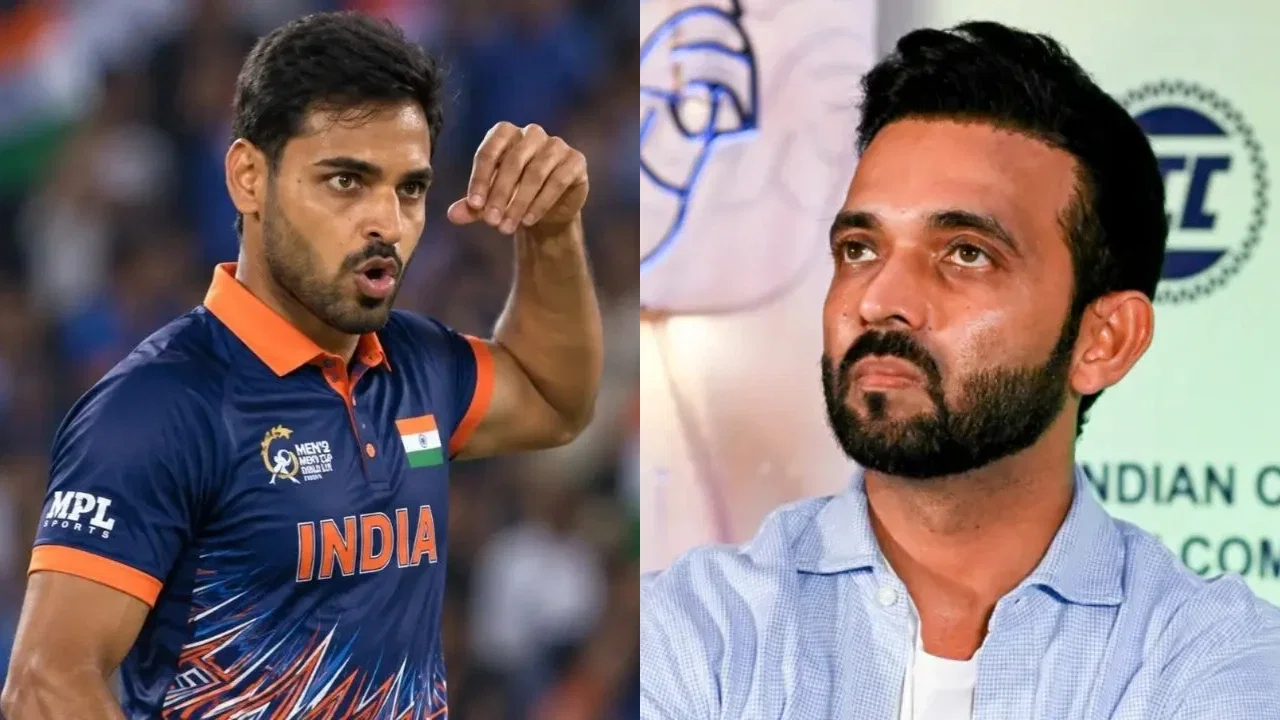
Is Bhuvneshwar Kumar in India’s 2027 World Cup plans? Ajinkya Rahane makes revelation
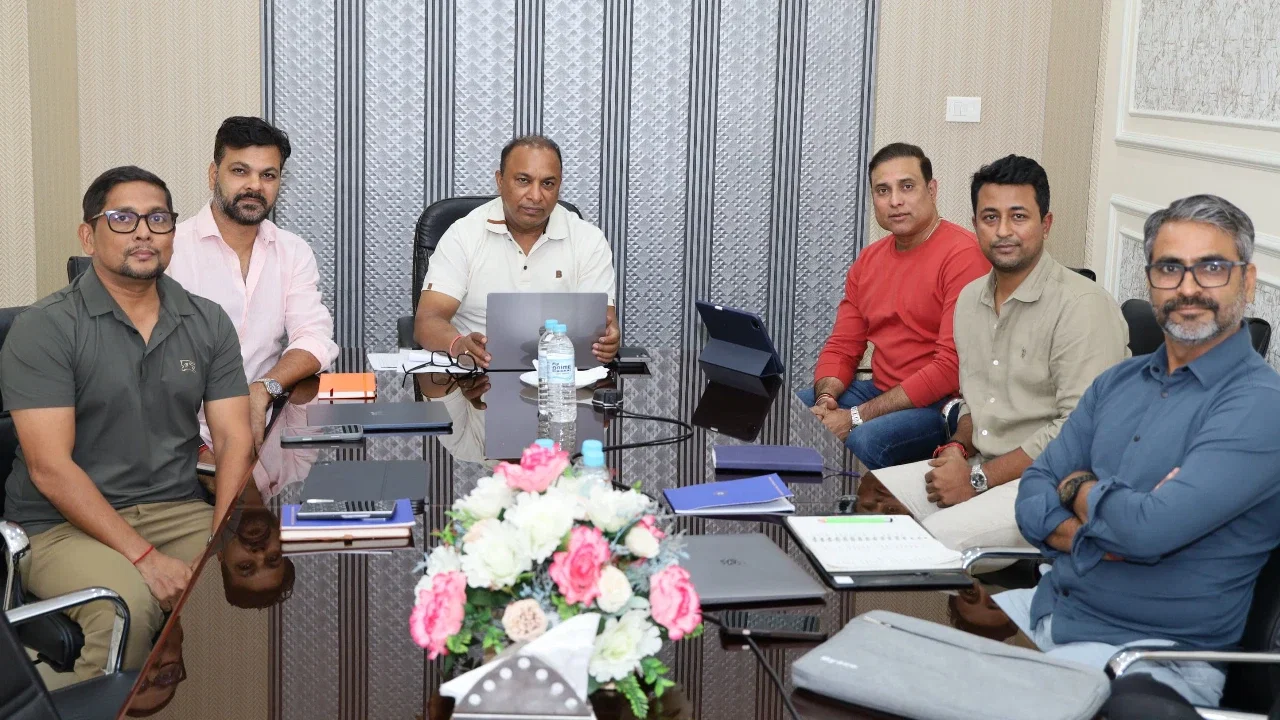
BCCI’s big ₹127 Crore move after injury crisis raises concerns over Team India
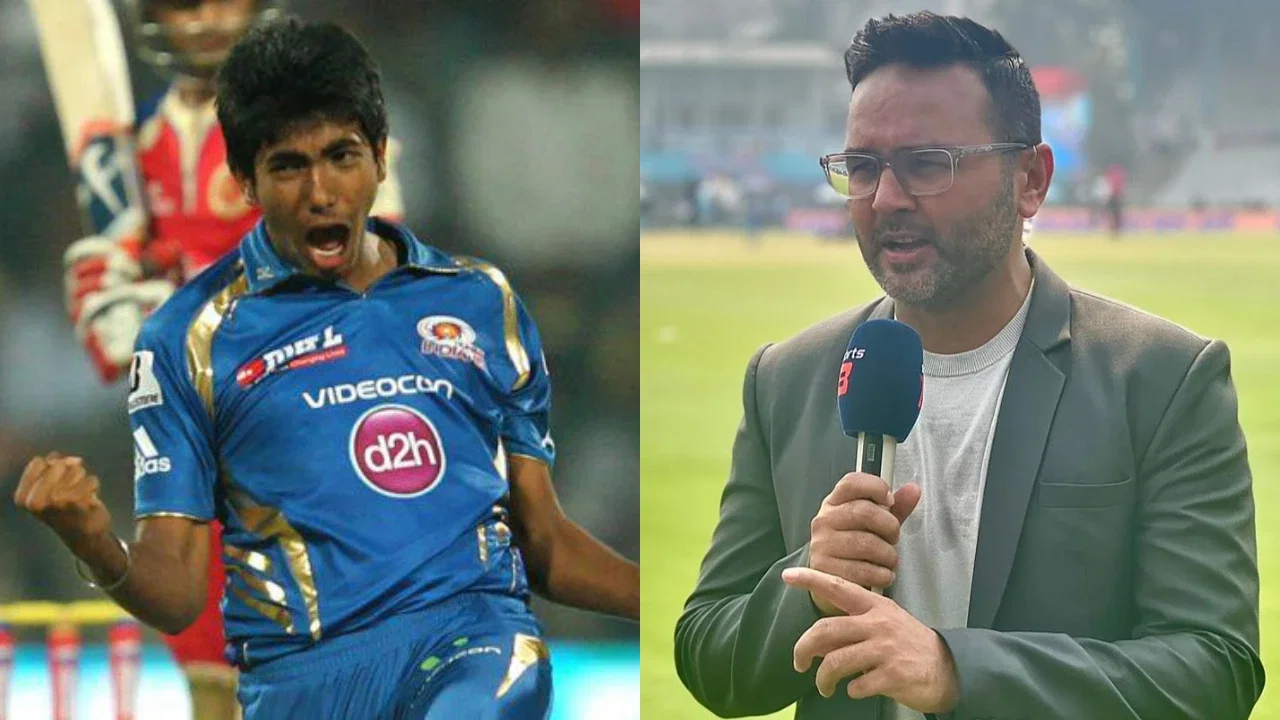
Parthiv Patel reveals RCB ignored his Jasprit Bumrah recommendation in IPL 2014 Auction
“Never spoke ill of any faith”: Irfan Pathan hits back at fake news using his name
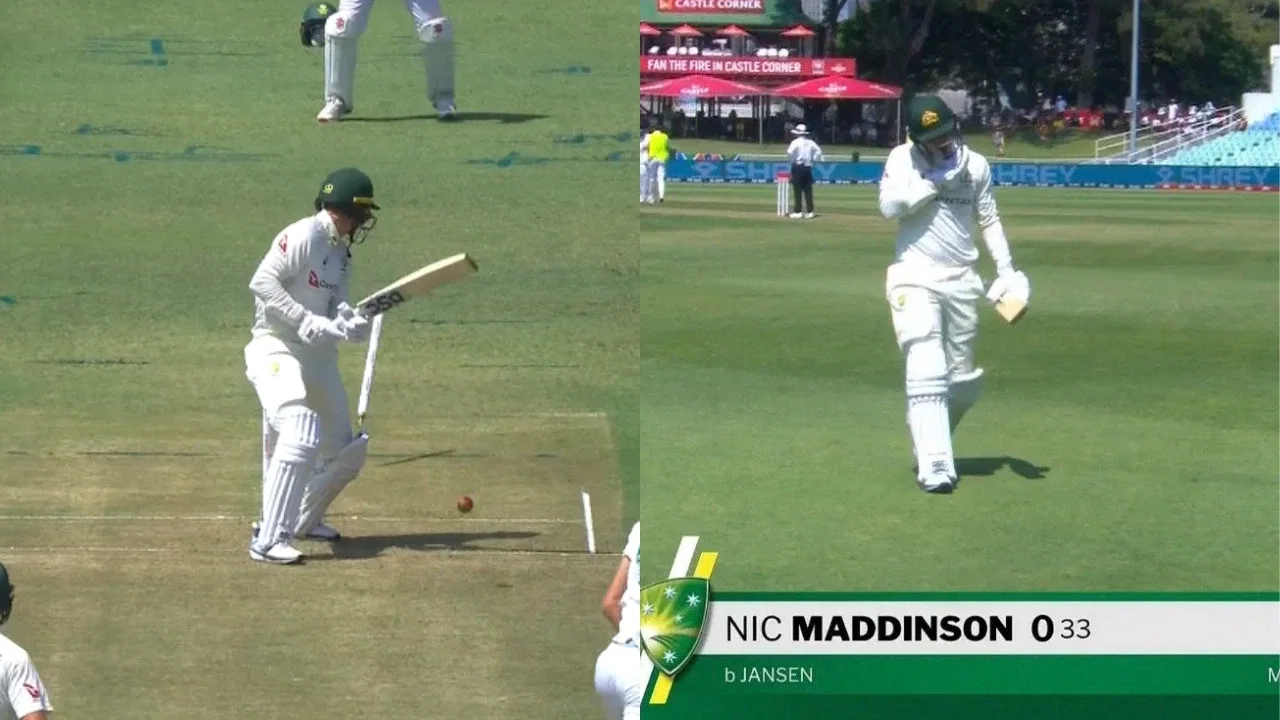
Nic Maddinson bags 33-ball duck on Test comeback, disappoints George Bailey

Imran Tahir predicts 2027 ICC ODI World Cup Semi-Finalists, snubs India for title
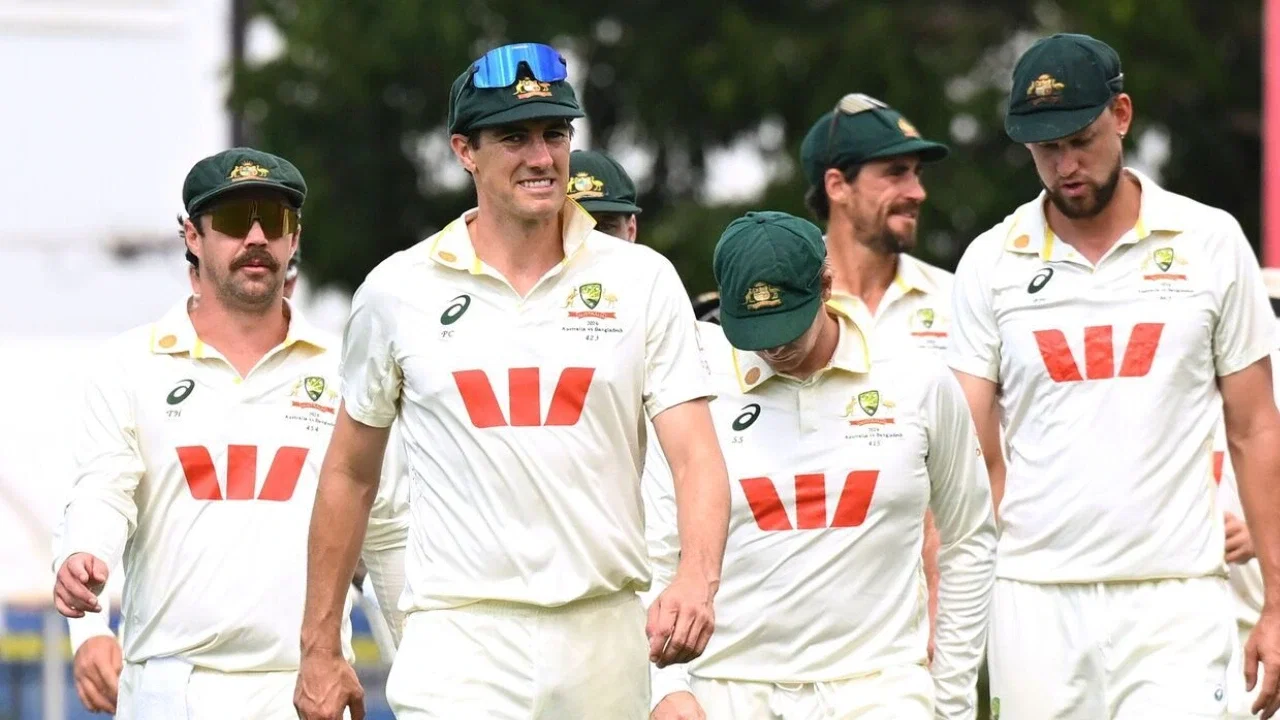
Australia create unwanted history with first all-30-plus Test XI
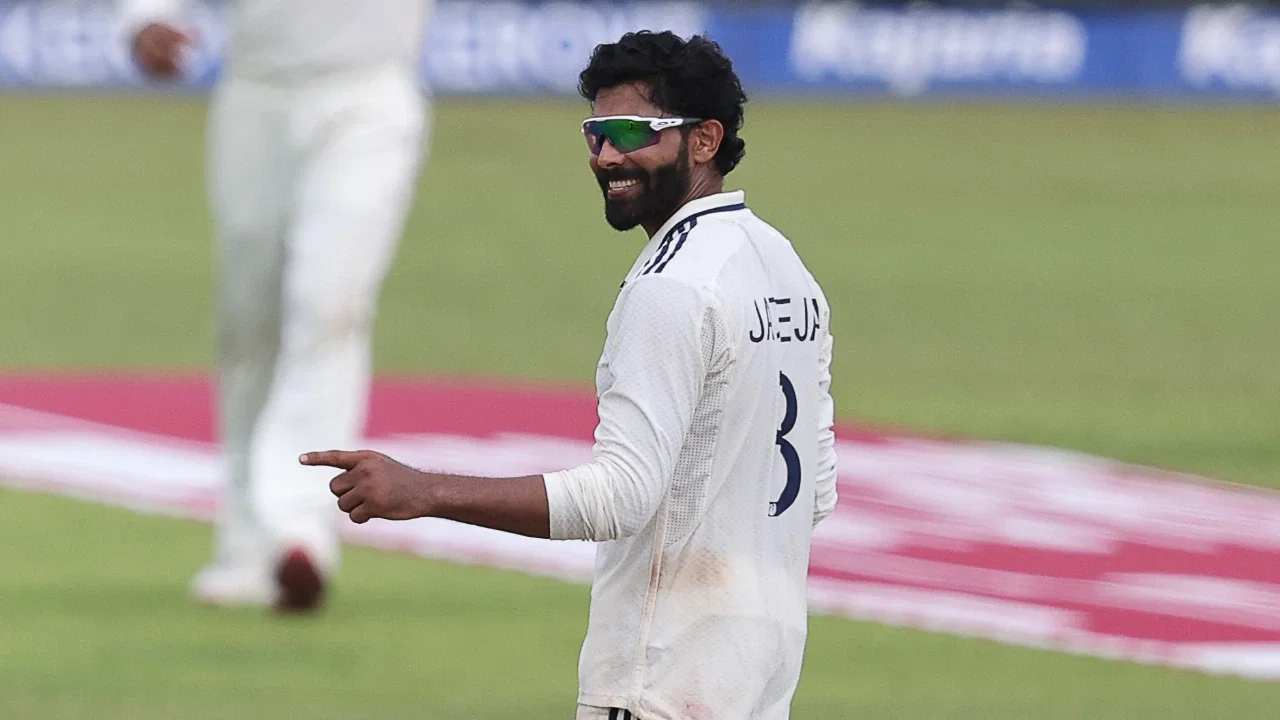
Ravindra Jadeja returns to Ranji Trophy as Saurashtra announce squad