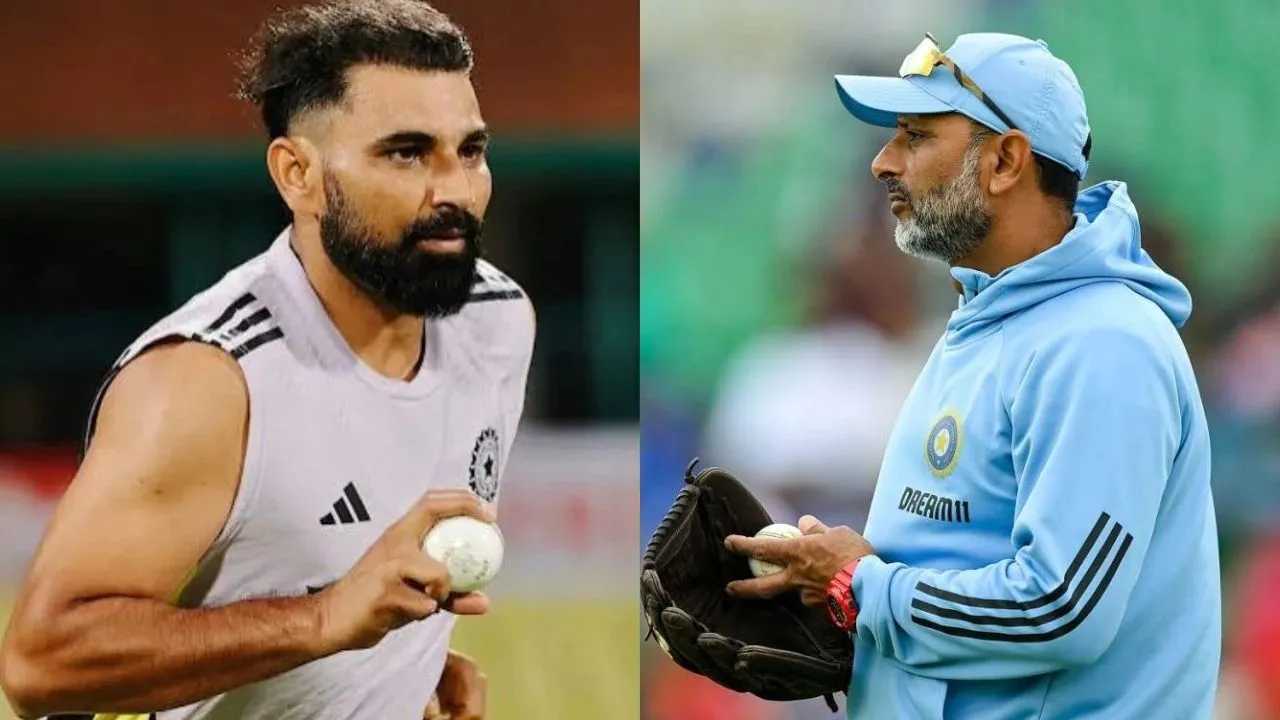
Gautam Gambhir takes a dig at Virat Kohli, Rohit Sharma with bold ‘team-centric’ message after Oval Test win
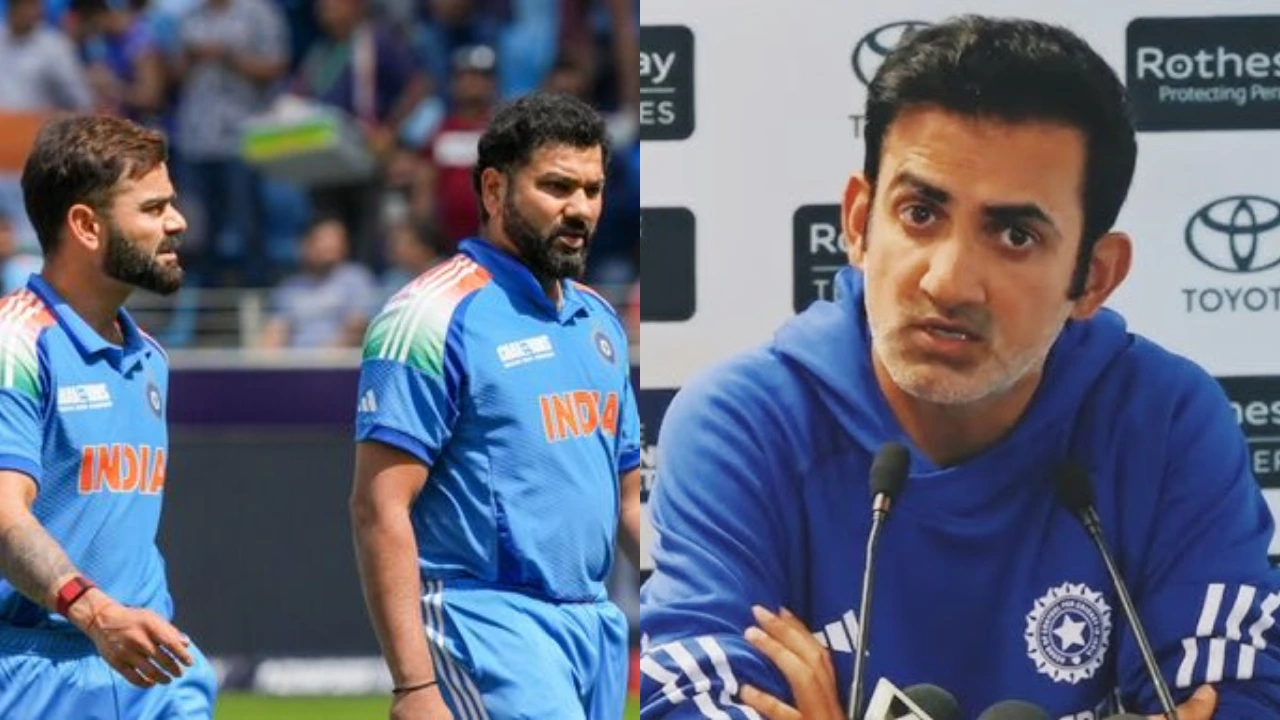
India and England Draw Test Series 2-2: A Triumph for Teamwork and New Era
After a thrilling final Test match at The Oval, India and England ended their series in a nail-biting draw, marking a significant moment for the Indian cricket team and their head coach, Gautam Gambhir. The intense battle on the field culminated in a six-run victory for India, thanks to an outstanding performance by Mohammed Siraj and Prasidh Krishna.
The Turning Point: Siraj’s Heroics
On the final day of the match, England needed just 35 runs to secure a win with four wickets in hand. However, the relentless bowling attack led by Mohammed Siraj dismantled the English batting lineup, with Siraj claiming three critical wickets in quick succession. His exceptional performance earned him five wickets in the second innings, ultimately sealing the victory for India and earning him the well-deserved title of Player of the Match.
With a total of nine wickets in the final Test, Siraj emerged as the leading wicket-taker of the series, showcasing his prowess and contributing significantly to India’s success against a tough opponent like England.
Gambhir’s Vision for the Team
Following the drawn series, Gautam Gambhir expressed his satisfaction with the team’s performance, emphasizing a shift towards a new era of Indian cricket that values teamwork, hard work, and unity over individual stardom. Gambhir’s vision focuses on fostering a team-centric approach rather than relying solely on big-name players, signaling a departure from the past era of superstar-led dominance.
In a statement released by the BCCI, Gambhir highlighted the fearless attitude and fighting spirit displayed by the young Indian players throughout the series, commending their dedication and commitment to the team’s success. He emphasized that the team’s achievements were a result of collective effort and performance, rather than individual brilliance.
Gill’s Leadership and Team Effort
As the captain of the Indian team during the Test series, Shubman Gill played a pivotal role in leading his side to a hard-fought draw against England. Gill’s leadership was characterized by a strong emphasis on teamwork and contributions from all players, reflecting his belief in the importance of collective effort in achieving success.
Reflecting on the series, Gill expressed his joy and satisfaction with the team’s performance, highlighting the significant contributions made by each player at crucial moments. With 754 runs to his name, Gill emerged as the leading run-scorer of the series, showcasing his batting prowess and leadership skills on the field.
Overall, the drawn Test series between India and England not only showcased the resilience and determination of the Indian team but also marked the beginning of a new era under Gautam Gambhir’s leadership, focused on unity, teamwork, and performance over individual accolades.
The Impact of Predictive Analytics in Cricket
One crucial aspect that contributed to India’s success in the drawn Test series against England was the strategic use of predictive analytics. In recent years, cricket teams have increasingly turned to data analysis to gain insights into players’ performance, opposition strategies, and match conditions.
By leveraging advanced statistical models and machine learning algorithms, teams can make informed decisions regarding team composition, batting order, bowling strategies, and field placements. This data-driven approach allows coaches and captains to optimize their tactics based on historical data, player performance trends, and real-time match statistics.
For instance, in the final Test match at The Oval, India’s decision to persist with Mohammed Siraj despite a challenging situation was likely influenced by data indicating his effectiveness against specific English batsmen or in certain match conditions. This strategic move ultimately paid off, underscoring the value of data-driven decision-making in cricket.
The Role of Sports Psychology in Team Performance
Another critical factor in India’s success in the Test series was the team’s mental resilience and psychological readiness. Sports psychology plays a significant role in helping athletes manage pressure, stay focused, and perform at their best under stressful conditions.
India’s mental strength was evident throughout the series, especially in crucial moments when the team needed to dig deep and deliver under pressure. The players’ ability to stay composed, maintain confidence, and execute their skills effectively can be attributed to the work of sports psychologists who help them develop mental toughness and resilience.
By incorporating sports psychology principles into their training and preparation, teams like India can enhance their performance on the field and overcome challenges with a positive mindset. This holistic approach to player development underscores the importance of mental well-being and emotional intelligence in achieving success in high-pressure sporting events.
The Evolution of Team Dynamics in Modern Cricket
The drawn Test series between India and England exemplified a shift in team dynamics in modern cricket, emphasizing the importance of collective effort and unity over individual brilliance. While star players continue to make significant contributions, the success of a team is increasingly dependent on the cohesion, communication, and collaboration among all team members.
In a sport like cricket where teamwork is essential for success, fostering a harmonious team environment and emphasizing shared goals can lead to improved performance and resilience in challenging situations. The Indian team’s ability to rally together, support each other, and work towards a common objective was instrumental in their competitive showing against a formidable opponent like England.
As cricket continues to evolve and adapt to new challenges, the role of team dynamics and collaboration will become increasingly pivotal in determining a team’s success on the field. By embracing a team-centric approach and prioritizing unity over individual accolades, teams can build a strong foundation for sustained success in the ever-changing landscape of international cricket.
In conclusion, the drawn Test series between India and England not only showcased the talent and skill of the players but also highlighted the significance of predictive analytics, sports psychology, and team dynamics in shaping the outcome of high-stakes cricket matches.
Latest News
Top 10 highest run-chases in T20 cricket history, ft. West Indies’ Ranchi win vs India

Aaryavir Sehwag and Anvay Dravid set to make headlines at U19 Asia Cup 2026

Longest ducks in Test cricket history ft. Nic Maddinson, Shoaib Akhtar
ECB to offer 39 central contracts to England players after Ben Stokes, Mark Wood’s retirement
Steve Smith surpasses Steve Waugh in all-time Test run-scorers’ list

Shane Watson identifies Gautam Gambhir’s biggest problem as India struggle for consistency

Is Bhuvneshwar Kumar in India’s 2027 World Cup plans? Ajinkya Rahane makes revelation

BCCI’s big ₹127 Crore move after injury crisis raises concerns over Team India

Parthiv Patel reveals RCB ignored his Jasprit Bumrah recommendation in IPL 2014 Auction
“Never spoke ill of any faith”: Irfan Pathan hits back at fake news using his name
Nic Maddinson bags 33-ball duck on Test comeback, disappoints George Bailey

Imran Tahir predicts 2027 ICC ODI World Cup Semi-Finalists, snubs India for title
Australia create unwanted history with first all-30-plus Test XI
Ravindra Jadeja returns to Ranji Trophy as Saurashtra announce squad