‘Get hit for 6 sixes’: Yuzvendra Chahal recalls Virat Kohli’s unusual advice
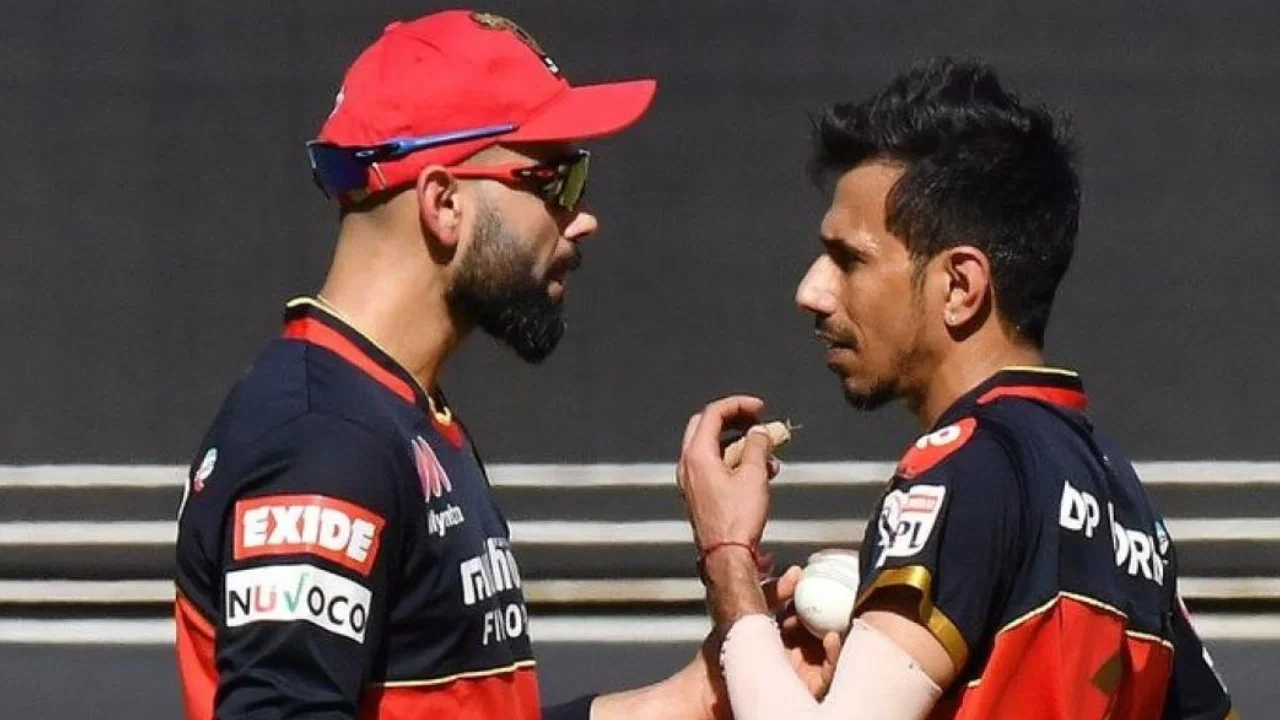
Yuzvendra Chahal Recalls Virat Kohli’s Bold Advice During RCB’s IPL 2015 Clash With CSK
Yuzvendra Chahal has revisited one of the most unusual pieces of advice he received during his time with Royal Challengers Bengaluru (RCB). In a conversation with former India opener Aakash Chopra, the leg-spinner recalled how Virat Kohli encouraged him to keep attacking Suresh Raina—even after the Chennai Super Kings batter had struck three consecutive sixes.
The moment came during an Indian Premier League match in 2015, when Raina was in full flow and Chahal was still establishing himself as a frontline bowler. Kohli’s message, as Chahal remembers it, was strikingly calm: do not panic if another six is hit. Instead, stick with the plan and look for the wicket.
Raina’s Three Sixes Put Chahal Under Pressure
Chahal shared the story on Chopra’s cricket podcast, explaining that Raina had begun the over by attacking him aggressively. The first six was a cleanly struck shot. The next two also cleared the boundary, although Chahal felt they had only just travelled beyond the rope.
From the bowler’s perspective, three sixes in succession can quickly change the mood of a match. The batter has momentum, the fielding side is searching for answers, and the bowler must decide whether to alter the line, length or field. Chahal said he initially wondered whether the ground’s dimensions had contributed to the shots, but he also believed the deliveries themselves were not necessarily poor.
“He hit the first one, and I thought, ‘Okay, that’s a good shot.’ Then he hit the second one, and it just cleared the boundary. The third one was similar,” Chahal recalled. “I thought, ‘Okay, it’s probably just the ground. But the ball isn’t bad.’”
Kohli’s Risky-Sounding Prediction Became a Wicket Plan
With Raina attacking and the pressure building, Kohli stepped in to speak with Chahal. The captain’s suggestion sounded risky: allow Raina to try for another maximum, then trust the bowling plan to create an opportunity. Chahal said Kohli told him, in effect, that even if Raina hit six sixes, the team would deal with it.
For a young bowler in only his second IPL season, the instruction could have been difficult to follow. Chahal admitted that hearing Kohli speak so confidently helped him accept the challenge. Rather than retreating from the contest, he delivered the next ball with the intention of tempting Raina into another attacking stroke.
Raina advanced down the pitch and swung for a fourth six. This time, however, the hit did not carry far enough. The ball went high towards the deep field, where a fielder completed the catch and ended Raina’s innings. The sequence turned a potentially punishing over into a crucial breakthrough for RCB.
Chahal recalled that Kohli was positioned at long-off and had urged him not to lose belief after the earlier sixes. The episode offers a glimpse into the confidence and tactical thinking behind a high-pressure cricket decision: a bowler may sometimes need to accept the possibility of conceding runs in order to keep a batter committed to an attacking shot.
Why the Tactic Worked
The plan was not simply to serve up an easy delivery. Its success depended on reading Raina’s mindset. After three consecutive sixes, the batter had reason to believe another aggressive shot could bring further reward. Chahal’s next delivery encouraged that confidence, but the execution and field placement gave RCB a chance to take the catch.
That distinction matters. In T20 cricket, a captain’s prediction that a batter might keep attacking is not a guarantee of what will happen. It is a calculated assessment of the situation. Kohli’s encouragement helped Chahal focus on the dismissal rather than the damage already done, while the fielding setup remained part of the plan.
For young players, the story also highlights the value of communication between captain and bowler. A clear message can help a bowler stay composed after being hit, especially when the next delivery could determine whether the opposition’s momentum continues. Chahal’s recollection is a reminder that confidence, tactical clarity and execution often work together in the IPL’s fast-moving contests.
Chahal’s Strong IPL 2015 Season
The 2015 campaign proved an important one for Chahal. He claimed 23 wickets in 15 matches for RCB, finishing among the competition’s most effective wicket-takers. His economy rate was 8.86, reflecting the demanding nature of his role in a format where batters frequently target spinners.
That 23-wicket season remains the second-highest single-season tally of Chahal’s IPL career. His personal best came in 2022, when he represented Rajasthan Royals and took 27 wickets in 17 matches. The achievement earned him the season’s leading-wicket-taker honour and underlined his reputation as a spinner capable of making an impact across different teams and conditions.
Chahal’s story from the RCB-CSK match offers more than a memorable anecdote about sixes and a catch. It captures the mental contest at the heart of T20 cricket: a batter looking to maintain an attacking rhythm, a bowler searching for a response, and a captain willing to back a bold prediction. In this case, Kohli’s confidence helped Chahal stay committed—and the gamble ended with Raina’s dismissal.
Latest News
![Mohammed Shami IN: India ODI squads for New Zealand tour 2026 [Predicted]](https://111.90.158.165/wp-content/uploads/2026/10/Untitled-design-9-1--1.webp)
Mohammed Shami IN: India ODI squads for New Zealand tour 2026 [Predicted]
Yuzvendra Chahal breaks silence on divorce, reveals anxiety attacks and 26 days in rehab
India vs Zimbabwe women’s T20I tickets: Free entry for women in Raipur
Watch: Vaibhav Sooryavanshi warns paparazzi with “thuk jaoge” remark
Bharat Arun, R Sridhar give Nitish Kumar Reddy reality check on becoming next Hardik Pandya
Australia captain Sophie Molineux fit for T20I opener vs NZ, Phoebe Litchfield remains doubtful
Yuzvendra Chahal reveals drunk Australian player nearly killed him
‘Get hit for 6 sixes’: Yuzvendra Chahal recalls Virat Kohli’s unusual advice
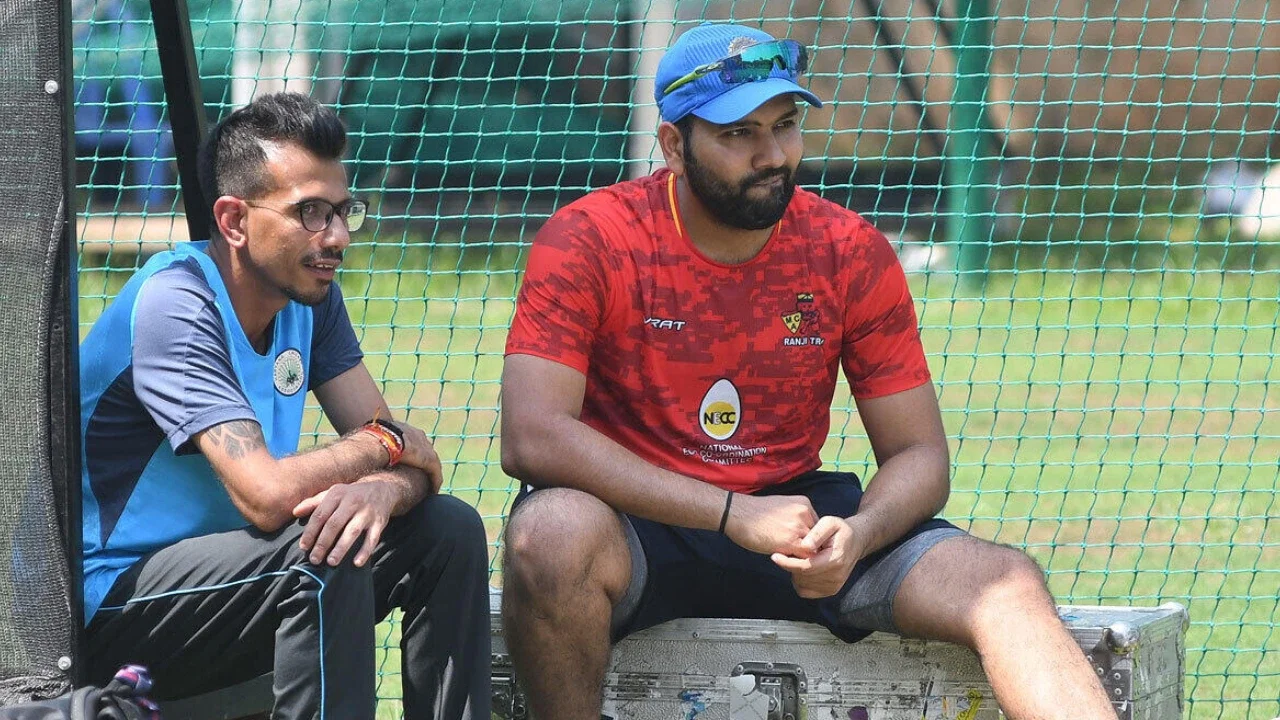
Yuzvendra Chahal reveals why Rohit Sharma left him out of India’s 2023 World Cup squad
‘India earn millions, West Indies get nothing’: CWI CEO questions cricket’s financial model

South Africa vs Australia: Scott Boland pushes for recall, Kagiso Rabada awaits fitness clearance
Mitchell Starc may skip IPL 2027 to prioritise Australia’s Test commitments
Yuvraj Singh reveals how Sourav Ganguly offered him Delhi Capitals coaching job
Pathum Nissanka ruled out of Pakistan ODI tri-series, Lahiru Udara named replacement