Sunil Gavaskar furious with Shamar Joseph after Arshdeep Singh incident
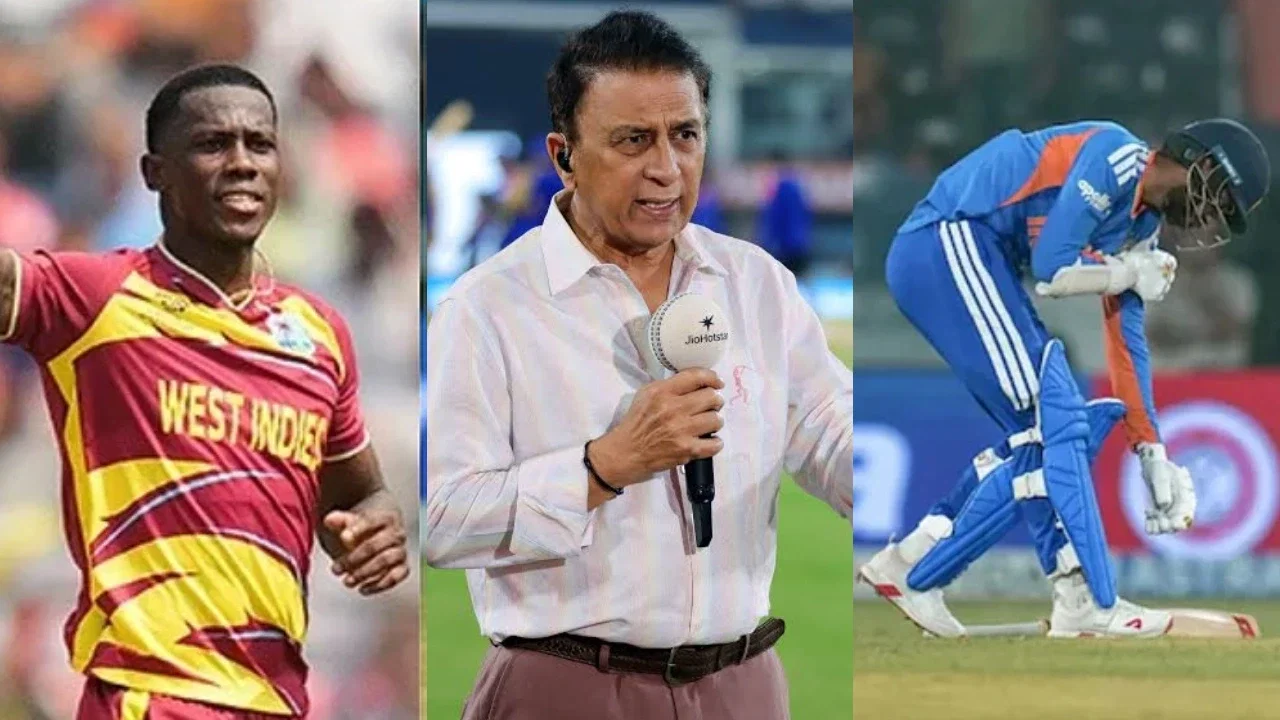
Sunil Gavaskar Criticises Shamar Joseph After Arshdeep Singh Is Hit in Fourth T20I
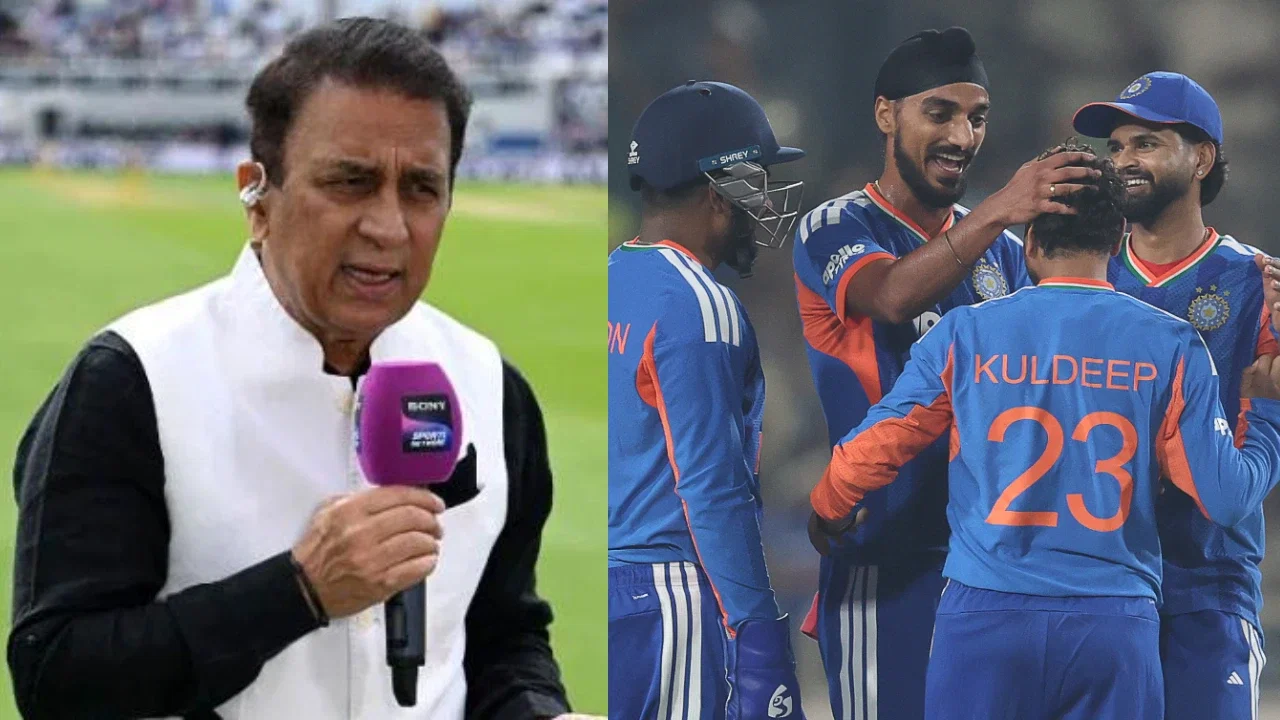
Former India captain Sunil Gavaskar has criticised West Indies fast bowler Shamar Joseph for repeatedly directing the ball towards Arshdeep Singh’s body during the closing stages of the fourth T20I in Hyderabad. With India’s chase all but over, Gavaskar argued that Joseph should have aimed at the stumps rather than bowling at a visibly uncomfortable batter.
The incident occurred at the Rajiv Gandhi International Stadium on Wednesday, October 14, as India pursued a challenging target. The West Indies ultimately won by 24 runs, drawing the five-match series level at 2-2 and setting up a winner-takes-all final. The exchange between Joseph and Arshdeep, however, became one of the match’s most discussed moments.
Arshdeep Singh Retires Hurt During India’s Final-Over Chase
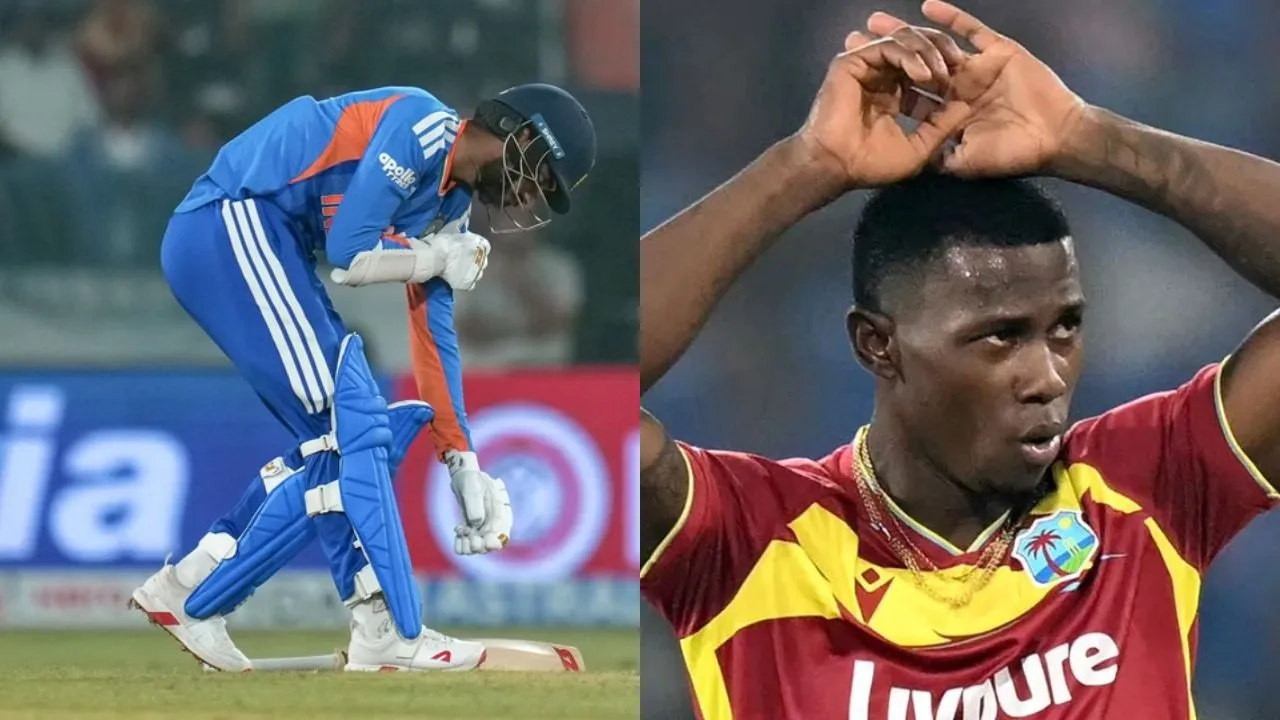
India entered the final over needing 35 runs with only one wicket left. Arshdeep, batting at No. 11, found the boundary from the first delivery after getting a top edge. The next ball struck him on the arm, leaving him in visible discomfort.
Joseph then delivered another ball towards Arshdeep’s body as the Indian batter moved away towards the leg side. Arshdeep called for medical attention and attempted to continue, but the pain appeared to trouble him again a couple of deliveries later. He eventually retired hurt, bringing India’s innings to an end at 19.3 overs.
The situation was especially difficult for the Indian team because Arshdeep was not simply a tailender at the crease: he is also a frontline fast bowler whose fitness could matter in the series decider. India captain Shreyas Iyer was seen signalling from the dugout for him to return, while Sanju Samson later said Arshdeep was applying ice to his shoulder.
Gavaskar Says Joseph Should Have Targeted the Stumps
Gavaskar’s criticism focused on Joseph’s choice of line rather than the result of the match. The former batter said a player in significant pain should not risk worsening an injury merely to remain at the crease. At the same time, he questioned why Joseph continued to bowl towards Arshdeep when India’s chances of completing the chase were extremely slim.
“If he is not okay, he should retire,” Gavaskar said, according to the Hindustan Times. “He seems to be in pain. You do not want to aggravate that injury.”
Gavaskar added that Joseph could have used Arshdeep’s movement away from the ball to target the stumps. In his view, bowling at the body was unnecessary when a straightforward attempt to hit the wicket was available. His comments have prompted wider discussion about the balance between competitive intent and sportsmanship in the final moments of a one-sided finish.
Shreevats Goswami Also Questions the Tactic
Former India wicketkeeper-batter Shreevats Goswami also criticised Joseph’s approach in the last few deliveries. Goswami suggested that Arshdeep had little realistic chance of changing the outcome, making it reasonable for the bowler to focus on the stumps instead of following him towards his body.
Such reactions highlight how late-game decisions can attract scrutiny even when they fall within the competitive nature of cricket. Fast bowlers are expected to attack, and batters are entitled to move around the crease. But when a player appears hurt and the match is effectively decided, viewers may judge a bowler’s choices through the additional lens of sportsmanship.
West Indies Level the Series Ahead of the Decider
The West Indies’ 24-run victory brought the series to 2-2, ensuring the fifth T20I would decide the trophy. For India, the immediate concern will be Arshdeep’s condition and whether he is fit to take part in the decisive match. His recovery could be important not only for the team’s bowling plans but also for managing workload ahead of a busy international schedule.
The series decider is scheduled for Saturday, October 17, at Bengaluru’s M. Chinnaswamy Stadium. Both sides will have little room for error: India will look to regain control after the Hyderabad defeat, while the West Indies will aim to convert their comeback into a series win.
What the Incident Means for India’s Match Prediction
Any prediction for the final T20I will depend on team fitness, conditions and how each side responds under pressure. Arshdeep’s availability is a key variable for India, given his role as a left-arm pace option and his experience in death overs. If he is unavailable or not fully fit, India may need to adjust its bowling combination and distribute those overs among other seamers.
The Bengaluru venue can also influence the contest. The Chinnaswamy Stadium is known for its compact boundaries, which can reward aggressive batting, although conditions and the surface on match day will shape how teams approach their innings. Captains may need to weigh the value of early wickets against the risk of defending a total on a ground where momentum can shift quickly.
For the West Indies, the Hyderabad win offers confidence, but the series remains undecided. Their ability to maintain discipline with the ball and make the most of scoring opportunities will be central to their chances. India, meanwhile, will want a more complete performance after falling short in the fourth match.
India’s Busy Schedule Continues
After the T20I series, India are scheduled to travel to New Zealand for a demanding run of international cricket, including five ODIs, five T20Is and three Tests. That calendar adds another reason for the team to monitor player fitness carefully, particularly for fast bowlers who face heavy workloads across formats.
The fourth T20I will therefore be remembered for more than its result. The match has left India and the West Indies level heading into the decider, while Gavaskar’s comments have put Joseph’s bowling tactics under the spotlight. With the series on the line, the final contest in Bengaluru promises a compelling test of skill, strategy and composure.
Latest News
Mitchell Starc may skip IPL 2027 to prioritise Australia’s Test commitments
Yuvraj Singh reveals how Sourav Ganguly offered him Delhi Capitals coaching job
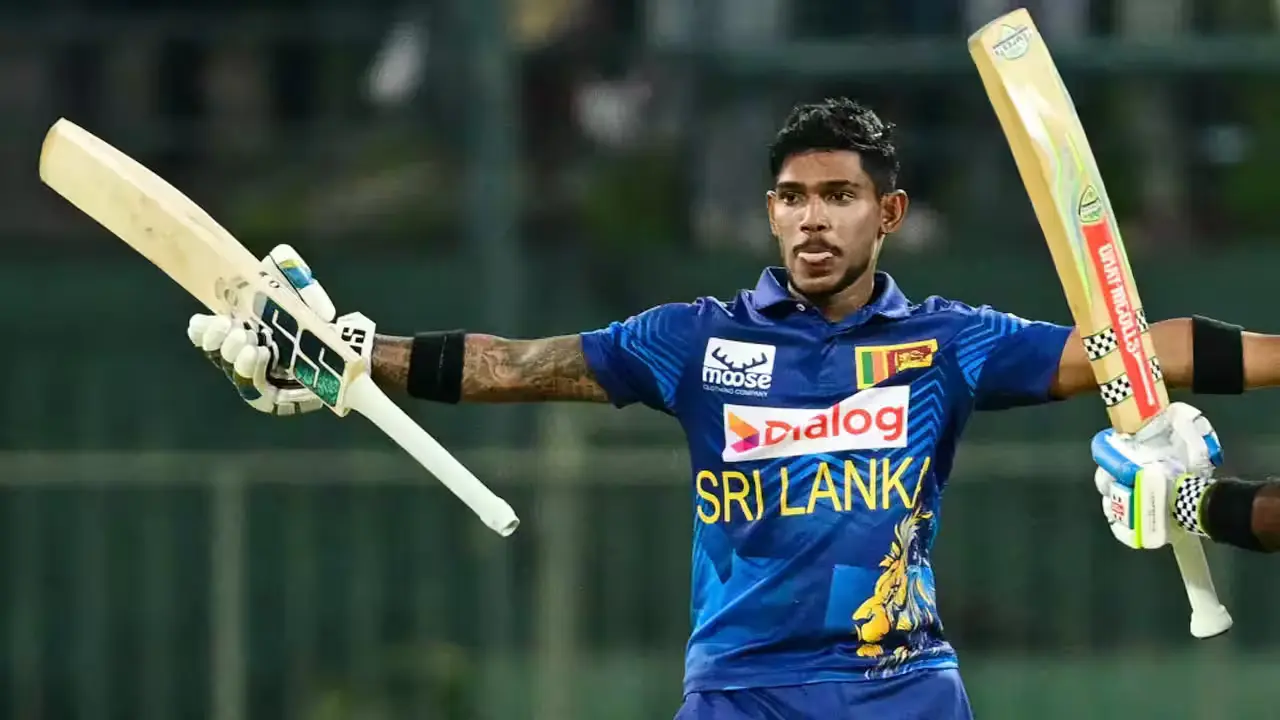
Pathum Nissanka ruled out of Pakistan ODI tri-series, Lahiru Udara named replacement
Sunil Gavaskar furious with Shamar Joseph after Arshdeep Singh incident
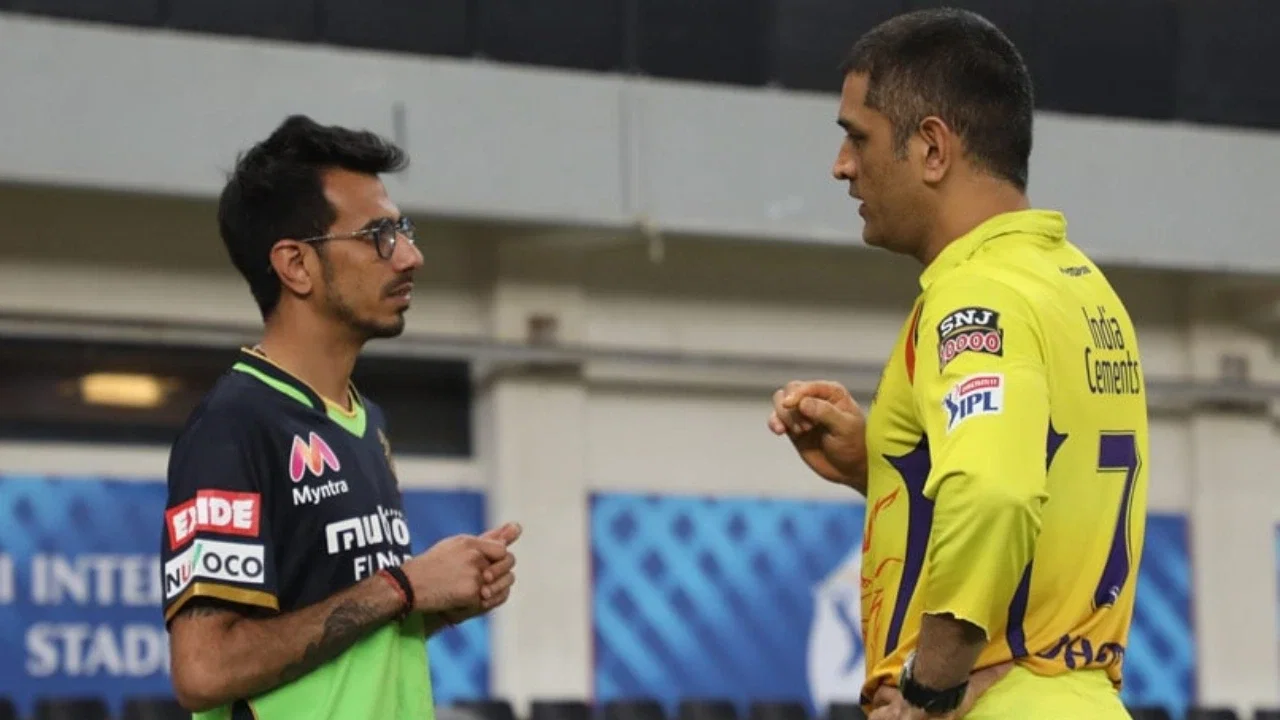
“MS Dhoni made our job 50% easier”: Yuzvendra Chahal reveals captain cool’s big contribution
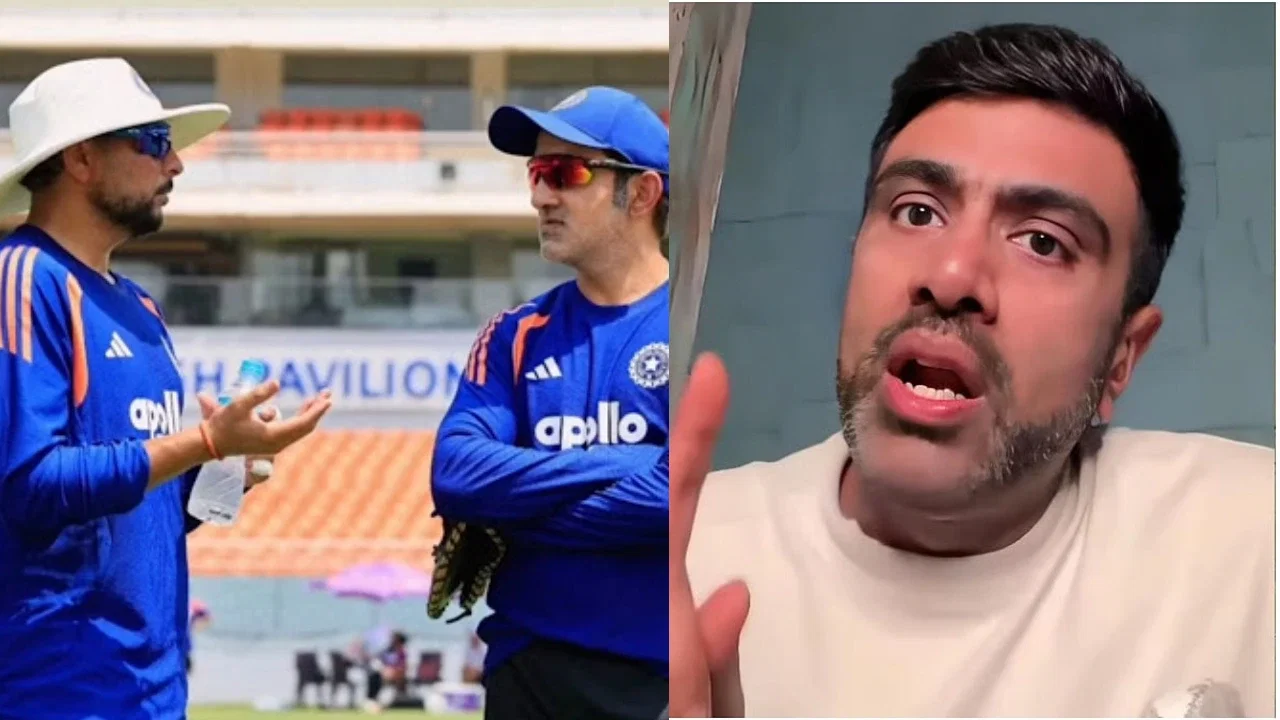
Ravichandran Ashwin slams Gautam Gambhir’s think tank over Kuldeep Yadav’s snub
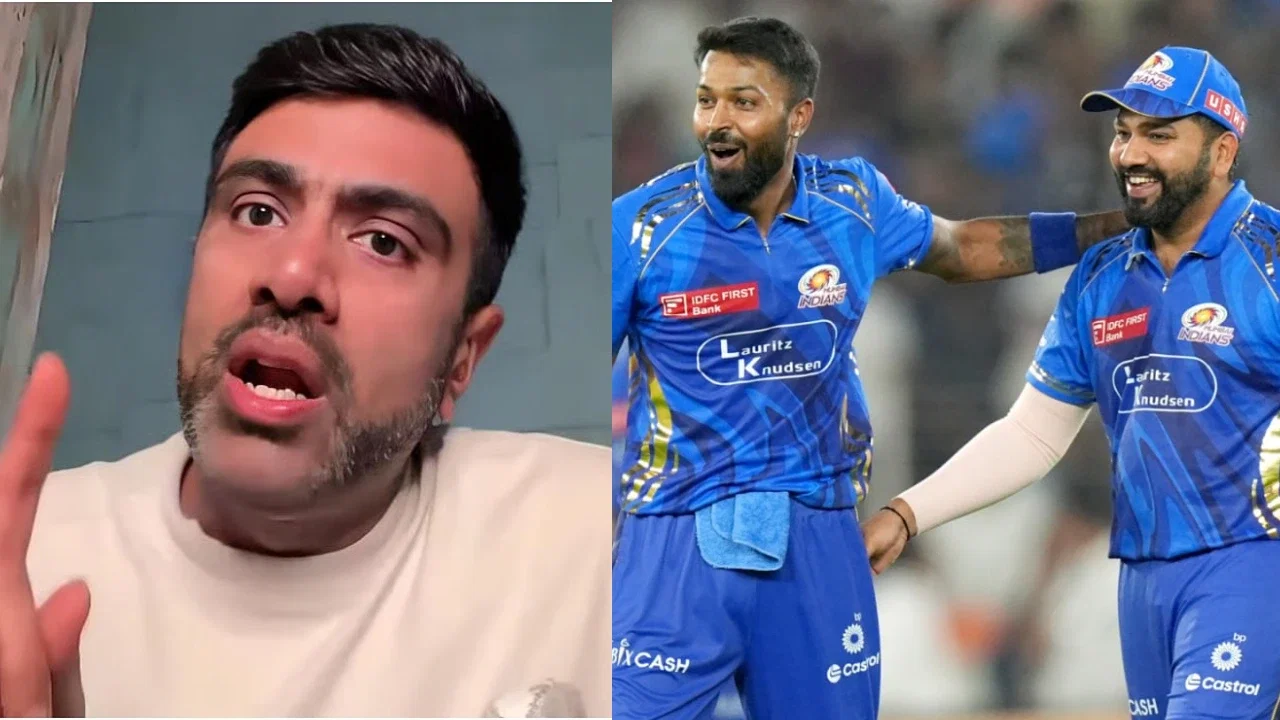
Ravichandran Ashwin wants Rohit Sharma back as MI captain, gives big advice on Hardik Pandya
Faf du Plessis puts Cricket South Africa administration under scrutiny after Durban Test loss vs AUS
Abhishek Sharma breaks Suryakumar Yadav’s record with 69 sixes in 2026
“Not in the spirit of the game” – Shreevats Goswami slams Shamar Joseph’s bowling against Arshdeep Singh
Smriti Mandhana targets historic T20I record in first series as India captain
Sunil Gavaskar defends India’s flat pitches, blames bowlers instead

Cameron Green injury update: All-rounder doubtful for 2nd Test vs South Africa
Nic Maddinson responds to criticism from Australia legends over Test recall