“Handshake took place”: Salman Ali Agha cries again about India-Pakistan Asia Cup controversy
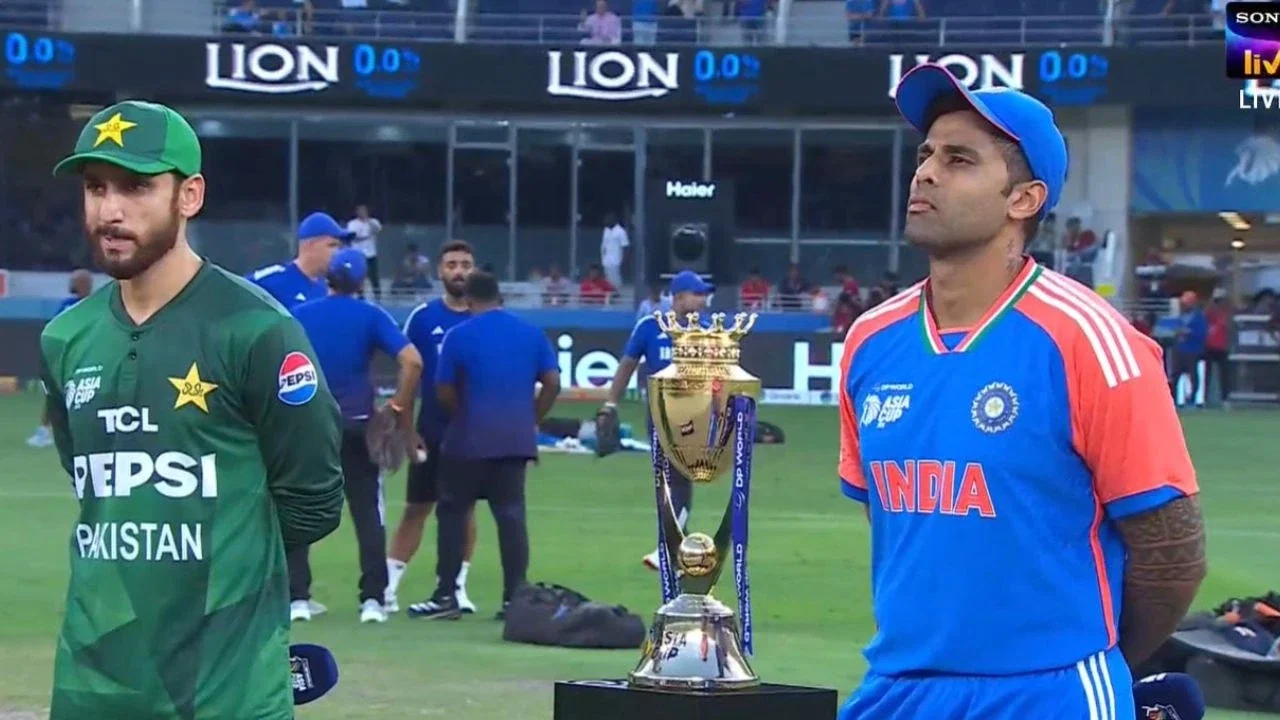
Pakistan Captain Salman Ali Agha Reveals Details About the Asia Cup 2025 Handshake Controversy
The handshake controversy that took place during the Asia Cup 2025 has once again resurfaced, with Pakistan captain Salman Ali Agha shedding light on what transpired on the field. The tournament was already rife with emotion, tension, and drama, but the decision by the Indian cricket team not to shake hands with their Pakistani counterparts added another layer of significance to the event.
The No-Handshake Incident
In the midst of a dominant performance by India in the Asia Cup 2026, where they won all three matches, including the final, the focus remained on the events that unfolded before and after the games in Dubai. The controversy stemmed from the Indian team’s decision not to shake hands with the Pakistani players throughout the tournament as a protest following the Pahalgam terror attack in April 2025. This unusual gesture carried through the age groups, sparking widespread debate and discussion within the cricketing community.
Salman Ali Agha’s Revelations
Salman Ali Agha recently shared new details about the incident, stating that he and Indian captain Suryakumar Yadav had exchanged pleasantries during the pre-tournament press conference and even during the trophy photoshoot. However, the situation took an unexpected turn at the toss when he was informed that there would be no handshake from the Indian side, catching him off guard.
Reflecting on the series of events, Salman Ali Agha expressed his surprise, mentioning, “I had an idea that things wouldn’t be as normal, but I didn’t think it would escalate to the point where there would be no handshake. I didn’t expect that.” Despite not being informed beforehand, he accepted the decision calmly, emphasizing that he was not desperate to shake hands and understood the circumstances.
The Impact of No Handshake
Salman Ali Agha highlighted the implications of India’s actions, stating that such behavior sends the wrong message, especially to young fans who look up to cricket players as role models. He underscored the importance of setting a positive example and expressed his belief that the no-handshake approach was not the right thing to do.
Continued Controversy
The no-handshake stance persisted in the T20 World Cup, where India maintained their refusal to shake hands after winning the Asia Cup final. The controversy deepened when the Indian team declined to accept the trophy from Mohsin Naqvi, who is also Pakistan’s interior minister, following their victory. Despite receiving individual awards, the Indian team has yet to lay hands on the trophy, as Naqvi left the venue with the silverware.
Overall, the Asia Cup 2025 handshake controversy continues to resonate within the cricketing community, serving as a reminder of the impact of gestures both on and off the field.
Impact on Diplomatic Relations
Beyond the realm of sports, the handshake controversy during the Asia Cup 2025 also had implications for diplomatic relations between India and Pakistan. The refusal to engage in a simple gesture of sportsmanship highlighted the ongoing tensions and deep-rooted political differences between the two nations. The incident not only captured the attention of cricket fans but also garnered interest from political analysts and diplomats who closely monitor India-Pakistan relations.
As cricket often serves as a symbolic battleground for the two nations, the no-handshake incident underscored the challenges in fostering goodwill and mutual respect between India and Pakistan. The refusal to shake hands may have further strained already fragile ties, signaling a lack of willingness to engage in even the most basic forms of sportsmanship.
Lessons for Future Sporting Events
The handshake controversy from the Asia Cup 2025 serves as a valuable lesson for future sporting events, emphasizing the importance of sportsmanship, respect, and reconciliation. While competition and rivalry are inherent in sports, gestures of goodwill and camaraderie play a crucial role in fostering a positive environment both on and off the field.
Moving forward, sports organizers, teams, and players can use this incident as a learning opportunity to prioritize unity and mutual respect, regardless of political or social tensions. By upholding the spirit of sportsmanship and promoting a culture of inclusivity, sporting events can transcend boundaries and serve as a platform for promoting peace and understanding.
Building Bridges Through Sports
Despite the controversy and tensions surrounding the Asia Cup 2025 handshake incident, there is potential for sports to act as a bridge between nations and communities. Cricket, in particular, has a unique ability to bring people together, transcending barriers and fostering connections beyond borders.
By emphasizing the values of sportsmanship, fair play, and respect, athletes and teams can leverage their platform to promote unity and solidarity. Through friendly competition, cultural exchanges, and shared experiences, sports have the power to build bridges, foster dialogue, and promote understanding among diverse groups.
Looking Ahead
As the cricketing world reflects on the events of the Asia Cup 2025 and the subsequent handshake controversy, there is an opportunity for introspection and growth. By prioritizing sportsmanship, respect, and diplomacy, athletes and teams can play a significant role in promoting harmony and goodwill in the global sporting arena.
Ultimately, the lessons learned from the no-handshake incident can serve as a catalyst for positive change, encouraging individuals and nations to strive for unity, reconciliation, and mutual respect both on and off the field.
As the cricketing community navigates the complexities of international competition and political tensions, the enduring impact of gestures like handshakes serves as a poignant reminder of the power of sports to shape perceptions, foster connections, and promote peace.
Latest News
Top 10 highest run-chases in T20 cricket history, ft. West Indies’ Ranchi win vs India
Aaryavir Sehwag and Anvay Dravid set to make headlines at U19 Asia Cup 2026
Longest ducks in Test cricket history ft. Nic Maddinson, Shoaib Akhtar
ECB to offer 39 central contracts to England players after Ben Stokes, Mark Wood’s retirement
Steve Smith surpasses Steve Waugh in all-time Test run-scorers’ list
Shane Watson identifies Gautam Gambhir’s biggest problem as India struggle for consistency
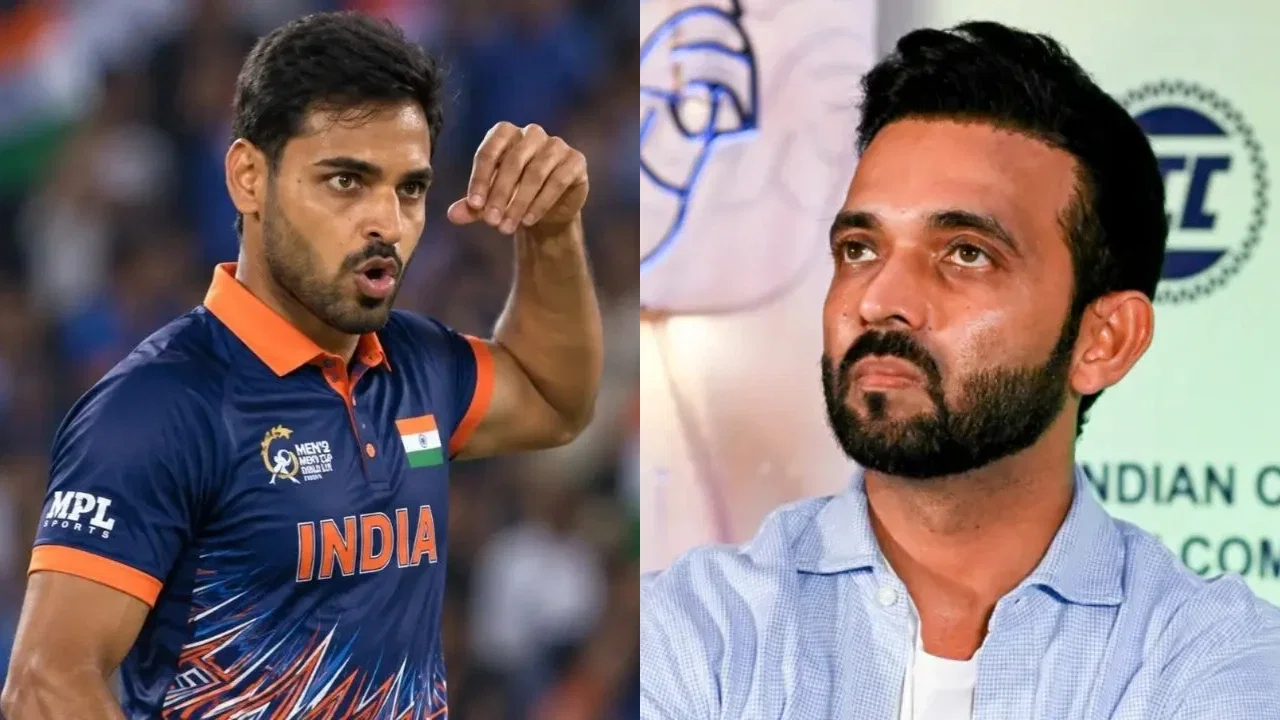
Is Bhuvneshwar Kumar in India’s 2027 World Cup plans? Ajinkya Rahane makes revelation
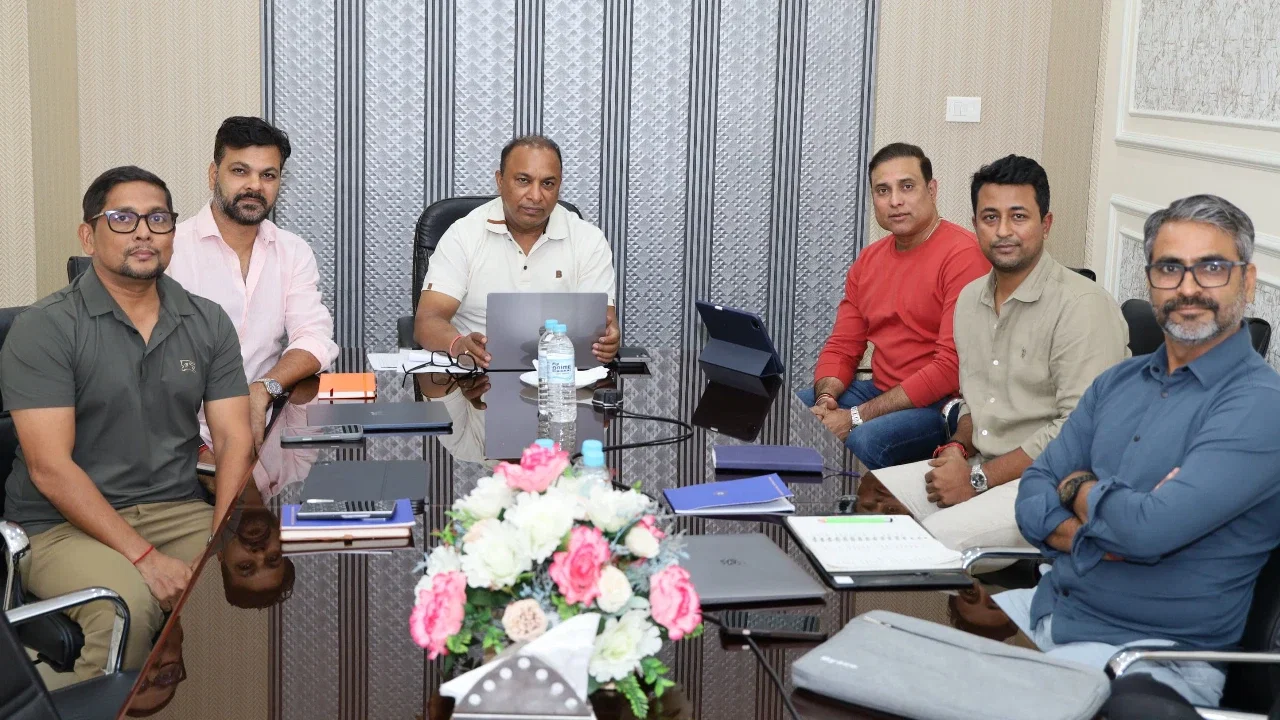
BCCI’s big ₹127 Crore move after injury crisis raises concerns over Team India
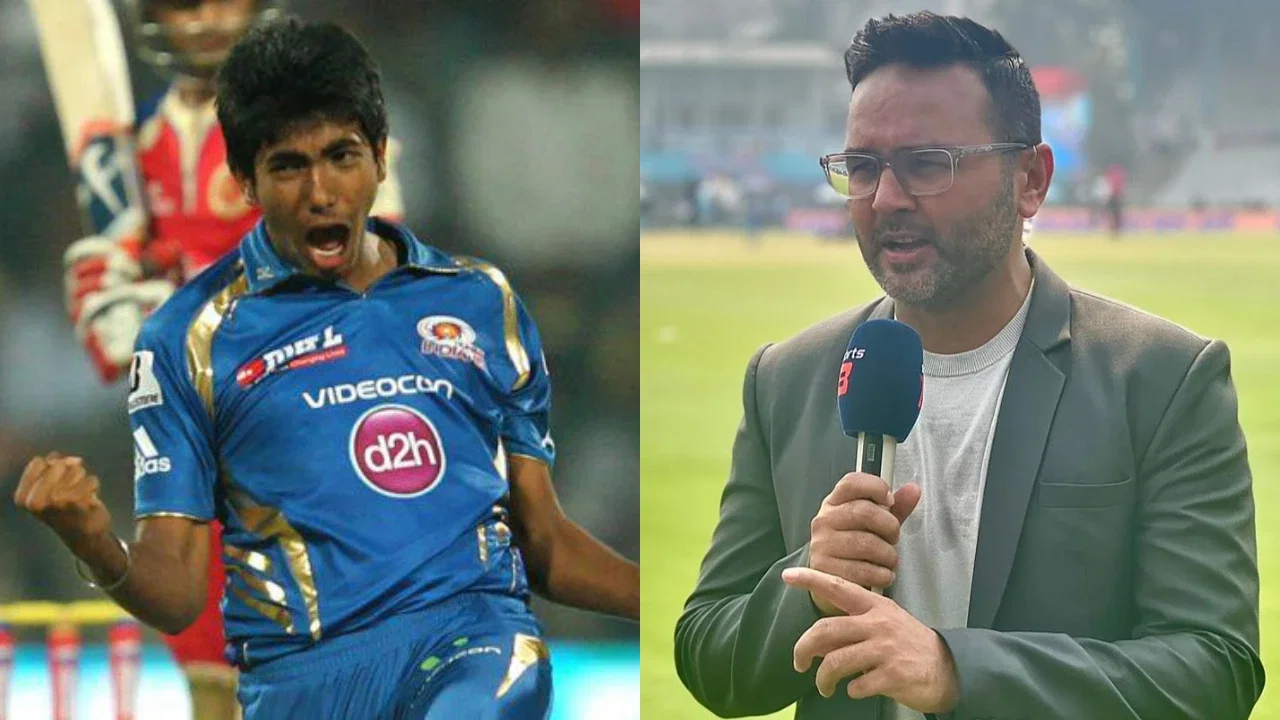
Parthiv Patel reveals RCB ignored his Jasprit Bumrah recommendation in IPL 2014 Auction
“Never spoke ill of any faith”: Irfan Pathan hits back at fake news using his name
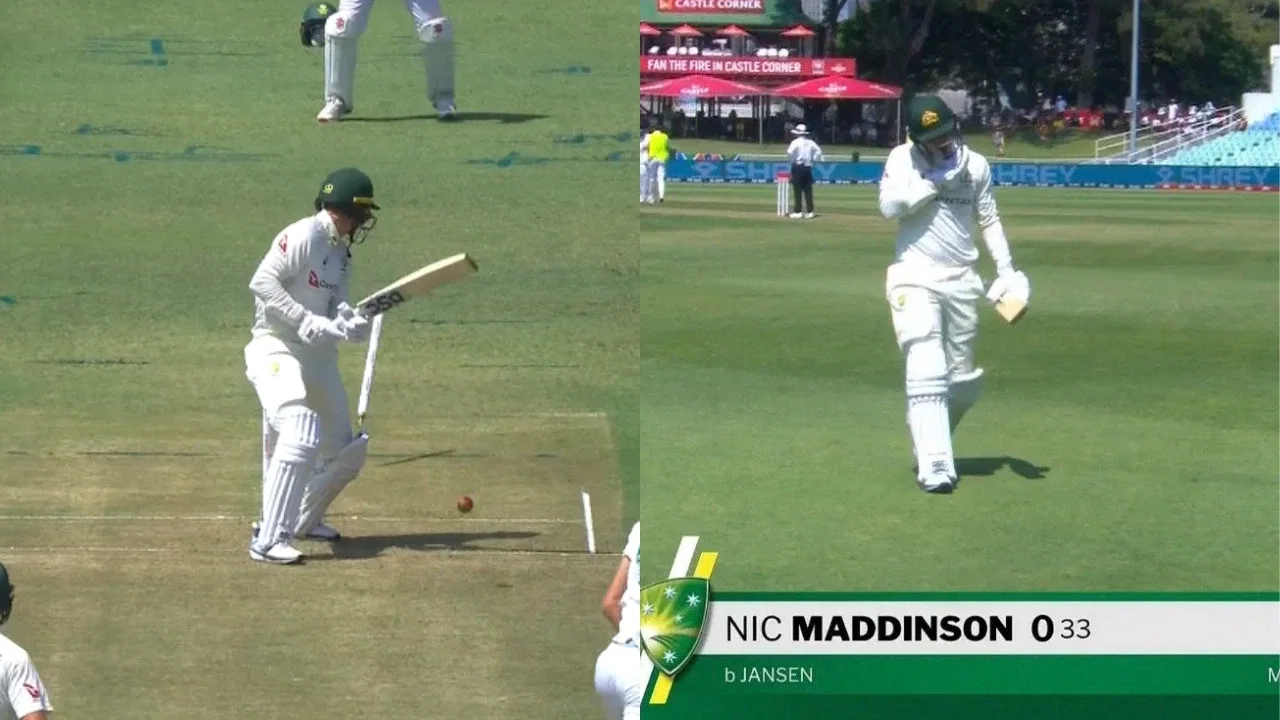
Nic Maddinson bags 33-ball duck on Test comeback, disappoints George Bailey
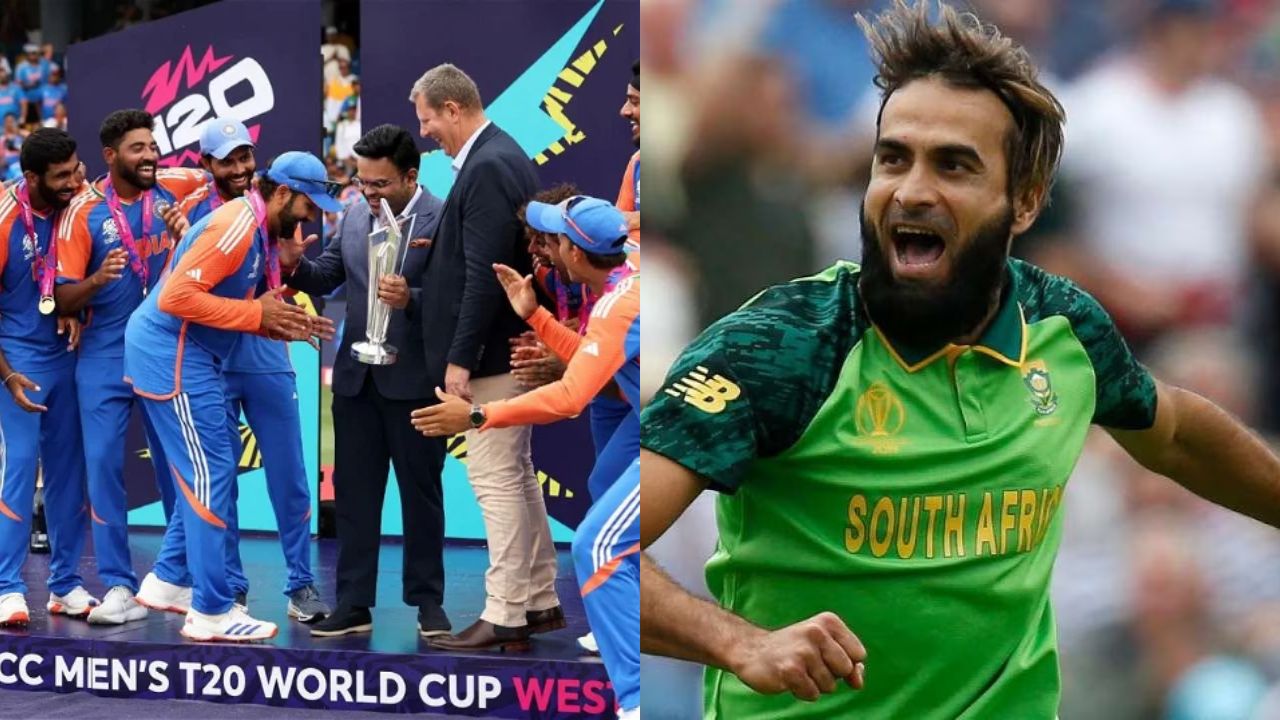
Imran Tahir predicts 2027 ICC ODI World Cup Semi-Finalists, snubs India for title
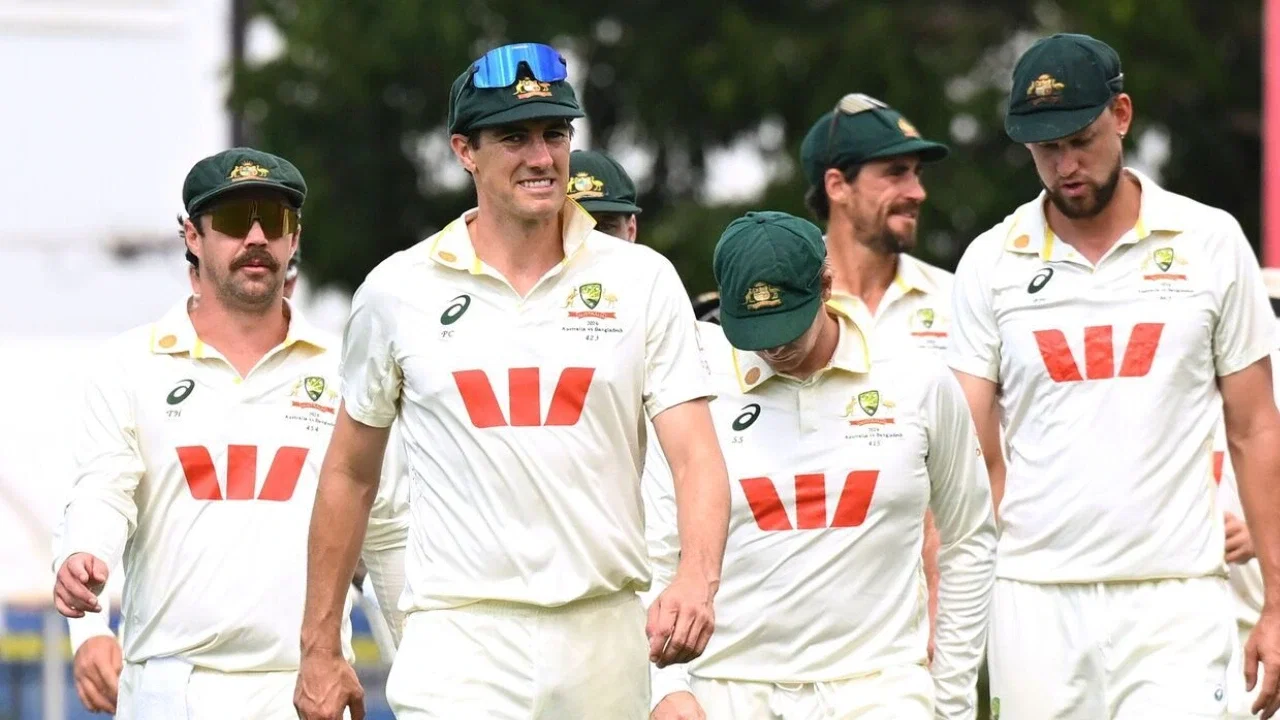
Australia create unwanted history with first all-30-plus Test XI
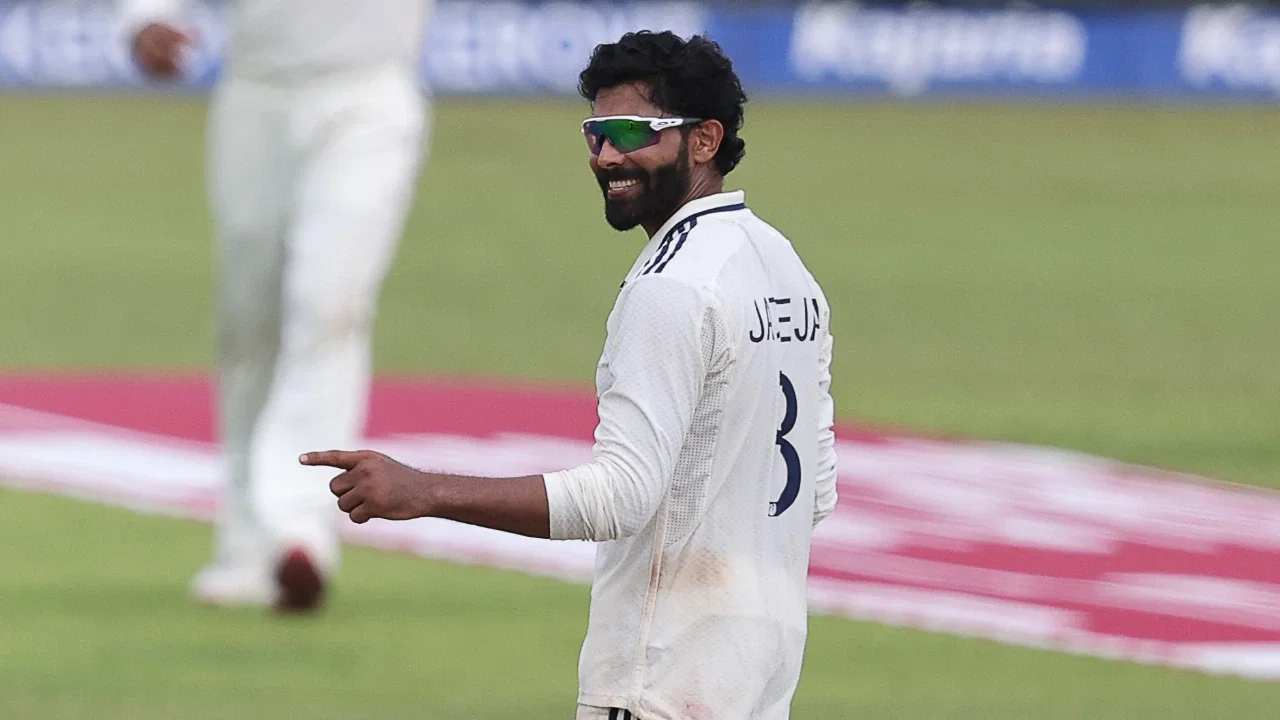
Ravindra Jadeja returns to Ranji Trophy as Saurashtra announce squad