Hanuma Vihari questions different rules for Sanju Samson and Abhishek Sharma
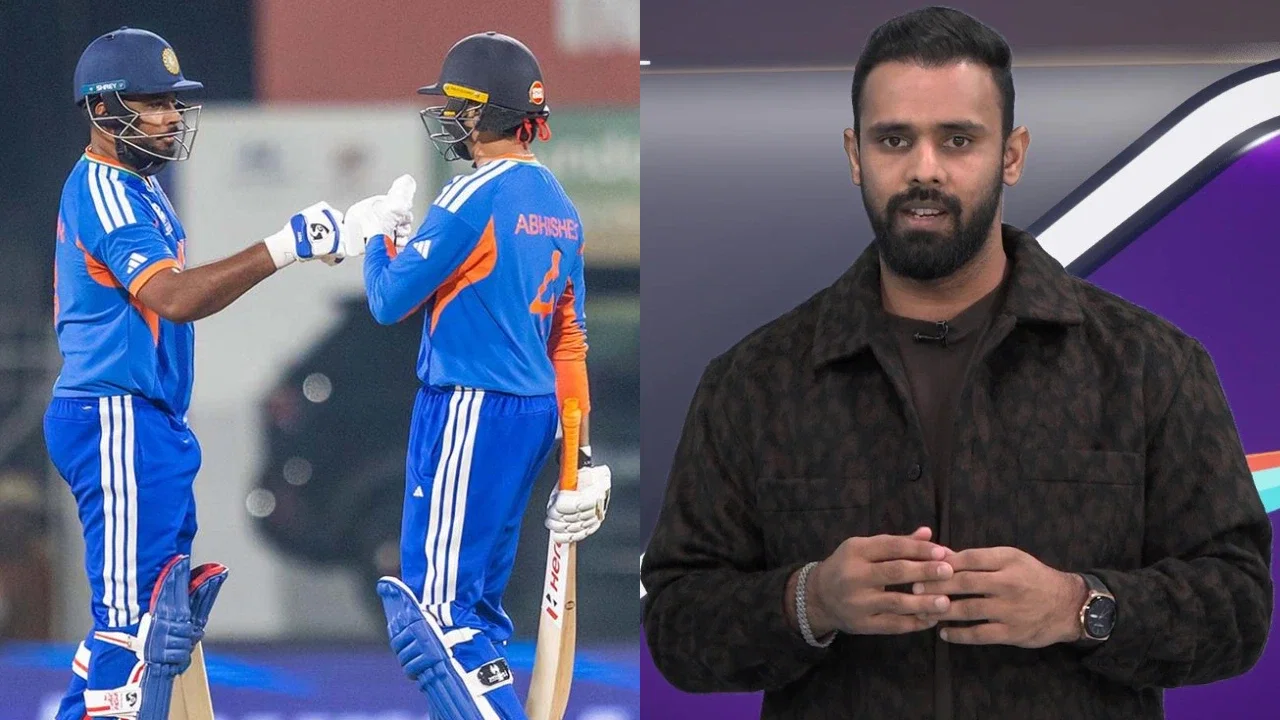
Former Indian Cricketer Hanuma Vihari Criticizes Team Selection Policies
Former Indian cricketer Hanuma Vihari has expressed his discontent with the way the team management is selecting players for the national squad. Vihari raised concerns about the inconsistency in the treatment of players, particularly highlighting the cases of Sanju Samson and Abhishek Sharma.
Discrepancies in Player Treatment
Vihari pointed out that Sanju Samson was dropped from India’s T20I squad for the ongoing series in Zimbabwe after a string of poor performances in England. Despite being labeled as ‘rested’ by the national selectors, Vihari questioned this decision, citing Samson’s crucial role in India’s victory at the 2026 T20 World Cup, where he was named the Player of the Tournament.
On the other hand, Vihari highlighted Abhishek Sharma’s inconsistent form, noting that the young opener has struggled to make significant contributions in recent matches. With only three fifties in his last 18 T20I innings, Sharma’s lackluster performances have raised questions about the selection criteria applied by the team management.
Vihari’s Call for Fairness
Vihari emphasized the need for fair treatment of all players in the selection process, regardless of their reputation or potential. He stressed that performance should be the sole criterion for inclusion in the national squad, calling for equal opportunities for every player to prove their worth.
In a video on his YouTube channel, Vihari compared the performances of Samson and Sharma, highlighting the disparity in their treatment despite similar inconsistencies in form. He questioned why different standards were applied to different players and called for a more transparent and merit-based selection policy.
Appeal for Consistency and Equality
Vihari’s critique of India’s selection policies has sparked discussions among fans and experts alike, with many echoing his sentiments regarding the need for fairness and consistency in player selections. As the debate continues, the spotlight remains on the team management’s approach to identifying and nurturing talent for the national cricket team.
With Vihari’s remarks shedding light on the challenges faced by players like Samson and Sharma, there is a growing consensus on the importance of creating a level playing field for all cricketers vying for a spot in the Indian squad. As the cricketing community awaits further developments, the focus remains on ensuring a transparent and unbiased selection process that rewards performance and potential above all else.
Keywords: prediction, India, cricket, selection policy, Hanuma Vihari, Sanju Samson, Abhishek Sharma
Challenges in Modern Cricket Selection
The world of cricket is ever-evolving, with a constant influx of new talent and shifting dynamics in the sport. In this fast-paced environment, the selection of players for national teams becomes a crucial aspect of success. However, the process is not without its challenges, as highlighted by former cricketer Hanuma Vihari’s recent criticism of India’s selection policies.
One of the key issues facing modern-day cricket selection is the balance between performance and potential. While it is essential to reward consistent performers, there is also a need to nurture young talent and give them opportunities to prove themselves on the international stage. Finding the right mix of experience and youth is a delicate task for team management, often leading to debates and disagreements, as seen in Vihari’s comments.
The Role of Data and Analytics
Another factor influencing player selection in contemporary cricket is the increasing use of data and analytics. With advancements in technology, teams now have access to a wealth of statistical information that can help in identifying talent, assessing performance, and making informed decisions. However, the reliance on data alone can sometimes overlook intangible qualities like temperament, leadership skills, and adaptability, which are also crucial in a player’s success.
In this data-driven era, striking a balance between quantitative analysis and qualitative evaluation is essential for effective selection processes. Team management must consider a player’s entire profile, including their stats, fitness levels, mental toughness, and overall impact on the team, to make well-rounded decisions that benefit the squad as a whole.
The Need for Transparency and Communication
Transparency in selection policies is another area that requires attention in modern cricket. Players and fans alike often seek clarity on the criteria used for team selections, the rationale behind certain decisions, and the pathways for aspiring cricketers to progress through the ranks. Clear communication from the team management can help build trust and understanding within the cricketing community, fostering a sense of fairness and accountability.
Moreover, open dialogue between players, coaches, selectors, and other stakeholders is essential for maintaining a harmonious and productive environment within the team. By encouraging feedback, addressing concerns, and fostering a culture of collaboration, cricket organizations can ensure that everyone feels valued and heard in the selection process.
Looking Ahead: Predictions for the Future
As cricket continues to evolve, so too will the challenges and complexities surrounding player selection. It is likely that advancements in technology, changes in playing formats, and the emergence of new talent will shape the way teams approach selecting their squads. While debates and criticisms may arise, they also provide opportunities for reflection, improvement, and innovation in the selection process.
Ultimately, the goal of any selection policy should be to assemble the best possible team to represent the country on the cricketing stage. By incorporating fairness, consistency, data-driven insights, transparency, and effective communication, cricket organizations can navigate the complexities of selection with integrity and purpose, ensuring that the sport continues to thrive and inspire generations of fans and players alike.
Keywords: prediction, cricket, selection policy, data, transparency, communication, talent, technology
Latest News
Top 10 highest run-chases in T20 cricket history, ft. West Indies’ Ranchi win vs India
Aaryavir Sehwag and Anvay Dravid set to make headlines at U19 Asia Cup 2026
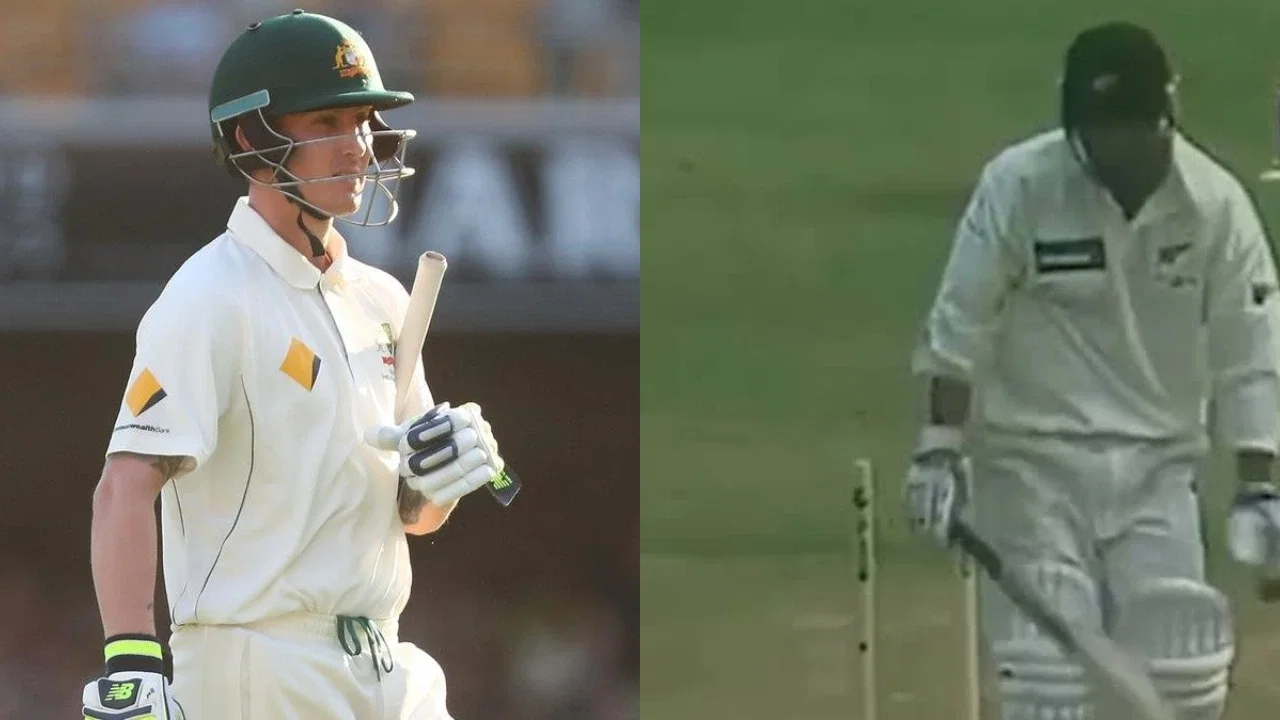
Longest ducks in Test cricket history ft. Nic Maddinson, Shoaib Akhtar
ECB to offer 39 central contracts to England players after Ben Stokes, Mark Wood’s retirement

Steve Smith surpasses Steve Waugh in all-time Test run-scorers’ list

Shane Watson identifies Gautam Gambhir’s biggest problem as India struggle for consistency
Is Bhuvneshwar Kumar in India’s 2027 World Cup plans? Ajinkya Rahane makes revelation

BCCI’s big ₹127 Crore move after injury crisis raises concerns over Team India
Parthiv Patel reveals RCB ignored his Jasprit Bumrah recommendation in IPL 2014 Auction
“Never spoke ill of any faith”: Irfan Pathan hits back at fake news using his name
Nic Maddinson bags 33-ball duck on Test comeback, disappoints George Bailey
Imran Tahir predicts 2027 ICC ODI World Cup Semi-Finalists, snubs India for title
Australia create unwanted history with first all-30-plus Test XI
Ravindra Jadeja returns to Ranji Trophy as Saurashtra announce squad