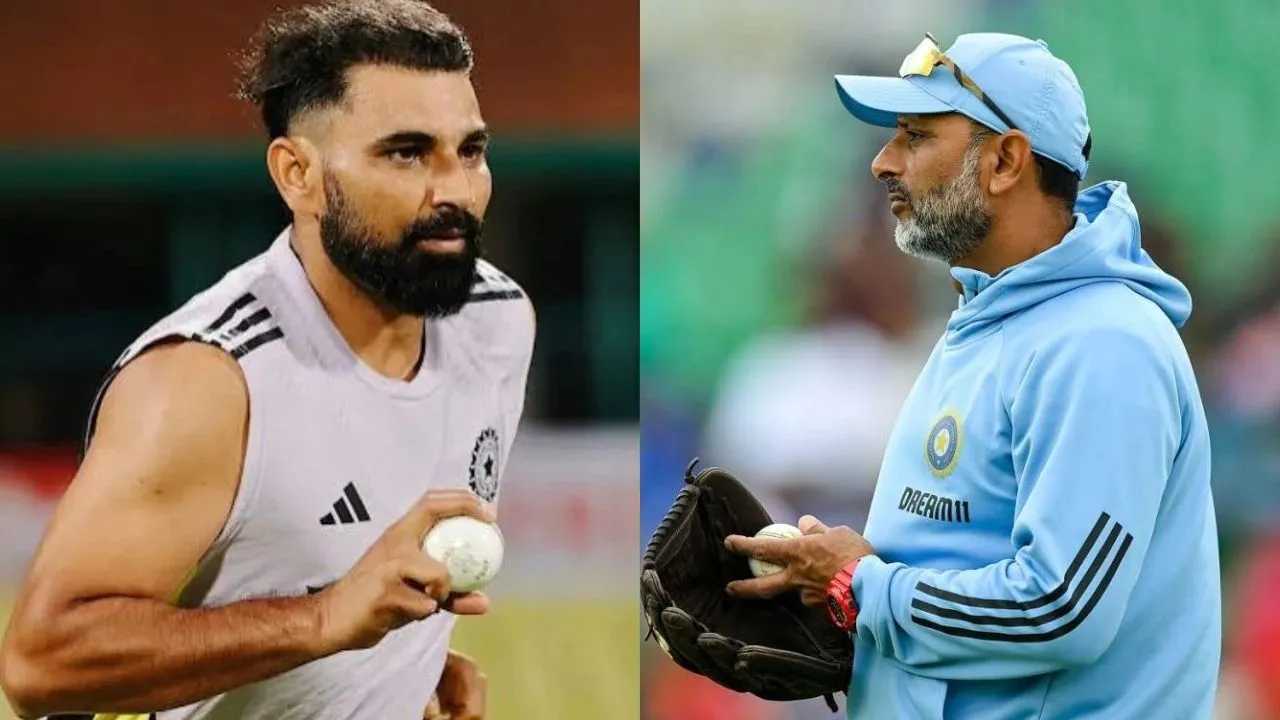
Harbhajan-Sreesanth boxing match: Meet 5 cricketers who stepped into combat sports
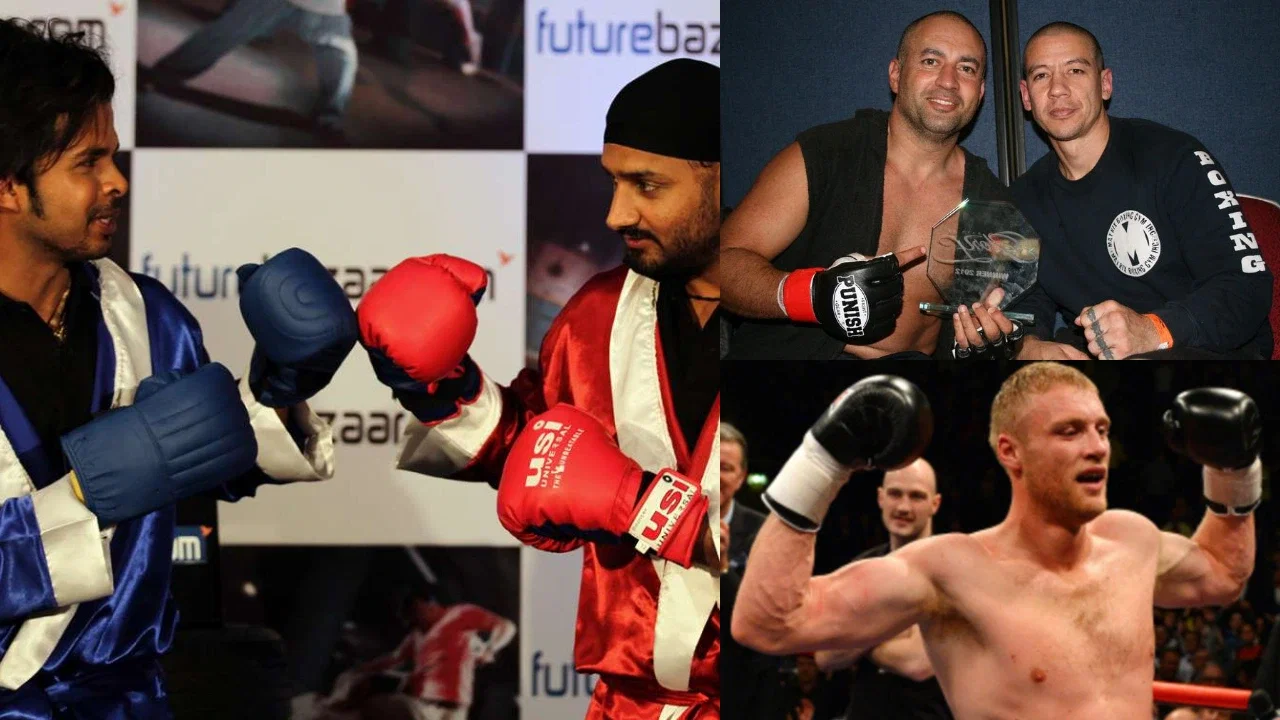
Sreesanth Challenges Harbhajan Singh to Settle IPL “Slapgate” Controversy in Boxing Ring
The infamous IPL “slapgate” controversy from 2008 has resurfaced, with former Indian fast bowler S Sreesanth issuing a bold challenge to his former teammate Harbhajan Singh. The heated incident between the two cricketers during the inaugural season of the IPL has remained a topic of discussion for years, and Sreesanth is now seeking to settle the score in a boxing ring.
The Challenge
Sreesanth openly challenged Harbhajan Singh to face him in the ring during a podcast, expressing his eagerness for a real face-off rather than engaging in more discussions and debates. The former pacer, who is currently involved in combat sports, questioned Harbhajan’s willingness to accept the challenge, daring him to sign up and step into the ring.
Sreesanth’s frustration was triggered by a recent advertisement featuring Harbhajan Singh, which he felt indirectly reminded people of the 2008 IPL controversy. The former Rajasthan Royals bowler highlighted an old promotional picture where both cricketers were seen wearing boxing gloves, questioning whether Harbhajan would be ready to face him in an actual contest.
The History
The “slapgate” controversy occurred during a match between Mumbai Indians and Kings XI Punjab in 2008 when Harbhajan Singh, playing for Mumbai, slapped Sreesanth, who was representing Punjab. The incident led to a public outcry and became one of the most controversial moments in IPL history. Harbhajan faced repercussions for his actions, and over the years, both cricketers attempted to move on from the incident.
However, Sreesanth’s recent challenge indicates that the wounds from the past are still fresh, and he is seeking closure through a physical confrontation in the boxing ring. The former World Cup winner emphasized his readiness for the fight and urged Harbhajan to accept the challenge in a genuine manner.
Cricketers in Combat Sports
Sreesanth is not the first cricketer to venture into combat sports, following in the footsteps of former players like Andrew Flintoff, Adam Hollioake, and Johnny Douglas. These cricketers transitioned from the cricket field to the boxing ring or MMA cage, showcasing their skills and determination in a different arena.
Andrew Flintoff surprised fans by becoming a professional boxer after retiring from cricket due to a knee injury, while Adam Hollioake pursued a career in mixed martial arts post his cricketing days. Johnny Douglas, a former England captain, even won a gold medal in boxing at the 1908 Olympic Games, highlighting the unique crossover between cricket and combat sports.
These examples demonstrate the diverse talents and interests of cricketers beyond the cricket field, showcasing their competitive spirit and willingness to explore new challenges in the world of combat sports.
As Sreesanth awaits a response from Harbhajan Singh regarding his boxing challenge, cricket fans are intrigued by the prospect of witnessing a showdown between two former teammates in a different sporting arena. Whether the challenge will be accepted remains to be seen, but the potential for a high-profile boxing match between the two cricketers has certainly captured the attention of the sporting world.
The Impact of Social Media
In today’s digital age, social media has played a significant role in reigniting past controversies and allowing personalities like Sreesanth to issue public challenges. Platforms like Twitter, Instagram, and podcasts provide athletes with direct access to their audience and rivals, enabling them to express their thoughts and intentions openly. This direct communication can amplify conflicts and generate public interest, turning personal disputes into potential sporting spectacles.
Furthermore, the reach and influence of social media platforms can propel challenges like the one issued by Sreesanth to Harbhajan Singh to gain traction quickly. Fans, media outlets, and fellow athletes can all contribute to the conversation, creating a buzz around the proposed boxing match and adding an element of anticipation to the potential showdown. The power of social media in shaping sporting narratives and creating opportunities for unique matchups cannot be understated in the context of modern sports culture.
The Commercialization of Sporting Rivalries
While the essence of sports lies in competition and skill, the commercial aspect of sporting rivalries cannot be overlooked. The prospect of a boxing match between Sreesanth and Harbhajan Singh not only appeals to fans of cricket and combat sports but also presents a lucrative opportunity for event organizers, sponsors, and broadcasting platforms. Such high-profile matchups have the potential to draw significant viewership, generate revenue, and create a spectacle that transcends traditional boundaries.
In an era where entertainment and sports are closely intertwined, the commercialization of sporting rivalries can elevate the stakes and magnify the drama surrounding contested matchups. As former teammates turned potential opponents, Sreesanth and Harbhajan’s proposed boxing showdown adds a layer of intrigue that goes beyond mere athletic competition, tapping into the public’s fascination with personal narratives and unresolved conflicts.
The Psychology of Sporting Confrontations
From a psychological perspective, the desire to settle scores and assert dominance is a common theme in sports rivalries. The lingering animosity between Sreesanth and Harbhajan Singh, stemming from the “slapgate” incident, reflects the complex dynamics at play in competitive environments. By challenging his former teammate to a physical confrontation, Sreesanth is not only seeking redemption but also aiming to assert his strength and resilience in a different arena.
Sporting confrontations, whether verbal or physical, often serve as cathartic outlets for athletes to channel their emotions and confront past traumas or conflicts. In the case of Sreesanth and Harbhajan, the proposed boxing match symbolizes a symbolic closure to a chapter of their careers marred by controversy and discord. By stepping into the ring, both cricketers have the opportunity to redefine their narrative and potentially mend strained relationships through a shared experience of combat.
As the sporting world awaits a response from Harbhajan Singh to Sreesanth’s challenge, the unfolding drama underscores the enduring impact of past events on athletes’ lives and the potential for redemption through unconventional means. Whether the proposed boxing match materializes or not, the symbolic gesture of confronting past demons in the ring serves as a poignant reminder of the complexities of human relationships and the transformative power of sports.
By delving into the psychological, commercial, and social media aspects of the proposed boxing match between Sreesanth and Harbhajan Singh, the expanded content provides a comprehensive analysis of the implications of their rivalry beyond the realm of cricket. This additional information enriches the reader’s understanding of the context surrounding the challenge and sheds light on the broader significance of sporting confrontations in contemporary sports culture.
Latest News
Top 10 highest run-chases in T20 cricket history, ft. West Indies’ Ranchi win vs India
Aaryavir Sehwag and Anvay Dravid set to make headlines at U19 Asia Cup 2026
Longest ducks in Test cricket history ft. Nic Maddinson, Shoaib Akhtar
ECB to offer 39 central contracts to England players after Ben Stokes, Mark Wood’s retirement
Steve Smith surpasses Steve Waugh in all-time Test run-scorers’ list
Shane Watson identifies Gautam Gambhir’s biggest problem as India struggle for consistency
Is Bhuvneshwar Kumar in India’s 2027 World Cup plans? Ajinkya Rahane makes revelation

BCCI’s big ₹127 Crore move after injury crisis raises concerns over Team India
Parthiv Patel reveals RCB ignored his Jasprit Bumrah recommendation in IPL 2014 Auction
“Never spoke ill of any faith”: Irfan Pathan hits back at fake news using his name
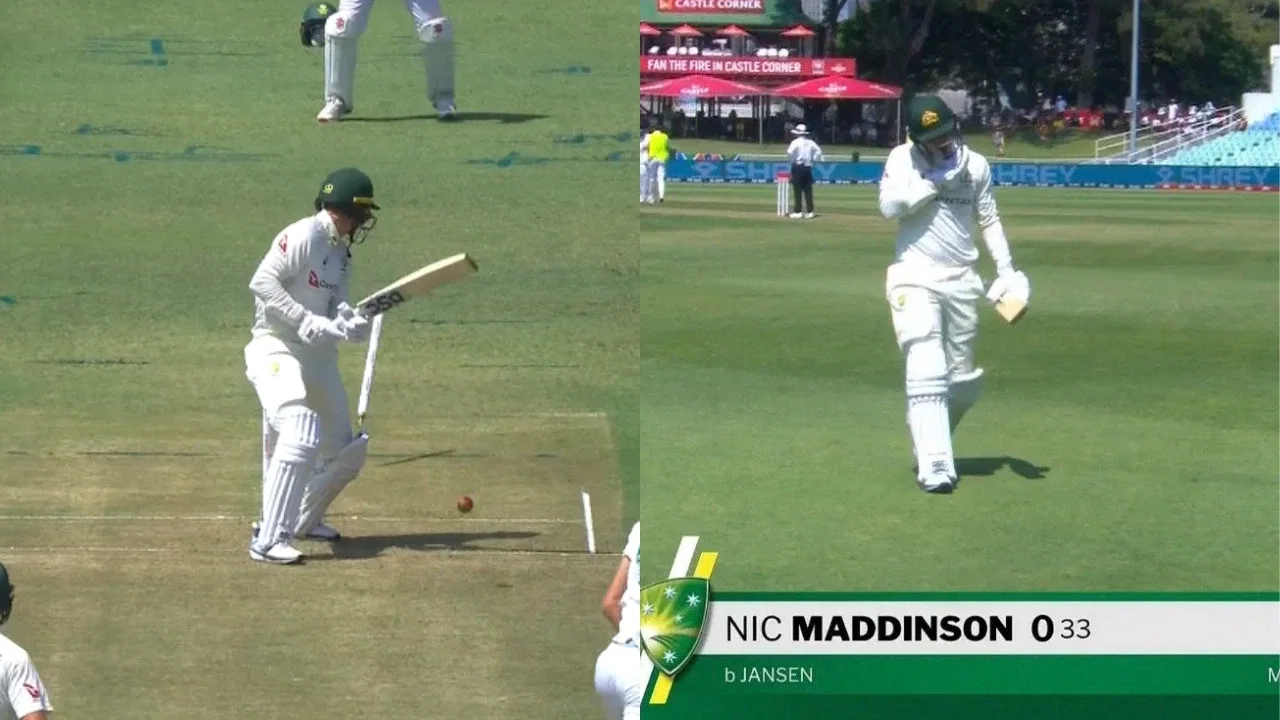
Nic Maddinson bags 33-ball duck on Test comeback, disappoints George Bailey
Imran Tahir predicts 2027 ICC ODI World Cup Semi-Finalists, snubs India for title
Australia create unwanted history with first all-30-plus Test XI
Ravindra Jadeja returns to Ranji Trophy as Saurashtra announce squad