Hardik Pandya rejects India comeback until one condition is met
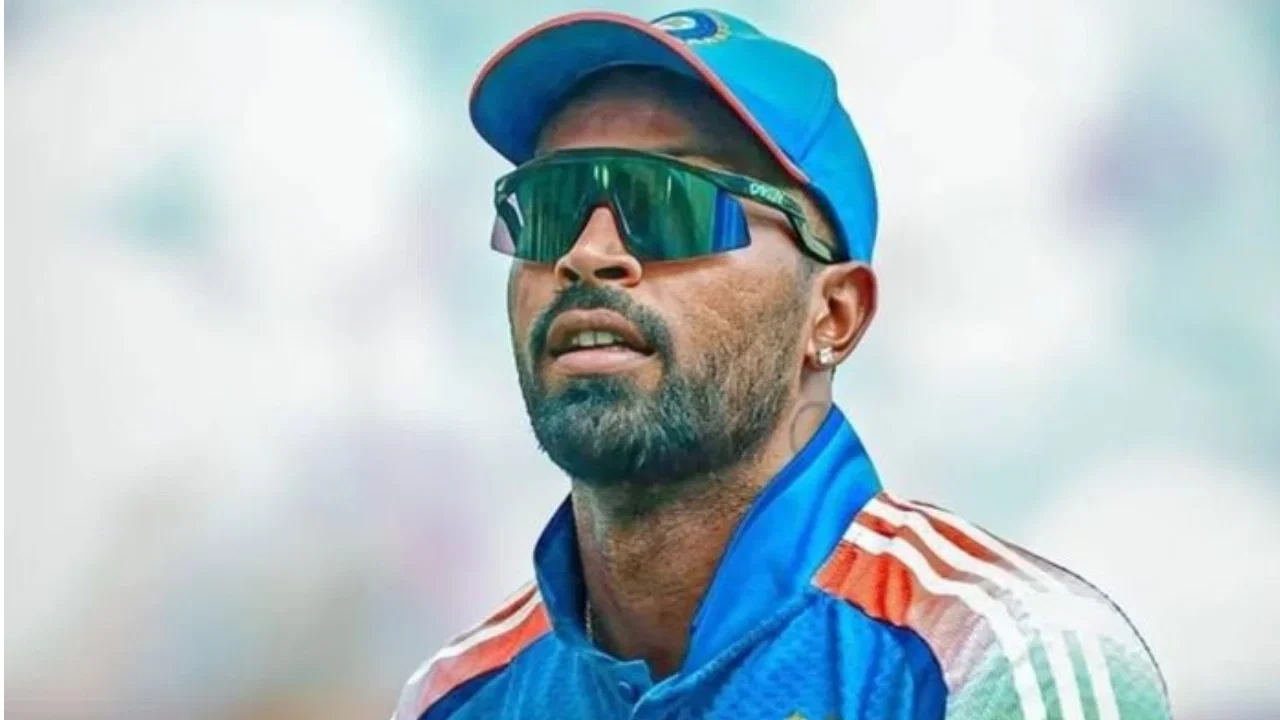
Hardik Pandya Injury Update: India Take Cautious Approach to All-Rounder’s Return
India are not prepared to rush Hardik Pandya back into competitive cricket after the all-rounder suffered another injury setback. According to RevSportz, the BCCI’s Centre of Excellence (CoE) in Bengaluru is prioritising a complete recovery over a quick return, with Pandya expected to resume playing only when he has regained full fitness and match readiness.
The decision reflects Pandya’s importance to India’s white-ball plans. As a seam-bowling all-rounder who can change a match with either bat or ball, he offers a balance that is difficult to replace. But his history of fitness challenges has made careful workload management essential. The current Hardik Pandya injury update suggests the team is willing to give him the time he needs rather than risk another setback.
Why Hardik Pandya’s Rehabilitation Is Being Managed Carefully
Pandya has been at the Bengaluru CoE since June. In September, just as he was nearing fitness clearance, he suffered a tibial bone stress injury on the inner side of his right shin. The setback interrupted his rehabilitation and delayed plans for a return to action.
RevSportz reports that the team management regards Pandya as a player who requires close monitoring. That means his progress is likely to be assessed not only through medical checks, but also through his ability to train consistently, tolerate bowling workloads and perform at the intensity demanded by international cricket.
“He cannot return this time till he is 110 per cent fit,” a source told RevSportz, adding that he could be completely fit in about two months. That estimate is not a confirmed comeback date, however. Even after receiving medical clearance, Pandya may need time to rebuild his match fitness before being considered for selection.
Fitness clearance is only one part of the comeback
For an all-rounder, a return involves more than being able to bat or run without discomfort. Pandya must also be able to bowl at a sustained pace, recover between spells and handle the physical demands of a full match. A gradual increase in training and playing time can help the medical and coaching staff judge whether his body is ready for that workload.
This cautious process may frustrate fans eager to see him back, but it could reduce the risk of a recurrence. With major white-ball assignments ahead, India’s priority is likely to be having Pandya available for the long term rather than forcing an early appearance.
Potential Return Window: IPL 2027 in Focus
Pandya was last seen playing for the Mumbai Indians during IPL 2026. He was also named in India A’s squad for the one-day series against Australia A, but could not recover in time to take part. His latest injury has further complicated the timeline for his return to international cricket.
He has not played an ODI since the Champions Trophy final on March 9, 2025. His most recent international appearance was the T20 World Cup final on March 8, 2026. The injury has ruled him out of India’s tour of New Zealand and could also keep him unavailable for the white-ball series against Sri Lanka and Zimbabwe that follow.
The domestic calendar may not provide an easy route back. The Syed Mushtaq Ali Trophy and Vijay Hazare Trophy are expected to finish before Pandya is ready to compete, making a return through either tournament unlikely. India’s five-Test series against Australia, scheduled from January 21 to March 3, 2027, is also not an obvious comeback option. Pandya is primarily a white-ball specialist, and a demanding red-ball series may not suit his role or rehabilitation plan.
As a result, the IPL 2027 prediction is emerging as a possible return scenario, although no official date has been announced. The tournament could offer a high-profile opportunity to regain match rhythm, but only if his recovery progresses without complications. Any selection decision will depend on medical advice, training results and his ability to handle a full competitive workload.
India Assessing Pace-Bowling All-Rounder Options
Pandya’s absence has renewed attention on India’s team balance. In limited-overs cricket, a pace-bowling all-rounder can allow the team to select an additional specialist batter or bowler while still maintaining options across the innings. Finding a player who can contribute reliably in both disciplines is a significant challenge.
India have responded by giving younger alternatives opportunities. Nitish Kumar Reddy has gained from the situation and was recently named in all three of India’s squads for the New Zealand tour. His ability to contribute with seam bowling and lower-order batting makes him a potential option as selectors examine ways to balance the XI while Pandya is unavailable.
Another emerging name is 23-year-old Suryansh Shedge, who made his international debut in Ireland earlier this year. He strengthened his credentials in the List A series against Australia A, recording both a four-wicket haul and a half-century. Those performances highlight his potential, although he will still need to build experience and demonstrate consistency at the highest level.
Young contenders offer cover, not a direct replacement
Reddy and Shedge give India more options, but neither should automatically be viewed as a like-for-like substitute for Pandya. His value comes from a combination of power hitting, seam bowling, fielding and experience in high-pressure matches. Developing alternatives can reduce the strain on team selection, but replacing that complete package takes time.
For now, India’s approach appears to have two tracks: protect Pandya’s recovery while giving emerging all-rounders opportunities to grow. That strategy could help the team build depth ahead of future tournaments, including the 2027 ODI World Cup, without placing unrealistic expectations on a single player.
Outlook: Patience Could Matter More Than a Quick Return
There is no confirmed date for Pandya’s comeback, and the reported two-month fitness estimate should not be treated as a guarantee of immediate selection. His return will depend on how his shin responds to rehabilitation, whether he can resume bowling safely and how quickly he regains the conditioning required for competitive cricket.
For Indian supporters, the key takeaway is that the team is choosing caution over urgency. Pandya remains central to India’s white-ball plans, but a premature comeback could create further disruption. If he completes rehabilitation and rebuilds his workload successfully, the IPL 2027 season may become a realistic target. Until then, India’s younger pace-bowling all-rounders will have a chance to make their case—and the selectors will be watching closely.
Latest News
Steve Smith injury update: Will he bat on final day of 2nd Test vs South Africa?
Hardik Pandya rejects India comeback until one condition is met
Ben Stokes eyeing Ashes 2027 comeback after snubbing IPL, PSL? England great breaks silence
Why Megan Schutt has been banned for two matches?
Not Ben Stokes! Jamie Overton open to Ashes 2027 comeback
Mumbai Indians announce multi-year kit partnership with Nike ahead of IPL 2027
India vs New Zealand series to feature new sonic edge-detection technology
Harry Brook vs Marco Jansen: Dale Steyn settles world’s best cricketer debate
Abhishek Nayar shares views on Shreyas Iyer-Suryakumar Yadav captaincy comparison
James Anderson retirement: Lancashire force England great towards career end
Amit Mishra joins Delhi Capitals as coach: IPL records, coaching history, wickets and career stats
BCCI clarifies stance on Indian players in foreign leagues, explains VVS Laxman’s role
Nat Sciver-Brunt and England stars allowed to miss Sri Lanka T20Is for WPL 2027
Steve Smith achieves rare milestone in second SA vs AUS Test