James Anderson retirement: Lancashire force England great towards career end
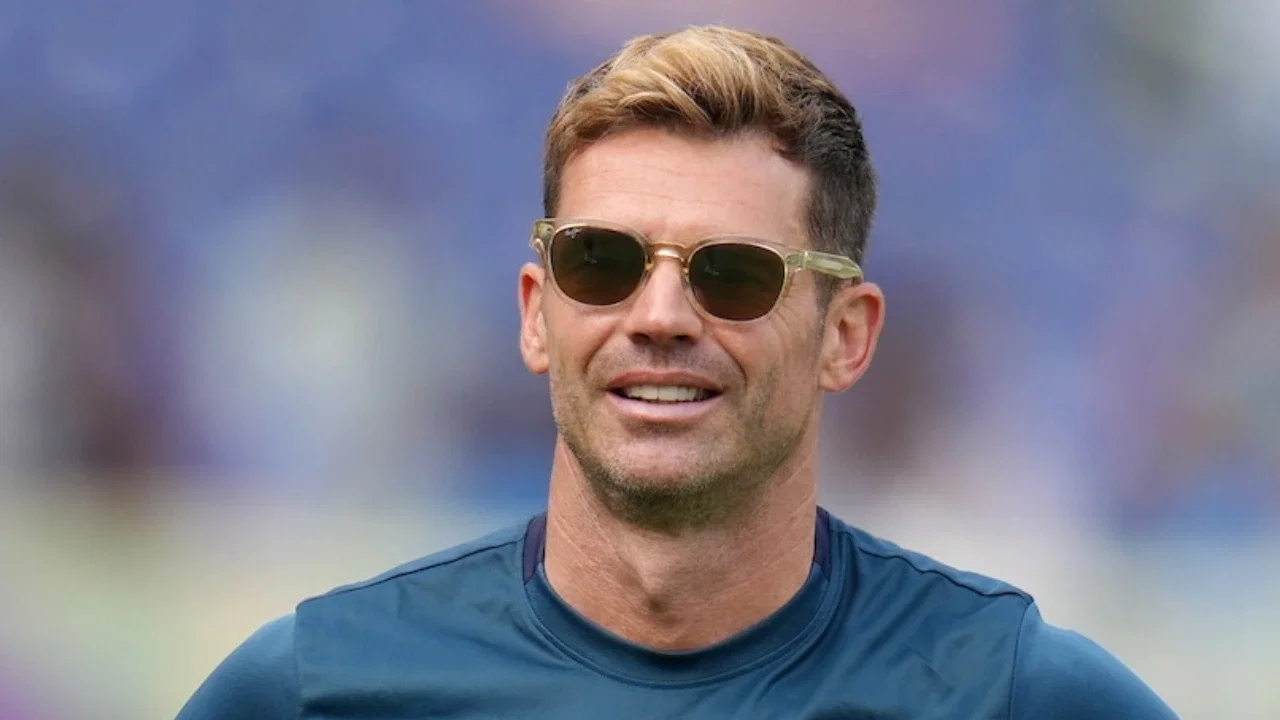
James Anderson Faces Uncertain Future After Lancashire Decline to Offer 2027 Contract
James Anderson’s long association with Lancashire may be approaching its end after the county reportedly decided not to offer the England great a contract for the 2027 season. The decision comes despite a strong individual campaign in which the veteran fast bowler claimed 50 County Championship wickets and remained one of the division’s most effective performers.
According to The Times, Lancashire chief executive Richard Kenyon and director of cricket Paul Farbrace met Anderson on Monday to inform him that he would not be retained for next summer. The club has not publicly commented on the report, and Anderson has yet to confirm whether he plans to retire or continue his career elsewhere.
The development leaves a significant question hanging over the future of one of English cricket’s most celebrated players. Anderson had reportedly been keen to keep playing for Lancashire in 2027, but the county’s new leadership is reviewing its cricket operations after a difficult season.
Strong Individual Form Amid a Difficult Lancashire Season
Anderson’s performances stood out against a disappointing backdrop for Lancashire. The club finished seventh in County Championship Division Two, its lowest position in the competition’s history, and failed to reach the knockout stages of either white-ball tournament.
For Anderson, however, the numbers told a different story. He took 50 wickets in the Championship at an average of 17.68, ending the season as Division Two’s seventh-highest wicket-taker. His ability to maintain that level of impact, even while managing a calf injury, underlined his value as a bowler and his remarkable longevity.
Anderson featured in 11 of Lancashire’s 14 possible Championship matches in 2026. He also captained the side, having taken over the role full-time after leading the team during the second half of the previous season. The captaincy added a new dimension to his county career, although Lancashire’s results suggest the challenge facing the club extended well beyond the performances of any one player.
A New Leadership Team and a Wider Review
The reported contract decision comes during a period of change at Lancashire. Former chief executive Daniel Gidney announced his departure, while Mark Chilton lost his position as director of cricket. Kenyon, who joined from Nottinghamshire, subsequently took over as chief executive and appointed Farbrace as director of cricket.
The new leadership team is conducting a broader review of the club’s cricket structure. Lancashire’s poor Championship finish and lack of progress in the limited-overs competitions will likely prompt questions about squad planning, coaching, player development and how the club balances experienced professionals with emerging talent.
In that context, Anderson’s situation may reflect a strategic decision about the direction of the squad rather than a judgment on his individual contribution. His experience remains exceptional, but clubs must also consider future planning, available resources and the roles they want senior players to fill. Any prediction about Lancashire’s next steps, however, remains uncertain until the club makes an official announcement.
From England’s Test Farewell to County Cricket
Anderson continued playing for Lancashire after England ended his international career in 2024. His final Test came against the West Indies at Lord’s in July that year, marking his 188th appearance in the format. England’s decision was part of a plan by head coach Brendon McCullum, captain Ben Stokes and director of cricket Rob Key to refresh the pace attack ahead of the 2025–26 Ashes series in Australia.
Anderson later worked briefly as an England bowling consultant, but his playing career carried on at county level. In 2025, he signed a new Lancashire deal and indicated that he could potentially continue playing for another three seasons. Injuries restricted him to six Championship appearances that year, though he remained involved in the T20 Blast and The Hundred.
His continued presence offered Lancashire a rare combination of elite skill and extensive experience. Anderson’s knowledge of seam bowling, match preparation and pressure situations made him a valuable figure for younger players, even as questions about his long-term role became more pressing.
James Anderson’s Career in Numbers
Anderson’s connection with Lancashire began before his senior career took off. He represented the Lancashire Cricket Board as a teenager in 2000 and made his first-team debut for the county in 2001. Across first-class cricket, he claimed 443 of his 1,193 wickets for Lancashire. He also took 83 List A wickets and 50 T20 wickets for the county.
His record for England is even more extraordinary. Anderson finished his Test career with 704 wickets from 188 matches at an average of 26.45. He is the third-highest wicket-taker in Test history, behind spinners Muttiah Muralitharan and Shane Warne, and remains the most successful fast bowler the format has seen.
He is also England’s most-capped Test cricketer and the country’s leading wicket-taker in men’s one-day internationals, with 269 dismissals. Across international formats, he collected 991 wickets for England over a career spanning 23 years.
What Happens Next for Anderson?
For now, Anderson has not announced whether he intends to retire, seek a contract with another county or pursue a different role in cricket. Lancashire’s reported decision may mark the end of his playing chapter at the club where he developed, but it does not automatically mean the end of his career.
His 2026 figures suggest he can still make a substantial contribution on the field, while his experience could appeal to teams looking for a proven fast bowler and mentor. Whether another playing opportunity emerges will depend on Anderson’s own ambitions, his fitness and the plans of potential employers.
If he does retire, the conclusion of his career would bring an end to more than two decades of service at county and international level. Whatever comes next, Anderson’s standing in English cricket is secure: a record-breaking fast bowler whose sustained excellence reshaped expectations of how long a pace player can perform at the highest level.
Latest News
James Anderson retirement: Lancashire force England great towards career end

Amit Mishra joins Delhi Capitals as coach: IPL records, coaching history, wickets and career stats
BCCI clarifies stance on Indian players in foreign leagues, explains VVS Laxman’s role
Nat Sciver-Brunt and England stars allowed to miss Sri Lanka T20Is for WPL 2027
Steve Smith achieves rare milestone in second SA vs AUS Test
SL vs ENG Dream11 Prediction Today Match, Dream11 Team Today, Fantasy Cricket Tips, Playing XI, Pitch Report, Injury Update- ODI Tri Series in Pakistan 2026, Match 3
Sri Lanka to host England ahead of inaugural Women’s Champions Trophy
Shreyas Iyer explains why Bhuvneshwar Kumar’s India return makes sense
Watch: Harry Brook totally surprised after learning Pakistan star Arafat Minhas’ age
Gujarat Titans officials question Ashish Nehra over backing Rahul Tewatia and 2 others before IPL Auction
Anrich Nortje’s injury rocks South Africa during 2nd Test against Australia
IND vs NZ Playing 11 Today, Live Streaming, Pitch & Weather: India tour of New Zealand 1st T20I, 2026
Watch: Smriti Mandhana snubs handshake with Harmanpreet Kaur, rift rumours resurface
Vaibhav Sooryavanshi can’t walk straight into India team, says Shreyas Iyer