

Haris Rauf, Will Jacks involved in heated exchange during Pakistan’s thrilling win vs England
Pakistan Edge England by One Wicket as Shadab Khan and Haris Rauf Rewrite the ODI Script
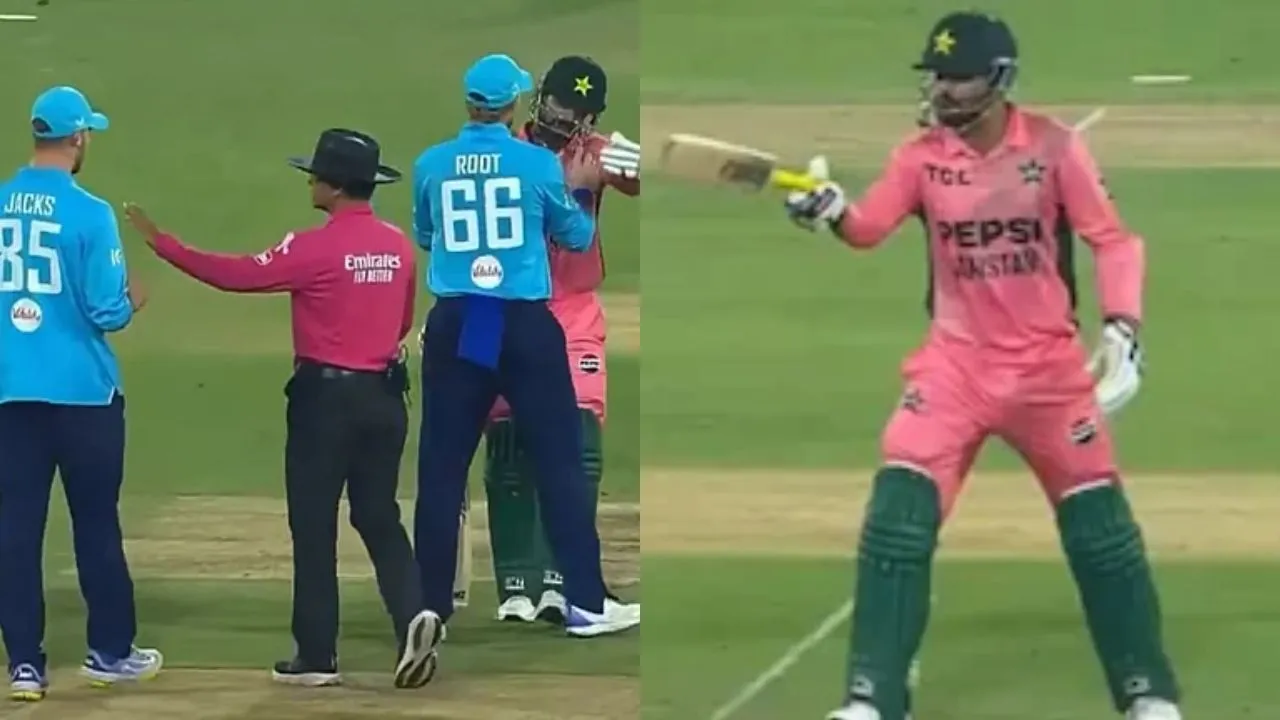
Pakistan produced a remarkable late comeback to defeat England by one wicket in a dramatic ODI tri-series match in Lahore on Sunday, October 25. The result secured Pakistan a place in the final, but the contest was also marked by a heated exchange between fast bowler Haris Rauf and England all-rounder Will Jacks.
With Pakistan seemingly on the brink of defeat at 154 for nine while chasing 242, Shadab Khan and Rauf turned the match around with an unbeaten 89-run partnership. Shadab struck a career-defining 113 not out from 96 balls, while Rauf contributed seven unbeaten runs and hit the boundary that sealed victory at 243 for nine in 47.1 overs.
The comeback set a new record for the highest tenth-wicket partnership in a successful men’s ODI run-chase. It also offered a striking reminder that, even when a team is down to its last wicket, one productive partnership can transform the result—and overturn any pre-match prediction.
Haris Rauf and Will Jacks Clash During Tense Final Overs
The confrontation came at the end of the 46th over, with Pakistan needing only a handful of runs but still having one wicket remaining. Sam Curran bowled a high bouncer to Shadab, who was on 99 from 90 deliveries. Shadab appealed to the square-leg umpire for a wide, but the official did not signal one.
Rauf, waiting at the non-striker’s end, then exchanged words with Jacks, who was fielding nearby. The Pakistan fast bowler pointed his bat towards the England player and moved towards him, prompting the on-field umpire to step between them. Joe Root also intervened, guiding Rauf away and helping prevent the disagreement from escalating.
The tension did not disappear immediately. The players were seen exchanging further words during the post-match handshakes, even as Pakistan celebrated a victory that had looked unlikely only a short time earlier. The episode added an emotional edge to an already intense finish, though the match’s defining story remained Pakistan’s extraordinary recovery.
Rauf’s Review Advice Keeps Shadab’s Match-Winning Innings Alive
Pakistan’s last-wicket stand had already survived a potentially decisive moment in the 45th over. Gus Atkinson struck Shadab on the pads, and the umpire gave him out. With England’s players celebrating and Shadab beginning to walk back, Rauf urged his partner to review the decision.
The review proved crucial. UltraEdge showed an inside edge before the ball hit Shadab’s pads, overturning the decision and allowing him to continue. Shadab later told PCB Digital that he had not realised he had made contact with the ball. He credited Rauf for encouraging him to challenge the call and said he was pleased to repay the confidence shown in him by Pakistan’s selectors and team management.
That moment changed the course of the chase. Had the decision stood, England would have won with Pakistan still short of the target. Instead, the pair continued to build their partnership, combining Shadab’s attacking stroke play with Rauf’s calm support at the other end.
Shadab Khan’s Maiden ODI Century Powers Historic Chase
Shadab finished unbeaten on 113 from 96 balls, hitting 12 fours and five sixes. His innings was a measured yet forceful response to Pakistan’s collapse, bringing the team back into contention before accelerating under pressure. Rauf, who faced 19 deliveries, stayed alongside him as the partnership grew to 89 runs without loss.
The stand surpassed the previous record for the highest tenth-wicket partnership in a successful men’s ODI chase: the 64 runs scored by West Indies’ Deryck Murray and Andy Roberts against Pakistan in 1975. The new mark gave added significance to a finish that was already one of the most dramatic of the tri-series.
For Pakistan, Shadab’s century was more than a personal milestone. It arrived when the side needed an unlikely source of momentum, and it demonstrated the value of batting depth and composure in a high-pressure chase. Rauf’s contribution was smaller on the scorecard, but his decision-making—including the successful review—proved pivotal.
England Post 241 as Duckett Leads the Batting
England were bowled out for 241 in 46.4 overs after being asked to set a target. Ben Duckett top-scored with 105 from 111 balls, anchoring the innings with a century that gave England a competitive total. Sam Curran added 42, while Gus Atkinson remained unbeaten on 36 to help the visitors reach a challenging score.
Pakistan’s Shaheen Shah Afridi led the bowling effort, taking four wickets for 46 runs. His breakthroughs helped prevent England from building a substantially larger total, leaving Pakistan with a target that appeared achievable—though the hosts’ early batting struggles soon made it look far less comfortable.
Pakistan Recover After Losing Nine Wickets
The chase began badly for Pakistan. Fakhar Zaman and Babar Azam each made 10, while Saim Ayub scored six, leaving the top order unable to establish a platform. England’s Jamie Overton took three wickets for 43 runs as the hosts slipped to 154 for nine, with defeat seemingly imminent.
Shadab and Rauf then changed the match’s direction through a combination of patience, timely boundaries and clear communication. Their partnership carried Pakistan beyond England’s total and into the tri-series final, delivering a one-wicket win that will be remembered for both its record-breaking statistics and its nerve-shredding finish.
For England, the loss was their third consecutive defeat in the series. The team had created a strong position and brought Pakistan to the edge of elimination, but could not take the final wicket. For Pakistan, the result offers momentum heading into the final and a powerful lesson in persistence: in ODI cricket, a match can remain alive until the last wicket falls.
Latest News
Jharkhand lodges BCCI complaint after controversial one-run defeat in Women’s U19 T20 Trophy
WPL 2027 Auction: Live Streaming and TV Broadcast Details
Gareth Batty to join CSK? Kasi Viswanathan drops big hint ahead of IPL 2027
IPL 2027 mini-auction set to clash with India vs Sri Lanka ODI
Ian Healy wants Australia to keep Playing XI secret for the “most important Test of this century”
Soham Desai reveals Rohit Sharma’s career-threatening injury, slams fitness critics
Cheteshwar Pujara picks 6 Indians in ODI World XI, leaves out Australia and Pakistan stars
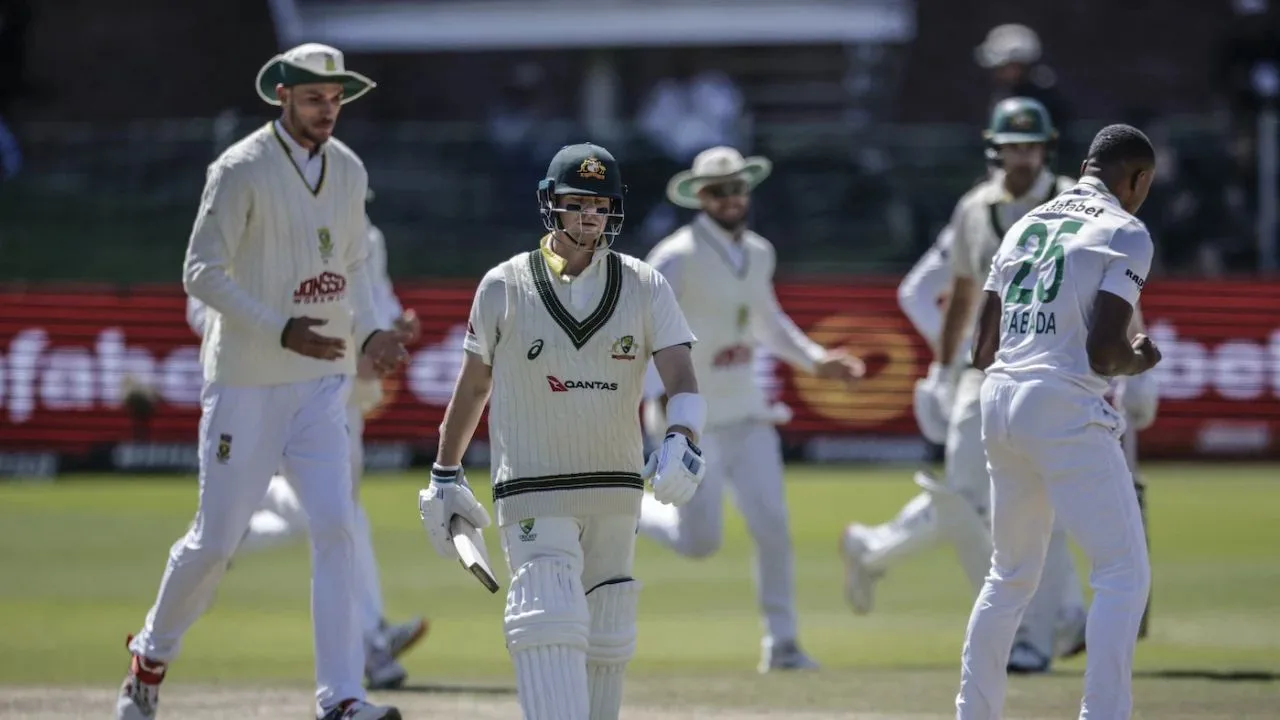
Nic Maddinson sent home after poor run as Australia set to make changes for Cape Town Test
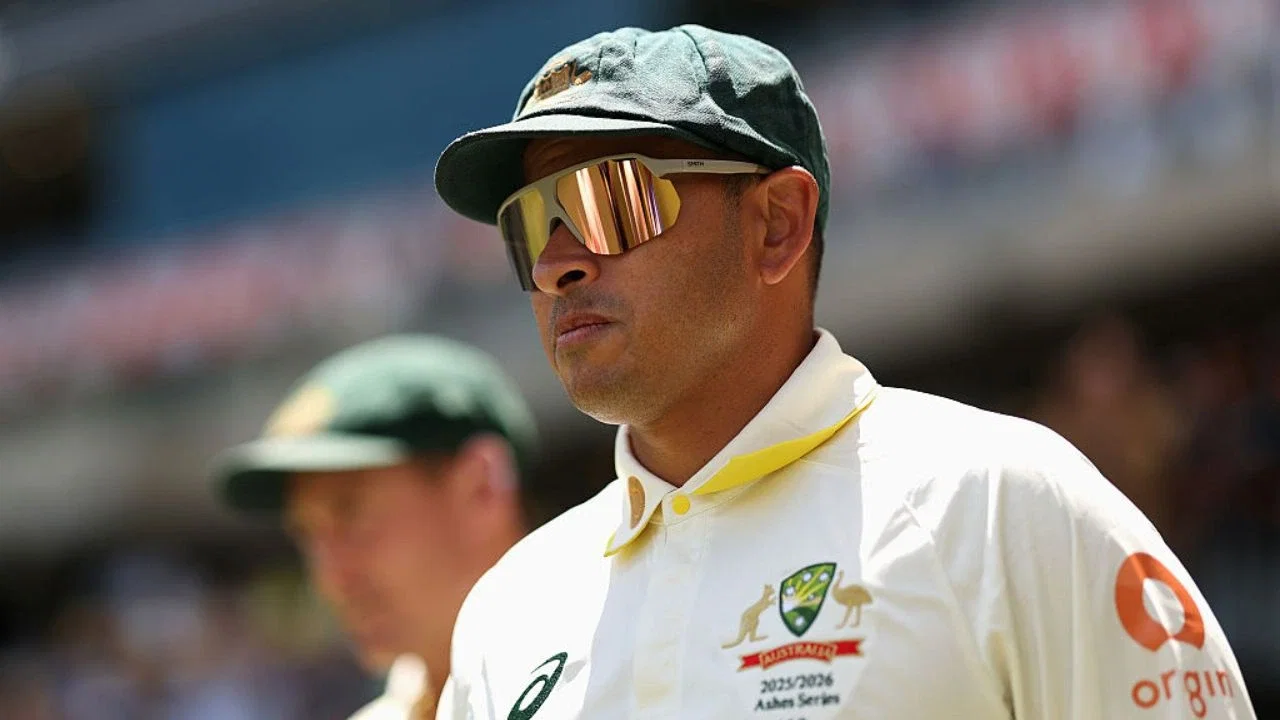
Usman Khawaja reveals health secret he hid from teammates throughout his career

IND vs NZ Playing 11 Today, Live Streaming, Pitch & Weather: India tour of New Zealand 2026, 3rd T20I
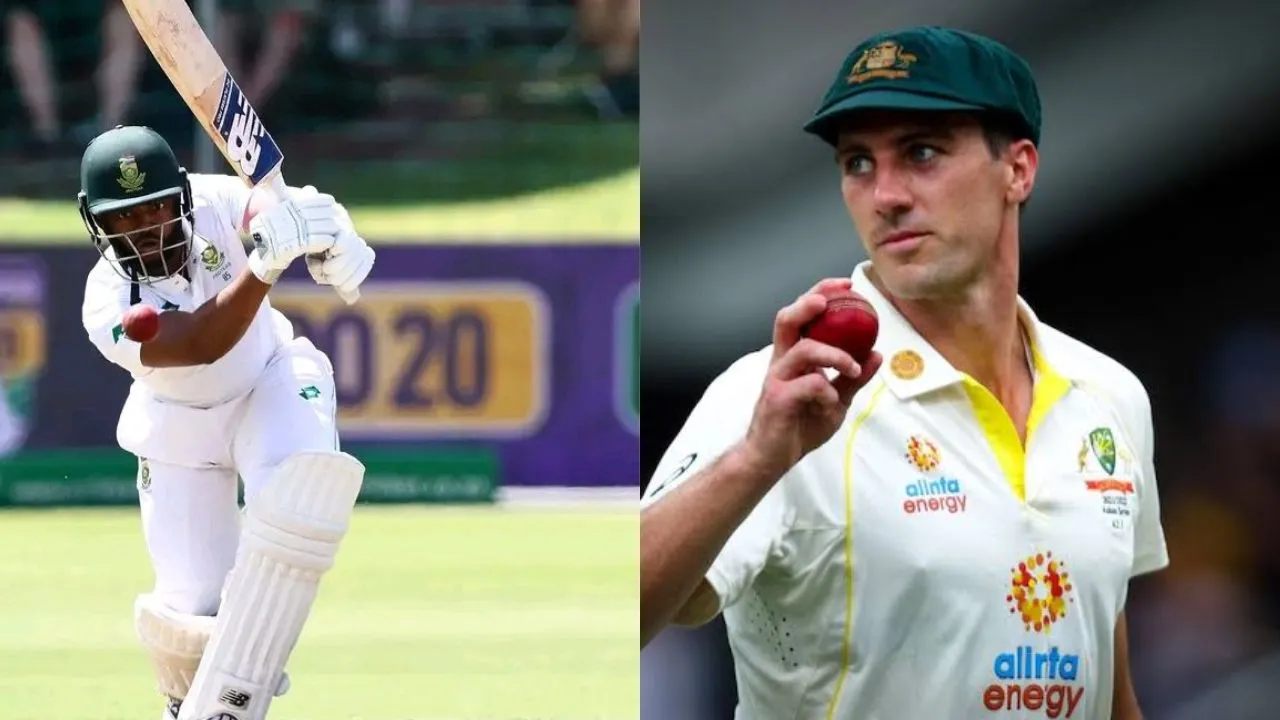
SA vs AUS Playing 11 Today, Live Streaming, Pitch & Weather: South Africa vs Australia 3rd Test 2026
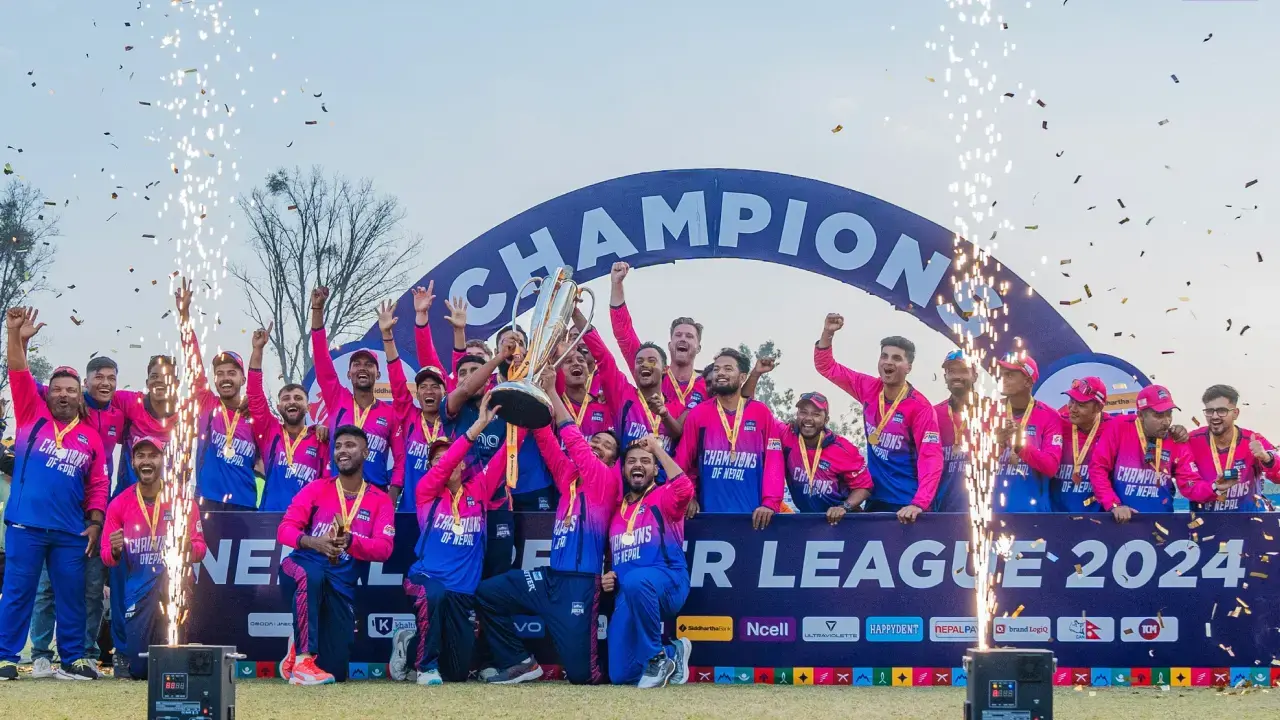
Nepal Premier League 2026: Where to Watch in India
Ravichandran Ashwin dismisses Rohit Sharma retirement rumors, predicts Hardik Pandya trade ahead of IPL 2027
Aiden Markram reveals South Africa’s historic 2027 dream ahead of Cape Town Test vs Australia

