Ian Healy wants Australia to keep Playing XI secret for the “most important Test of this century”

Ian Healy Calls Cape Town Decider Australia’s Most Important Test of the Century
Former Australia wicketkeeper Ian Healy has described the upcoming third Test against South Africa as a defining occasion for Australian cricket, raising the stakes ahead of a series decider at Newlands. With the three-match contest level at 1-1, Tuesday’s match will determine who claims the trophy—and could become one of the most memorable results in recent Test history.
The Cape Town Test carries added significance because it will be Australia’s first Test at Newlands since the 2018 ball-tampering scandal, commonly known as “Sandpapergate.” That episode left a lasting mark on the team’s reputation and remains part of the wider story surrounding Australian cricket’s return to the ground. Healy’s prediction is that the series finale could be remembered not only for its result, but also for what it represents to both sides.
Why Healy Sees the Test as a Defining Moment
Speaking on SENQ Breakfast, Healy compared the significance of the Cape Town match with Australia’s 2005 Ashes campaign in England. He argued that a series decider on South African soil offers a rare opportunity for either team to produce a result that will resonate long after the final ball.
“This is the most important Test for Australia in this century,” Healy said, pointing to the scale of the occasion and the challenge of winning away from home. He also stressed that the match needs a decisive outcome, rather than being shaped by overly cautious cricket or interruptions from the weather.
That hope reflects the demands of a series finale. At 1-1, there is no room for a team to settle for simply avoiding defeat if it wants to secure the trophy. Newlands can also provide a demanding examination for batters and bowlers alike, making tactical choices, patience and execution especially important across five days.
Australia’s Batting Comes Under Scrutiny
Australia head into the decider with questions about their batting after being dismissed for just 99 in the first innings of the second Test in Gqeberha. A collapse of that size can put pressure on the entire lineup, and selectors must decide whether to make changes or back players who have already shown they can contribute in the series.
Healy has urged Australia to retain Marnus Labuschagne at No. 3, despite the scrutiny surrounding the batter’s recent performances. He pointed to Labuschagne’s returns of at least 37 in three of his four innings in the series as evidence that he has made useful starts and remains capable of delivering a more substantial contribution.
Healy said that replacing Labuschagne could create unnecessary disruption before such an important match. In his view, Australia should give the established batter another opportunity to fulfil the role, while recognising that a promising start must be converted into a meaningful score.
The argument highlights a familiar selection dilemma: whether to respond to a poor team performance with changes or preserve stability and trust players to recover. Australia’s top order will need to show greater resilience in Cape Town, particularly if South Africa’s attack finds early movement or builds pressure through disciplined bowling.
Healy’s Predicted Australia XI for the Cape Town Test
Healy’s proposed lineup features Matt Renshaw opening alongside Travis Head, with Labuschagne at No. 3 and Steve Smith following at No. 4. Cameron Green, wicketkeeper Alex Carey and Beau Webster complete the specialist batting group before the four-man bowling attack.
Healy’s predicted Australia XI:
Travis Head, Matt Renshaw, Marnus Labuschagne, Steve Smith, Cameron Green, Alex Carey (wicketkeeper), Beau Webster, Pat Cummins (captain), Mitchell Starc, Scott Boland and Nathan Lyon.
The suggested combination would give Australia a mix of experience and flexibility. Head’s attacking style could set the tempo at the top, while Renshaw would be tasked with providing a steady presence. Smith remains a central figure in the middle order, and Green and Webster offer additional batting depth alongside their all-round capabilities.
In the bowling department, Cummins, Starc and Boland would provide pace options, with Lyon offering Australia’s main specialist spin threat. Conditions at Newlands and the balance of the pitch could influence the final selection, so Healy’s lineup remains a prediction rather than a confirmed team announcement.
Keep the Team Sheet Secret Until the Toss
Healy has also recommended that Australia delay announcing its playing XI until the toss. South Africa revealed its team early in the first two Tests, but Healy believes Australia should keep its selection plans private for as long as the rules allow.
Holding back the team sheet could preserve some uncertainty for the opposition, particularly if either side is weighing up changes based on conditions. The toss itself may also provide useful information about the surface and the likely value of batting first. While secrecy does not guarantee an advantage, it can prevent the opposition from receiving an early look at Australia’s final tactical choices.
What to Watch in the Series Decider
The central challenge for Australia is clear: recover from the batting collapse, make sound decisions under pressure and produce a complete performance away from home. South Africa, meanwhile, will have the opportunity to turn a level series into a major home triumph. The contest is therefore about more than individual form; it will test each team’s ability to adapt, sustain pressure and respond when momentum shifts.
Healy’s prediction has added another layer of anticipation to the match. If the Test produces a decisive finish, it could stand out as a landmark result in Australia’s modern cricket story. Whether it ultimately lives up to his billing will depend on the players, the conditions and the quality of the cricket—but with the series tied and the trophy on the line, the stakes are already unmistakable.
Latest News
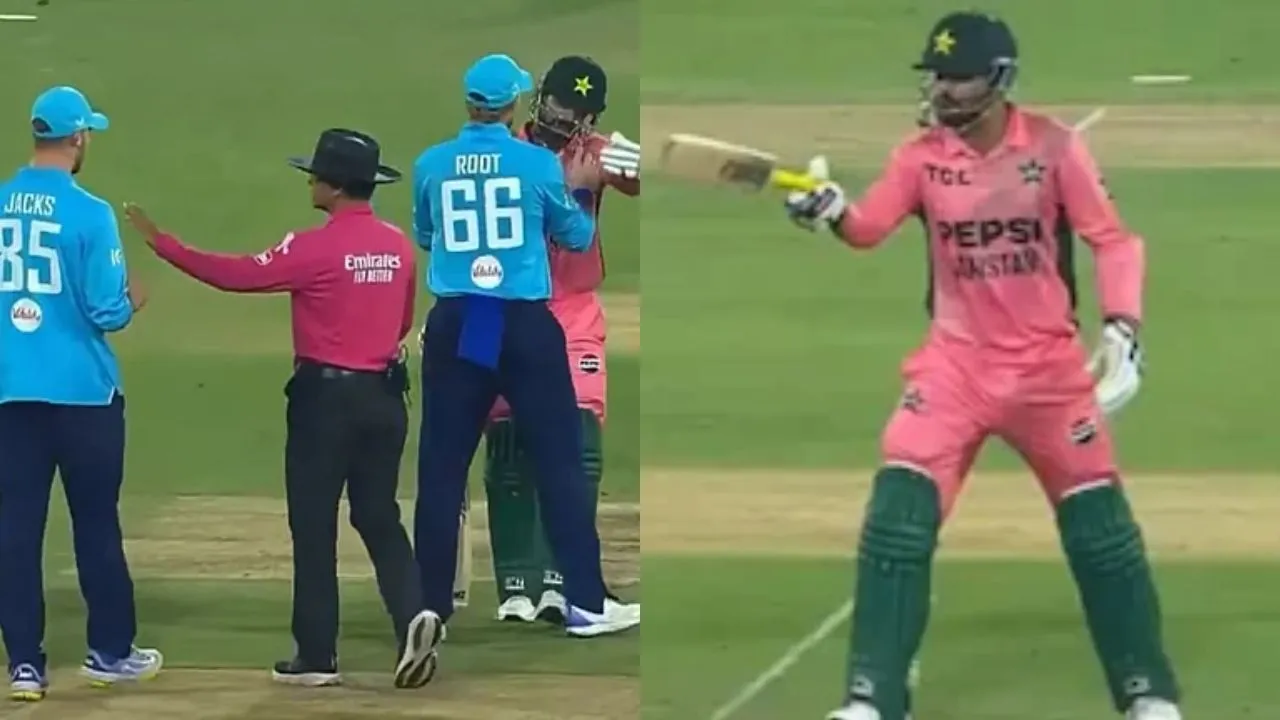
Jharkhand lodges BCCI complaint after controversial one-run defeat in Women’s U19 T20 Trophy

WPL 2027 Auction: Live Streaming and TV Broadcast Details
Gareth Batty to join CSK? Kasi Viswanathan drops big hint ahead of IPL 2027

IPL 2027 mini-auction set to clash with India vs Sri Lanka ODI
Ian Healy wants Australia to keep Playing XI secret for the “most important Test of this century”

Soham Desai reveals Rohit Sharma’s career-threatening injury, slams fitness critics
Cheteshwar Pujara picks 6 Indians in ODI World XI, leaves out Australia and Pakistan stars
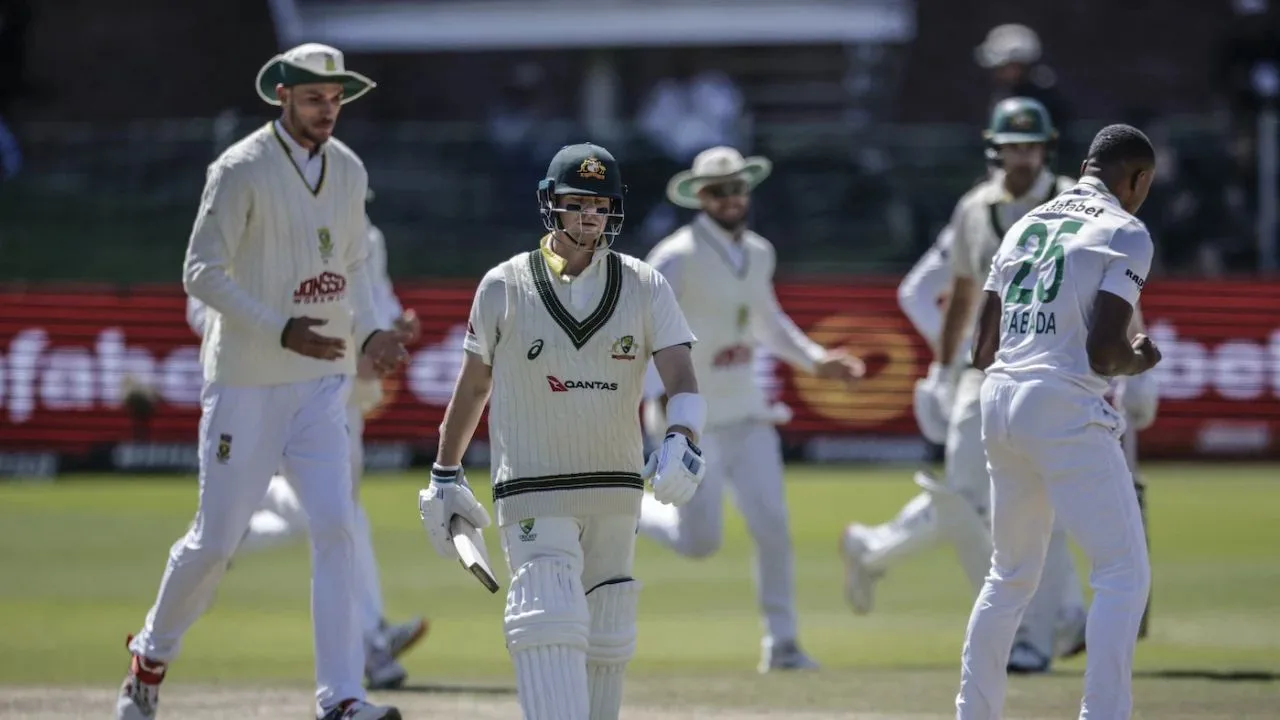
Nic Maddinson sent home after poor run as Australia set to make changes for Cape Town Test
Usman Khawaja reveals health secret he hid from teammates throughout his career

IND vs NZ Playing 11 Today, Live Streaming, Pitch & Weather: India tour of New Zealand 2026, 3rd T20I
SA vs AUS Playing 11 Today, Live Streaming, Pitch & Weather: South Africa vs Australia 3rd Test 2026

Nepal Premier League 2026: Where to Watch in India

Ravichandran Ashwin dismisses Rohit Sharma retirement rumors, predicts Hardik Pandya trade ahead of IPL 2027

Aiden Markram reveals South Africa’s historic 2027 dream ahead of Cape Town Test vs Australia