Soham Desai reveals Rohit Sharma’s career-threatening injury, slams fitness critics
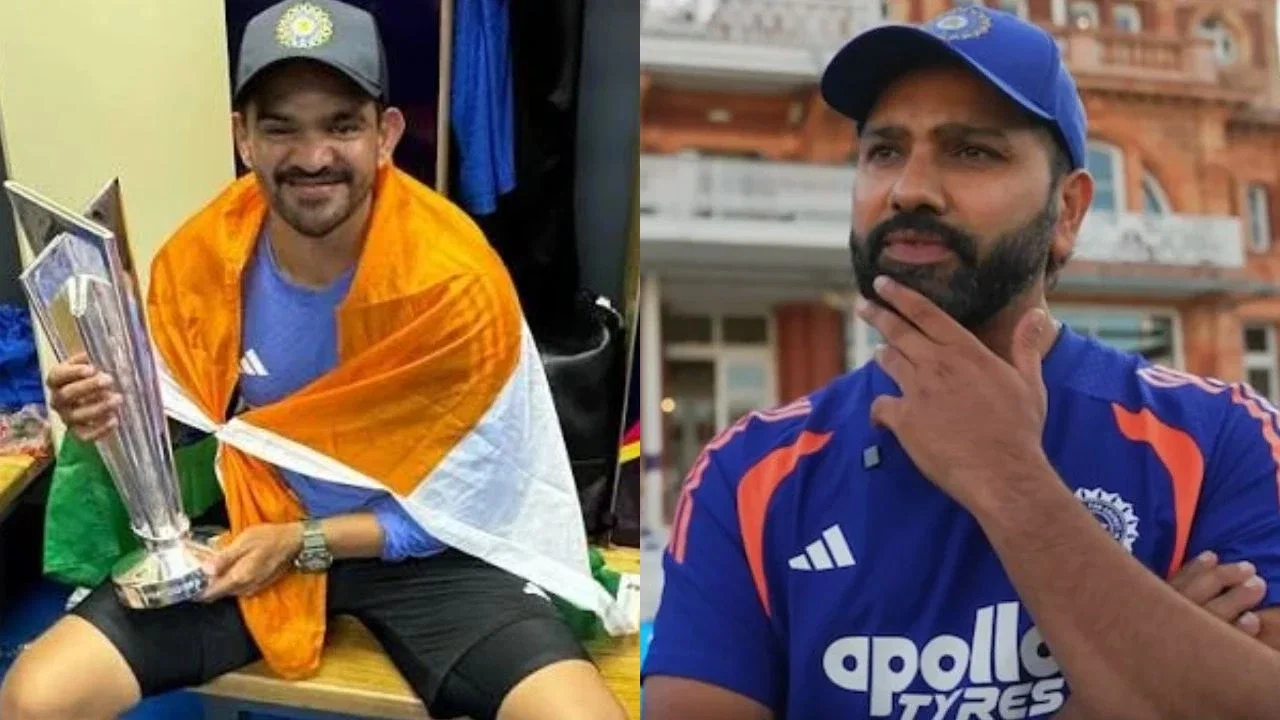
Rohit Sharma’s Fitness Under the Spotlight as Soham Desai Reveals Long-Term Injury Concerns
With the ICC Men’s Cricket World Cup 2027 on the horizon, questions about Rohit Sharma’s fitness, form and future role in India’s ODI plans are likely to intensify. The former India captain will be approaching 40 by the time the tournament arrives, prompting debate about whether he can remain physically prepared for the demands of international cricket.
Former India strength and conditioning coach Soham Desai has pushed back against criticism of Rohit’s appearance and training habits. Speaking on a podcast with Prashant Desai, he said the batter has managed significant injury concerns for years and has followed a carefully structured fitness routine to extend his career.
Desai’s comments offer a different perspective on a subject often reduced to visual judgments. Rather than assessing an athlete’s conditioning by body shape alone, he argued, it is important to consider injury history, training requirements and the physical demands of the player’s role.
Desai Says Rohit’s Hip and Hamstring History Requires Careful Management
Desai recalled that Rohit suffered a serious injury around the hip area after India’s defeat to Pakistan in the 2017 ICC Champions Trophy final. He also referred to procedures involving the batter’s hamstring and hip flexor, describing the injury history as a major factor in how Rohit must prepare.
“People say Rohit is lazy or that he doesn’t train,” Desai said, challenging claims that the batter’s appearance tells the full story. He stressed that Rohit has had to work around a vulnerable area for much of the past several years, making consistent, targeted conditioning an essential part of his professional routine.
Hip and hamstring issues can be particularly demanding for a top-level batter. Batting involves repeated acceleration, rapid changes of direction and forceful rotation through the hips, while fielding adds further bursts of movement. For a player competing across long seasons, those actions can place substantial stress on muscles and joints.
Why Strength Training Is a Non-Negotiable Part of Rohit’s Routine
According to Desai, Rohit needs at least two strength-training sessions each week to help manage the risks associated with his injury history. He described the hip region as a potential weak point and warned that neglecting the required work could increase the likelihood of future problems.
Desai said this approach has been necessary for roughly seven or eight years. In his view, Rohit’s ability to continue playing international cricket and the Indian Premier League should not be separated from the preparation that supports him behind the scenes. The training, he suggested, is not an optional add-on but a condition of staying available to compete.
That distinction matters when evaluating an experienced player’s fitness. A training plan is not always designed to produce a particular look or to mirror another athlete’s routine. In Rohit’s case, Desai’s explanation suggests the priorities are injury prevention, strength around the hip, and maintaining the physical capacity to perform explosive movements repeatedly.
A Different Programme from Virat Kohli’s
Desai also explained that Rohit and Virat Kohli do not need identical fitness programmes. Players may share the same team environment, but their physical histories, movement patterns and individual requirements can differ significantly.
Desai described Rohit’s programme as focused on strength, explosiveness and reactive movement. He added that regular running work is important to keep the hamstrings, quadriceps and other muscle groups functioning in rhythm. The aim is not simply to complete a high volume of exercise, but to maintain the specific qualities Rohit needs on the field while managing his injury risks.
This is a useful reminder for fans assessing elite athletes: fitness plans are often personalised. A routine that suits one player may not be appropriate for another, particularly when one has a history of surgery or recurring trouble in a particular area. The relevant measure is whether the work supports performance and availability—not whether two players train in the same way.
Rohit’s Fitness Improvement May Reflect a Lighter Workload
Desai said he was not surprised to see an improvement in Rohit’s physique and fitness. One possible factor is the change in workload that comes with stepping away from Test and T20 international cricket. With fewer formats to manage, Rohit may have more control over his training schedule, recovery periods and preparation between matches.
Playing all three formats can leave a cricketer with a demanding calendar of travel, training and competition. A more focused schedule may allow greater consistency in strength work and recovery, although workload management remains complex for any player competing in domestic leagues and international tournaments.
For Rohit, the challenge will be balancing preparation with the need to stay fresh across a long season. Strength sessions, running drills, match practice and recovery all have to fit together. Any prediction about his readiness for the 2027 World Cup will therefore depend on more than age or appearance; his health, form, workload and role in India’s plans will all be relevant.
What the World Cup 2027 Prediction Depends On
Rohit’s experience and record make him a significant figure in Indian cricket, but selection for a future World Cup is never guaranteed. The team management will need to assess his performances, physical availability and the balance of the squad as the tournament approaches. His own ability to maintain the training routine described by Desai could be an important part of that picture.
Desai’s remarks do not confirm Rohit’s place in India’s future plans, nor do they remove the legitimate questions surrounding a player nearing 40. Instead, they provide context: Rohit has reportedly been managing a serious injury history for years, and his continued participation has required specific, sustained work.
As the 2027 tournament draws closer, the most meaningful indicators will be Rohit’s match fitness, consistency and capacity to recover between games. Desai’s defence also underlines a broader point about professional sport: visible appearance alone is a poor measure of conditioning. For an athlete with a complex injury background, the unseen work may be just as important as the runs scored in public.
Latest News
Jharkhand lodges BCCI complaint after controversial one-run defeat in Women’s U19 T20 Trophy
WPL 2027 Auction: Live Streaming and TV Broadcast Details
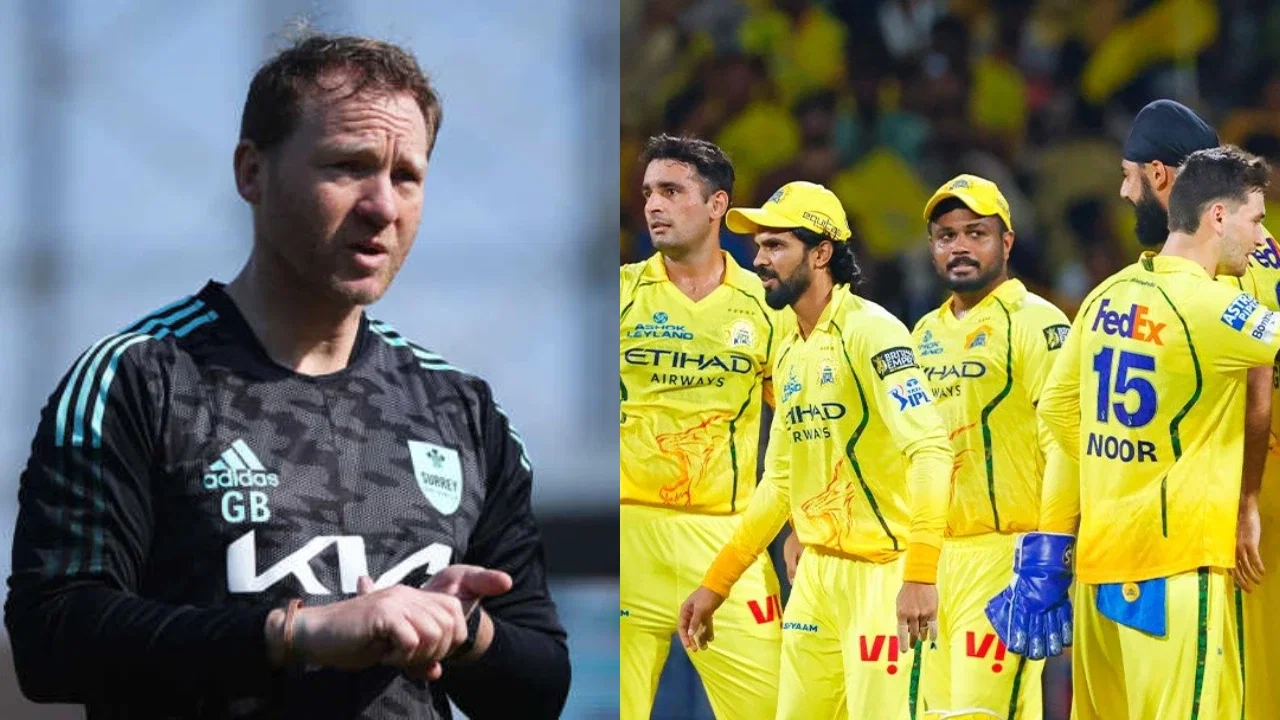
Gareth Batty to join CSK? Kasi Viswanathan drops big hint ahead of IPL 2027
IPL 2027 mini-auction set to clash with India vs Sri Lanka ODI
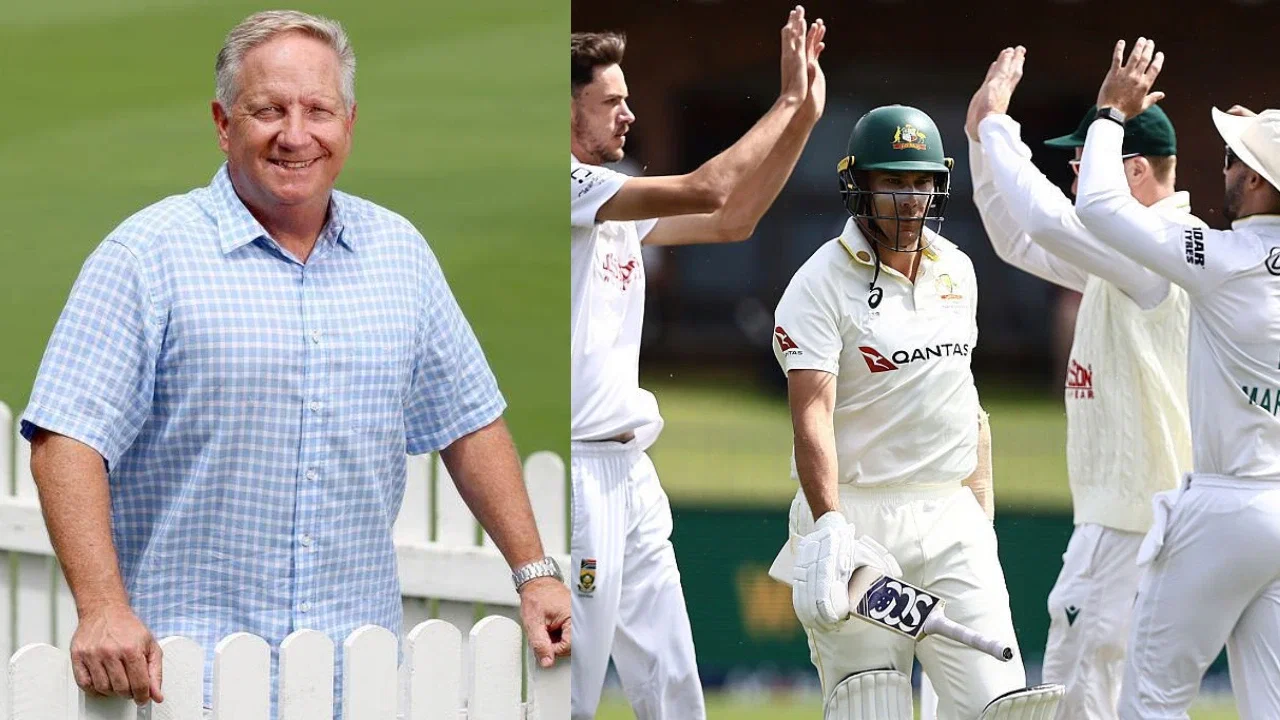
Ian Healy wants Australia to keep Playing XI secret for the “most important Test of this century”
Soham Desai reveals Rohit Sharma’s career-threatening injury, slams fitness critics
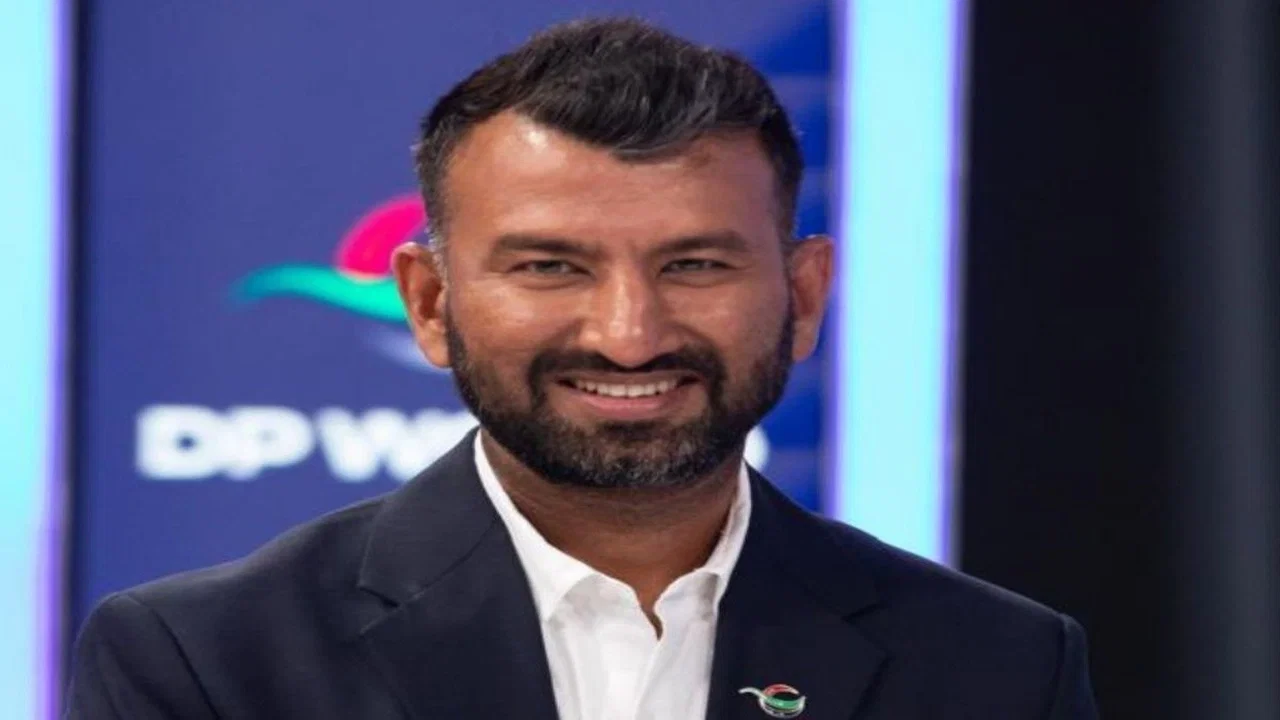
Cheteshwar Pujara picks 6 Indians in ODI World XI, leaves out Australia and Pakistan stars
Nic Maddinson sent home after poor run as Australia set to make changes for Cape Town Test
Usman Khawaja reveals health secret he hid from teammates throughout his career
IND vs NZ Playing 11 Today, Live Streaming, Pitch & Weather: India tour of New Zealand 2026, 3rd T20I
SA vs AUS Playing 11 Today, Live Streaming, Pitch & Weather: South Africa vs Australia 3rd Test 2026
Nepal Premier League 2026: Where to Watch in India
Ravichandran Ashwin dismisses Rohit Sharma retirement rumors, predicts Hardik Pandya trade ahead of IPL 2027
Aiden Markram reveals South Africa’s historic 2027 dream ahead of Cape Town Test vs Australia