Harmanpreet Kaur snubs handshake with Pakistan captain in ICC Women’s T20 World Cup clash
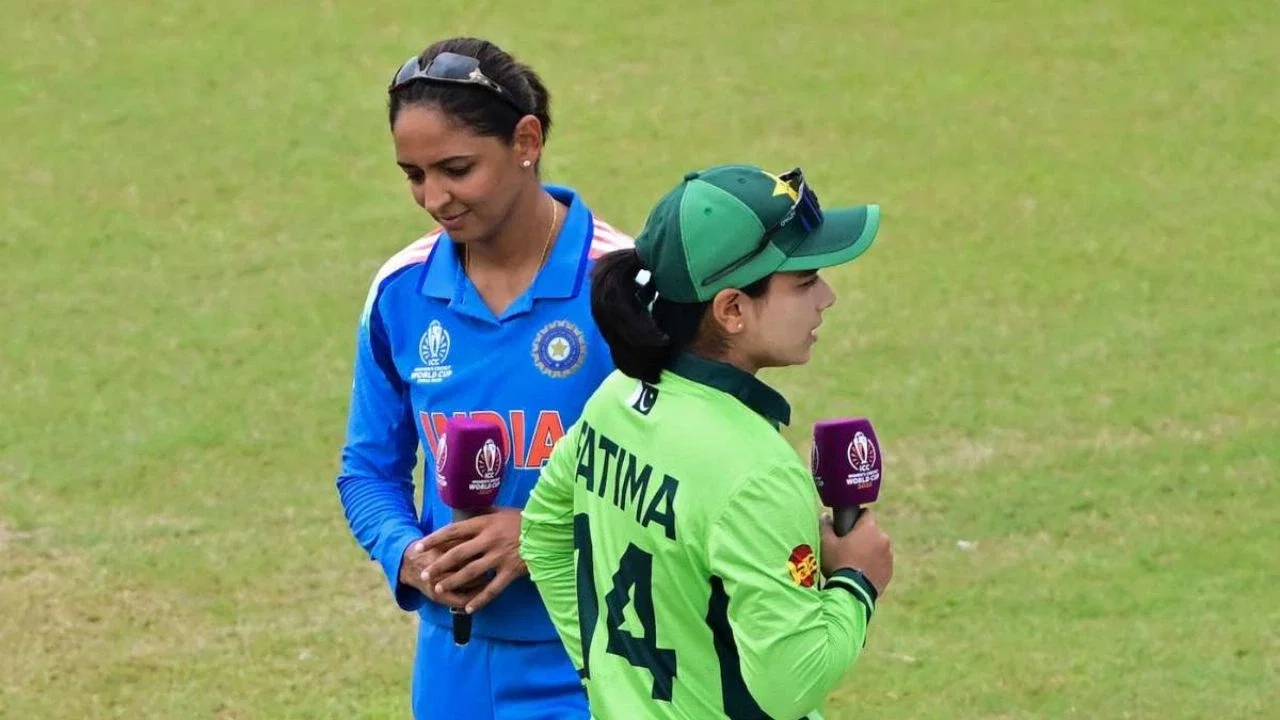
Harmanpreet Kaur Sparks Controversy Ahead of India-Pakistan Clash
As India geared up to face Pakistan in a highly anticipated Group 1 encounter at the ICC Women’s T20 World Cup 2026 in Edgbaston, Birmingham, all eyes were on India captain Harmanpreet Kaur. The pre-match buzz was not about the game itself but rather about Kaur’s apparent snub of a handshake with Pakistan captain Fatima Sana.
The Trend of Snubbing Handshakes
This incident is just the latest in a series of similar occurrences in recent India-Pakistan cricket meetings. The trend started during last year’s Women’s ODI World Cup and has carried over into various other tournaments, including the U19 World Cup, Rising Stars Asia Cup, and the Men’s T20 World Cup. Indian teams, under different leaderships, have been veering away from the traditional pre-match handshake with Pakistan players.
Harmanpreet Kaur’s actions have once again brought the issue to the forefront, sparking debates and discussions among fans and experts alike. The anticipation of whether the players would exchange handshakes became a major talking point leading up to the latest chapter in the historic India-Pakistan rivalry.
Harmanpreet Kaur’s Stance
When asked about the handshake controversy before the India-Pakistan clash, Harmanpreet Kaur emphasized that the team’s focus is solely on cricket. She stated, “We are here for cricket, and we only talk about cricket; except for cricket, we don’t talk about anything, and I don’t even think about anything except cricket.” Kaur acknowledged the pressure that comes with playing against Pakistan but highlighted the importance of enjoying the moment and giving their best.
The Last Encounter
The last time India and Pakistan faced off in a Women’s T20 World Cup match was during the 2024 edition in Dubai. In that game, India emerged victorious with a disciplined all-round performance, chasing down a target of 106 runs comfortably. Arundhati Reddy was the standout performer with the ball, claiming three crucial wickets, while Shafali Verma and Harmanpreet Kaur led the chase with the bat.
India’s dominance over Pakistan in ICC tournaments continued as they sealed the victory with seven balls to spare. Arundhati Reddy was named the Player of the Match for her impactful bowling display. The win not only showcased India’s cricketing prowess but also added another chapter to the storied rivalry between the two nations.
Conclusion
As India and Pakistan prepared to renew their cricketing rivalry on the global stage, the focus shifted from the game itself to the off-field interactions between the captains. Harmanpreet Kaur’s decision to avoid a handshake with Fatima Sana reignited discussions about sportsmanship, rivalry, and the intensity of India-Pakistan matches. Despite the controversies and debates, fans around the world eagerly awaited the clash between these two cricketing giants with the hopes of witnessing another thrilling encounter.
Impact of Prediction in India-Pakistan Matches
One aspect that adds to the intensity of India-Pakistan matches is the fervent predictions made by fans and experts alike. Predictions often play a significant role in shaping the narrative leading up to these high-stakes encounters. The anticipation and excitement surrounding these matches are fueled by the predictions of former players, cricket analysts, and even astrologers, who offer their insights and forecasts on the potential outcome of the game.
These predictions can often influence the mindset of both teams and their supporters. A favorable prediction for one side can boost their confidence and morale, while a negative prediction can serve as added motivation to prove their detractors wrong. The psychological impact of these predictions adds another layer of complexity to an already emotionally charged rivalry.
The Spectacle of India-Pakistan Clashes
Beyond the cricketing skills on display, India-Pakistan matches are a spectacle like no other in the world of sports. The intense rivalry between the two nations, stemming from historical, political, and cultural tensions, spills over onto the cricket field, creating an atmosphere of unparalleled excitement and anticipation.
Every India-Pakistan clash is not just a cricket match; it is a battle of pride, honor, and national identity. Millions of fans from both countries tune in to watch these games, turning them into global events that transcend the boundaries of sport. The high emotions, drama, and nail-biting finishes that often characterize these matches make them must-watch events for cricket enthusiasts worldwide.
Building Bridges Through Cricket
While the India-Pakistan rivalry is steeped in competitiveness and history, cricket has also served as a platform for building bridges and fostering sportsmanship between the two nations. Despite the on-field intensity and off-field controversies, moments of camaraderie and mutual respect have been witnessed between players from both sides.
Instances of players acknowledging each other’s performances, sharing light-hearted moments, and coming together for a common cause, such as promoting peace and unity through sport, highlight the power of cricket in transcending political differences. These gestures, however small, contribute to a sense of sportsmanship and camaraderie that can help bridge the divides between the two nations, if only for the duration of a cricket match.
Looking Ahead
As India and Pakistan continue to engage in cricketing battles on the global stage, the anticipation, excitement, and controversies surrounding their matches are unlikely to diminish. The rich history, deep-seated rivalry, and the sheer passion of fans ensure that every encounter between the two nations is a spectacle that transcends sport.
Whether it is through predictions, off-field interactions, or on-field performances, India-Pakistan clashes will always hold a special place in the hearts of cricket lovers around the world. As the teams gear up for their next showdown, the world waits with bated breath to witness another chapter in one of the greatest rivalries in the history of cricket.
By delving into the impact of predictions, the spectacle of India-Pakistan clashes, and the potential for cricket to build bridges between nations, this expanded content provides a deeper understanding of the complex dynamics at play during these high-stakes encounters.
Latest News
Top 10 highest run-chases in T20 cricket history, ft. West Indies’ Ranchi win vs India
Aaryavir Sehwag and Anvay Dravid set to make headlines at U19 Asia Cup 2026
Longest ducks in Test cricket history ft. Nic Maddinson, Shoaib Akhtar
ECB to offer 39 central contracts to England players after Ben Stokes, Mark Wood’s retirement
Steve Smith surpasses Steve Waugh in all-time Test run-scorers’ list
Shane Watson identifies Gautam Gambhir’s biggest problem as India struggle for consistency
Is Bhuvneshwar Kumar in India’s 2027 World Cup plans? Ajinkya Rahane makes revelation
BCCI’s big ₹127 Crore move after injury crisis raises concerns over Team India
Parthiv Patel reveals RCB ignored his Jasprit Bumrah recommendation in IPL 2014 Auction
“Never spoke ill of any faith”: Irfan Pathan hits back at fake news using his name
Nic Maddinson bags 33-ball duck on Test comeback, disappoints George Bailey
Imran Tahir predicts 2027 ICC ODI World Cup Semi-Finalists, snubs India for title
Australia create unwanted history with first all-30-plus Test XI
Ravindra Jadeja returns to Ranji Trophy as Saurashtra announce squad