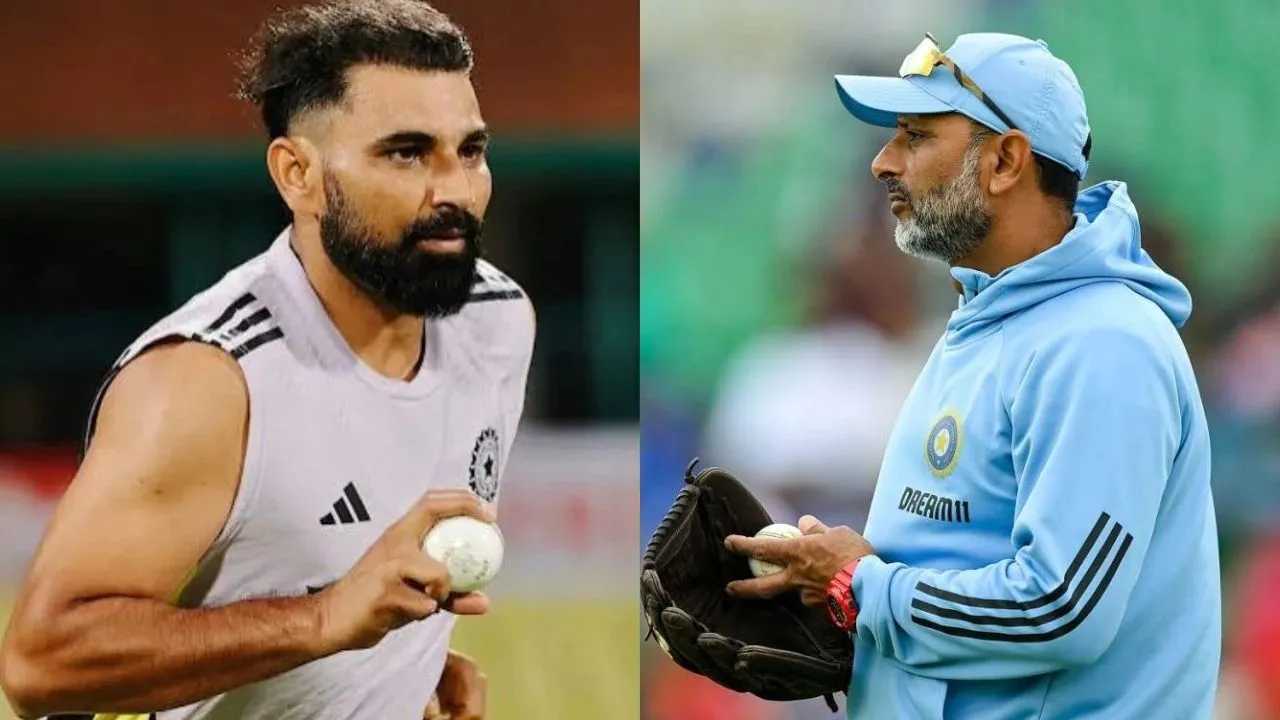
‘He waits for Joe Root…’: Irfan Pathan slams India’s Jasprit Bumrah strategy after Lord’s Test defeat

The Controversy Surrounding India’s Approach to Fast Bowlers
Former Indian cricketer Irfan Pathan has ignited a heated debate with his recent criticism of India’s cautious handling of their fast bowlers during the third Test at Lord’s against England. Pathan believes that this conservative approach ultimately cost India the match.
Pathan’s Critique
Following India’s narrow 22-run loss to England at Lord’s, Pathan did not hold back in his assessment of the team management’s strategy, particularly regarding Jasprit Bumrah. While England’s Ben Stokes and Jofra Archer threw themselves into the intense battle at Lord’s without concerns for their workload or injury histories, India appeared more focused on managing Bumrah’s overs rather than seizing the moment in the crucial test match.
Pathan criticized India’s decision to limit Bumrah’s bowling, despite having six other bowling options at their disposal. He pointed out that Bumrah, who is considered India’s main weapon in the pace attack, bowled fewer overs in the second innings, while Stokes delivered a fierce 9-over morning spell, taking five wickets and making a significant impact on the game.
Missed Opportunities
Pathan highlighted that India’s obsession with preserving Bumrah for later stages of the match played into England’s hands, allowing them to capitalize on the opportunity and secure a victory. He expressed disappointment at the team’s failure to control the game when it mattered most, contrasting India’s cautious approach with England’s aggressive and relentless performance.
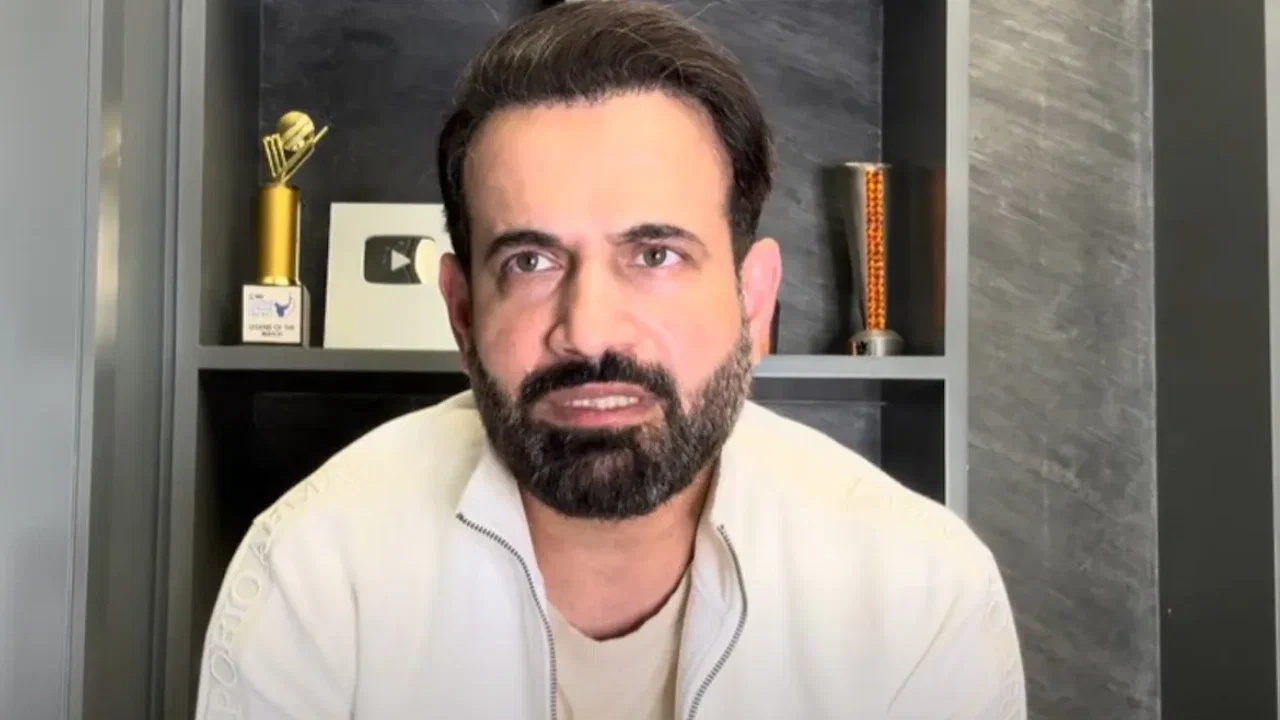
In a video on his YouTube channel, Pathan emphasized the importance of prioritizing victory over workload management, especially in high-stakes matches like the one at Lord’s. He commended Stokes and Archer for their unwavering commitment and criticized India for not displaying the same level of determination and intensity.
Heartbreak for India
Despite the valiant efforts of players like Ravindra Jadeja, who played a gritty innings of 61* off 181 balls, and Mohammed Siraj, the match ended in heartbreak for India as England sealed a 2-1 lead in the Test series. Siraj’s emotional reaction to his dismissal by Shoaib Bashir resonated with fans as he was consoled by both opponents and teammates.
With England now leading the series, India will look to bounce back strongly in the upcoming fourth Test at Old Trafford in Manchester. The intense competition and the controversies surrounding India’s strategy with their fast bowlers have set the stage for an exciting conclusion to the Test series.
Stay tuned for more updates and analysis as the teams prepare for the next showdown on July 23.
India’s Historical Approach to Fast Bowlers
India’s handling of fast bowlers has been a subject of debate and scrutiny for many years. The country has produced legendary spinners like Anil Kumble and Harbhajan Singh, leading to a traditional emphasis on spin bowling. Fast bowlers, on the other hand, have often faced challenges in gaining recognition and support from the cricketing establishment.
Historically, Indian fast bowlers have struggled with injuries and inconsistent performances, leading to a cautious approach towards managing their workload. This conservative mindset has sometimes been criticized for limiting the potential of talented pacers and hindering their development on the international stage.
The Rise of India’s Fast Bowling Talent
In recent years, India has witnessed a resurgence in the fast bowling department, thanks to the emergence of bowlers like Jasprit Bumrah, Mohammed Shami, and Ishant Sharma. These pacers have defied conventional wisdom and proven themselves on all types of pitches, both at home and abroad.
The success of India’s fast bowlers in overseas conditions has challenged the traditional narrative that spinners are more suited to Indian pitches. Their ability to generate pace, swing, and bounce has made them formidable opponents for batsmen around the world, contributing significantly to India’s success in Test matches and limited-overs cricket.
Balancing Workload Management and Performance
While workload management is crucial for the longevity of fast bowlers’ careers, striking the right balance between preservation and performance remains a delicate task. In high-pressure situations like the Test match at Lord’s, the decision-making process becomes even more critical, as teams weigh the immediate impact against long-term considerations.
India’s cautious approach with Jasprit Bumrah at Lord’s reflects a broader trend in modern cricket, where teams carefully monitor their key bowlers to prevent burnout and injuries. However, the fine line between protection and missed opportunities can sometimes blur, as seen in the aftermath of the closely contested match against England.
The Psychological Aspect of Fast Bowling
Fast bowling is not just a physical challenge but also a mental battle. The aggressive mindset required to intimidate batsmen and take wickets contrasts with the need for patience and discipline in executing bowling plans. Managing the psychological aspect of fast bowling is as important as maintaining physical fitness and skill levels.
Players like Ben Stokes and Jofra Archer epitomize the mental toughness and resilience needed to succeed as fast bowlers in the international arena. Their fearless approach to the game and willingness to push boundaries set them apart as true match-winners, capable of turning the tide in favor of their team in crucial moments.
Looking Ahead
As India regroups for the fourth Test against England in Manchester, the team will have an opportunity to learn from the experiences at Lord’s and make adjustments to their strategy. The controversies surrounding their approach to fast bowlers serve as a reminder of the ongoing evolution in cricket tactics and the need for adaptability in the face of challenges.
Fans can expect an intense and closely fought battle between India and England as they strive to gain the upper hand in the Test series. The outcome of the upcoming matches will not only shape the current series but also have implications for the future of Indian cricket and the role of fast bowlers in the team’s success.
Stay tuned for more updates, analysis, and insights as the teams prepare to resume their rivalry on the cricket field.
Latest News

Top 10 highest run-chases in T20 cricket history, ft. West Indies’ Ranchi win vs India

Aaryavir Sehwag and Anvay Dravid set to make headlines at U19 Asia Cup 2026

Longest ducks in Test cricket history ft. Nic Maddinson, Shoaib Akhtar

ECB to offer 39 central contracts to England players after Ben Stokes, Mark Wood’s retirement

Steve Smith surpasses Steve Waugh in all-time Test run-scorers’ list

Shane Watson identifies Gautam Gambhir’s biggest problem as India struggle for consistency

Is Bhuvneshwar Kumar in India’s 2027 World Cup plans? Ajinkya Rahane makes revelation

BCCI’s big ₹127 Crore move after injury crisis raises concerns over Team India

Parthiv Patel reveals RCB ignored his Jasprit Bumrah recommendation in IPL 2014 Auction
“Never spoke ill of any faith”: Irfan Pathan hits back at fake news using his name

Nic Maddinson bags 33-ball duck on Test comeback, disappoints George Bailey

Imran Tahir predicts 2027 ICC ODI World Cup Semi-Finalists, snubs India for title

Australia create unwanted history with first all-30-plus Test XI
Ravindra Jadeja returns to Ranji Trophy as Saurashtra announce squad