“I don’t regret”: Ben Stokes on forcing James Anderson into retirement

Ben Stokes Reflects on Controversial Decision Leading to James Anderson’s Retirement
Ben Stokes’ captaincy era for the England National Cricket Team has been marked by a significant decision regarding the exclusion of the legendary fast bowler James Anderson from the Test team, ultimately leading to Anderson’s retirement in 2024. Stokes’ choice to prioritize young talent over the experienced Anderson was part of the strategic plans for the upcoming Ashes 2025-26 series.
No Regrets for Ben Stokes
In a recent conversation with former England bowler Stuart Broad, Ben Stokes expressed that he has no regrets about the decision that led to James Anderson’s retirement. Stokes firmly stood by his choice to support emerging talents and build a bowling attack for the future, even if it meant excluding a seasoned player like Anderson.
“I don’t regret the decision that we made because we did it for what we thought was going to be a positive outcome for us in the buildup to going out to Australia,” Stokes explained during the discussion with Broad.
Preparing for the Ashes
With the Ashes series on the horizon, England, under Ben Stokes’ leadership, began prioritizing young seamers who could serve the team well in the future. Anderson, at over forty years old, did not fit into the team management’s plans for the upcoming series against Australia.
Stokes highlighted the importance of building a strong bowling attack for the Ashes, which influenced the decision to exclude Anderson from the team. Despite recognizing Anderson’s talent as a “gun bowler,” Stokes believed that the team needed to focus on developing a bowling lineup for future success.
Acknowledging James Anderson’s Legacy
While discussing his decision with Stuart Broad, Ben Stokes acknowledged James Anderson as one of England’s greatest fast bowlers. Stokes praised Anderson’s longevity and contributions to the game, emphasizing that Anderson’s partnership with Broad had been instrumental for the England cricket team.
“Look, Jimmy is undoubtedly, along with yourself, you know, the greatest fast bowler that we have produced and probably will for a long period of time,” Stokes expressed, recognizing the impact of Anderson’s career on English cricket.
Leadership and Decision-Making
Reflecting on his role as captain, Ben Stokes explained that leadership often involves making tough decisions that may not always be popular. Despite facing criticism for excluding Anderson, Stokes believed that standing by his choices was essential for effective leadership.
“When you’re in those roles of leadership, you’ve got to be able to make those decisions and stand by them and live by them. And if people [disagree], you know, that’s what leadership is,” Stokes remarked on the challenges of leadership in professional sports.
In conclusion, Ben Stokes’ decision to exclude James Anderson from the England cricket team was a strategic move aimed at building a stronger team for future competitions. While controversial, Stokes stands by his choice and remains focused on leading England to success in upcoming series.
The Impact of Young Talent
By prioritizing young talent in the England cricket team, Ben Stokes is not only looking towards the immediate future but also laying the groundwork for sustained success in the long term. The inclusion of emerging seamers allows for their development and integration into the team, ensuring a seamless transition as experienced players like Anderson eventually retire. Stokes’ focus on nurturing budding talent speaks to a strategic vision that extends beyond individual matches, emphasizing the importance of building a strong foundation for the team’s sustained competitiveness.
Strategic Planning for Success
Stokes’ decision-making process regarding James Anderson’s exclusion underscores the significance of strategic planning in professional sports. While Anderson’s experience and skill are undeniable, Stokes recognized the need to align team composition with the specific demands of the upcoming Ashes series. This strategic approach reflects a forward-thinking mindset that is essential for achieving success at the highest levels of competition. By making decisions based on long-term goals and the team’s overall strategic direction, Stokes demonstrates a keen understanding of the complexities involved in leadership within the realm of elite sports.
Respecting Legacy While Embracing Change
Ben Stokes’ acknowledgment of James Anderson’s legacy serves as a reminder of the importance of honoring past contributions while simultaneously embracing the inevitability of change and evolution within the game. While Anderson’s retirement marks the end of an era, it also symbolizes a new chapter in English cricket, characterized by the emergence of fresh talent and the shaping of a team poised for future success. Stokes’ ability to strike a balance between recognizing the achievements of the past and forging a path towards the future exemplifies a nuanced approach to leadership that respects tradition while embracing innovation.
Building Trust Through Transparency
Stokes’ unwavering commitment to his decisions, despite potential backlash, underscores the importance of transparency and integrity in leadership. By openly discussing the rationale behind his choices and articulating the strategic considerations that informed his decision-making process, Stokes builds trust with his team and fans alike. This transparency not only provides insight into the complexities of leadership within the sporting arena but also fosters a culture of accountability and clarity that is essential for team cohesion and performance.
Looking Ahead
As Ben Stokes continues to lead the England National Cricket Team into the future, his ability to navigate complex decisions and steer the team towards success will be closely watched. The legacy of James Anderson, intertwined with Stokes’ leadership tenure, serves as a poignant reminder of the ever-evolving nature of professional sports and the constant need for adaptation and innovation. Stokes’ strategic vision, commitment to nurturing young talent, and unwavering leadership in the face of difficult choices position him as a pivotal figure in shaping the trajectory of English cricket for years to come.
In conclusion, Ben Stokes’ reflection on the controversial decision leading to James Anderson’s retirement highlights the intricacies of leadership, strategic planning, and the delicate balance between honoring the past and embracing the future in professional sports. Stokes’ resolute stance and forward-thinking approach underscore his commitment to building a competitive and successful team that is poised to make its mark on the international cricket stage.
Latest News

Top 10 highest run-chases in T20 cricket history, ft. West Indies’ Ranchi win vs India

Aaryavir Sehwag and Anvay Dravid set to make headlines at U19 Asia Cup 2026

Longest ducks in Test cricket history ft. Nic Maddinson, Shoaib Akhtar

ECB to offer 39 central contracts to England players after Ben Stokes, Mark Wood’s retirement

Steve Smith surpasses Steve Waugh in all-time Test run-scorers’ list

Shane Watson identifies Gautam Gambhir’s biggest problem as India struggle for consistency

Is Bhuvneshwar Kumar in India’s 2027 World Cup plans? Ajinkya Rahane makes revelation

BCCI’s big ₹127 Crore move after injury crisis raises concerns over Team India

Parthiv Patel reveals RCB ignored his Jasprit Bumrah recommendation in IPL 2014 Auction

“Never spoke ill of any faith”: Irfan Pathan hits back at fake news using his name
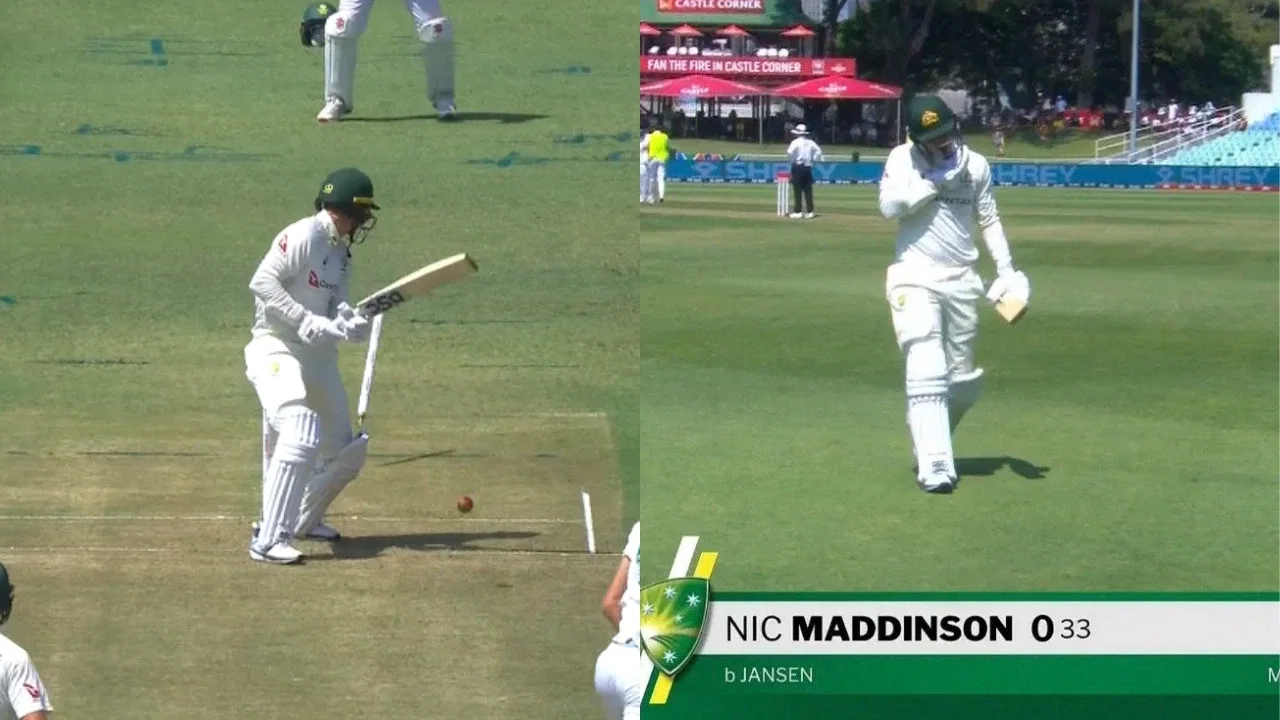
Nic Maddinson bags 33-ball duck on Test comeback, disappoints George Bailey

Imran Tahir predicts 2027 ICC ODI World Cup Semi-Finalists, snubs India for title
Australia create unwanted history with first all-30-plus Test XI
Ravindra Jadeja returns to Ranji Trophy as Saurashtra announce squad