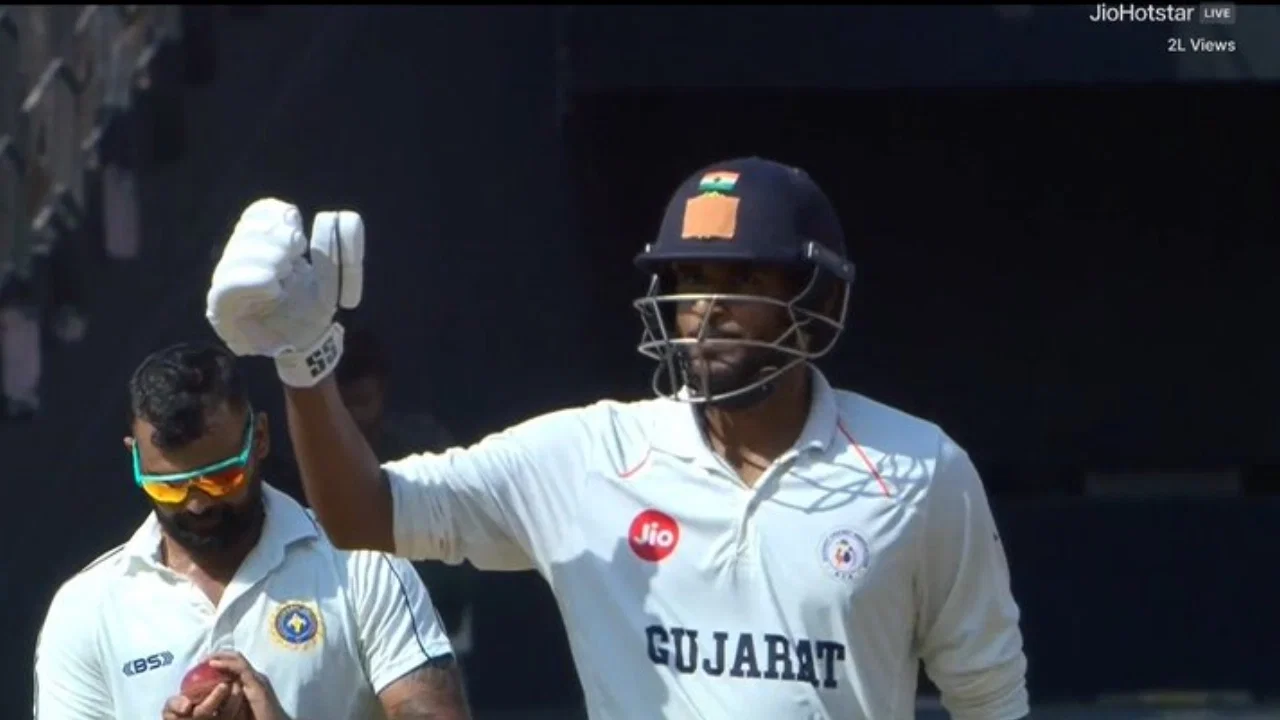
“I won’t say”: Yashasvi Jaiswal breaks silence on poor form in New Zealand after scoring 155
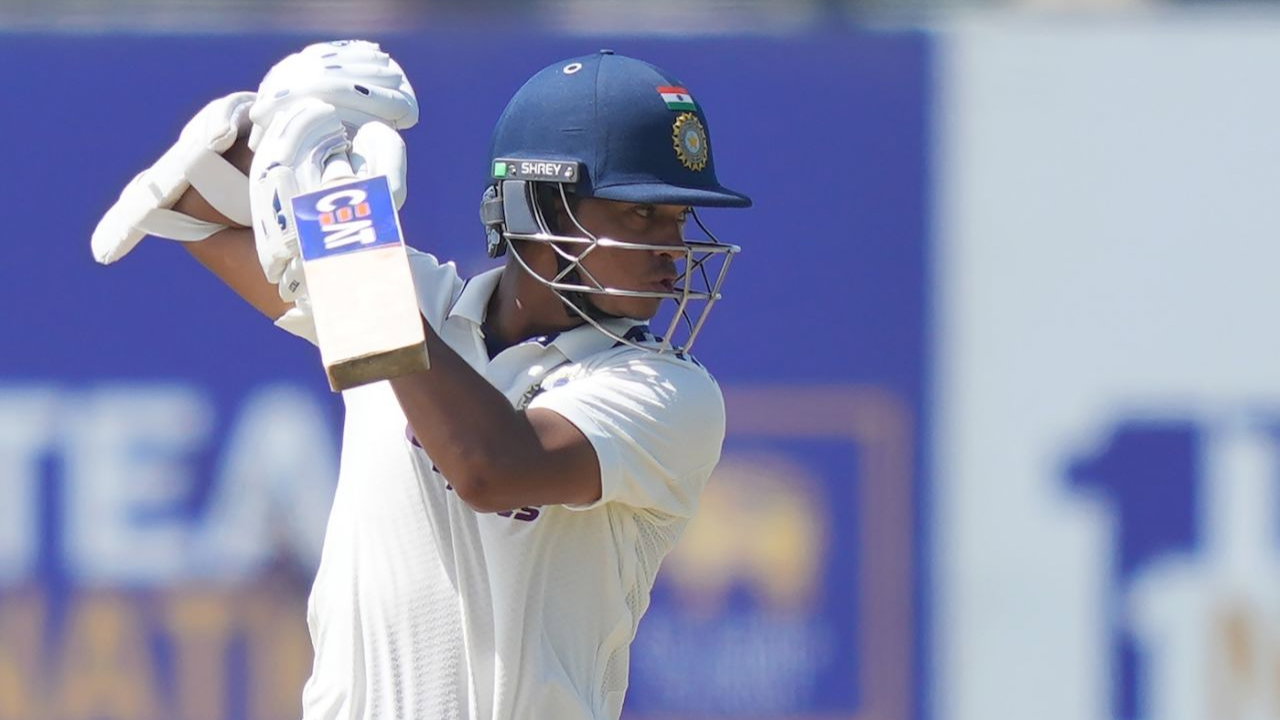
Yashasvi Jaiswal’s unbeaten 155 lifts India A in Christchurch draw
Yashasvi Jaiswal answered a difficult start to India A’s New Zealand tour with a composed, unbeaten 155 in the second unofficial Test at Hagley Oval. His innings helped India A recover from a first-innings deficit and finish the drawn match at 282 for 2 in their second innings on Tuesday.
The left-handed opener faced 162 deliveries, reaching his century from 119 balls before increasing the tempo as the innings progressed. More than a personal milestone, the knock offered a timely demonstration of patience and adaptability in conditions that challenged the visiting batters throughout the four-day contest.
A timely response after a difficult start
Jaiswal had found runs hard to come by earlier in the series. He made 17 and 5 in the opening unofficial Test, then was dismissed for a duck in India A’s first innings in Christchurch. His unbeaten century was therefore a significant turnaround, particularly after New Zealand A had built a 78-run lead in the first innings.
India A began their second innings under pressure, losing Sai Sudharsan for 11 and Devdutt Padikkal for a duck. Jaiswal steadied the innings alongside Yash Rathod, who also produced an unbeaten century. The pair added 247 runs for the third wicket without being separated, shifting the momentum and ensuring India A could not be pushed into a defeat.
Rathod finished on 100 from 122 balls, while Jaiswal’s 155 not out gave the partnership both stability and acceleration. Their stand turned a vulnerable position into a commanding second-innings total and provided valuable time in the middle for two batters preparing for the demands of international cricket.
Discipline and routine behind the performance
Speaking after his innings, Jaiswal credited preparation and consistency rather than a quick fix for his improvement. He said that sticking to a routine, remaining disciplined and trusting the process were particularly important while adapting to unfamiliar overseas conditions.
“It’s not that easy,” Jaiswal said, describing the challenge of batting in New Zealand. “Just focus on the process, routine, discipline. I think you have to be very disciplined here.”
His comments reflect a central challenge for visiting batters: conditions can change quickly, and success often depends on resisting the urge to force the pace before the ball becomes easier to play. In Christchurch, cold air, cloud cover and intermittent sunshine shaped the match from day to day. Jaiswal noted that the weather had remained unsettled throughout the four days, creating a different experience from playing in India, Australia or England.
For an opener, those conditions can be especially demanding. The ball is often at its newest when it is most likely to swing or seam, while the batter has had little time to judge the pitch or the bowlers’ preferred lines. Jaiswal’s innings suggested that patience early on can create opportunities later, once the ball loses some of its movement.
Managing seam movement at Hagley Oval
Jaiswal identified the new ball as one of the toughest tests. New Zealand A’s bowlers repeatedly hit challenging areas, making it difficult to score freely at the start of an innings. Rather than attempting to manufacture runs, the opener said India A’s batters needed to wait for opportunities.
“The ball moves a lot initially and there is a lot of seam movement,” he explained. “There are good bowlers hitting good areas consistently, so we have to wait a lot to make runs initially.”
That approach was reflected in the way Jaiswal described his technique. He focused on playing close to his body and moving towards the ball, reducing the risk of reaching too far outside his frame. He also made an adjustment to his stance after reviewing how he had set up in the first innings.
“Mainly, in my mind, the closer I play to the body, the better it is. Go to the ball and play,” he said. Jaiswal added that when the pace is less threatening, it can become easier to manage seam movement. If a bowler offers a loose delivery, he remains ready to score, but the priority is to stay secure through the difficult periods.
As the ball gets older and the pitch becomes more settled, batters can begin to play with greater freedom. Jaiswal was careful not to describe that phase as easy, but said it becomes possible to play good shots. The distinction matters: his innings was not built on reckless aggression, but on recognising when the conditions allowed him to expand his scoring options.
India A’s first-innings platform
India A had earlier made 346 in their first innings after New Zealand A chose to field. Captain and wicketkeeper-batter Dhruv Jurel led the way with 105 from 171 balls, anchoring the innings through a demanding spell of batting. Padikkal contributed 80, while Akash Deep scored 68 and Sudharsan added 41.
Despite those contributions, New Zealand A’s response gave the hosts a 78-run advantage, leaving India A with work to do in the second innings. Jaiswal and Rathod’s partnership was therefore crucial not only for its size but also for the timing: it prevented the deficit from becoming decisive and gave India A control of the closing stages.
What the innings could mean for Jaiswal
One innings does not settle every question about form, but Jaiswal’s 155 provides a strong platform after a lean run. It also offers useful evidence of how he is approaching conditions beyond India: prioritising balance, playing close to his body and accepting that scoring may be limited at the start of an innings.
For India A, the draw delivered a valuable opportunity to test batting plans against seam-friendly conditions. For Jaiswal, the performance should strengthen confidence ahead of future assignments where movement and weather can make the opening overs decisive. The prediction from this match is not simply that runs will come more easily next time; rather, his measured method gives him a clearer framework for handling difficult starts.
Jaiswal described the experience as different and enjoyable, despite the challenges. That balance—recognising the difficulty while remaining willing to adapt—was at the heart of his innings. At Hagley Oval, discipline helped turn an early setback into a memorable recovery, while the unbeaten partnership with Rathod ensured India A left Christchurch with momentum as well as a hard-earned draw.
Latest News
“I won’t say”: Yashasvi Jaiswal breaks silence on poor form in New Zealand after scoring 155

Virat Kohli’s message leaves Harry Kane starstruck after Ballon d’Or triumph

Mitchell Santner opens up on threats posed by Rohit Sharma, Virat Kohli in ODIs
Mitchell Santner opens up on threats posed by Rohit Sharma, Virat Kohli in ODIs

IPL 2027: CSK explore bizarre Liam Livingstone-Khaleel Ahmed swap with SRH

PCB demands $10,000 from Pakistani players for Abu Dhabi T10 2026 NOCs

Prasidh Krishna declared fit for India vs New Zealand Test series after ODI snub

Hardik Pandya’s IPL future uncertain as Mumbai Indians hold talks with multiple franchises

Suryakumar Yadav to become Mumbai Indians captain? Instagram video sparks speculation
R Ashwin leaves Kuldeep Yadav out of his India XI for 1st ODI against New Zealand

IND vs NZ Playing 11 Today, Live Streaming, Pitch & Weather: India tour of New Zealand 2026, 1st ODI
Prema Rawat creates world record with fastest-ever fifty in women’s T20 cricket

Ireland cricketer admits to substance abuse, receives ICC ban
Mohammad Amir breaks silence on IPL 2027 participation rumours, issues official statement