

Urvil Patel slams maiden first-class double century against Kerala in Ranji Trophy 2026-27
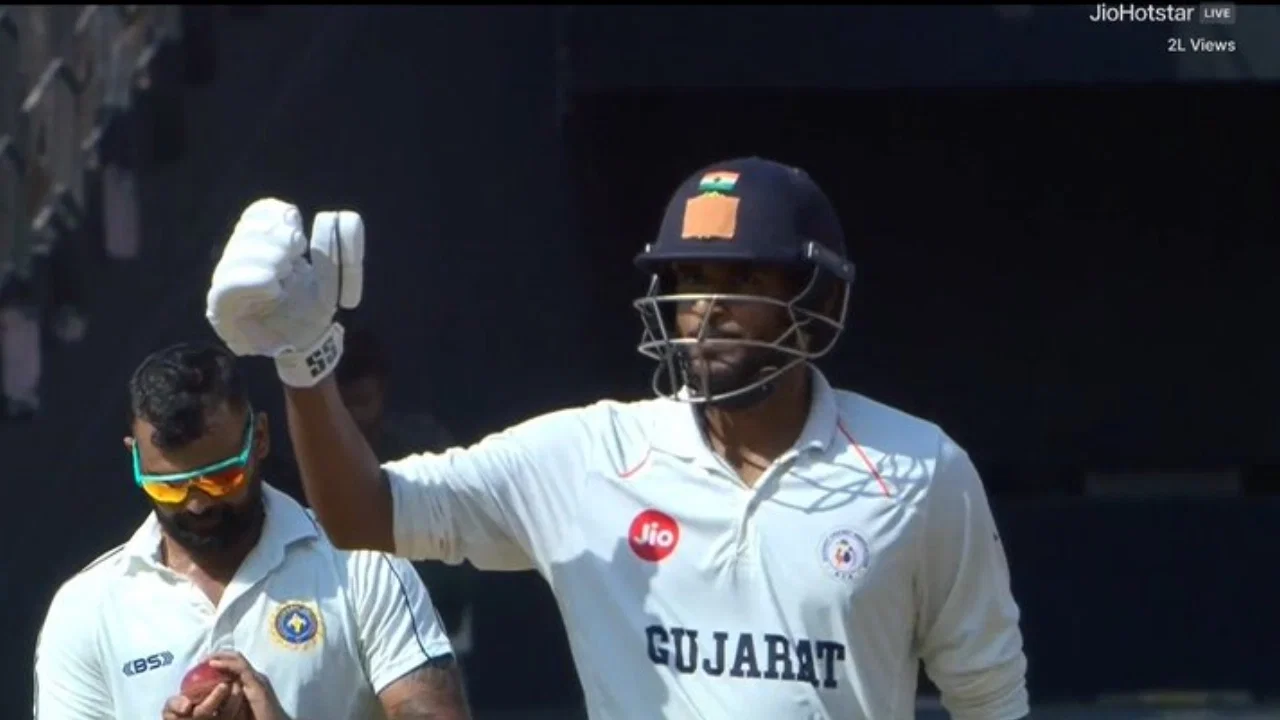
Urvil Patel’s Maiden First-Class Double Century Puts Gujarat in Command Against Kerala
Chennai Super Kings wicketkeeper-batter Urvil Patel produced the defining innings of Gujarat’s Ranji Trophy 2026–27 clash with Kerala, striking his maiden first-class double century at the Narendra Modi Stadium in Ahmedabad. The right-hander was unbeaten on 210 from 227 balls on Tuesday, November 3, helping Gujarat build a formidable first-innings total.
Led by Chintan Gaja, Gujarat reached 534 for eight before the tea break on the second day. Patel’s aggressive knock came alongside valuable contributions from Aarya Desai, who made 95, Vishal Jayswal with 77, and Abhishek Desai, who added 42. Kerala’s Nedumankuzhy Basil and Aditya Sarwate claimed two wickets apiece, but the visitors struggled to contain Gujarat’s scoring once Patel settled in.
A Rapid Century Sets Up Patel’s Double Hundred
Patel arrived at the crease with an attacking approach and reached his century in just 91 deliveries. His strike rate at the milestone was close to 110, reflecting the urgency and confidence of his innings. He struck 11 fours and four sixes on the way to three figures, finishing the hundred in emphatic fashion with a sequence that included two consecutive sixes and a boundary.
Rather than slowing down after reaching his century, Patel continued to put pressure on Kerala’s bowlers. He brought up his double hundred in 214 balls and remained unbeaten on 210, having struck 17 fours and six sixes. In total, 104 of his runs came from boundaries, underlining how effectively he combined clean hitting with the ability to keep the scoreboard moving.
The innings represents a significant milestone for Patel, whose reputation has grown through explosive performances in limited-overs cricket. A double century in first-class cricket is a different kind of achievement: it requires sustained concentration, careful management of risk and the ability to score across multiple sessions. Patel’s pace made the innings especially striking, while his unbeaten status left Gujarat well placed to press for a substantial advantage.
Strong Ranji Trophy Form Builds on an Impressive Season Start
The double century is the latest highlight in what has already been a productive Ranji Trophy campaign for Patel. Across Gujarat’s first three matches, he scored 217 runs in four innings at a strike rate of 115.43. Those figures point to a batter who has brought his attacking instincts into the longer format without losing the capacity to adapt to different match situations.
Patel began the season with an 85 off 67 balls against Odisha, an innings featuring four fours and seven sixes. His contribution helped Gujarat secure a first-innings lead. In the following match against Delhi, he made 23 from 28 deliveries before being dismissed by spinner Hrithik Shokeen.
Against Maharashtra, Patel scored 13 in the first innings but responded with a brisk 96 from 72 balls in the second. He hit four fours and four sixes and came close to another century. That counter-attacking effort offered an early indication of his ability to change the tempo of a game; his unbeaten 210 against Kerala has now taken that promise to another level.
What Patel’s Double Century Could Mean for CSK
Patel’s domestic form may also strengthen his position at Chennai Super Kings ahead of the IPL 2027 mini-auction. CSK secured the wicketkeeper-batter for ₹30 lakh, and his combination of keeping skills and high-impact batting offers the franchise an attractive option. With the reported retention deadline set for November 17, 2026, his performances in the Ranji Trophy could feature prominently in the team’s planning.
Patel made a notable impression during his breakout IPL campaign, scoring 197 runs in 10 appearances at a strike rate of 205.21. He hit 20 sixes and 11 fours, numbers that reflect his ability to deliver rapid runs in the middle and lower order. For a side seeking flexible batting options, a player who can accelerate quickly while also keeping wicket can provide valuable squad depth.
His most memorable IPL performance came against Lucknow Super Giants on May 10, 2026. Patel scored a 13-ball half-century, matching the record for the fastest fifty in IPL history. He also made 42 runs from his first 10 balls, surpassing the previous benchmark of 41, which had been jointly held by AB de Villiers and Yashasvi Jaiswal.
Patel eventually finished that innings with 65 from just 23 deliveries. One extraordinary sequence captured the scale of his hitting: across seven consecutive balls, he struck six sixes and a four. Such performances made him one of the season’s most eye-catching power hitters and helped explain why CSK may view him as more than a short-term auction bargain.
Why This Performance Matters Beyond the Scorecard
Patel’s latest innings adds an important dimension to his profile. While his IPL reputation rests largely on explosive cameos, a first-class double century demonstrates that he can also build a long innings and remain at the crease under sustained pressure. That versatility could improve his prospects in future selection discussions and give CSK greater confidence in his ability to contribute in different roles.
It is still too early to draw firm conclusions about Gujarat’s final result against Kerala, but the scale of the first-innings total gives the hosts a strong platform. The next stage of the match will test Kerala’s batting against a side buoyed by Patel’s performance, while Gujarat will look to turn its runs into control of the contest.
For fans following the Ranji Trophy, CSK’s squad decisions and IPL 2027 prediction, Patel is now a player to watch closely. His double century combines the patience expected in first-class cricket with the attacking range that made him a standout in the IPL. If he can maintain that balance, his performance in Ahmedabad may prove to be a key moment in a rapidly developing career.
Latest News
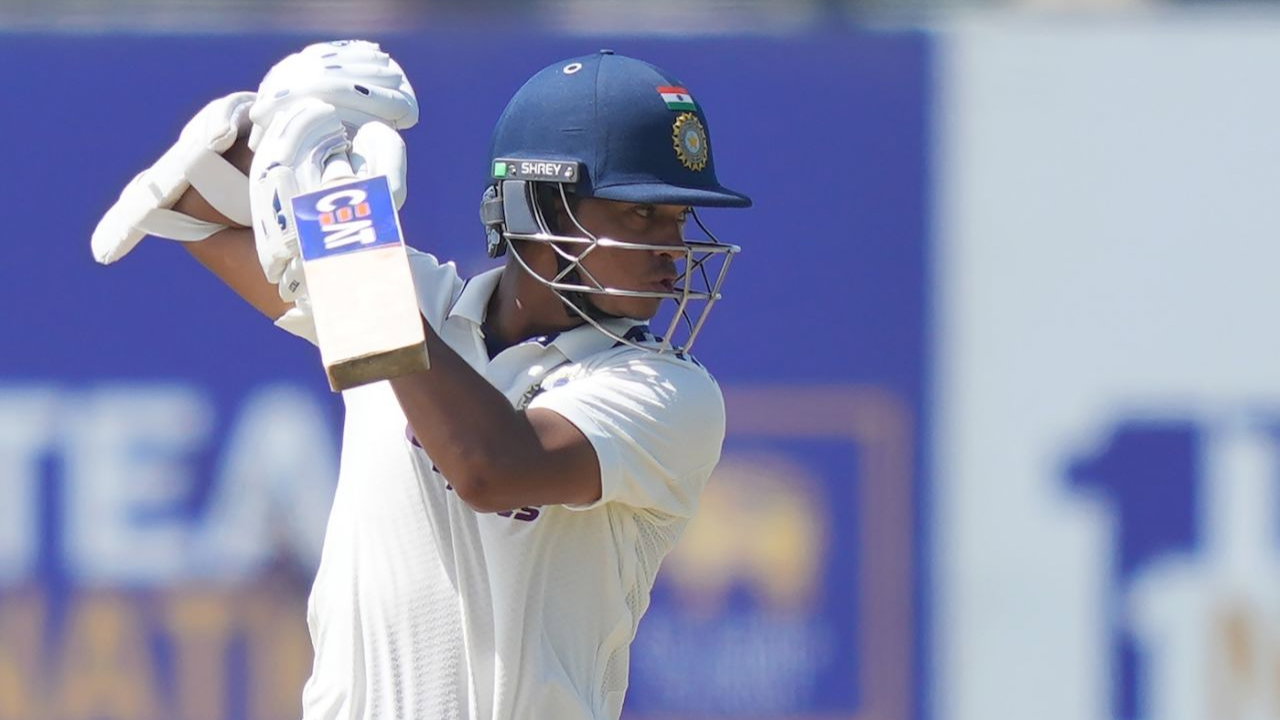
“I won’t say”: Yashasvi Jaiswal breaks silence on poor form in New Zealand after scoring 155

Virat Kohli’s message leaves Harry Kane starstruck after Ballon d’Or triumph
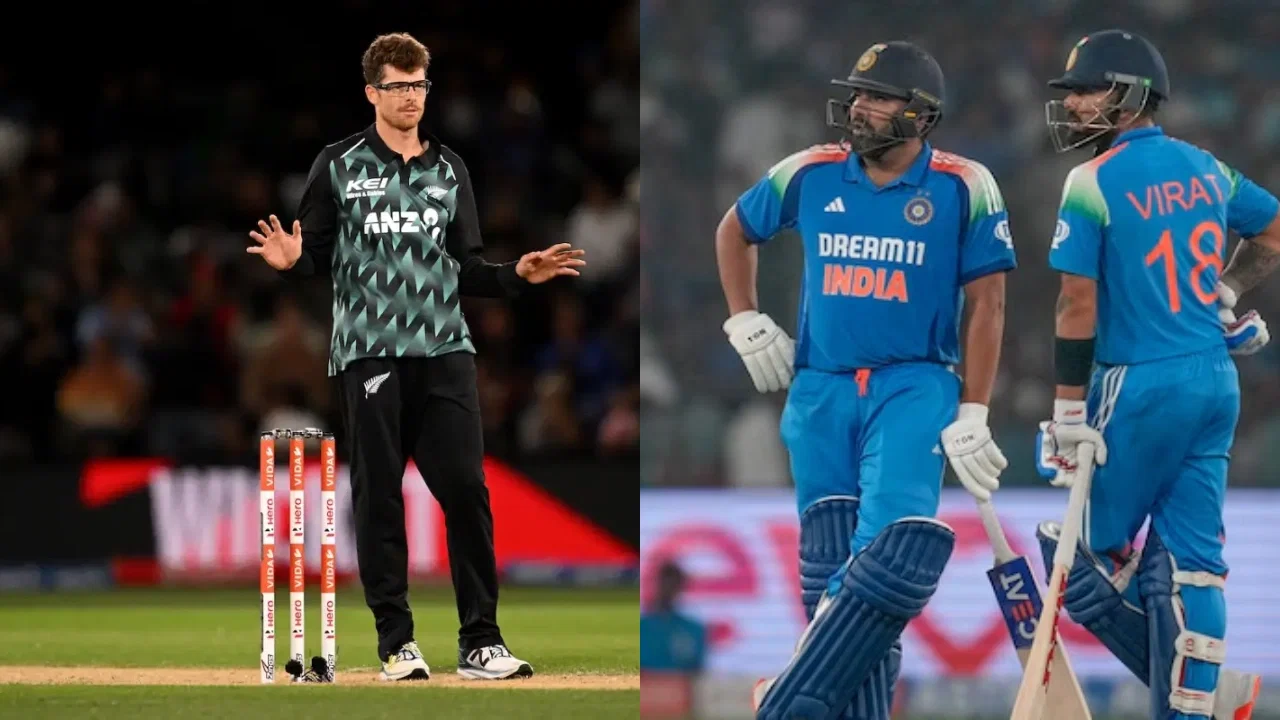
Mitchell Santner opens up on threats posed by Rohit Sharma, Virat Kohli in ODIs
Mitchell Santner opens up on threats posed by Rohit Sharma, Virat Kohli in ODIs
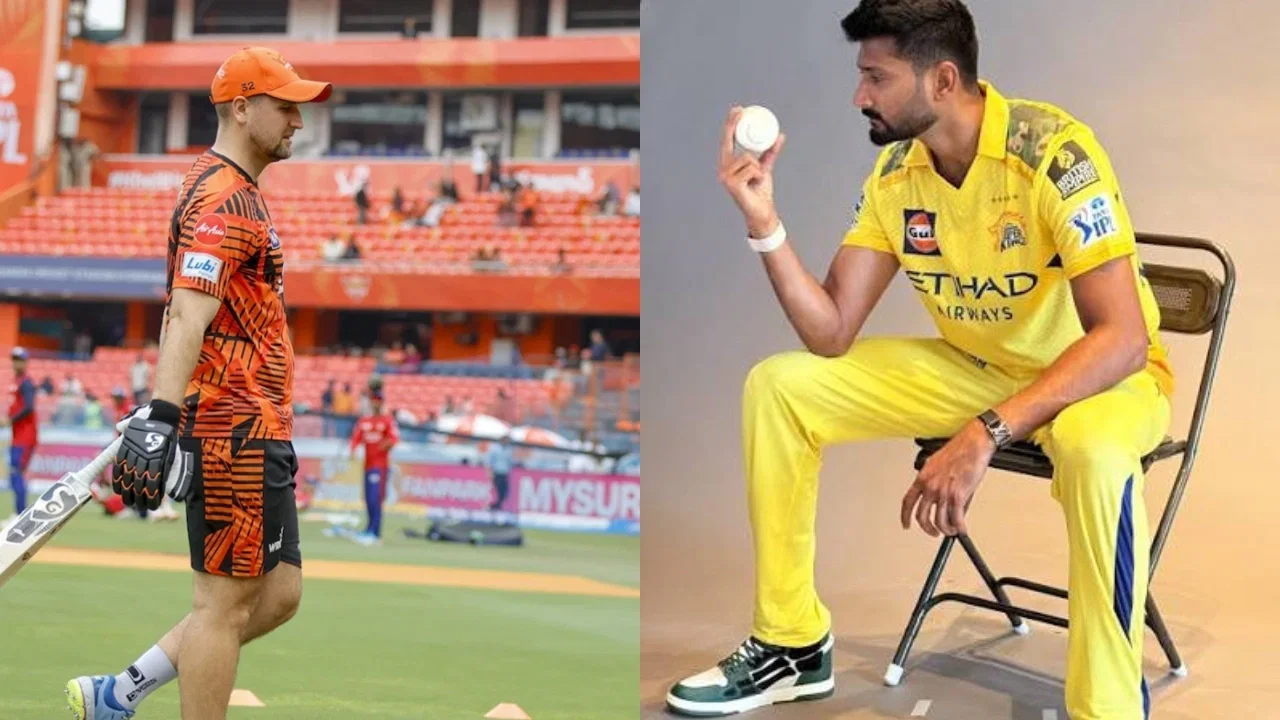
IPL 2027: CSK explore bizarre Liam Livingstone-Khaleel Ahmed swap with SRH
PCB demands $10,000 from Pakistani players for Abu Dhabi T10 2026 NOCs
Prasidh Krishna declared fit for India vs New Zealand Test series after ODI snub
Hardik Pandya’s IPL future uncertain as Mumbai Indians hold talks with multiple franchises
Suryakumar Yadav to become Mumbai Indians captain? Instagram video sparks speculation
R Ashwin leaves Kuldeep Yadav out of his India XI for 1st ODI against New Zealand
IND vs NZ Playing 11 Today, Live Streaming, Pitch & Weather: India tour of New Zealand 2026, 1st ODI
Prema Rawat creates world record with fastest-ever fifty in women’s T20 cricket
Ireland cricketer admits to substance abuse, receives ICC ban
Mohammad Amir breaks silence on IPL 2027 participation rumours, issues official statement

