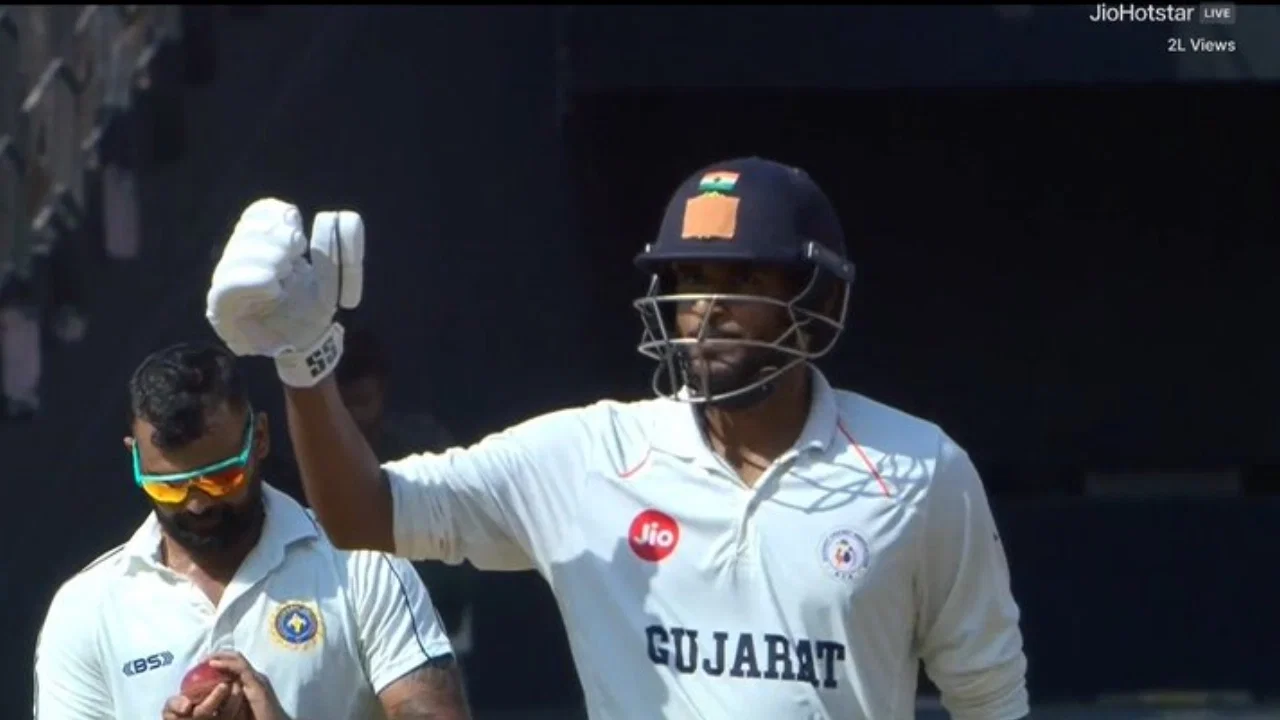
R Ashwin leaves Kuldeep Yadav out of his India XI for 1st ODI against New Zealand
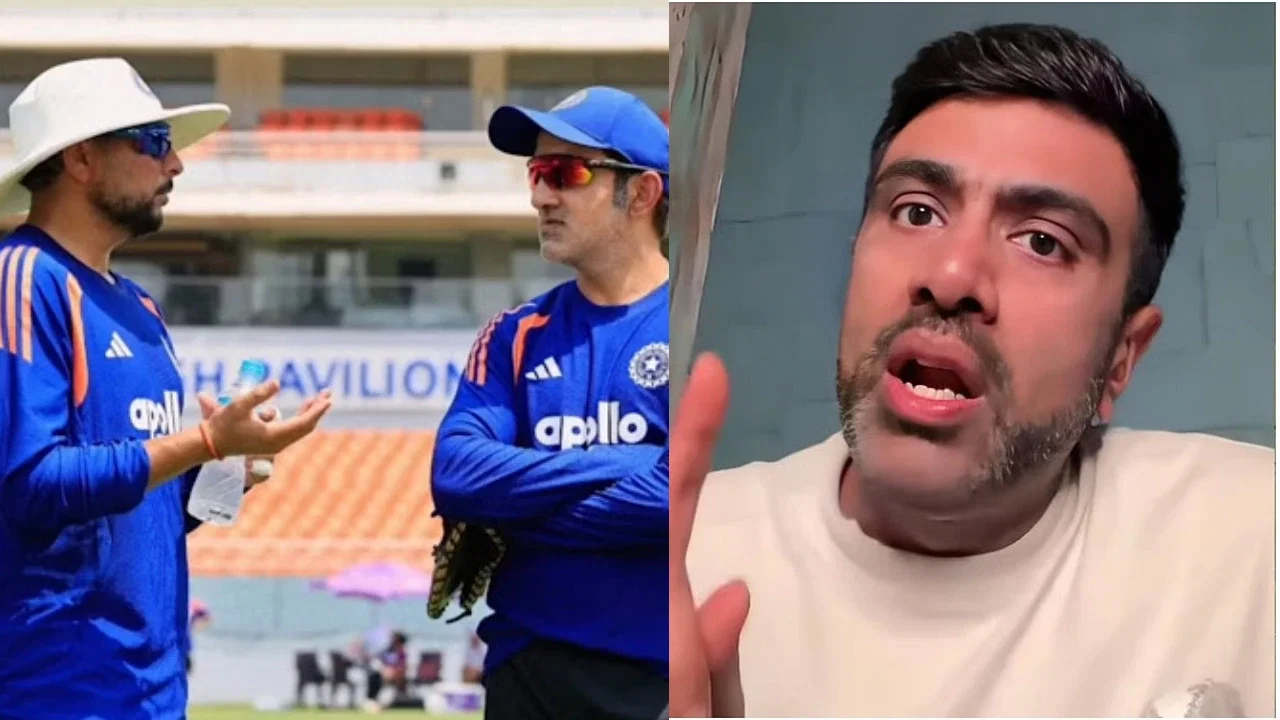
R Ashwin’s India XI prediction for New Zealand ODI raises questions over Kuldeep Yadav
Former India off-spinner R Ashwin has offered his prediction for India’s playing XI in the opening ODI against New Zealand, and his selection has put the spotlight on Kuldeep Yadav. Ashwin has backed a batting-heavy side with three all-rounders and three specialist fast bowlers, a combination that could leave the left-arm wrist-spinner out once again.
The first ODI is scheduled for Wednesday, November 4. India enter the series after winning the five-match T20I contest 3-2, but team selection remains a talking point after Kuldeep did not play in any of those matches. His absence has prompted questions about how the team plans to use one of its most experienced wicket-taking spin options across formats.
Ashwin’s predicted India playing XI
Ashwin’s proposed top order features Shubman Gill and Rohit Sharma as openers, followed by Virat Kohli, Shreyas Iyer and wicketkeeper-batter KL Rahul. He then named Naman Dhir, Nitish Kumar Reddy and Axar Patel, giving India three players who can contribute with both bat and ball.
For the pace attack, Ashwin suggested that Arshdeep Singh could take on a leading role in the absence of Jasprit Bumrah. He also mentioned Nabi and Anshul Kamboj as possible selections, while identifying Gurnoor Brar as another option. In Ashwin’s view, India could choose two from that group to complete a three-seamer combination.
“Shubman Gill, Rohit Sharma, Virat Kohli, Shreyas Iyer, KL Rahul, Naman Dhir, Nitish Kumar Reddy, Axar Patel, and then the three seamers. Maybe Arshdeep, Nabi, and Anshul,” Ashwin said on Ash ki Baat. He added that if the three all-rounders are selected, Kuldeep could miss out, with Axar providing the main spin option in the XI.
The proposal reflects a familiar selection trade-off: a deeper batting order and several bowling options on one side, versus the specialist ability of a wrist-spinner on the other. All-rounders can give a captain flexibility, particularly if the pitch offers little assistance. But leaving out a frontline spinner may also reduce the team’s capacity to take wickets through the middle overs.
Why Kuldeep’s omission is drawing attention
Kuldeep’s lack of game time in the T20I series has made Ashwin’s ODI prediction more significant. The former India spinner said he would not be surprised if the wrist-spinner were omitted again, even though he questioned the way India had managed his opportunities.
“I will not be surprised if they don’t play him. The way they are using him, it is quite crazy. If you have to take one spinner to South Africa, it has to be Kuldeep,” Ashwin said.
His comments point to a wider selection question: how can India keep a specialist bowler ready if he is not regularly included in the playing XI? A player can train and remain part of the squad, but competitive overs provide a different test of rhythm, control and confidence. For a wrist-spinner, regular exposure can be especially valuable because changes in pace, flight and angle are central to creating uncertainty for batters.
At the same time, the final decision will depend on conditions, workload and the balance India want from their attack. If the pitch is expected to favour seam bowling, the management may opt for an extra fast bowler or an all-rounder. If the surface offers turn, Kuldeep’s ability to attack would strengthen the case for including him alongside Axar Patel.
Ashwin flags India’s plan against Daryl Mitchell
Ashwin also raised concerns about India’s bowling approach against Daryl Mitchell during the T20I series. He said that 94 per cent of Mitchell’s runs came on the leg side and criticised India for repeatedly failing to change its line to limit the batter’s preferred scoring areas.
“If this was once, it’s fine. In five T20Is on the trot, India were not able to bowl wide. Let that sink in. This is international cricket. It is a big thing. I would be really concerned,” he said.
The observation is relevant beyond the T20I results. When a batter repeatedly scores in the same area, bowlers and captains need to consider whether a change of line, field placement or pace could disrupt the pattern. A plan does not guarantee a wicket, but continuing with a strategy that is producing the same outcome can allow a well-set batter to dictate the innings.
New Zealand’s ODI batters will present a different challenge, but the broader lesson remains: India will need to adapt quickly when an opponent identifies a scoring opportunity. The opening match should provide an early indication of whether the bowlers can make those adjustments under pressure.
Varun Chakravarthy’s return also needs careful handling
Ashwin discussed Varun Chakravarthy as well, noting that the mystery spinner featured in only one match during the T20I series after returning from injury. He said India should focus on helping Varun regain his best form rather than leaving him short of opportunities.
“He is coming back from injury. How will you bring him back into form? He looked up and down, but that can happen after returning from injury. We need to get him back at his best. If that is not happening, what are your other options for spin? Who is your wicket-taking spinner?” Ashwin said.
Varun’s situation adds another layer to India’s spin planning. Managing a player’s return from injury often requires balancing match readiness with caution, but limited appearances can make it difficult to judge form. India’s options include giving him a defined role, using him in suitable conditions and ensuring he has enough time in the middle to build confidence.
Selection balance will shape the opening ODI
Ashwin’s predicted XI is not an official team announcement, and India’s final combination will depend on conditions and the selectors’ assessment of each player’s role. His forecast nevertheless highlights the main decision facing the management: whether to prioritise batting depth and all-round flexibility or include a specialist wicket-taking spinner in Kuldeep.
With Bumrah unavailable, the pace attack may also need a clear leader. Arshdeep’s experience and ability to bowl in different phases could make him an important option, while the competition among Nabi, Anshul Kamboj and Gurnoor Brar could determine the remaining fast-bowling places.
For fans following the India vs New Zealand ODI series, Kuldeep’s potential selection will be one of the key storylines ahead of the first match. Ashwin’s prediction suggests the wrist-spinner could be left out, but the conditions and the team’s appetite for attacking spin may yet change the calculation. Whatever XI India choose, the opening ODI will offer an early test of their bowling plans—and of how effectively they respond when New Zealand’s batters target particular areas.
Latest News
“I won’t say”: Yashasvi Jaiswal breaks silence on poor form in New Zealand after scoring 155
Virat Kohli’s message leaves Harry Kane starstruck after Ballon d’Or triumph
Mitchell Santner opens up on threats posed by Rohit Sharma, Virat Kohli in ODIs
Mitchell Santner opens up on threats posed by Rohit Sharma, Virat Kohli in ODIs
IPL 2027: CSK explore bizarre Liam Livingstone-Khaleel Ahmed swap with SRH
PCB demands $10,000 from Pakistani players for Abu Dhabi T10 2026 NOCs
Prasidh Krishna declared fit for India vs New Zealand Test series after ODI snub
Hardik Pandya’s IPL future uncertain as Mumbai Indians hold talks with multiple franchises
Suryakumar Yadav to become Mumbai Indians captain? Instagram video sparks speculation
R Ashwin leaves Kuldeep Yadav out of his India XI for 1st ODI against New Zealand
IND vs NZ Playing 11 Today, Live Streaming, Pitch & Weather: India tour of New Zealand 2026, 1st ODI
Prema Rawat creates world record with fastest-ever fifty in women’s T20 cricket
Ireland cricketer admits to substance abuse, receives ICC ban
Mohammad Amir breaks silence on IPL 2027 participation rumours, issues official statement