ICC bans USA cricketer Bodugum Akhilesh Reddy for 8 years under Anti-Corruption Code

ICC Bans USA Cricketer Bodugum Akhilesh Reddy for 8 Years
USA cricketer Bodugum Akhilesh Reddy has been handed an eight-year ban from all forms of cricket by the International Cricket Council (ICC) Anti-Corruption Tribunal. The 26-year-old was found guilty of three different anti-corruption charges related to the 2025 Abu Dhabi T10 tournament held in the United Arab Emirates (UAE).
Charges and Tribunal Findings
The ICC, acting as the Designated Anti-Corruption Official (DACO) for the Abu Dhabi T10 League, charged Reddy on November 21, 2025. The tribunal found him guilty of attempting to influence a match, approaching a teammate to engage in corrupt activity, and obstructing the investigation by deleting data and messages from his mobile phone.
Despite denying the charges and claiming that his conversation with the teammate was regarding a training camp before the 2026 T20 World Cup, the tribunal accepted the teammate’s version. The tribunal ruled that Reddy had indeed tried to influence match outcomes and encouraged another player to participate in corrupt activities.
Backdated Ban and Consequences
As a result of the findings, Reddy’s ban has been backdated to November 21, 2025, the day he was provisionally suspended during the investigation. This means that he will be ineligible to participate in any form of cricket for the next eight years.
Reddy, who represented the USA in four T20Is and only managed to pick up one wicket, made his debut against the Cayman Islands in the North America T20 Cup. Additionally, he played just four matches in T20 cricket, where he also secured only one wicket.
ICC’s Official Statement
In an official media release, the ICC stated, “The Tribunal found Mr. Reddy guilty of three offenses under the Code, including attempting to fix matches, soliciting another player to breach the anti-corruption code, and obstructing the investigation by deleting relevant data and messages from his mobile device.”
Future Implications
Reddy’s ban serves as a reminder of the ICC’s zero-tolerance policy towards corruption in cricket. The ICC’s strict actions aim to maintain the integrity and spirit of the game, ensuring fair play and transparency among players.
As Reddy faces the consequences of his actions, the cricketing world looks towards maintaining a clean and ethical environment within the sport. The ban also highlights the importance of upholding the values of honesty and integrity in all levels of cricket, from international tournaments to local leagues.
While Reddy’s ban sends a strong message to those considering engaging in corrupt activities, it also serves as a warning to players worldwide about the severe repercussions of violating the anti-corruption code in cricket.
Impact on USA Cricket
Reddy’s ban has also raised concerns within the USA cricketing community. As a relatively new entrant into international cricket, the United States has been working to establish itself as a competitive force in the sport. Incidents of corruption involving USA players can tarnish the country’s reputation and hinder its progress in the cricketing world.
With Reddy being one of the few USA cricketers to have represented the national team at the international level, his ban sends a negative message about the integrity of players coming from the country. This could potentially affect the opportunities available to USA cricketers in terms of participating in overseas leagues, securing sponsorships, and attracting talent scouts.
Education and Prevention Measures
In light of this incident, there is a growing emphasis on educating players, especially those from emerging cricketing nations like the USA, about the dangers of corruption and the consequences of engaging in such activities. Cricket boards and governing bodies are ramping up their efforts to conduct anti-corruption workshops, training sessions, and awareness programs to ensure that players are well-informed about their responsibilities and the ethical standards expected of them.
By instilling a strong sense of integrity and ethics in players from a young age, cricketing authorities hope to create a culture of transparency and fair play that will deter individuals from succumbing to corrupt practices. These educational initiatives are vital in safeguarding the future of the sport and maintaining its credibility on a global scale.
Technological Advancements in Detecting Corruption
Technology has played a crucial role in the detection and prevention of corruption in cricket. With the rise of data analytics, artificial intelligence, and blockchain technology, cricketing bodies are better equipped to track suspicious betting patterns, monitor player behavior, and investigate potential breaches of the anti-corruption code.
By leveraging these advanced tools, the ICC and other governing bodies can swiftly identify any irregularities or red flags that may indicate corrupt activities. This proactive approach not only acts as a deterrent to potential wrongdoers but also helps in maintaining the integrity of the game by swiftly addressing any instances of misconduct.
Collaboration with Law Enforcement Agencies
Another critical aspect of combating corruption in cricket is the collaboration between cricketing authorities and law enforcement agencies. By working together, these organizations can share information, intelligence, and resources to tackle organized crime syndicates, illegal betting networks, and other entities that seek to manipulate the outcomes of matches for financial gain.
Efforts to establish robust partnerships with law enforcement agencies help in conducting thorough investigations, prosecuting offenders, and dismantling illicit operations that threaten the integrity of cricket. This joint approach sends a strong message that corrupt individuals will face legal consequences for their actions, further deterring others from engaging in similar misconduct.
Conclusion
As the cricketing landscape continues to evolve, the fight against corruption remains an ongoing battle that requires collective effort, vigilance, and commitment from all stakeholders involved in the sport. Reddy’s ban serves as a stark reminder of the repercussions of breaching the anti-corruption code and underscores the importance of upholding the values of honesty, fairness, and integrity in cricket.
By learning from such incidents, implementing stringent measures, and leveraging technological advancements, cricketing authorities can safeguard the future of the game, protect the interests of players, and maintain the trust and confidence of fans worldwide.
Latest News

Top 10 highest run-chases in T20 cricket history, ft. West Indies’ Ranchi win vs India
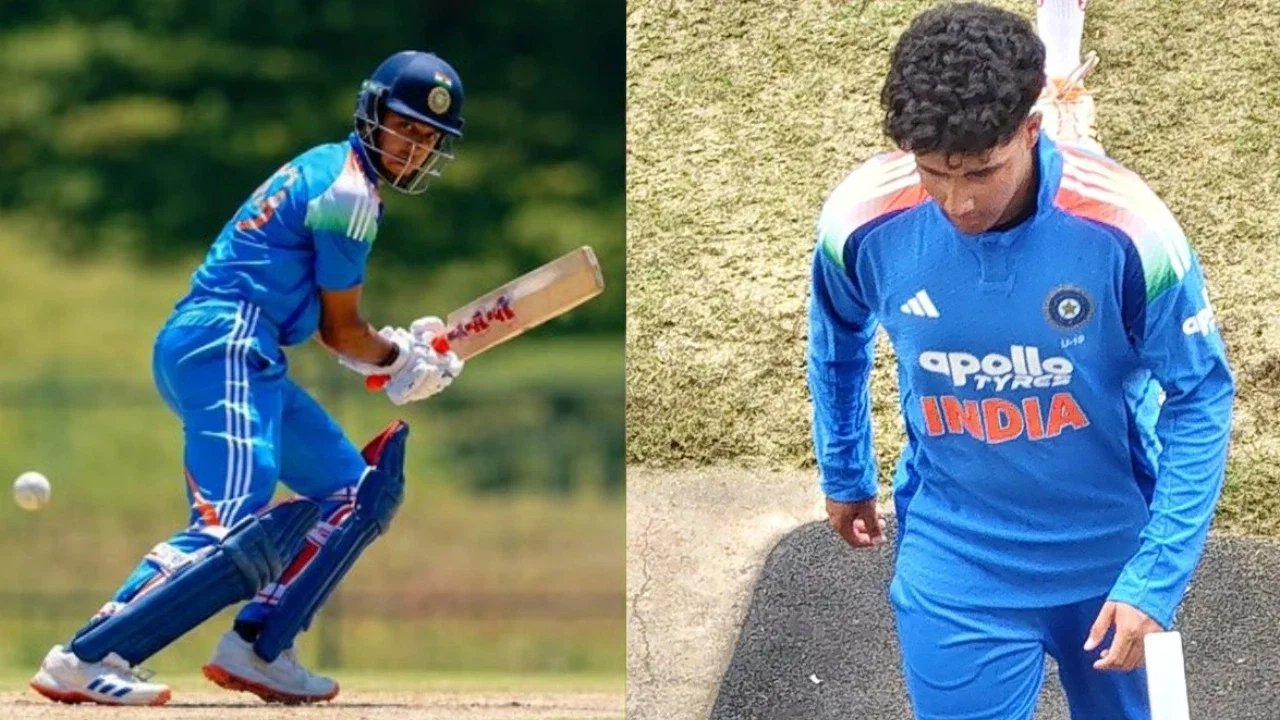
Aaryavir Sehwag and Anvay Dravid set to make headlines at U19 Asia Cup 2026
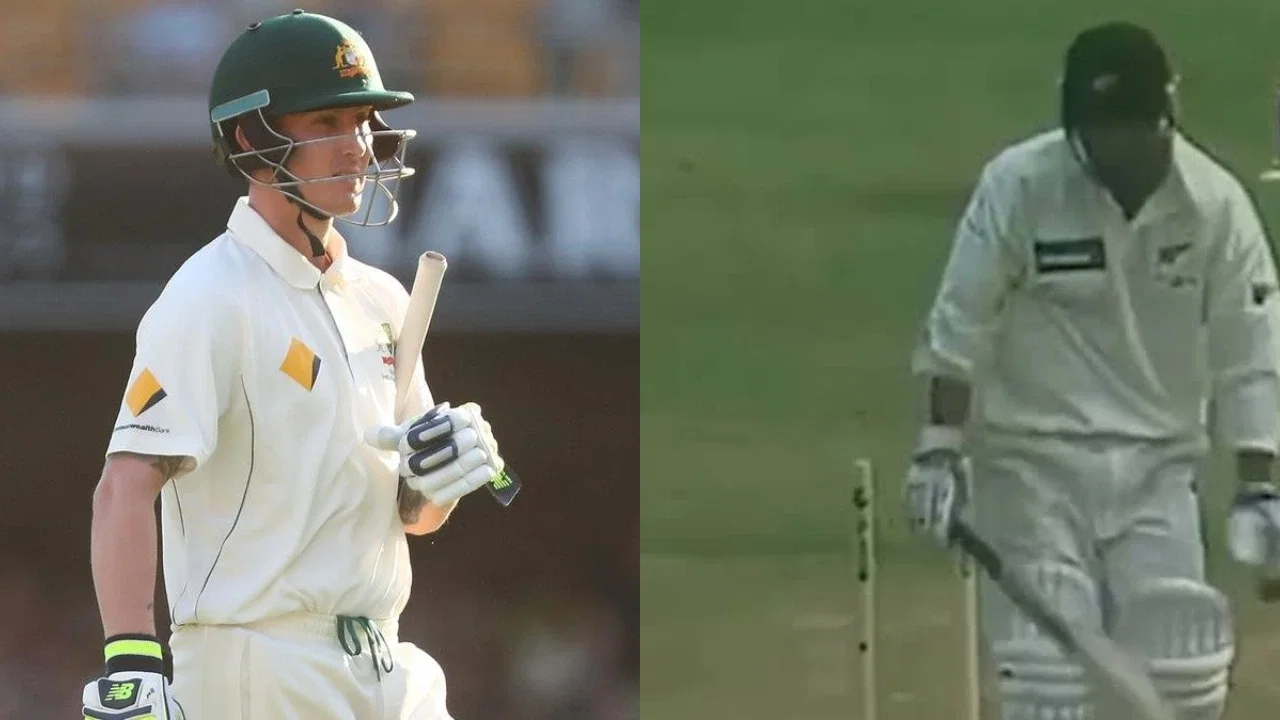
Longest ducks in Test cricket history ft. Nic Maddinson, Shoaib Akhtar

ECB to offer 39 central contracts to England players after Ben Stokes, Mark Wood’s retirement

Steve Smith surpasses Steve Waugh in all-time Test run-scorers’ list

Shane Watson identifies Gautam Gambhir’s biggest problem as India struggle for consistency

Is Bhuvneshwar Kumar in India’s 2027 World Cup plans? Ajinkya Rahane makes revelation

BCCI’s big ₹127 Crore move after injury crisis raises concerns over Team India

Parthiv Patel reveals RCB ignored his Jasprit Bumrah recommendation in IPL 2014 Auction
“Never spoke ill of any faith”: Irfan Pathan hits back at fake news using his name
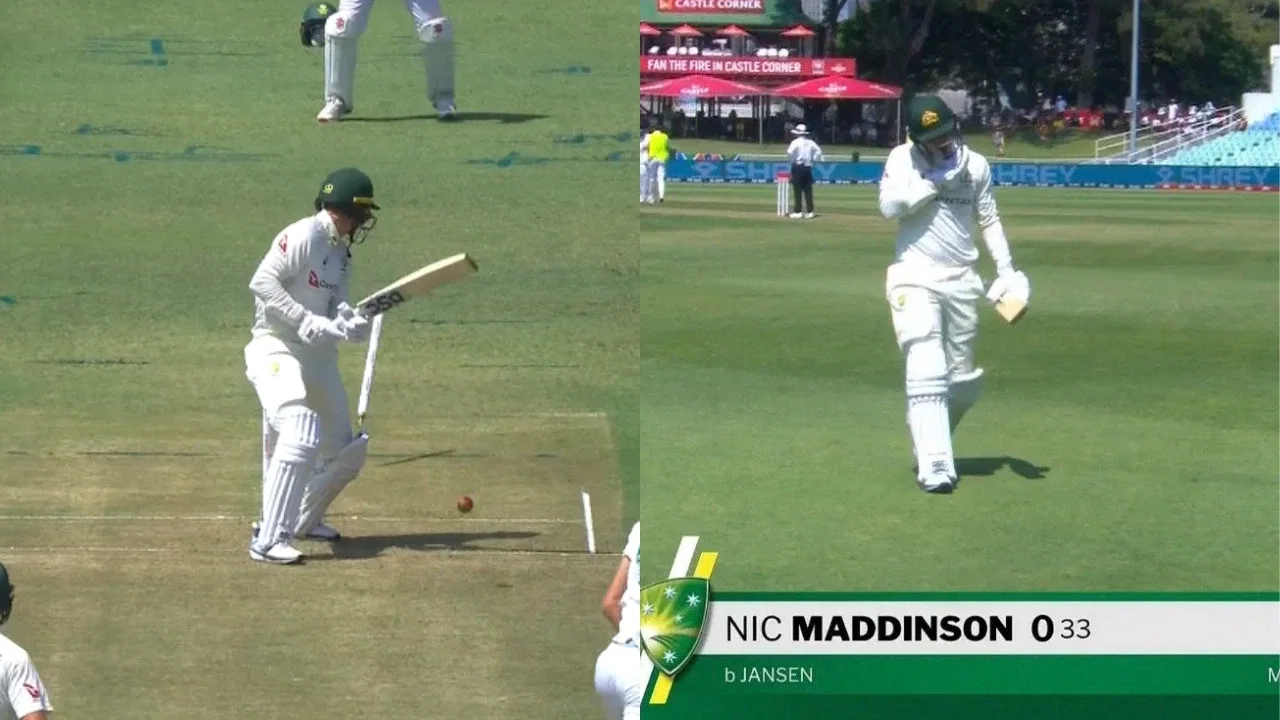
Nic Maddinson bags 33-ball duck on Test comeback, disappoints George Bailey

Imran Tahir predicts 2027 ICC ODI World Cup Semi-Finalists, snubs India for title
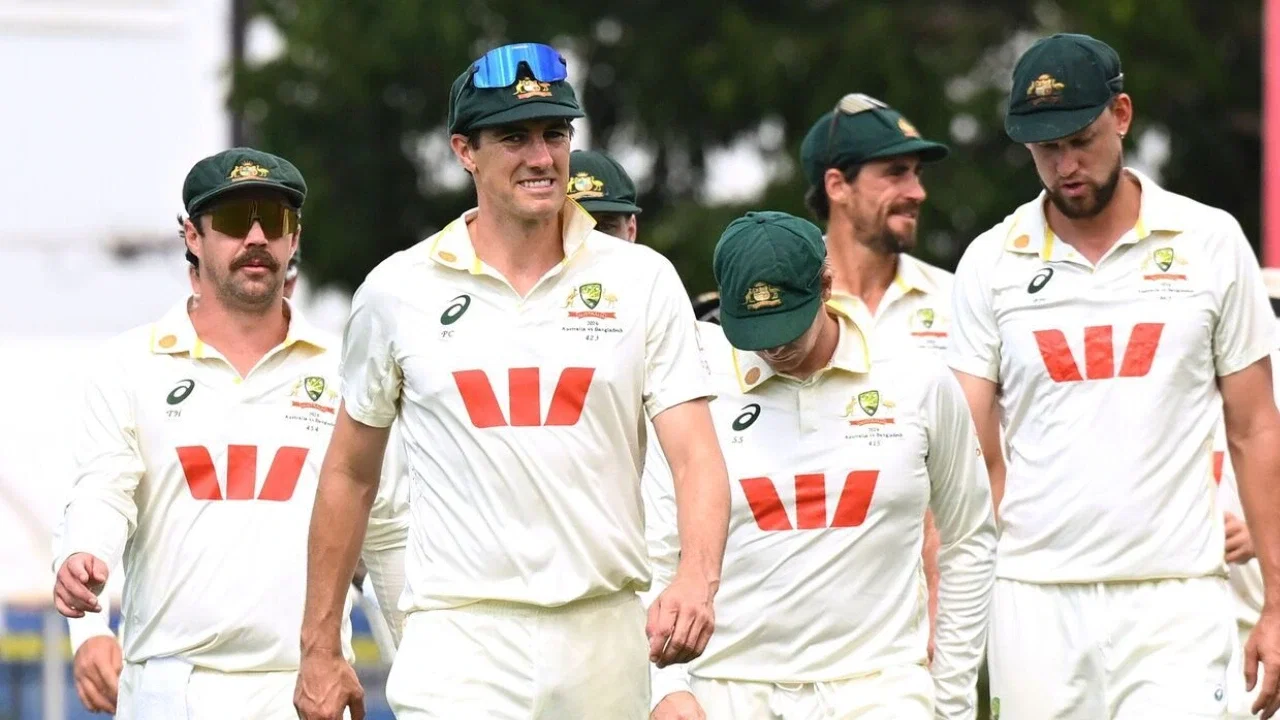
Australia create unwanted history with first all-30-plus Test XI
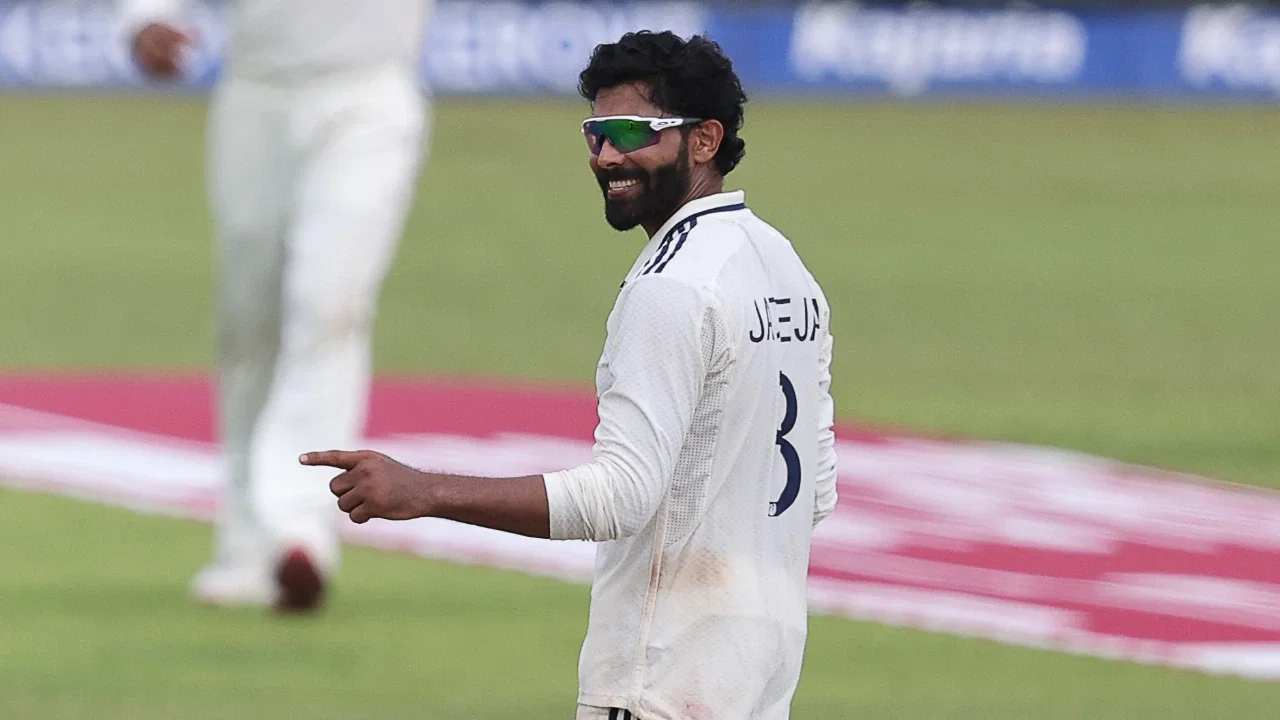
Ravindra Jadeja returns to Ranji Trophy as Saurashtra announce squad