ICC brutally punishes West Indies after 7 straight defeats to Australia
Australia Continues Dominance as West Indies Fined for Slow Over Rate
West Indies Penalized by ICC
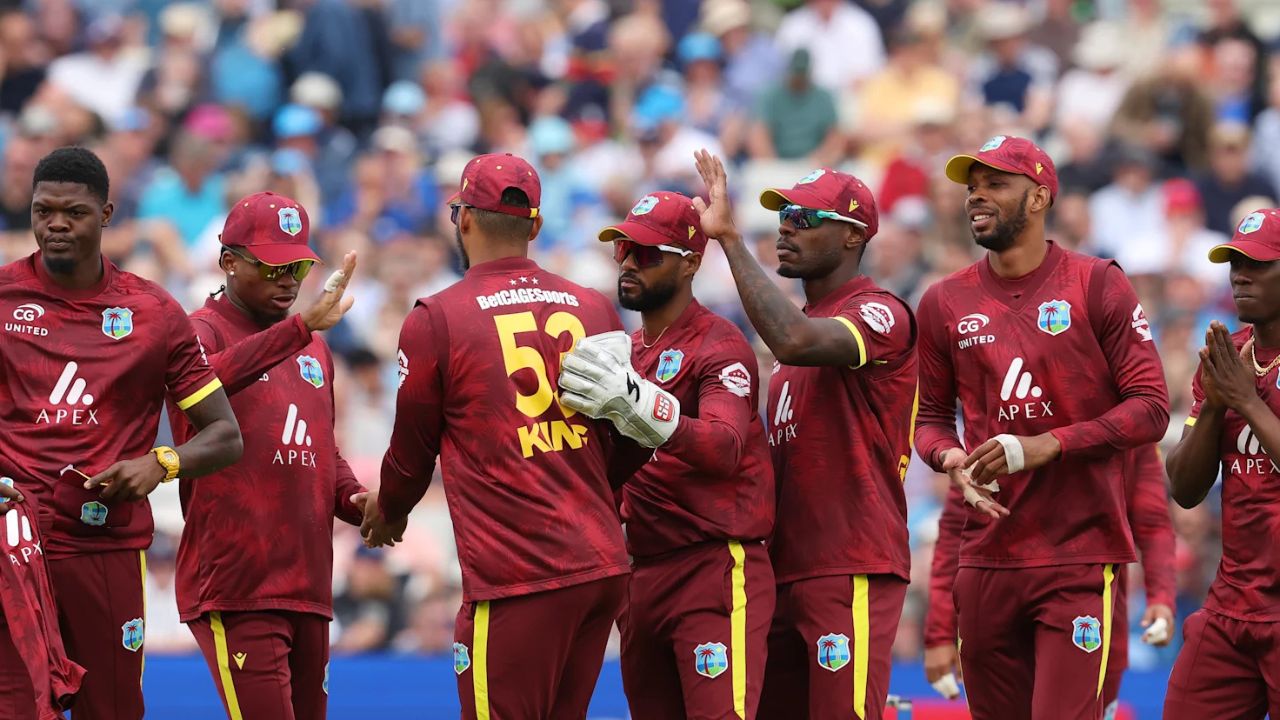
The ICC has once again imposed a fine on a team for a slow over rate, this time targeting the West Indies with a penalty of 10% of their match fees due to their performance in the fourth T20I against Australia. Despite putting up a strong fight, the West Indies have been struggling to secure victories in the ongoing series against Australia, with the Men in Yellow emerging victorious in 7 consecutive games.
According to Article 2.22 of the ICC Code of Conduct, players are fined 5% of their match fee for each over they fail to bowl within the allocated time frame. West Indies captain Shai Hope accepted the sanctions from ICC officials, avoiding the need for a formal hearing on the matter.
Cameron Green Shines for Australia
Australian all-rounder Cameron Green has made an impressive comeback, scoring three consecutive half-centuries in the recent T20 matches. Green, who returned from injury during the ICC World Test Championship Final against South Africa, has been a key player for Australia in both the Test and T20 formats.
Green’s unbeaten third fifty, achieved in just 35 balls, played a crucial role in Australia’s 4-0 lead against the West Indies. His exceptional performance has solidified his position in the team, especially as Australia looks to revamp its squad ahead of the upcoming ICC T20 World Cup 2026.
Australia’s Squad Changes
Australia has been experimenting with new names in their lineup, with Glenn Maxwell being promoted up the order alongside captain Marsh. Travis Head has been omitted from the T20 series against the West Indies, giving opportunities to emerging talents like Aaron Hardie and Cooper Connolly.
Mitchell Owen, another promising player, has impressed with his all-round skills and was included in the squad after a successful stint with the Washington Freedom in the MLC. Owen made a strong debut, scoring a half-century to kickstart his international career.
The Australian team’s focus on nurturing young talent and building a competitive squad for future tournaments has been evident in their recent performances. As they continue to dominate on the field, Australia’s strategic approach to team selection and gameplay will be crucial in maintaining their position as a powerhouse in international cricket.
Impact of Prediction Models on Cricket
With the advancement of technology and data analytics, prediction models have become increasingly prevalent in cricket. These models use historical data, player statistics, and various other factors to predict outcomes of matches, player performances, and even individual ball deliveries. They provide valuable insights to teams, fans, and analysts alike, helping them make informed decisions and understand the nuances of the game better.
By analyzing past performances, player form, pitch conditions, weather forecasts, and other variables, prediction models can offer probabilities and outcomes that assist in strategic planning and decision-making. Teams use these insights to optimize their playing XI, devise game plans, and assess their opponents’ strengths and weaknesses.
Key Role of Data Science in Cricket
Data science plays a crucial role in the development and implementation of prediction models in cricket. By leveraging machine learning algorithms, statistical analysis, and data visualization techniques, data scientists can extract meaningful patterns and trends from vast amounts of cricketing data. These insights help in generating accurate predictions and aiding in tactical decisions on the field.
Furthermore, data science has revolutionized player performance analysis, injury prevention, and training regimes in cricket. By monitoring player workload, biomechanics, and fitness levels, teams can optimize their training schedules and reduce the risk of injuries. Data-driven insights also assist coaches in identifying areas for improvement and tailoring individualized training programs for players.
The Future of Predictive Analytics in Cricket
As cricket evolves with technological advancements, the integration of predictive analytics will continue to shape the game’s landscape. Teams will rely more on data-driven strategies to gain a competitive edge and enhance their performance on the field. Coaches and analysts will use sophisticated prediction models to fine-tune their game plans, optimize player selection, and adapt to changing match scenarios.
Moreover, the proliferation of wearable technology, IoT devices, and real-time data tracking systems will further enhance the accuracy and speed of predictive analytics in cricket. Players can receive instant feedback on their performance, monitor their health metrics, and make data-driven decisions during matches. This real-time data integration will revolutionize the way teams prepare and execute their game strategies.
Conclusion
As Australia continues its dominance in international cricket, the use of prediction models, data science, and advanced analytics will play a significant role in shaping the future of the sport. By embracing technology and leveraging data-driven insights, teams can unlock new opportunities for success, improve player performance, and enhance the overall cricketing experience for fans worldwide.
With a strategic focus on talent development, squad optimization, and tactical innovation, Australia exemplifies the importance of adopting cutting-edge technologies in cricket. As the cricketing landscape evolves, the synergy between traditional expertise and modern analytics will pave the way for a more competitive and dynamic sport for years to come.
Latest News
Top 10 highest run-chases in T20 cricket history, ft. West Indies’ Ranchi win vs India
Aaryavir Sehwag and Anvay Dravid set to make headlines at U19 Asia Cup 2026
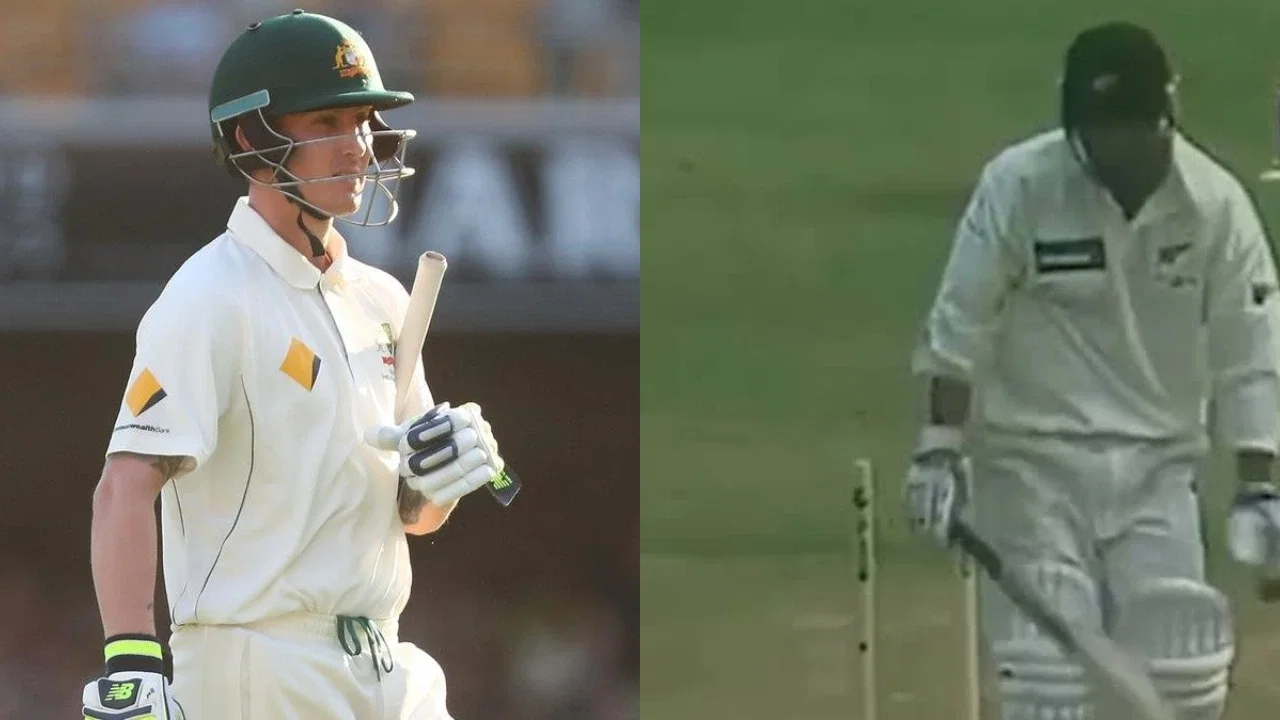
Longest ducks in Test cricket history ft. Nic Maddinson, Shoaib Akhtar
ECB to offer 39 central contracts to England players after Ben Stokes, Mark Wood’s retirement
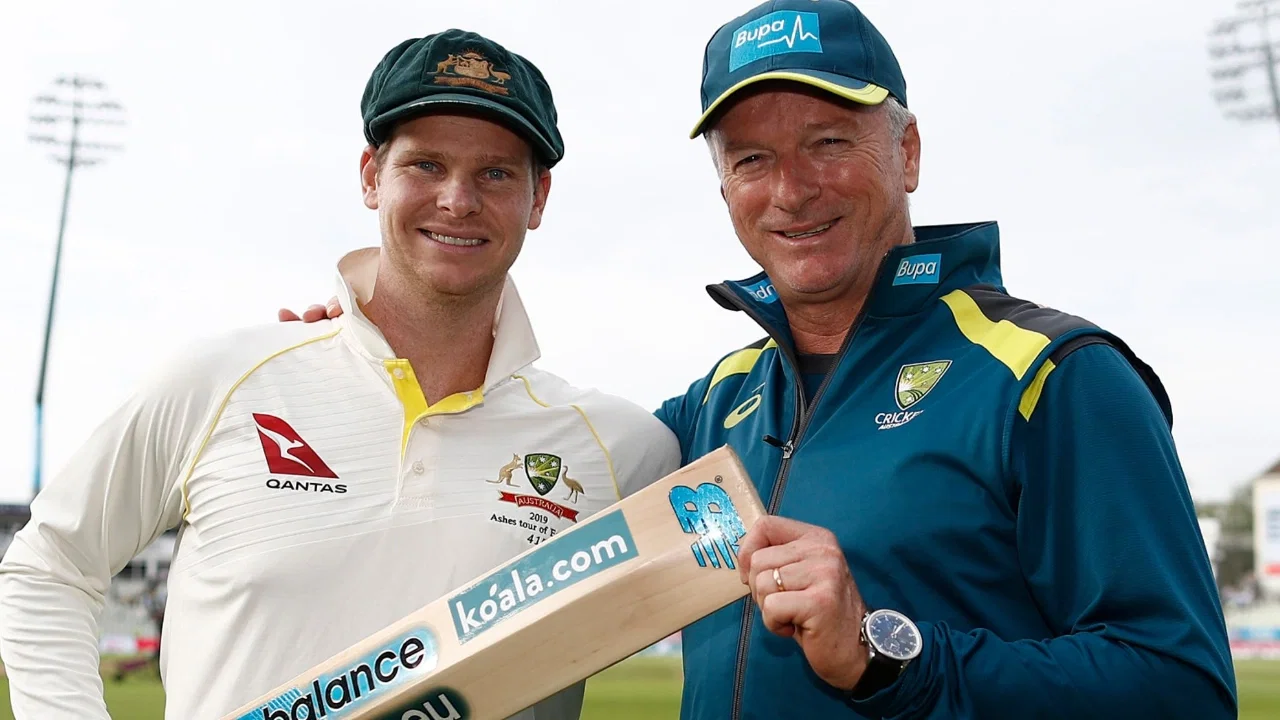
Steve Smith surpasses Steve Waugh in all-time Test run-scorers’ list

Shane Watson identifies Gautam Gambhir’s biggest problem as India struggle for consistency

Is Bhuvneshwar Kumar in India’s 2027 World Cup plans? Ajinkya Rahane makes revelation

BCCI’s big ₹127 Crore move after injury crisis raises concerns over Team India

Parthiv Patel reveals RCB ignored his Jasprit Bumrah recommendation in IPL 2014 Auction

“Never spoke ill of any faith”: Irfan Pathan hits back at fake news using his name
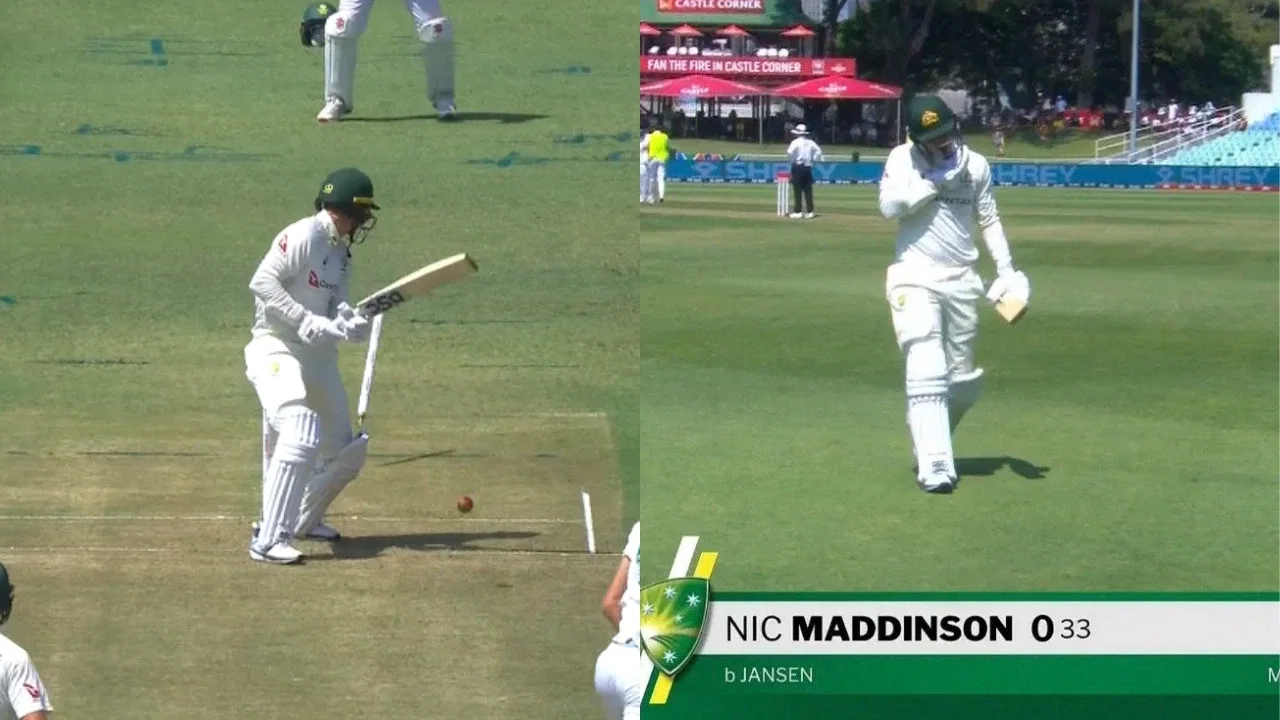
Nic Maddinson bags 33-ball duck on Test comeback, disappoints George Bailey

Imran Tahir predicts 2027 ICC ODI World Cup Semi-Finalists, snubs India for title
Australia create unwanted history with first all-30-plus Test XI
Ravindra Jadeja returns to Ranji Trophy as Saurashtra announce squad