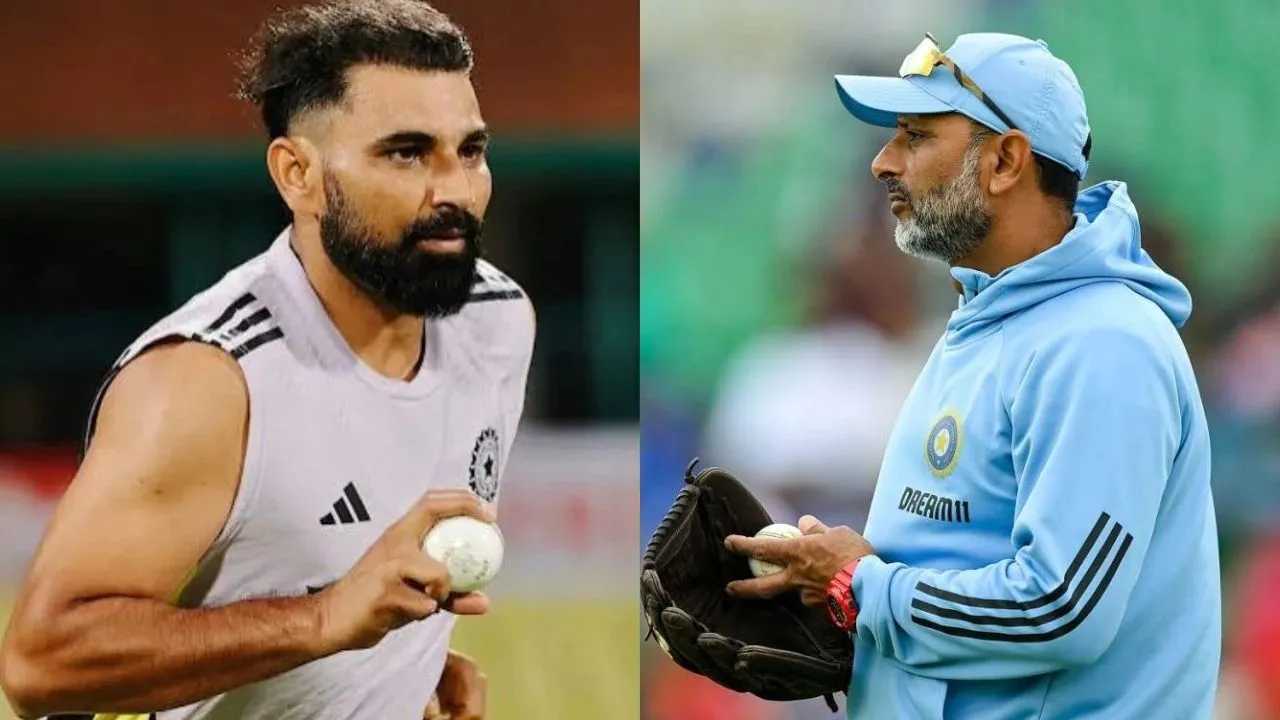
ICC fines Pakistan bowlers for Code of Conduct breach during West Indies Test
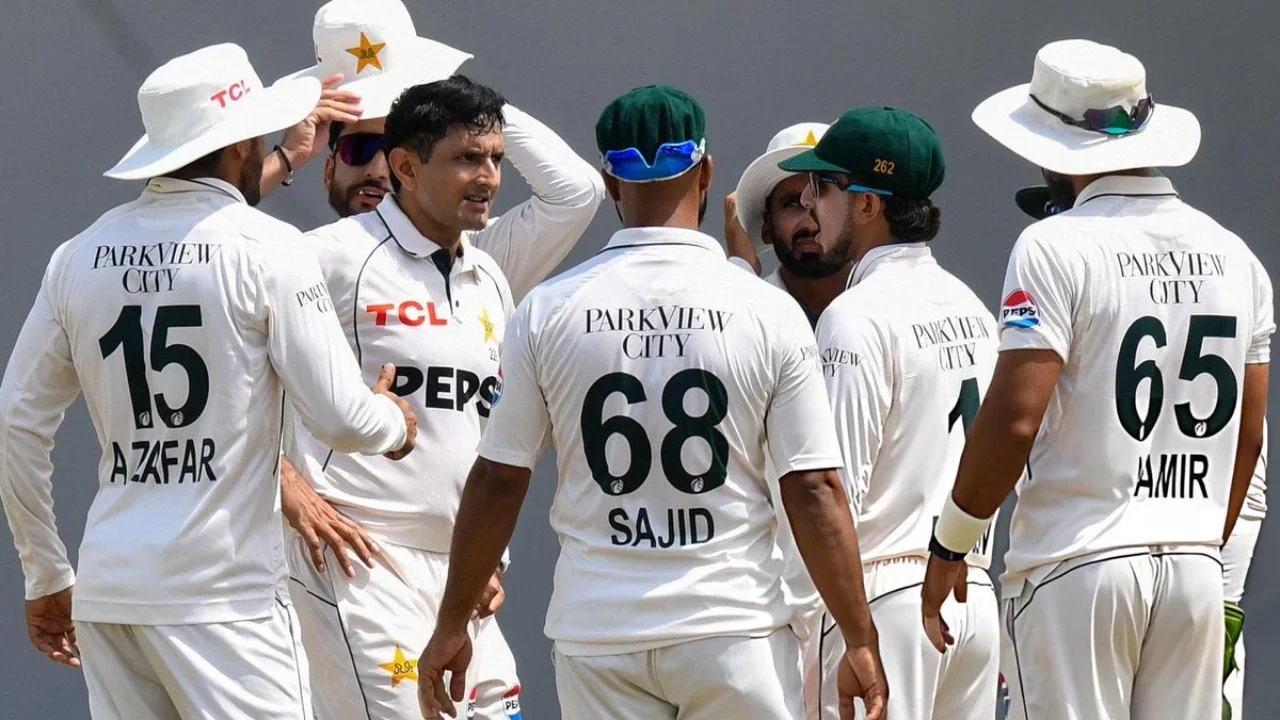
Pakistan National Cricket Team Faces Disciplinary Action from ICC During Test Series Against West Indies
The Pakistan National Cricket Team’s performance in the ongoing two-match Test series against the West Indies took a turn for the worse as the International Cricket Council (ICC) recently took disciplinary action against two of their players, Mohammad Abbas and Khurram Shahzad.
Disciplinary Action by ICC
Following a disappointing 90-run defeat in the first Test match, Pakistani fast bowlers Abbas and Khurram found themselves in trouble for their behavior during the game. The ICC fined Mohammad Abbas and Khurram Shahzad for breaching Level 1 of the ICC Code of Conduct during the first ICC World Test Championship (WTC) Test match against the West Indies. In addition to the fine, both players were also given one demerit point each.
The ICC stated, “Khurram was fined 15 percent of his match fee, and Abbas was handed an official reprimand for breaching Article 2.5 of the ICC Code of Conduct for Players and Player Support Personnel.” This article specifically relates to using language, actions, or gestures that could disparage or provoke an aggressive reaction from a batter upon their dismissal during an international match.
Reasons for Punishment
Khurram Shahzad and Mohammad Abbas faced disciplinary action due to the way they celebrated their wickets during the first Test against the West Indies. Khurram was found guilty of making an inappropriate gesture after dismissing West Indies batter Shai Hope. The fast bowler’s aggressive celebration dangerously close to Hope could have incited a reaction from the Windies’ player.
Similarly, Abbas celebrated Jomel Warrican’s wicket in an animated fashion, which also resulted in criticism from the ICC. His aggressive behavior towards Warrican after taking the final wicket of the innings breached the Code of Conduct.
Consequences of Disciplinary Actions
In cases of Level 1 offenses, players may receive an official warning, a fine of up to 50% of their match fee, and one or two demerit points on their disciplinary record. Accumulating four or more demerit points within two years can lead to suspension points, potentially resulting in a ban from playing matches.
Both Khurram and Abbas accepted their offenses and the imposed punishments without the need for a formal hearing. The charges were filed by the on-field umpires and the third umpire during the match.
As the Pakistan National Cricket Team prepares for the second Test against the West Indies, the disciplinary actions taken by the ICC serve as a reminder for players to adhere to the Code of Conduct and maintain sportsmanship on the field.
Amidst these developments, the team’s focus shifts to upcoming matches and the need for improved performances to secure victory in the Test series.
Impact on Team Dynamics
The disciplinary actions taken by the ICC against Mohammad Abbas and Khurram Shahzad can have a significant impact on the overall team dynamics of the Pakistan National Cricket Team. Such incidents can lead to tension within the squad, affecting player morale and team cohesion. It is essential for the team management to address these issues promptly to ensure that the players remain focused and united during the remainder of the series.
Lesson on Sportsmanship
These incidents serve as a valuable lesson for players at all levels of cricket on the importance of sportsmanship and respectful behavior on the field. Celebrating wickets is a natural part of the game, but it is crucial for players to do so in a manner that upholds the spirit of cricket and does not cross the line into unsportsmanlike conduct. By adhering to the ICC Code of Conduct, players can set a positive example for fans and aspiring cricketers around the world.
Media Scrutiny and Public Perception
Disciplinary actions taken against players often result in increased media scrutiny and public attention. The behavior of athletes on and off the field is closely monitored by fans, journalists, and cricket authorities. The actions of Mohammad Abbas and Khurram Shahzad during the Test match against the West Indies have drawn criticism and raised questions about the conduct of the Pakistan National Cricket Team. It is essential for players to be mindful of their actions and the impact they can have on the team’s reputation.
Importance of Self-Reflection
Following the disciplinary actions by the ICC, it is crucial for Mohammad Abbas and Khurram Shahzad to engage in self-reflection and introspection. Understanding the consequences of their behavior and the impact it has on the team and the sport can help them mature as players and individuals. By learning from their mistakes and demonstrating improved conduct in future matches, Abbas and Khurram can redeem themselves and regain the trust of fans and cricket authorities.
Looking Ahead
As the Pakistan National Cricket Team looks ahead to the second Test against the West Indies, the focus shifts to on-field performances and the opportunity to bounce back from the recent disciplinary setbacks. The players must channel their energy and emotions positively, using the lessons learned from the past to fuel their determination for success. By displaying professionalism, sportsmanship, and unity on the field, the team can work together towards achieving victory in the Test series and silencing any lingering doubts or criticisms.
In conclusion, while disciplinary actions can be challenging for players and teams to navigate, they also present valuable opportunities for growth, learning, and improvement. By addressing the issues at hand and maintaining a commitment to upholding the spirit of cricket, the Pakistan National Cricket Team can emerge stronger from this experience and continue to strive for excellence in the sport.
Latest News
Top 10 highest run-chases in T20 cricket history, ft. West Indies’ Ranchi win vs India
Aaryavir Sehwag and Anvay Dravid set to make headlines at U19 Asia Cup 2026

Longest ducks in Test cricket history ft. Nic Maddinson, Shoaib Akhtar

ECB to offer 39 central contracts to England players after Ben Stokes, Mark Wood’s retirement
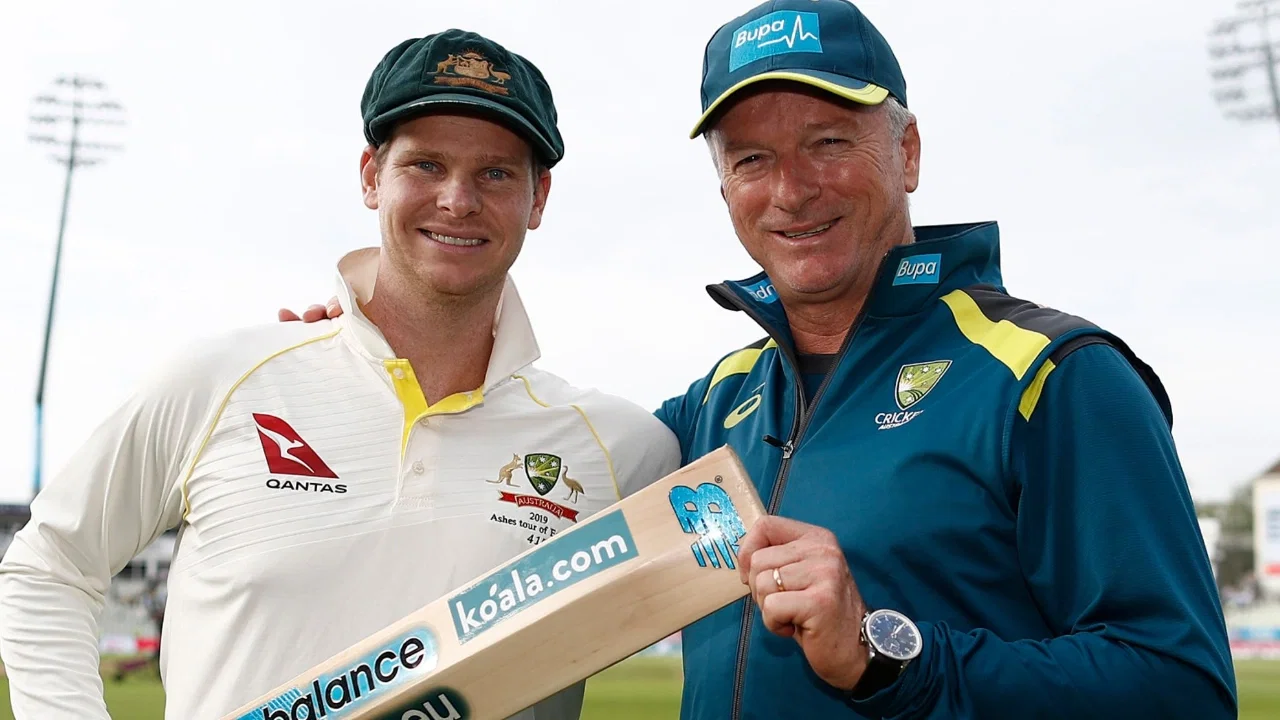
Steve Smith surpasses Steve Waugh in all-time Test run-scorers’ list

Shane Watson identifies Gautam Gambhir’s biggest problem as India struggle for consistency

Is Bhuvneshwar Kumar in India’s 2027 World Cup plans? Ajinkya Rahane makes revelation

BCCI’s big ₹127 Crore move after injury crisis raises concerns over Team India

Parthiv Patel reveals RCB ignored his Jasprit Bumrah recommendation in IPL 2014 Auction

“Never spoke ill of any faith”: Irfan Pathan hits back at fake news using his name
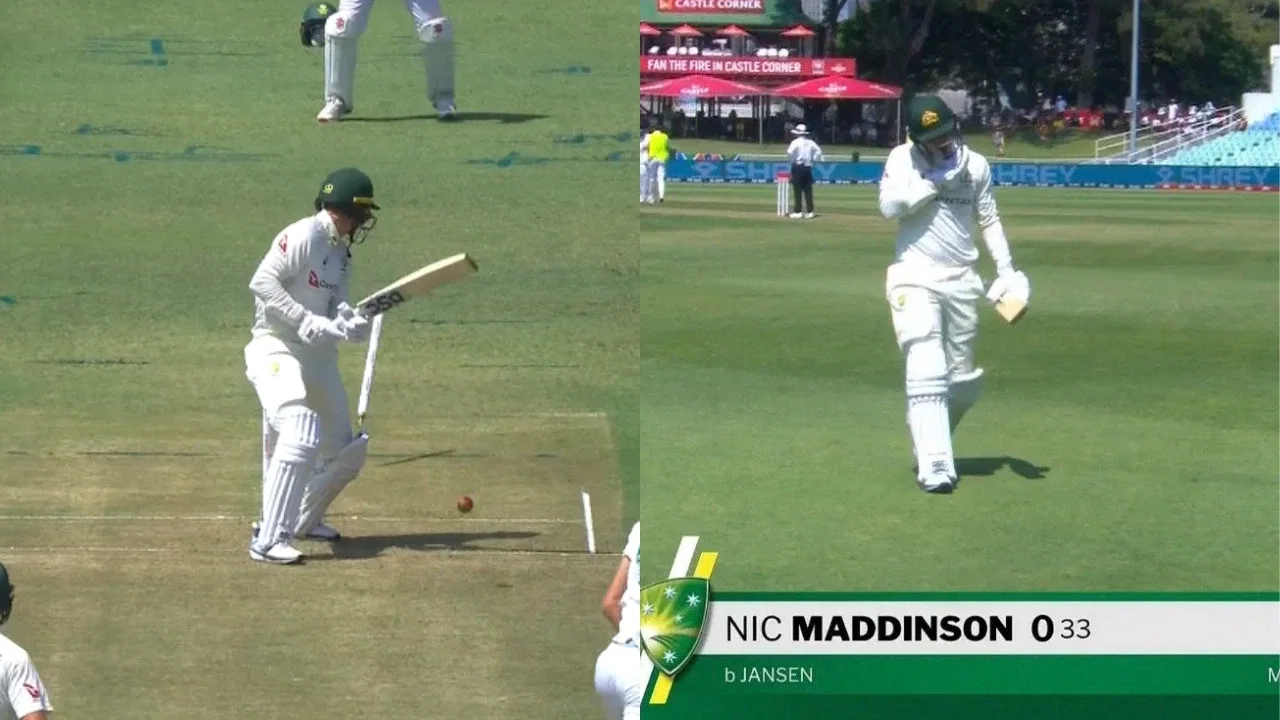
Nic Maddinson bags 33-ball duck on Test comeback, disappoints George Bailey

Imran Tahir predicts 2027 ICC ODI World Cup Semi-Finalists, snubs India for title
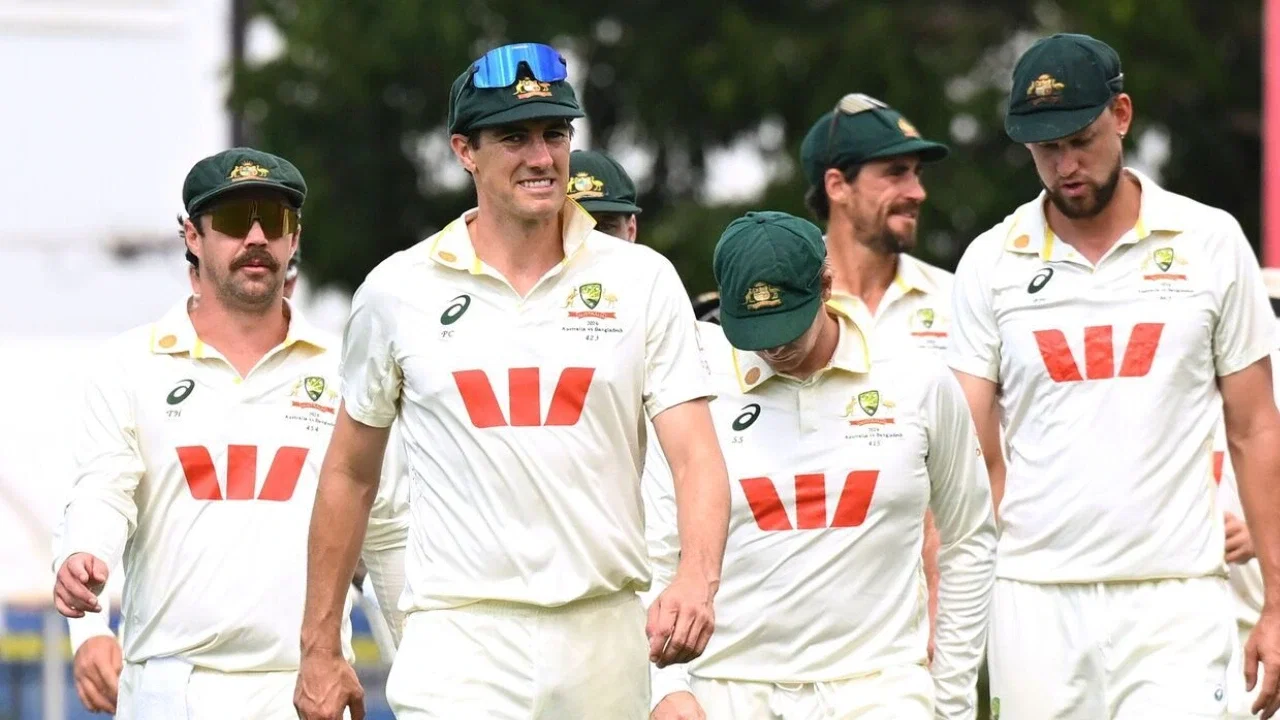
Australia create unwanted history with first all-30-plus Test XI
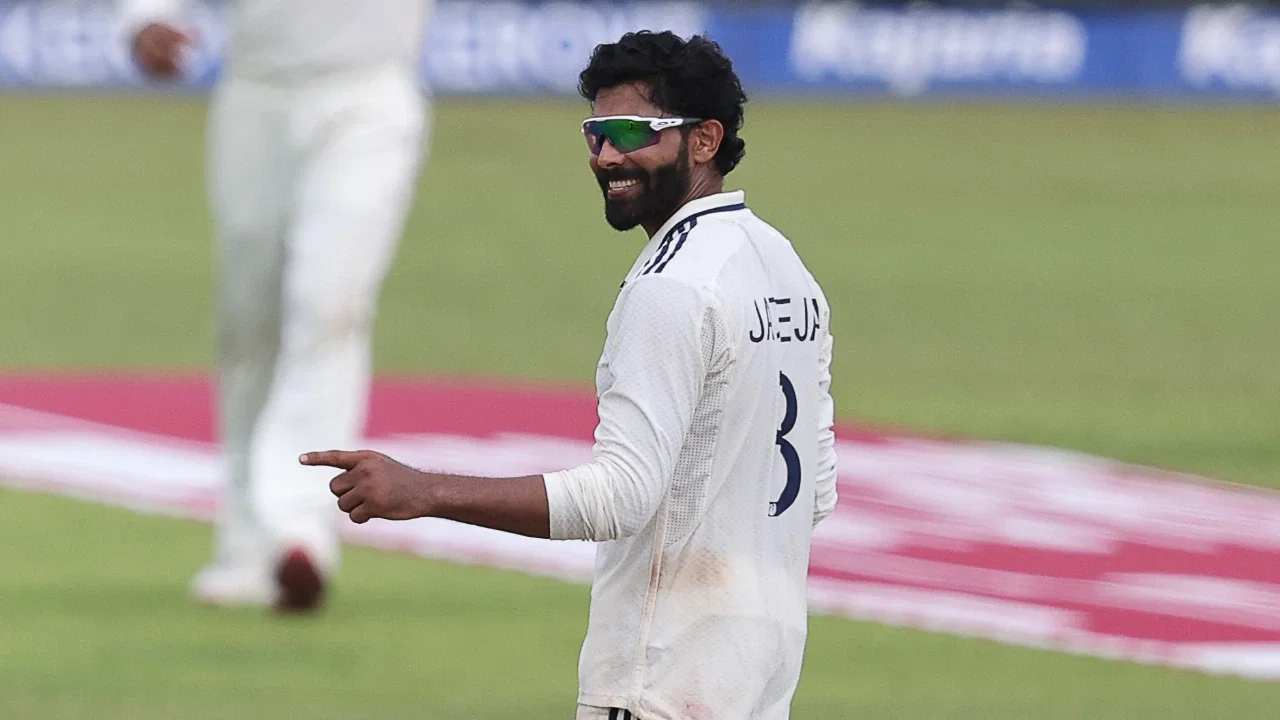
Ravindra Jadeja returns to Ranji Trophy as Saurashtra announce squad