ICC plans stricter franchise cricket rules amid growing match-fixing and betting concerns: Report
ICC Plans Stricter Rules to Tackle Corruption in Franchise Cricket
The International Cricket Council (ICC) is currently in discussions to implement tougher regulations aimed at combating betting and match-fixing in franchise cricket. This initiative comes as a response to growing concerns surrounding corruption in the sport, particularly within newly established T20 leagues.
Increasing Anti-Corruption Measures
During the ICC’s Annual General Meeting in Edinburgh, Scotland, reports have emerged highlighting the governing body’s intention to enhance its anti-corruption systems across various domestic leagues. The ICC is particularly focused on strengthening measures to safeguard the integrity of the game and reduce the risks of corruption. As per a report by BBC Sport, the ICC’s integrity unit has identified a rise in corrupt groups targeting players and leagues in different countries. To address these issues, the ICC is contemplating the formation of a working group dedicated to improving the regulation of franchise cricket and intensifying anti-corruption efforts.
The report states, “In documentation seen by BBC Sport, the ICC’s integrity unit have reported there is ‘growing evidence’ that corrupters were ‘infiltrating leagues and players across a number of different member territories’.” The governing body is looking to harmonize franchise cricket within the international calendar and explore more effective ways to combat corruption in the sport.
Stricter Approval Process for New T20 Leagues
Additionally, the ICC is considering revising the approval process for new domestic franchise leagues to make it more stringent. Concerns have been raised about the current regulations, which some officials believe make it too easy for non-full member nations to launch competitions, potentially opening doors for illegal activities like betting and match-fixing. The ICC is contemplating imposing stricter requirements before giving the green light to future tournaments.
Furthermore, the governing body plans to establish a specialized group to align franchise leagues with the international calendar, ensuring better oversight and stronger anti-corruption measures across domestic cricket.
Cricket Canada Suspension and ICC’s Concerns
The recent suspension of Cricket Canada by the ICC due to serious breaches of membership obligations sheds light on the ongoing concerns surrounding match manipulation in the sport. While the specifics were not disclosed in the ICC’s public statement, reports suggest that match manipulation played a significant role in the decision.
Notably, Cricket USA faced a similar suspension last year, and countries like France and Italy are currently under investigation for governance issues. Despite the suspension, Canada’s national teams will continue to participate in ICC events, with funding provided through a controlled system for approved national team programs. A Normalization Committee will monitor Cricket Canada’s progress towards meeting reinstatement conditions.
On a positive note, Mauritius is poised to become a new ICC member after meeting all necessary criteria, while other countries like Colombia, Poland, Latvia, Burundi, and Burkina Faso did not meet membership requirements.
Finally, discussions are underway between the Board of Control for Cricket in India (BCCI) and Cricket Australia regarding the possibility of hosting IPL matches in Australia, marking a potential landmark development for the league.
Stay tuned for further updates as the ICC continues to work towards strengthening the integrity and security of franchise cricket.
Impact of Corruption on Franchise Cricket
Corruption in cricket has long been a concern for the sport’s governing bodies and fans alike. The infiltration of illegal betting and match-fixing not only tarnishes the integrity of the game but also erodes the trust that fans have in their favorite players and teams. With the rise of franchise cricket and the lucrative opportunities it presents, the risks of corruption have escalated, making it imperative for organizations like the ICC to implement stricter measures to combat these issues.
Match-fixing scandals in various T20 leagues have had far-reaching consequences, leading to suspensions, bans, and a loss of credibility for teams and players involved. The negative publicity resulting from such incidents not only affects the reputation of the leagues but also impacts the overall perception of cricket as a fair and transparent sport. By cracking down on corruption and enforcing stringent regulations, the ICC aims to safeguard the future of franchise cricket and uphold the values of honesty and fairness within the game.
The Role of Technology in Preventing Corruption
In addition to regulatory changes, the use of technology has become increasingly important in detecting and preventing corruption in cricket. Advanced data analytics and monitoring systems can help identify suspicious betting patterns, unusual player behavior, and other red flags that may indicate potential corruption. By leveraging technology to track and analyze match data in real-time, governing bodies can stay ahead of corrupt practices and take proactive measures to maintain the integrity of the sport.
Furthermore, the introduction of blockchain technology in cricket could revolutionize the way match data is recorded and stored, creating a secure and tamper-proof system that ensures transparency and accountability. By implementing blockchain-based solutions for match results, player statistics, and betting information, cricket authorities can establish a trusted framework that minimizes the risks of manipulation and fraud.
Educating Players and Officials
Another crucial aspect of combating corruption in cricket is educating players, coaches, and officials about the dangers of illegal activities and the consequences of engaging in unethical behaviors. Training programs on anti-corruption protocols, code of conduct, and reporting mechanisms can empower individuals within the cricket ecosystem to recognize and report suspicious activities, fostering a culture of integrity and accountability.
By raising awareness about the impact of corruption on the sport and instilling a sense of responsibility among stakeholders, cricket organizations can create a united front against illicit practices and uphold the values of fair play and sportsmanship.
Global Collaboration in Fighting Corruption
Given the transnational nature of corruption in cricket, collaboration between different cricket boards, law enforcement agencies, and international organizations is essential to effectively tackle the issue. Sharing intelligence, best practices, and resources can strengthen the collective efforts to combat corruption and protect the integrity of the sport on a global scale.
Through joint initiatives, cross-border investigations, and coordinated enforcement actions, cricket authorities can send a strong message that corruption will not be tolerated and that those involved will face severe consequences. By working together towards a corruption-free future for cricket, stakeholders can rebuild trust, restore confidence, and ensure the sustainability of franchise leagues for generations to come.
As the ICC continues its endeavors to enhance anti-corruption measures and uphold the integrity of franchise cricket, the collective commitment of the cricket community to fight corruption will be pivotal in safeguarding the future of the sport and preserving its legacy for years to come.
Latest News
Top 10 highest run-chases in T20 cricket history, ft. West Indies’ Ranchi win vs India
Aaryavir Sehwag and Anvay Dravid set to make headlines at U19 Asia Cup 2026
Longest ducks in Test cricket history ft. Nic Maddinson, Shoaib Akhtar
ECB to offer 39 central contracts to England players after Ben Stokes, Mark Wood’s retirement
Steve Smith surpasses Steve Waugh in all-time Test run-scorers’ list

Shane Watson identifies Gautam Gambhir’s biggest problem as India struggle for consistency
Is Bhuvneshwar Kumar in India’s 2027 World Cup plans? Ajinkya Rahane makes revelation

BCCI’s big ₹127 Crore move after injury crisis raises concerns over Team India

Parthiv Patel reveals RCB ignored his Jasprit Bumrah recommendation in IPL 2014 Auction

“Never spoke ill of any faith”: Irfan Pathan hits back at fake news using his name
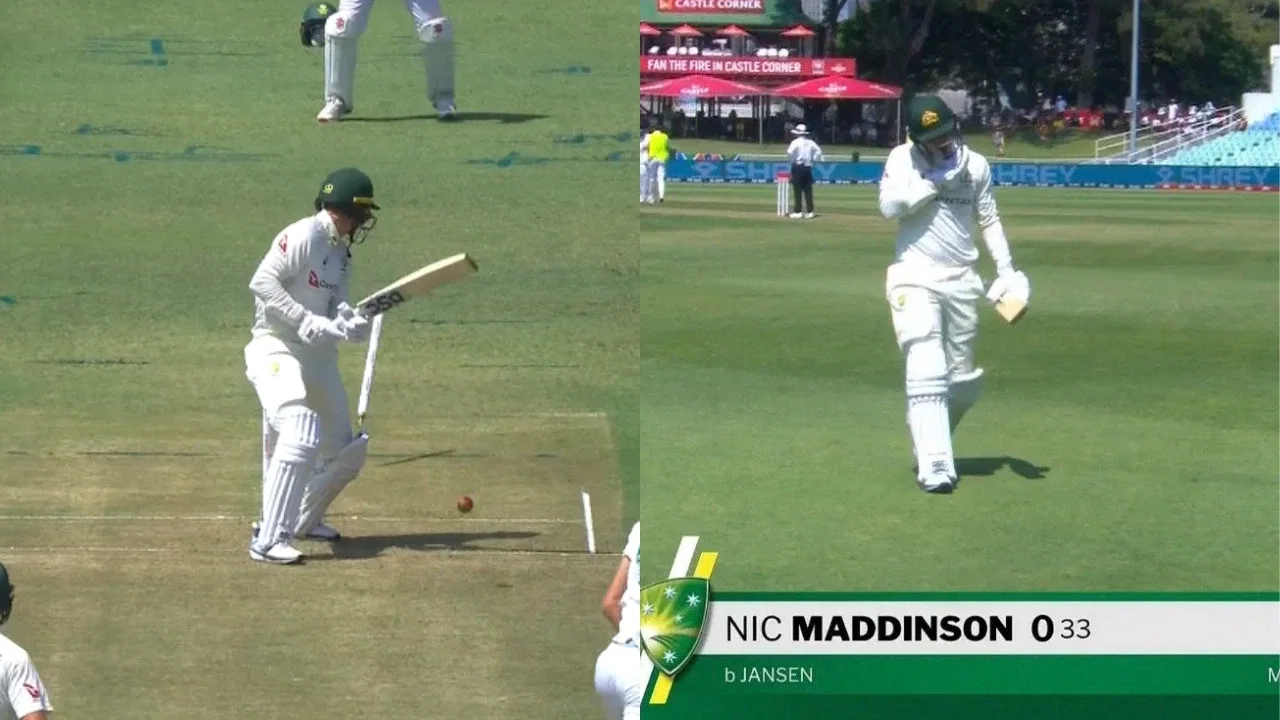
Nic Maddinson bags 33-ball duck on Test comeback, disappoints George Bailey

Imran Tahir predicts 2027 ICC ODI World Cup Semi-Finalists, snubs India for title
Australia create unwanted history with first all-30-plus Test XI
Ravindra Jadeja returns to Ranji Trophy as Saurashtra announce squad