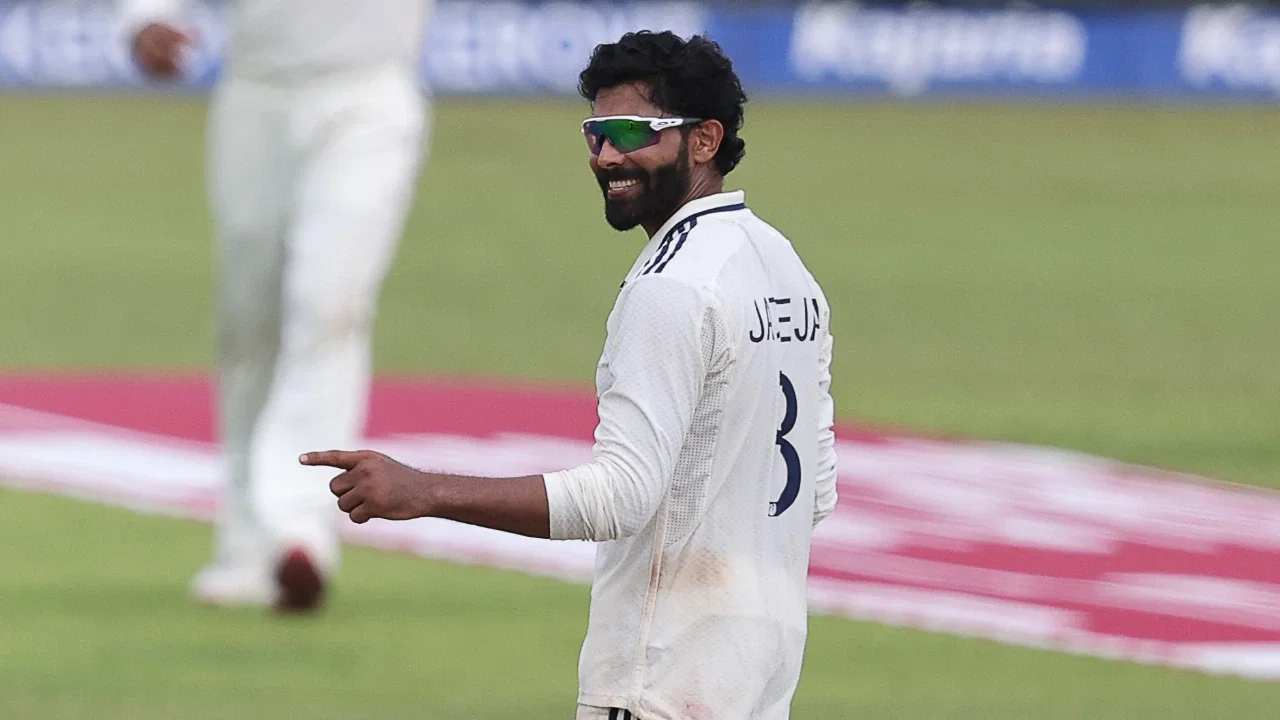
ICC rejects Pakistan’s request, eyes two surprise venues for Bangladesh’s T20 World Cup games
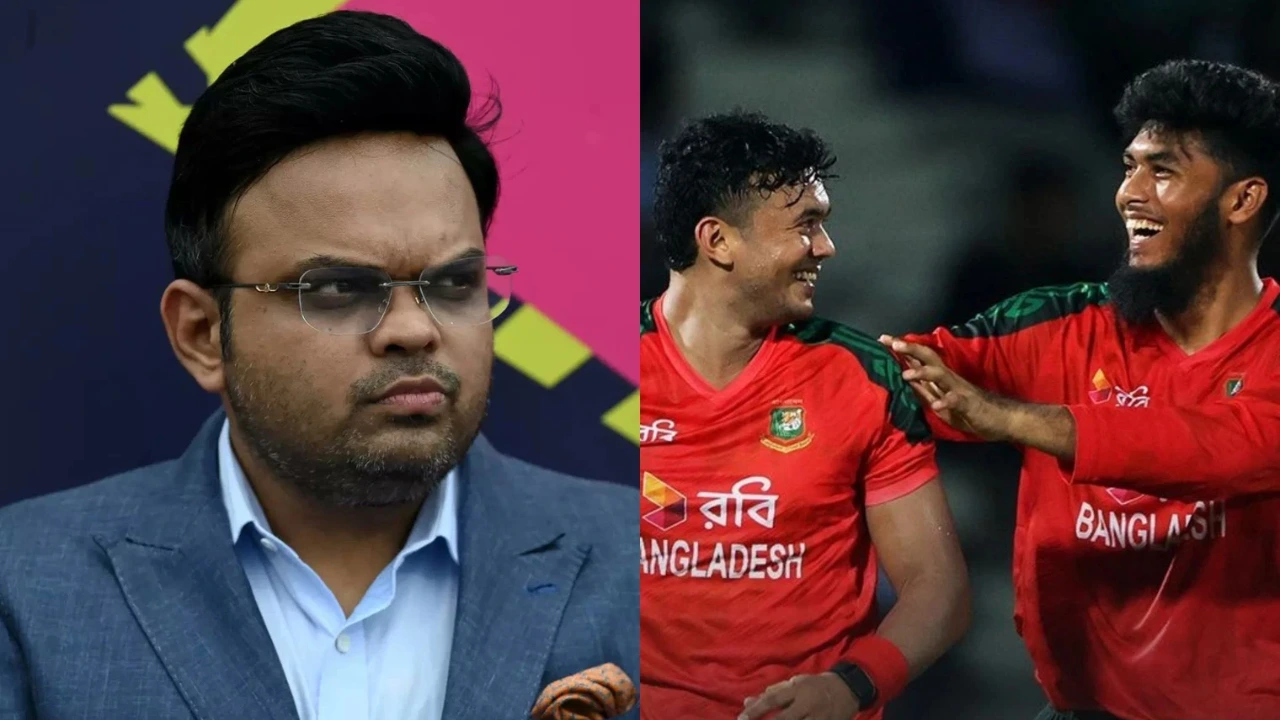
ICC Set to Make Decision on Bangladesh’s Request to Move T20 World Cup Matches from India
The International Cricket Council (ICC) and the Bangladesh Cricket Board (BCB) are currently in talks regarding the upcoming ICC T20 World Cup 2026, scheduled to start on February 7 in India and Sri Lanka. The BCB has raised concerns about security and requested to move their group matches out of India due to recent events involving Bangladeshi players.
Background and Request
The BCB’s request comes after Bangladesh fast bowler Mustafizur Rahman was released by Kolkata Knight Riders (KKR) from the IPL 2026 on the BCCI’s order earlier this month. This decision was made following calls for Bangladeshi players to be banned from the IPL due to reported violence against Hindu minorities in Bangladesh. In response, the BCB and the Bangladesh government banned IPL 2026 in their country, leading to concerns about playing in India for the T20 World Cup.
After discussions and providing documentation to the ICC, the BCB awaits a decision from the governing body. The ICC, chaired by Jay Shah, is expected to respond to the request within the next few days, possibly suggesting alternative venues in India like Chennai and Thiruvananthapuram for Bangladesh’s matches.
Government Involvement and Umpire Role
BCB President Aminul Islam emphasized that decisions about the World Cup cannot be made solely by cricket officials and should involve the government. Bangladesh is also waiting for direct communication from the Indian government regarding security concerns during the tournament.
Additionally, Bangladeshi umpires Sharfuddoula Saikat and Gazi Sohel are set to officiate matches during the T20 World Cup. Their presence could play a significant role in addressing the security concerns raised by the BCB and supporting the case for Bangladesh to travel to India for their matches.
ICC’s Decision and Expectations
With less than four weeks until the tournament begins, all eyes are on the ICC’s decision. Teams are scheduled to arrive in the first week of February for training and preparations, making it crucial to resolve the matter promptly. The ICC aims to find a solution that ensures the safety and security of all teams participating in the T20 World Cup while maintaining the integrity and spirit of the competition.
As the cricketing community awaits the ICC’s verdict, the outcome of this decision will not only impact Bangladesh’s participation in the upcoming tournament but also set a precedent for handling similar situations in the future.
Security Concerns and Player Safety
Security concerns in international cricket tournaments have become a pressing issue in recent years, with incidents affecting player safety and the overall integrity of the sport. The BCB’s request to move T20 World Cup matches from India highlights the importance of prioritizing the safety and well-being of players, officials, and fans alike. By addressing these concerns proactively, cricket authorities can uphold the values of fair play and sportsmanship that underpin the game.
Cricket is more than just a sport; it is a symbol of unity and camaraderie that transcends borders and cultures. Ensuring a safe and secure environment for all teams participating in the T20 World Cup is paramount to preserving the spirit of cricket and fostering a sense of inclusivity within the global cricketing community.
Impact on Tournament Dynamics
The outcome of the ICC’s decision regarding Bangladesh’s request could have far-reaching implications for the T20 World Cup 2026. If the matches are moved to alternative venues within India, it may disrupt the original schedule and logistical arrangements made for the tournament. However, accommodating Bangladesh’s concerns is crucial for maintaining the competitive balance and integrity of the event.
Furthermore, the involvement of government officials in the decision-making process underscores the complex interplay between sports diplomacy and international relations. The handling of this situation by the ICC sets a precedent for how future disputes and security concerns will be addressed in global cricketing events, shaping the governance and regulations of the sport moving forward.
Collaborative Solutions and Long-Term Planning
As cricket continues to evolve and adapt to the changing landscape of international sports, collaborative efforts between cricket boards, government authorities, and the ICC are essential for ensuring the smooth conduct of major tournaments like the T20 World Cup. By prioritizing open communication, transparency, and proactive risk management strategies, cricketing stakeholders can mitigate potential challenges and build a stronger foundation for future events.
Looking ahead, the ICC’s decision on Bangladesh’s request will serve as a litmus test for the organization’s ability to navigate complex geopolitical issues and uphold the principles of fairness and inclusivity in cricket. By fostering a culture of cooperation and mutual respect among all stakeholders, the cricketing community can foster a more sustainable and resilient framework for hosting international tournaments in the years to come.
In conclusion, the resolution of the current situation surrounding Bangladesh’s participation in the T20 World Cup will not only shape the dynamics of the upcoming tournament but also define the future trajectory of international cricket governance. By embracing the values of unity, integrity, and collaboration, cricket can continue to thrive as a global phenomenon that unites people from all walks of life in the spirit of competition and camaraderie.
Latest News

New Zealand suffer blow as William O’Rourke misses India ODIs and Tests
Top 10 highest run-chases in T20 cricket history, ft. West Indies’ Ranchi win vs India
Aaryavir Sehwag and Anvay Dravid set to make headlines at U19 Asia Cup 2026
Longest ducks in Test cricket history ft. Nic Maddinson, Shoaib Akhtar
ECB to offer 39 central contracts to England players after Ben Stokes, Mark Wood’s retirement
Steve Smith surpasses Steve Waugh in all-time Test run-scorers’ list

Shane Watson identifies Gautam Gambhir’s biggest problem as India struggle for consistency
Is Bhuvneshwar Kumar in India’s 2027 World Cup plans? Ajinkya Rahane makes revelation
BCCI’s big ₹127 Crore move after injury crisis raises concerns over Team India
Parthiv Patel reveals RCB ignored his Jasprit Bumrah recommendation in IPL 2014 Auction
“Never spoke ill of any faith”: Irfan Pathan hits back at fake news using his name
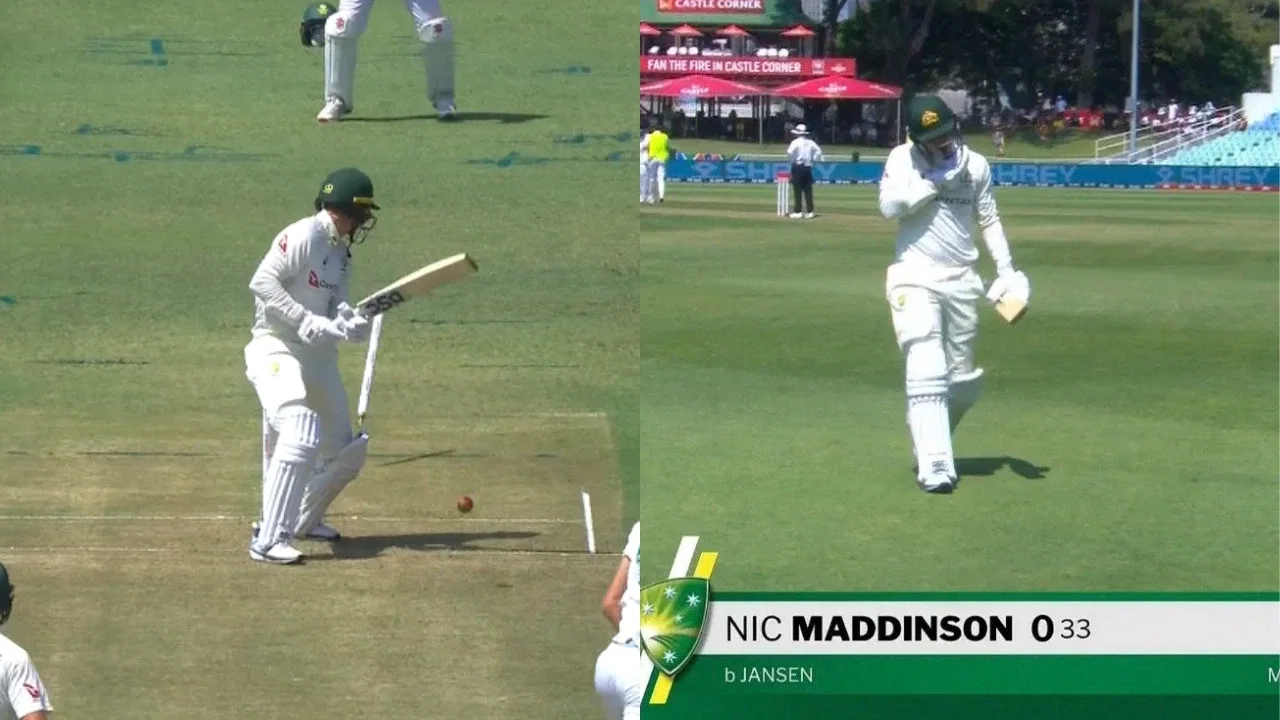
Nic Maddinson bags 33-ball duck on Test comeback, disappoints George Bailey
Imran Tahir predicts 2027 ICC ODI World Cup Semi-Finalists, snubs India for title
Australia create unwanted history with first all-30-plus Test XI