India create history as top four batters score half-centuries against New Zealand
India Make Test Cricket History as Top Four Batters Hit Half-Centuries in Wellington
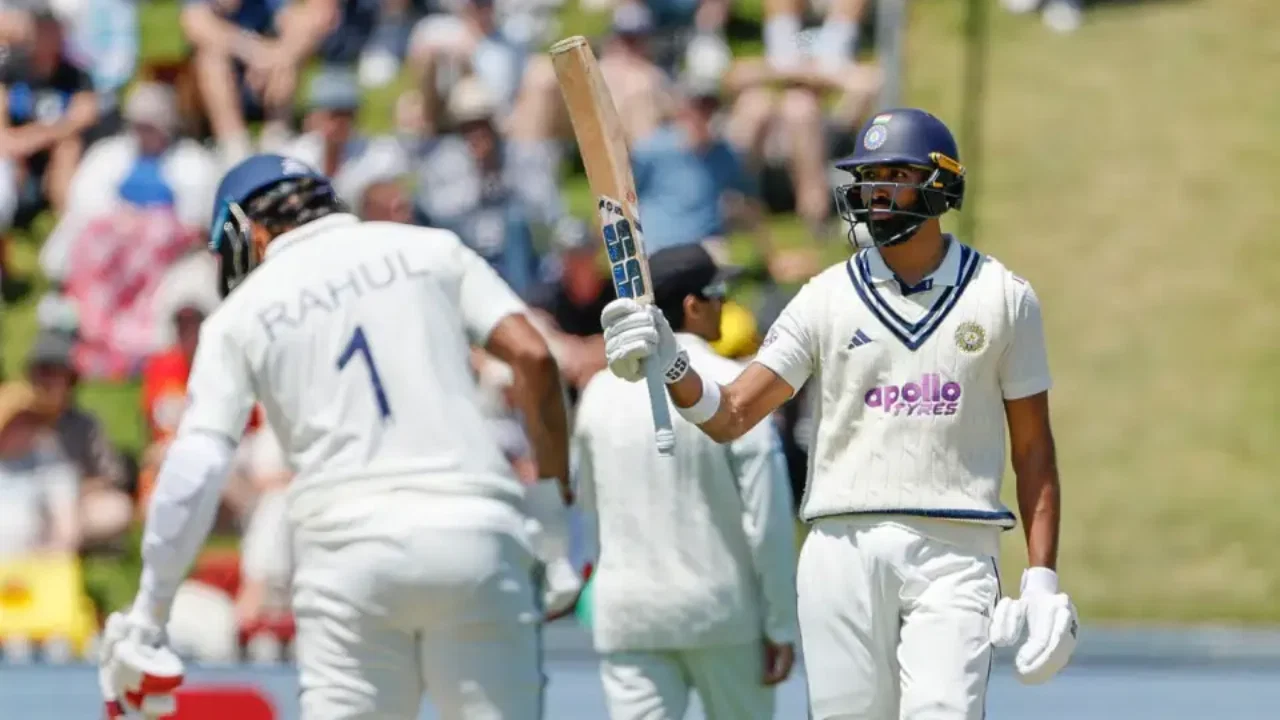
India’s first innings in the opening Test against New Zealand at Wellington’s Basin Reserve became a landmark performance, with each of the top four batters scoring a half-century. Yashasvi Jaiswal, KL Rahul, Devdutt Padikkal and Shubman Gill combined to achieve a rare milestone: the first time India’s top four had all passed 50 in a Test innings in a SENA country since the team began playing Test cricket 94 years ago.
The achievement came in a high-pressure match. New Zealand had recovered from 70 for five on the opening day to post 368, thanks to a remarkable sixth-wicket partnership between Henry Nicholls and Glenn Phillips. India’s response was built on patience, partnerships and timely aggression, turning a difficult position into a commanding first-innings lead.
A Rare Milestone in a SENA Country
India’s four half-centuries marked the 12th time the team’s top four had each reached 50 in a Test innings. However, it was only the second occasion the feat had occurred outside Asia. The previous instance came against West Indies in Basseterre in 2006, when Wasim Jaffer, Virender Sehwag, VVS Laxman and Rahul Dravid all made half-centuries.
Wellington therefore added a distinctive chapter to India’s Test record. SENA refers to South Africa, England, New Zealand and Australia—countries where visiting teams often face challenging conditions, including lively pitches, movement through the air and unfamiliar weather. Producing four substantial top-order contributions in New Zealand was not just a statistical curiosity; it demonstrated India’s ability to adapt across different batting styles and match situations.
Gill completed the sequence after Jaiswal, Rahul and Padikkal had already crossed the 50-run mark. The India captain reached his maiden Test half-century in New Zealand from 66 balls, pulling Jacob Duffy over backward square leg for six. His innings provided an assertive finish to a day in which India’s top order had steadily taken control.
New Zealand Fight Back After Early Collapse
India’s achievement followed a strong recovery by the hosts. New Zealand’s innings had appeared in danger when they slipped to 70 for five on the opening day. Nicholls and Phillips responded with a 216-run stand for the sixth wicket, transforming the innings and putting the visitors under pressure.
Nicholls finished unbeaten on 175, while Phillips contributed 118. Their partnership helped New Zealand reach 368 in 121 overs, a total that demanded a disciplined response from India. The pair’s rescue effort also gave the home side a platform to test India’s batting depth in conditions that can reward accurate seam bowling.
India answered with a blend of attacking intent and careful accumulation. Jaiswal set the pace at the top, while Rahul anchored the innings through the middle. Padikkal’s measured contribution and Gill’s late acceleration ensured that the pressure gradually shifted back to New Zealand.
Jaiswal and Rahul Build a Strong Opening Stand
Jaiswal scored 85 from 89 deliveries, striking 16 fours as he took on the New Zealand attack. His innings gave India early momentum and helped establish a 130-run opening partnership with Rahul. It was India’s first century opening stand in 17 Tests and their first in New Zealand since 1994.
Jaiswal’s approach was especially valuable because it prevented New Zealand’s bowlers from settling into a prolonged period of control. He punished loose deliveries but continued to score at a pace that allowed Rahul to build his innings at the other end. Matt Henry eventually dismissed him late on Day 2, but by then the opening stand had given India a substantial foundation.
Rahul made the most of that platform, scoring 136 from 290 balls. His innings was a significant blend of concentration and composure, particularly as New Zealand sought to break India’s growing partnerships. The hundred also placed him among a select group of Indian batters to reach a century in their first Test innings in New Zealand.
KL Rahul Joins an Exclusive Indian Club
Rahul became only the third Indian batter to score a century in his maiden Test innings in New Zealand, following Sunil Gavaskar and Surinder Amarnath. Gavaskar made 116 and Amarnath scored 124 during India’s first Test in the country, in Auckland in 1976.
The Wellington hundred also made Rahul the fifth Indian batter to score Test centuries in all four SENA countries. Reaching that milestone highlights the range of his career, as success in these destinations requires more than technical skill alone. Batters must adjust to changing bounce, movement and match conditions while maintaining the patience needed to construct a long innings.
Rahul continued his work after the opening stand, joining Padikkal for a 165-run second-wicket partnership. Padikkal scored 80 from 175 balls, showing restraint as he settled into his innings and helped keep New Zealand’s bowlers at bay. Their stand gave India the stability required to move beyond the hosts’ total.
New Zealand Take Two Late Wickets
New Zealand finally broke through after the second new ball. Kyle Jamieson dismissed Padikkal by hitting the top of off stump, ending a partnership that had placed India firmly in control. Nathan Smith then removed Rahul when the batter played the ball onto his stumps.
Those wickets offered the hosts a chance to slow India’s progress, but Gill and Rishabh Pant responded by carrying the innings into the final session. Gill survived an lbw appeal from Smith after a review showed a slight inside edge, underlining the importance of careful decision-making as New Zealand searched for another breakthrough.
Gill and Pant Keep India in Command
Gill reached 78 from 116 balls, while Pant was unbeaten on 10 from 27 deliveries at the time of the report. India had advanced to 416 for three after 114 overs, giving them a 48-run lead over New Zealand with seven wickets still available.
That position gave India a clear opportunity to build a more substantial advantage. With Gill established and Pant capable of changing the pace of an innings, the visitors had both stability and attacking potential at the crease. New Zealand, meanwhile, needed quick wickets to prevent India from stretching the lead further.
The match prediction at that stage favoured India to take control of the first innings, although the final margin would depend on how effectively New Zealand could use the remaining opportunities. The Wellington performance had already delivered a record, a landmark Rahul century and a series of productive partnerships. More importantly for India, it showed how a disciplined response to a challenging opposition total can reshape the balance of a Test match.
Latest News
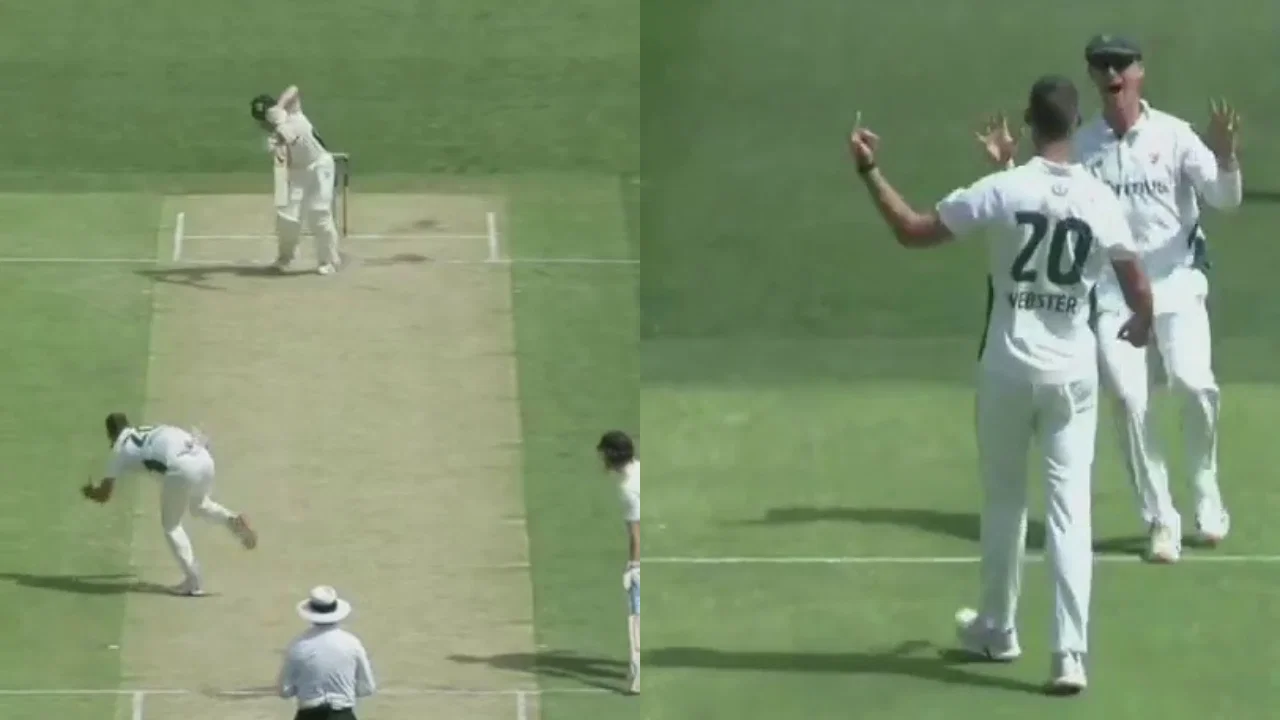
WATCH: Beau Webster pulls off sensational caught-and-bowled to dismiss Cameron Bancroft

IPL 2027: MS Dhoni unlikely to sit at CSK’s auction table, says Irfan Pathan

Ben Stokes mocks Shubman Gill’s decision to settle for draw against New Zealand

“Ravindra Jadeja could have been the difference”: S Badrinath slams India’s team selection in 1st Test vs NZ

Aakash Chopra predicts costliest player of IPL 2027 auction, names 3 Indian pacers

Wasim Jaffer backs Rishabh Pant’s ODI comeback after impressive performance in 1st Test

IPL 2027: Yuvraj Samra and Brandon McMullen register for mini-auction

Michael Vaughan questions Shubman Gill’s decision to settle for draw against New Zealand

Priyansh Arya smashes world record, surpasses KL Rahul’s highest T20 score by an Indian
ICC rejects England’s request to change WTC slow over-rate penalties

IPL 2027: LSG, PBKS set to battle for England pacer Sonny Baker in mini-auction

“Don’t understand why”: Madan Lal questions Rishabh Pant’s absence in ODIs and T20Is

Aakash Chopra points out why Ravindra Jadeja is a better bowler than Washington Sundar
PSL 2027: Peshawar gets historic first match as PCB confirms six host cities